
It happens to everyone: you reach into the back of the pantry, pull out a half-empty bag of chips, and take a bite only to be met with a sad, limp crunch—or worse, a soft thud. Stale chips are a culinary tragedy, but tossing them isn’t the only option. With a few clever techniques, you can restore crispness and flavor so effectively that no one will ever suspect you didn’t just open a fresh bag. Whether you're at home, in the office, or sneaking a midnight snack, these methods blend science, practicality, and stealth to bring your chips back from the brink.
The Science Behind Stale Chips
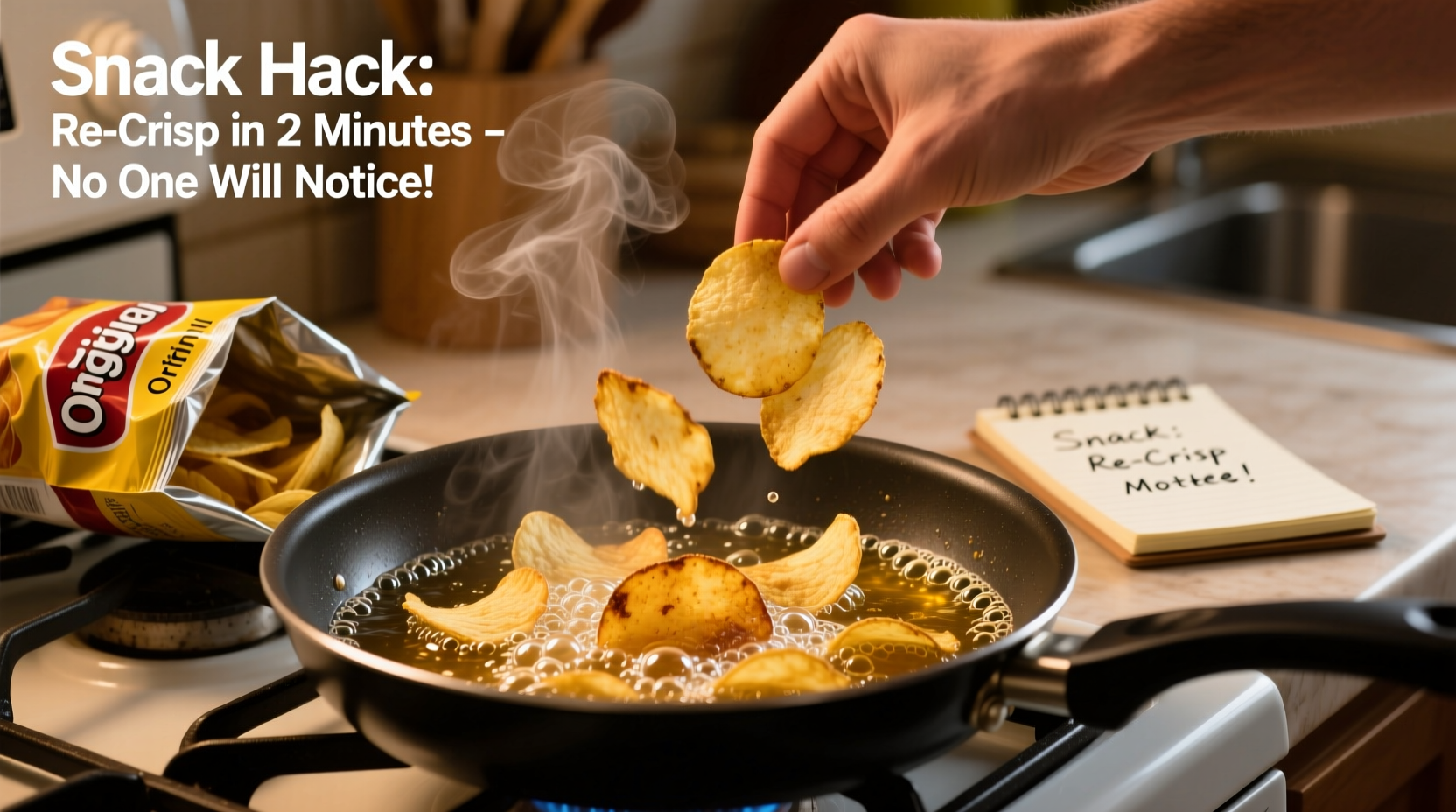
Chips go stale due to moisture absorption. Despite being fried, potato chips are hygroscopic—they attract water molecules from the air. When exposed to humidity, even briefly, they lose their structural integrity and become chewy or leathery. The starches in the potato retrograde (re-crystallize), which further dulls texture and mouthfeel. Salt and seasonings may also clump or dissolve, reducing flavor impact.
The good news? This process is reversible. By removing excess moisture through controlled heating, you can re-crisp chips without altering taste. The key is applying heat evenly and quickly, avoiding overcooking or burning. Done right, the transformation is nearly indistinguishable from fresh.
“Moisture is the enemy of crispness. A short burst of dry heat can reverse staling in under five minutes.” — Dr. Lena Park, Food Scientist at the Institute of Culinary Technology
5 Proven Methods to Revive Stale Chips
Not all revival techniques are created equal. Some are fast, others preserve flavor better, and a few are ideal for covert operations. Below are the most reliable approaches, ranked by effectiveness, speed, and discretion.
1. Oven Re-Crisping (Most Effective)
The oven delivers consistent, even heat, making it the gold standard for chip restoration. Preheat your oven to 300°F (150°C). Spread the stale chips in a single layer on a baking sheet. Bake for 5–7 minutes, flipping halfway through. Watch closely—overheating leads to burnt edges and an obvious kitchen smell.
This method works best for thicker chips like kettle-cooked or ridged varieties. Thin chips may require only 3–4 minutes.
2. Microwave Magic (Fastest Option)
When time is critical—say, during a commercial break or before guests arrive—the microwave offers a rapid solution. Place chips on a microwave-safe plate lined with a paper towel. Heat in 30-second intervals, checking after each. Total time usually ranges from 60 to 90 seconds.
The microwave excels at removing moisture quickly, but uneven heating can leave some chips soggy while others scorch. Stirring between bursts helps distribute heat. Avoid this method for heavily seasoned or cheesy chips, as dairy-based coatings may melt or separate.
3. Air Fryer Restoration (Best Texture Retention)
If you own an air fryer, consider it your secret weapon. Set it to 320°F (160°C) and cook chips for 2–3 minutes, shaking the basket once. The circulating hot air crisps evenly without drying out the interior. The result? Crispy on the outside, light on the inside—just like new.
Bonus: air fryers contain odors better than ovens and finish faster, minimizing suspicion. Keep a spare basket liner or wipe it down immediately to erase evidence.
4. Dry Skillet Method (No Appliance Needed)
In situations where appliances aren’t an option—dorm rooms, shared kitchens, or late-night raids—use a nonstick skillet. Heat it over medium-low, add chips in a single layer, and stir frequently for 2–3 minutes. The conductive heat drives off moisture while preserving shape.
This method requires attention to avoid burning, but it’s silent, quick, and leaves minimal trace. Wipe the pan clean immediately with a dry cloth to eliminate visual and olfactory clues.
5. The “Bag Shake” Trick (For Slightly Stale Chips)
If chips are only mildly soft, skip heat entirely. Seal the bag tightly and shake vigorously for 30 seconds. The friction generates minor heat and redistributes oils, temporarily improving crispness. Add a few saltine crackers or a silica gel packet (food-safe) to absorb moisture over time.
This low-effort trick works best as a preventive measure or for minor texture issues. It won’t revive fully limp chips but can extend shelf life subtly.
Do’s and Don’ts of Chip Revival
| Do | Don’t |
|---|---|
| Use low to medium heat to avoid burning | Set it and forget it—chips burn in seconds |
| Spread chips in a single layer for even exposure | Pile them up, which traps moisture |
| Store revived chips in an airtight container | Leave them in the open air |
| Wipe down tools immediately after use | Leave greasy pans or trays visible |
| Test with a few chips first | Revive the whole bag blindly |
Real-Life Scenario: The Office Meeting Rescue
Jamie, a project manager at a mid-sized tech firm, had a habit of keeping snacks in her desk drawer. One Friday, she grabbed a week-old bag of sea salt and vinegar chips before a team meeting. Mid-presentation, she discreetly reached in—only to find mush. Rather than abandon ship, she excused herself to the kitchen, dumped the chips onto a napkin-lined plate, and microwaved them for 75 seconds in 30-second bursts. She stirred them with a plastic spoon between cycles, then returned just in time for Q&A.
No one noticed the detour. No one suspected reheated snacks. And when someone asked, “Where’d you get those fresh chips?” Jamie smiled. “Same place I always do.” The bag never left her drawer.
Step-by-Step Guide: Covert Chip Refresh in 5 Minutes
Follow this sequence for maximum results with minimum detection:
- Assess freshness: Take one chip and bite. If it bends instead of snaps, proceed.
- Choose your method: Oven (best), microwave (fastest), air fryer (stealthiest).
- Prep the workspace: Clear surfaces, have cleaning supplies ready.
- Heat in intervals: Never exceed 1 minute per burst without checking.
- Cool completely: Let chips rest for 2–3 minutes—crispness sets as they cool.
- Dispose of evidence: Wipe utensils, ventilate if needed, seal original bag.
- Reintroduce naturally: Bring chips out casually, as if just opened.
Frequently Asked Questions
Can you re-crisp flavored chips like BBQ or sour cream and onion?
Yes, but with caution. Strong seasonings can burn or become bitter under high heat. Use lower temperatures (275–300°F) and shorter times. Microwaving may cause cheese powder to clump—stir gently after each interval.
Will revived chips taste exactly like fresh ones?
Nearly. While texture is restored, volatile flavor compounds lost to oxidation won’t return. However, the difference is negligible to most palates—especially if eaten within minutes of revival.
How long do re-crisped chips stay fresh?
They begin absorbing moisture again immediately. For best results, consume within 1–2 hours. Store in an airtight container with a desiccant packet if saving for later.
Pro Tips for Maximum Stealth
- Use neutral-smelling chips: Plain, salted, or lightly seasoned varieties produce less detectable aroma when heated.
- Time your move: Perform revivals during peak kitchen activity—lunch breaks, coffee runs—when appliance use is normal.
- Blend in the bag: After revival, reinsert the original crumpled bag into your snack drawer. No need to remove evidence—just don’t eat from it directly.
- Label misdirection: Keep a decoy “fresh” bag in the fridge or cupboard to point to if questioned.
- Work in batches: Revive only what you’ll eat now. Over-prepping raises suspicion and wastes energy.
“The real skill isn’t in the technique—it’s in the delivery. A perfectly crisped chip means nothing if someone catches you reheating snacks like a mad scientist.” — Marcus Tran, Culinary Lifestyle Coach
Final Checklist: Your Chip Revival Protocol
- ☐ Confirm chips are stale but not moldy or rancid
- ☐ Select appropriate method based on time and location
- ☐ Prep tools and cleanup supplies in advance
- ☐ Heat in short bursts, monitoring closely
- ☐ Cool chips fully before serving
- ☐ Clean all traces—surfaces, smells, containers
- ☐ Serve casually, ideally with other snacks to deflect attention
Conclusion: Master the Art of the Undetectable Snack Hack
Reviving stale chips isn’t just about saving food—it’s about reclaiming pleasure without compromise. With the right techniques, timing, and a touch of finesse, you can enjoy crisp, satisfying snacks anytime, anywhere, without judgment or questions. These methods aren’t shortcuts; they’re smart applications of food science tailored for real-life constraints. Whether you're stretching a budget, avoiding waste, or simply craving crunch at midnight, the power to refresh lies in your hands—and your toaster oven.




 浙公网安备
33010002000092号
浙公网安备
33010002000092号 浙B2-20120091-4
Comments
No comments yet. Why don't you start the discussion?