
Every year, millions of glass jars from pasta sauce, pickles, olives, and other preserved foods end up in recycling bins or landfills—despite being perfectly reusable. These jars are durable, airtight, and often designed with wide mouths that make them ideal for repurposing. Instead of discarding them, consider how they can serve new functions across your home. From food storage to DIY decor, reusing glass jars reduces waste, saves money, and supports a more sustainable lifestyle.
The average household throws away over 300 glass containers annually, according to the U.S. Environmental Protection Agency. Yet glass is one of the few materials that can be recycled indefinitely without losing quality. Even better: reusing it before recycling multiplies its value. By finding second lives for these jars, you're not only cutting down on single-use packaging but also unlocking opportunities for organization, creativity, and self-sufficiency.
Why Reuse Glass Jars?
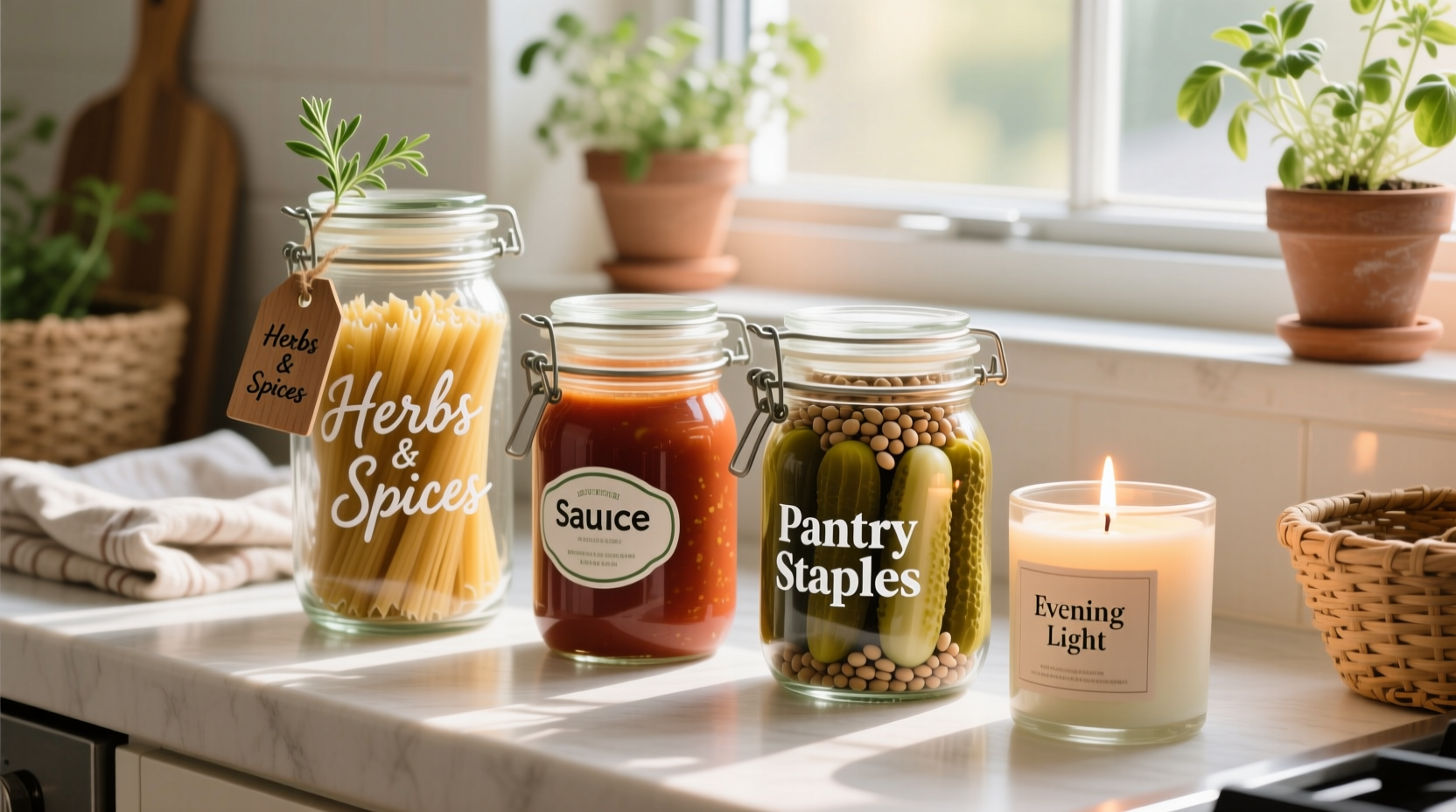
Glass jars from commercial food products are engineered for safety and durability. They’re typically made from tempered soda-lime glass, resistant to thermal shock and chemical leaching. Most come with BPA-free lids and rubber seals designed to preserve freshness—features that remain functional long after the original contents are gone.
Reusing these jars aligns with the principles of the circular economy: use longer, waste less, and extract maximum utility from existing resources. Beyond environmental benefits, repurposed jars offer cost-effective alternatives to store-bought organizers, containers, and decorative items.
“Glass is inert, non-porous, and doesn’t absorb odors or stains like plastic. That makes reused jars safer for food storage and ideal for long-term use.” — Dr. Lena Torres, Materials Scientist at the Sustainable Packaging Institute
Step-by-Step: Preparing Jars for Reuse
Before putting any jar to work, proper cleaning ensures hygiene and longevity. Labels, glue residue, and lingering odors must be removed carefully.
- Empty and rinse immediately: After finishing the product, rinse the jar with warm water to prevent dried-on residue.
- Remove the label: Soak the jar in hot, soapy water for 15–30 minutes. This loosens adhesive and allows labels to peel off easily.
- Eliminate sticky residue: Use a paste of baking soda and olive oil, or apply rubbing alcohol with a cloth. For stubborn glue, gently scrape with a plastic scraper or old credit card.
- Deodorize if needed: Fill the jar with water and add two tablespoons of white vinegar or a crumpled sheet of newspaper. Let sit overnight to neutralize smells.
- Dry thoroughly: Turn upside down on a drying rack or towel. Ensure no moisture remains, especially under the rim where mold can form.
- Inspect the lid: Check for rust, warping, or damaged seals. Replace if necessary, or switch to reusable silicone lids or vacuum-seal tops.
Creative & Practical Uses in the Kitchen and Pantry
The kitchen is the most natural place to repurpose glass jars. Their transparency, sealability, and stackable design make them superior to opaque plastic bins.
- Dry goods storage: Transfer rice, pasta, beans, lentils, oats, sugar, flour, and spices into cleaned jars. Label with chalk markers or reusable tags.
- Bulk shopping containers: Bring jars to refill stations at zero-waste stores. Weigh the empty jar first (tare weight), then fill directly.
- Homemade preserves: Reuse jars for canning jams, chutneys, fermented vegetables, or infused oils. Ensure they’re sterilized by boiling for 10 minutes.
- Meal prep compartments: Layer ingredients for salads, overnight oats, or grain bowls. The sealed environment keeps components fresh and transportable.
- Liquid dispensers: Fill with homemade dressings, sauces, broths, or syrups. Use a pour spout lid or swing-top closure for convenience.
| Jar Size | Ideal Kitchen Use | Tips |
|---|---|---|
| Small (8–12 oz) | Spices, herbs, loose tea | Add a shaker lid or small funnel for easy pouring |
| Medium (16–24 oz) | Rice, pasta, nuts, coffee | Store in cool, dark place to preserve freshness |
| Large (32+ oz) | Flour, sugar, bulk grains | Use clip-top lids for frequent access |
Organization and Storage Solutions Beyond the Kitchen
Once you’ve optimized your pantry, extend the use of jars to other areas of the home. Their modular shape fits neatly on shelves, desks, and in drawers.
- Bathroom essentials: Store cotton balls, swabs, bath salts, hair ties, or tablets. Keep them near the tub or vanity for quick access.
- Office and craft supplies: Organize pens, paper clips, pushpins, buttons, beads, or thread spools. Transparent sides make contents visible at a glance.
- Garage or workshop: Hold nails, screws, washers, or small tools. Label clearly and group by project type.
- Laundry room: Store homemade detergent, stain removers, or fabric softener balls in large jars. Add a scoop for portion control.
Diy Projects and Decorative Applications
Glass jars are a favorite among crafters and DIY enthusiasts due to their versatility and low cost. With minimal effort, they transform into stylish home accents.
- Candles: Melt leftover wax or buy soy wax pellets. Add a wick and essential oils for fragrance. Use wide-mouth jars for even burning.
- Vases and flower holders: Arrange wildflowers, succulents, or air plants. Group different sizes for visual interest on windowsills or tables.
- Wall-mounted storage: Attach jars to wooden boards or metal sheets using clamp fittings. Ideal for spice racks, tool holders, or kids’ art stations.
- Decorative lighting: String fairy lights inside jars for ambient night lighting. Place on shelves, mantels, or outdoor patios.
- Gift containers: Fill with layered cookie mix, bath salts, or homemade granola. Tie with ribbon and include recipe cards.
“My grandmother saved every pickle jar she ever opened. She turned them into candle lanterns for our garden path. Decades later, I still use her method—and her jars—with pride.” — Marcus Reed, Urban Homesteader and Blogger
Outdoor and Garden Applications
Repurposed glass jars aren’t limited to indoor use. In gardens and outdoor spaces, they support sustainability and functionality.
- Seed starters: Fill jars with soil and plant seeds indoors. Once sprouted, transplant seedlings directly into the garden.
- Compost collectors: Keep a small jar on the counter for fruit peels, coffee grounds, and vegetable scraps. Empty daily into an outdoor bin.
- Pest traps: Mix apple cider vinegar and dish soap in a jar; cover with perforated plastic wrap. Fruit flies enter but can’t escape.
- Watering globes: Fill jars with water and insert a porous stone or clay spike into the soil. As the soil dries, it draws water slowly.
- Insect hotels: Stack jars filled with hollow stems, pinecones, or bark to attract beneficial insects like solitary bees and ladybugs.
Mini Case Study: A Zero-Waste Kitchen Makeover
Sarah Kim, a mother of two in Portland, Oregon, committed to reducing household waste after learning about microplastics in oceans. She began by collecting all glass jars from weekly grocery purchases—averaging eight per week. Within three months, she had replaced nearly all plastic food containers with labeled glass jars.
She used large pasta sauce jars for bulk grains, medium-sized ones for homemade yogurt, and small pickle jars for spices. Her children helped decorate some with paint and twine for holiday gifts. She even started making her own pickles using the same jars, closing the loop entirely.
“I used to think sustainability was expensive,” Sarah says. “But reusing what I already had cost nothing and changed how we cook, shop, and think about waste.”
Checklist: How to Maximize Your Jar Reuse Routine
- ✅ Rinse jars immediately after use
- ✅ Soak to remove labels and adhesive
- ✅ Sterilize if storing food long-term
- ✅ Inspect lids for damage; replace as needed
- ✅ Sort by size for efficient organization
- ✅ Label contents clearly with dates
- ✅ Rotate stock using FIFO (First In, First Out)
- ✅ Repurpose creatively: crafts, storage, gardening
- ✅ Share extras with friends or community projects
- ✅ Recycle only when cracked or unusable
Frequently Asked Questions
Can I reuse commercial jar lids for canning?
Manufacturers generally advise against reusing metal lids for home canning because the sealing compound may degrade after first use. While the glass and screw bands are fully reusable, always use new flat lids when processing in a water bath or pressure canner to ensure a safe, airtight seal.
Are there health risks in reusing food jars?
No significant risks exist if jars are properly cleaned and inspected. Avoid using jars with cracks, chips, or cloudiness, as these can harbor bacteria or break under temperature changes. Never microwave jars unless labeled as microwave-safe, and avoid sudden temperature shifts (e.g., moving from freezer to boiling water).
How do I label jars without damaging the glass?
Use chalkboard paint, reusable vinyl labels, or masking tape with waterproof markers. Chalk labels can be wiped clean and rewritten. For permanent identification, engrave lightly with a rotary tool or use etching cream with stencils.
Final Thoughts: Turning Waste into Worth
Every pasta sauce or pickle jar holds potential far beyond its original purpose. With a little time and imagination, these everyday containers become tools for organization, creativity, and ecological responsibility. The shift from disposal to reuse isn’t just practical—it reflects a mindset of intentionality and care for resources.
You don’t need special skills or expensive supplies to get started. Begin with one jar: clean it, fill it, label it. Then another. Soon, you’ll find yourself reaching for glass instead of plastic, saving instead of tossing, creating instead of consuming.




 浙公网安备
33010002000092号
浙公网安备
33010002000092号 浙B2-20120091-4
Comments
No comments yet. Why don't you start the discussion?