
Cats are beloved members of millions of households, valued for their companionship, independence, and calming presence. As pet owners increasingly turn to natural wellness solutions, essential oils have gained popularity for aromatherapy, cleaning, and personal care. However, what’s beneficial for humans can be dangerous—even deadly—for felines. Cats metabolize substances differently due to a lack of specific liver enzymes, making them uniquely vulnerable to essential oil toxicity. Understanding how to use these potent plant extracts responsibly is not just about caution; it's a necessity for safeguarding your cat’s health.
This guide outlines science-backed strategies for using essential oils in homes with cats, highlighting critical risks, safe alternatives, and practical steps to minimize exposure. Whether you're a long-time essential oil user or new to holistic wellness, this information will help you maintain a healthy environment for both you and your feline companion.
Why Essential Oils Pose a Risk to Cats
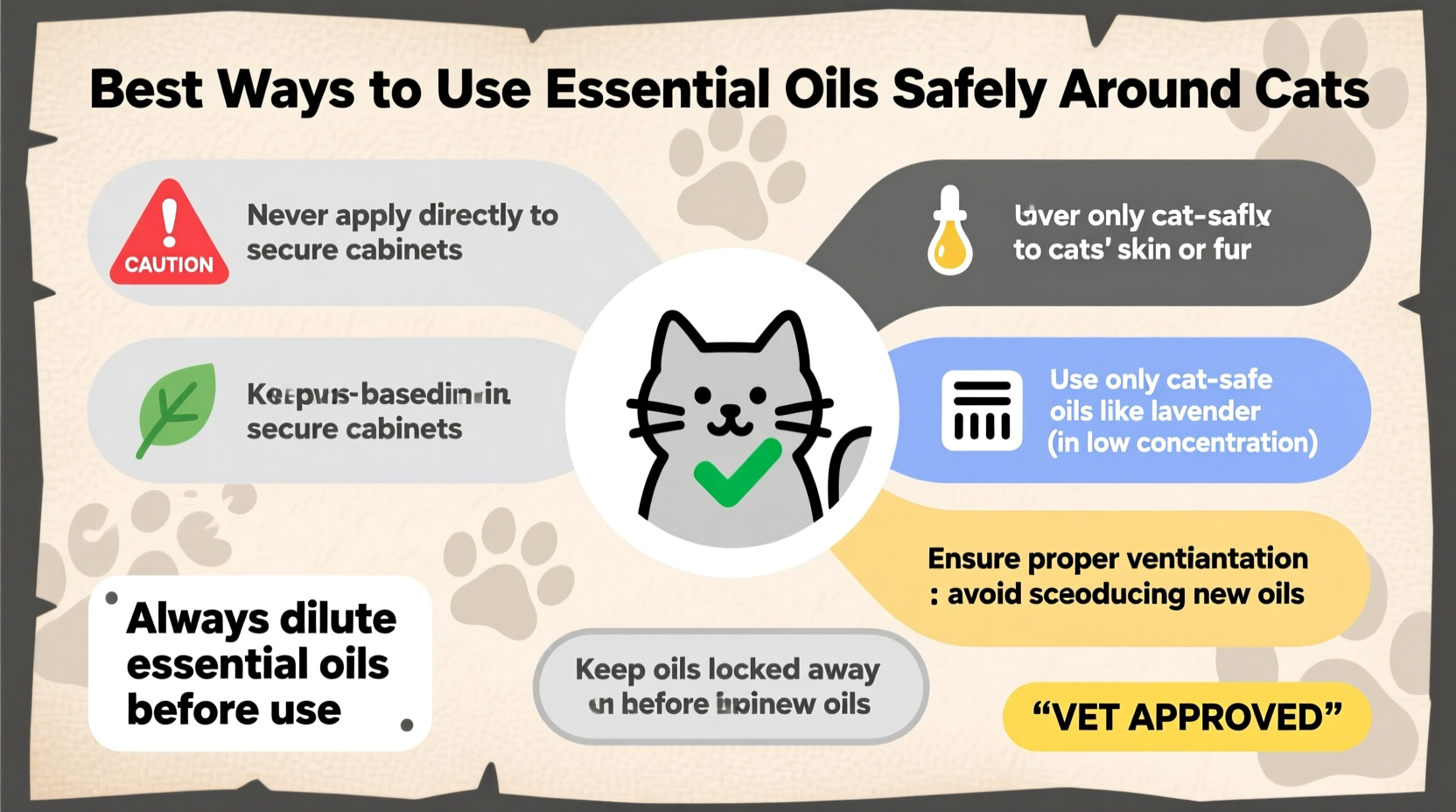
Cats are obligate carnivores with highly specialized livers that lack the glucuronyl transferase enzyme needed to break down certain compounds found in essential oils. This biological limitation means substances like phenols and monoterpene hydrocarbons—common in oils such as tea tree, eucalyptus, and citrus—can accumulate in a cat’s system, leading to poisoning.
Inhalation, dermal contact, and accidental ingestion are all potential routes of exposure. Even diffusing oils in a shared space can cause respiratory irritation or neurological symptoms in cats. The American Society for the Prevention of Cruelty to Animals (ASPCA) lists many essential oils as toxic to pets, with symptoms ranging from mild drooling and lethargy to severe tremors, difficulty breathing, and liver failure.
“Cats are exquisitely sensitive to essential oils because their bodies can't process many of the volatile compounds. What seems like a relaxing scent for us can be overwhelming—or toxic—for them.” — Dr. Sarah Wooten, DVM, Veterinary Advisor at Pumpkin Pet Insurance
Essential Oils That Are Toxic to Cats
Not all essential oils are created equal when it comes to feline safety. Some are outright dangerous, even in small amounts. The following table outlines common essential oils and their risk level for cats:
| Essential Oil | Toxicity Level | Common Symptoms of Exposure |
|---|---|---|
| Tea Tree (Melaleuca) | High | Lethargy, tremors, weakness, vomiting |
| Eucalyptus | High | Drooling, coughing, difficulty breathing |
| Pine | High | Respiratory distress, skin irritation |
| Cinnamon | High | Mouth ulcers, low blood sugar, liver damage |
| Citrus (Lemon, Orange, Grapefruit) | Moderate to High | Vomiting, sensitivity to light, dermatitis |
| Peppermint | Moderate | GI upset, muscle weakness |
| Lavender | Low (when highly diluted and used sparingly) | Rare; possible lethargy if overexposed |
| Chamomile | Low (with caution) | Skin irritation in sensitive individuals |
Even oils labeled as “safe” can become hazardous depending on concentration, method of use, and individual cat sensitivity. Always assume risk until proven otherwise through veterinary guidance.
Safe Practices for Using Essential Oils in Cat-Friendly Homes
Using essential oils doesn’t have to mean removing them entirely from your home—but it does require thoughtful adjustments. The goal is to enjoy the benefits of aromatherapy while minimizing risk. The following step-by-step guide outlines how to do so responsibly.
Step-by-Step Guide to Safer Use
- Choose diffusion methods carefully. Avoid continuous ultrasonic diffusers in rooms where cats spend time. Instead, opt for short bursts (5–10 minutes) in well-ventilated areas, followed by at least 2–3 hours without diffusion.
- Use only pet-safe oils in minimal concentrations. If using any oil near cats, stick to low-risk options like diluted lavender or chamomile—and only in areas the cat can leave freely.
- Ensure escape routes. Always allow your cat access to a room free of essential oil exposure. Closed doors or shared HVAC systems can trap airborne particles.
- Avoid topical applications. Do not use roll-ons, sprays, or massage oils containing essential oils on yourself if your cat frequently grooms you or rubs against your skin.
- Store oils securely. Keep bottles tightly capped and stored in cabinets inaccessible to curious paws. Spills or leaks can lead to direct contact or inhalation.
- Monitor your cat closely. Watch for signs of distress after diffusing, including sneezing, pawing at the face, excessive grooming, or hiding.
Passive diffusers, reed sticks, and scented candles should also be avoided. These continuously release volatile organic compounds (VOCs), increasing cumulative exposure over time.
Real-Life Example: A Close Call with Tea Tree Oil
Jenna, a pet owner in Portland, Oregon, began using a homemade cleaning spray containing 10% tea tree oil to disinfect her bathroom. She sprayed it each morning and left the door open while the room aired out. Within a week, her 3-year-old domestic shorthair, Milo, started acting unusually lethargic. He stopped eating, began drooling, and developed mild tremors.
Concerned, Jenna rushed him to the emergency vet. Blood tests revealed elevated liver enzymes, and the veterinarian immediately suspected essential oil toxicity. Upon reviewing Milo’s environment, the clinic identified the tea tree oil spray as the likely culprit. After supportive care—including IV fluids and liver protectants—Milo recovered over several days.
“I had no idea that something I used for cleaning could hurt him,” Jenna said later. “Now I read every label and keep all essential oils locked away.”
This case illustrates how indirect exposure—especially through repeated use in shared spaces—can lead to serious health consequences, even without intentional application on the pet.
Checklist: Essential Oil Safety for Cat Owners
- ✅ Research each oil before bringing it into your home
- ✅ Avoid high-risk oils like tea tree, eucalyptus, and citrus
- ✅ Limit diffusion to short durations in unoccupied rooms
- ✅ Provide your cat with a safe, oil-free zone at all times
- ✅ Never apply oils to your cat or allow direct contact
- ✅ Store all oils in sealed, cat-proof containers
- ✅ Watch for symptoms of exposure: drooling, wobbling, vomiting, or labored breathing
- ✅ Consult your veterinarian before using any oil-based products near your pet
Vet-Approved Alternatives to Essential Oils
If you're seeking natural ways to freshen your home, reduce stress, or support your cat’s well-being, safer alternatives exist. Consider the following:
- Baking soda and vinegar: Effective for odor control and surface cleaning without harmful residues.
- Non-toxic houseplants: Spider plants, Boston ferns, and areca palms naturally purify air and add greenery.
- Feline pheromone diffusers: Products like Feliway mimic natural cat facial pheromones to reduce anxiety—clinically tested and safe for long-term use.
- Regular grooming and environmental enrichment: Reducing stress through play, scratching posts, and routine care often eliminates the need for aromatherapy.
For human aromatherapy needs, consider personal inhalers or wearing a diffuser bracelet instead of filling the air with mist. This localized approach minimizes environmental contamination and keeps your cat safe.
Frequently Asked Questions
Can I ever use lavender oil around my cat?
Lavender contains linalool and linalyl acetate, which are less toxic than other oil components, but they are still potentially harmful in concentrated forms. Occasional, brief diffusion of highly diluted lavender may be tolerated by some cats, but it’s not recommended as a routine practice. Always observe your cat for signs of discomfort and discontinue use immediately if any occur.
What should I do if my cat licks an essential oil?
Immediate action is crucial. Do not induce vomiting unless directed by a veterinarian. Wipe the mouth gently with a damp cloth to remove residue, then contact your vet or the ASPCA Animal Poison Control Center (888-426-4435). Bring the oil bottle with you for identification. Prompt treatment significantly improves outcomes.
Are \"natural\" or \"organic\" essential oils safer for cats?
No. The terms \"natural\" or \"organic\" do not equate to safety for cats. Even pure, food-grade essential oils contain concentrated compounds that feline physiology cannot process efficiently. Safety depends on chemical composition and exposure level—not labeling claims.
Conclusion: Prioritize Safety Over Scent
Living harmoniously with cats means making choices that respect their unique biology. While essential oils offer therapeutic benefits for humans, their use in cat-inhabited spaces requires extreme caution. There is no safe way to use high-risk oils around cats, and even low-risk options demand careful handling.
The best approach is prevention: avoid known toxins, limit diffusion, and choose cat-safe alternatives whenever possible. Your vigilance today can prevent a medical emergency tomorrow. By aligning your wellness habits with your pet’s safety, you create a healthier, more balanced home for everyone.




 浙公网安备
33010002000092号
浙公网安备
33010002000092号 浙B2-20120091-4
Comments
No comments yet. Why don't you start the discussion?