
Candles bring warmth, ambiance, and fragrance into our homes, but once they burn down, many people toss the remaining wax without a second thought. This not only contributes to unnecessary waste but also overlooks a surprisingly versatile material. Leftover candle wax—especially from soy, beeswax, or paraffin—is reusable in numerous practical and artistic ways. With minimal effort and common household tools, you can transform what might seem like trash into functional items, creative crafts, or even gifts. From crafting new candles to enhancing outdoor gear, the possibilities are both sustainable and satisfying.
Why Reuse Candle Wax?
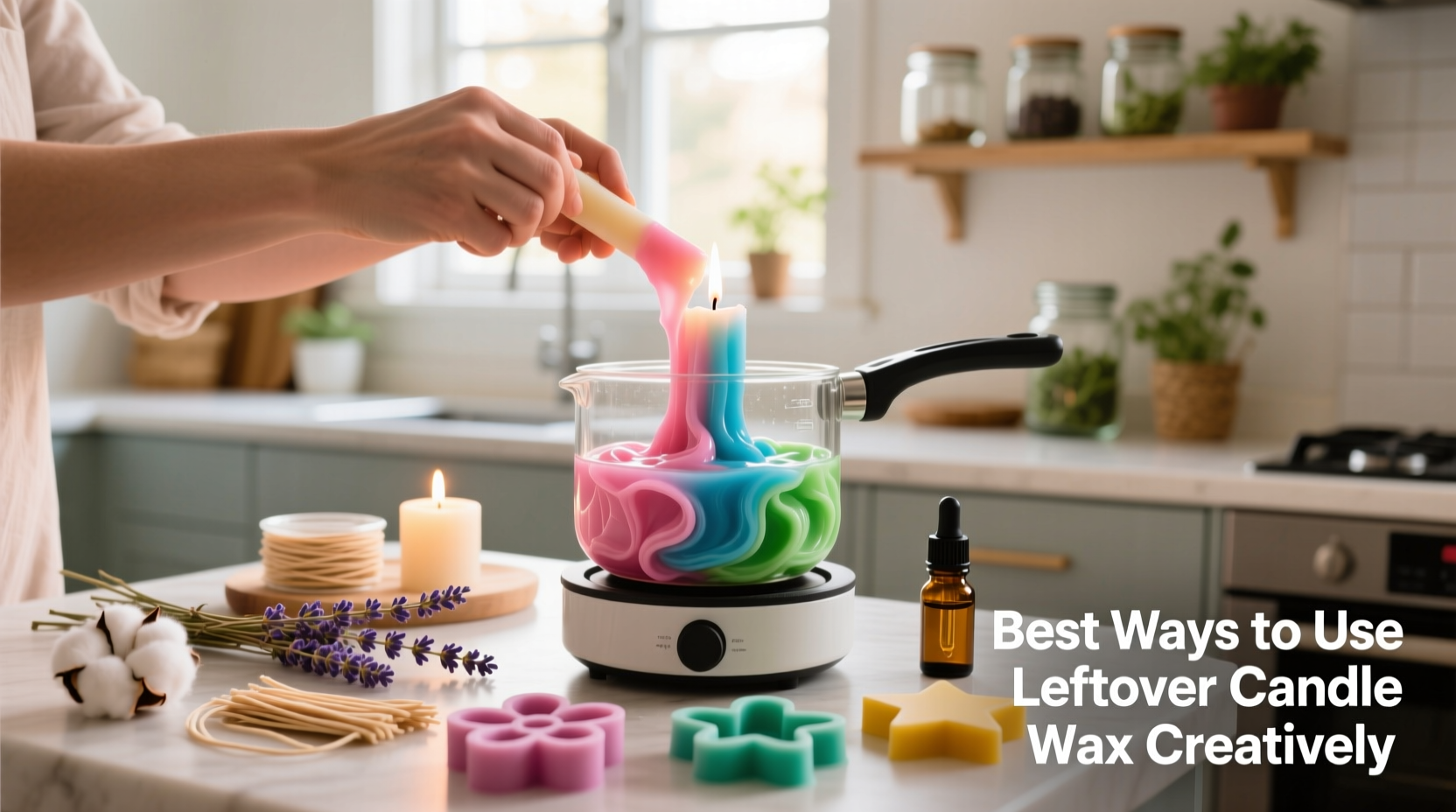
Burning through your favorite scented candles doesn’t mean the experience has to end when the wick burns out. Most candles leave behind 10–30% of usable wax trapped in the container or pooled at the base. Rather than discarding this residue, consider its inherent qualities: it’s water-resistant, flammable, malleable when heated, and often already infused with essential oils or fragrance. These properties make it ideal for repurposing.
Reusing candle wax aligns with eco-conscious living by reducing landfill contributions and minimizing the need for new materials. It also saves money—why buy new supplies when you can upcycle what you already have? Whether you're an avid crafter, a practical homesteader, or simply looking for clever ways to reduce waste, there's a reuse method that fits your lifestyle.
1. Make New Candles (The Obvious—but Best—Choice)
The most straightforward and effective way to reuse leftover wax is to create entirely new candles. This method allows full control over scent, color, size, and container choice. It’s especially rewarding if you enjoy customizing home decor or giving handmade gifts.
Step-by-Step Guide to Making New Candles
- Collect and clean wax remnants: Remove old wicks and debris from used jars. Scrape out as much wax as possible.
- Melt the wax safely: Use a double boiler setup—place wax in a heat-safe container (like a glass measuring cup) inside a pot with simmering water. Never melt wax directly on the stove.
- Strain if needed: If the wax contains bits of wick or dirt, pour it through a fine mesh strainer or cheesecloth while liquid.
- Pour into molds or containers: Pre-place centered wicks (available online or at craft stores) in jars or molds. Secure the wick upright using a pencil or chopstick laid across the top.
- Add fragrance or color (optional): Mix in essential oils or dye chips if desired. Note: reused wax may already carry a scent; test combinations first.
- Cool slowly: Let candles set at room temperature for several hours. Rapid cooling can cause cracks or sinkholes.
You can mix different types of wax, though consistency varies—soy blends well with more soy, while paraffin holds shape better in molds. Beeswax should ideally be kept separate due to its high melting point and natural aroma.
2. Create Fire Starters for Camping or Fireplaces
Leftover candle wax is excellent for building efficient fire starters. When absorbed into fibrous materials like cotton, sawdust, or dryer lint, it ignites easily and burns longer than paper alone. This makes it perfect for campfires, wood stoves, or emergency preparedness kits.
Dryer Lint Fire Starters: A Simple Recipe
- Fill empty cardboard egg cartons with dry, unused dryer lint.
- Melt collected candle wax in a double boiler.
- Pour melted wax evenly over each lint-filled compartment.
- Let cool completely until solid.
- Break apart individual sections and store in a dry container.
Each unit provides a compact, weather-resistant starter that lights quickly and sustains flame long enough to catch larger kindling. Outdoor enthusiasts appreciate their lightweight portability and reliability—even in damp conditions.
“Fire starters made with wax-soaked lint are one of the most dependable low-cost solutions for backpackers.” — Daniel Reeves, Wilderness Survival Instructor
3. Waterproof Fabric and Thread
Candle wax has long been used to enhance durability in textiles. Sailors historically waxed thread and canvas to resist moisture, and the same principle applies today. You can use leftover wax to waterproof shoelaces, sewing thread, canvas bags, or outdoor gear.
How to Wax Thread or Cordage
- Cut a length of cotton thread, hemp cord, or shoelace.
- Hold one end and slowly pull the strand through melted wax, coating it evenly.
- Let excess drip off, then run the cord between two fingers to remove clumps.
- Allow to cool and harden. Trim ends as needed.
Waxed thread resists fraying, knots more securely, and sheds water—ideal for sewing repairs outdoors or crafting durable macramé projects. Similarly, waxed shoelaces glide through eyelets smoothly and stay tied tighter.
Waterproofing Small Fabric Items
Lightly brush melted wax onto patches of canvas, denim, or cotton fabric using a paintbrush. Then gently heat the surface with a hairdryer to help absorption. The result isn't fully waterproof but significantly more water-repellent—great for tote bags, aprons, or children’s play cloaks.
4. Craft Decorative Wax Art and Coasters
For those inclined toward artistry, leftover colored or scented wax opens doors to expressive crafts. Layered wax melts, abstract wall art, or embedded-object coasters turn discarded materials into conversation pieces.
DIY Wax Coasters with Embedded Elements
- Pour melted wax into shallow silicone molds (e.g., round coaster shapes).
- Before the wax fully sets, press in dried flowers, herbs, glitter, or small stones.
- Allow to harden completely, then demold.
- Seal with a thin top layer of clear wax if desired for shine and protection.
These coasters are heat-resistant and naturally aromatic if using scented wax. They make thoughtful handmade gifts, especially when personalized with seasonal botanicals—rosemary for winter, pressed pansies for spring.
Layered Wax Melts for Warmers
If you own an electric wax warmer, create custom melts by pouring different colored or scented waxes in layers into muffin tins or silicone clamshell molds. Once hardened, break or cut into segments. Not only do these look beautiful as they melt, but combining scents (like citrus and sandalwood) creates complex olfactory experiences.
| Project | Best Wax Type | Tips |
|---|---|---|
| New Container Candles | Soy or Beeswax | Use wide-mouth jars for easy pouring and wick centering |
| Fire Starters | Paraffin or Mixed | Cardboard compartments burn too—no need to remove |
| Wax Coatings (fabric/thread) | Any Hard Wax | Avoid soft gel waxes—they don’t set firmly |
| Art & Decor | Colored Paraffin | Add alcohol-based dyes for vibrant effects |
5. Lubricate Sticking Drawers and Zippers
An unexpected but highly practical use for leftover wax is as a natural lubricant. Unlike oily sprays that attract dust or degrade fabrics, wax provides a clean, long-lasting glide.
How to Use Wax as a Dry Lubricant
- For sticky drawers: Rub a small amount of solid wax along the wooden runners. Reapply every few months.
- For stiff zippers: Carefully rub wax along both sides of the zipper teeth. Move the slider back and forth to distribute.
- For garden tools: Coat shovels or hoes lightly to prevent rust and soil buildup.
This method is particularly useful in humid environments where metal components corrode or wood swells. Because candle wax is non-toxic and odorless once cooled, it’s safe to use on furniture, clothing, and children’s toys.
“I switched from silicone spray to beeswax for my workshop drawers—no more gunk buildup, and the smooth action lasts months.” — Lena Patel, Woodworker & DIY Blogger
Mini Case Study: Sarah’s Scented Candle Revival Project
Sarah, a teacher from Vermont, accumulated dozens of half-empty candle jars over two winters. Instead of throwing them away, she began collecting the wax in labeled containers by scent—lavender, cedarwood, vanilla, etc. Over a weekend, she melted each batch separately, strained impurities, and poured them into vintage teacups and mason jars with new wicks.
She added dried lavender buds to the floral blends and gave them as holiday gifts. Her friends loved the personal touch and unique scents. Inspired, Sarah started a small side business selling “reborn” candles at local markets. What began as a zero-waste effort turned into a creative outlet and modest income stream—all from repurposed wax.
Checklist: How to Get Started Repurposing Candle Wax
- ✅ Collect wax from burned-down candles
- ✅ Clean out containers and remove old wicks
- ✅ Sort wax by type and scent (if planning to blend)
- ✅ Set up a safe melting station (double boiler recommended)
- ✅ Choose your project: candles, fire starters, art, or utility uses
- ✅ Gather supplies: molds, wicks, containers, or fabric scraps
- ✅ Melt, pour, and let cool completely
- ✅ Store finished products in a dry, cool place
Frequently Asked Questions
Can I mix different types of candle wax?
Yes, but with caution. Mixing soy and paraffin may result in inconsistent burning or texture. For best results, keep wax types separate or test small batches first. Beeswax should generally be used alone due to its high melting point (around 145°F), which can alter the behavior of softer waxes.
Is it safe to melt candle wax on the stove?
Only using a double boiler. Never melt wax directly in a pot, as it can overheat, smoke, or catch fire. Keep a close eye during melting, avoid open flames nearby, and never leave unattended. Use medium-low heat and stir occasionally for even melting.
Can I reuse wax from gel candles?
Not recommended. Gel wax is petroleum-based and contains polymers that don’t behave like traditional waxes. It doesn’t solidify properly when cooled and may pose safety risks when remelted. Stick to soy, paraffin, and beeswax for reuse projects.
Conclusion: Turn Waste into Wonder
Leftover candle wax is far too valuable to discard. With a little creativity and basic kitchen tools, you can transform it into functional items, artistic expressions, or outdoor essentials. Each reuse method not only reduces waste but reconnects you with the materials in your home, fostering a mindset of resourcefulness and sustainability.
Whether you’re crafting cozy fire starters for your next camping trip, making elegant layered candles, or quietly fixing a squeaky drawer, the humble remains of a burned candle hold surprising potential. Start saving your wax today—your future self might just thank you with a beautifully lit room, a roaring campfire, or a handmade gift that carries both scent and story.




 浙公网安备
33010002000092号
浙公网安备
33010002000092号 浙B2-20120091-4
Comments
No comments yet. Why don't you start the discussion?