
Born into the spotlight at just 14 years old with the viral success of “Ocean Eyes,” Billie Eilish quickly became a global sensation. Her haunting vocals, introspective lyrics, and genre-defying sound redefined modern pop music. Yet behind the fame, awards, and sold-out tours lies a deeply personal battle with mental health. Over the years, Eilish has been candid about her experiences with depression, anxiety, and obsessive-compulsive disorder (OCD). Understanding the roots of her emotional struggles offers more than just celebrity insight—it sheds light on the psychological toll of early fame, the pressure of perfectionism, and the importance of speaking openly about mental illness.
The Weight of Early Fame
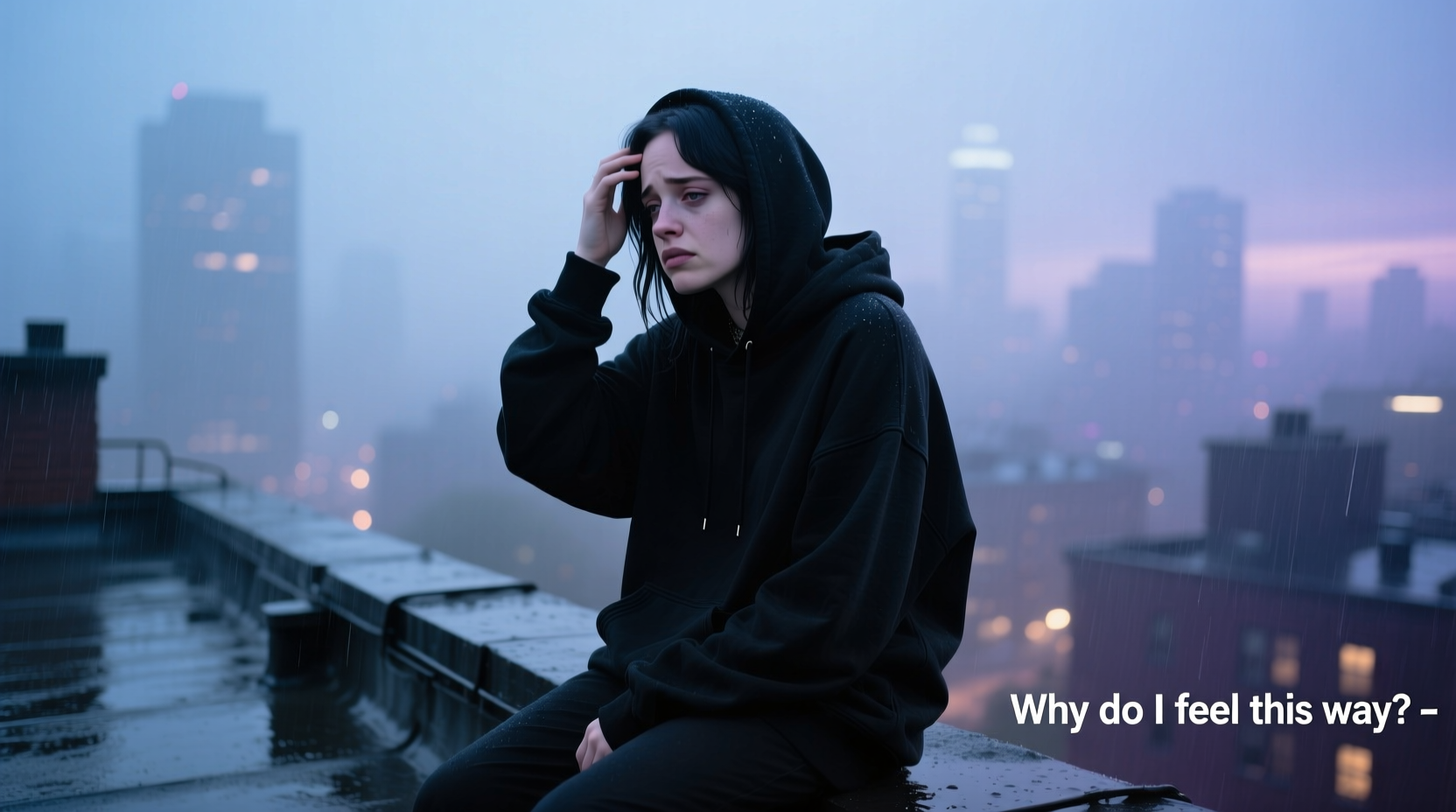
Rising to stardom during adolescence is rarely smooth. For Billie Eilish, the transition from a bedroom musician to an international icon happened almost overnight. While many dream of such success, few consider its psychological cost. The sudden loss of privacy, constant public scrutiny, and immense expectations can destabilize even the most grounded individuals—especially teenagers still forming their identities.
Eilish has spoken about how fame disrupted her sense of normalcy. In interviews, she’s described feeling detached from reality, struggling to distinguish between her authentic self and the persona projected in media. This identity fragmentation is common among young celebrities and often exacerbates feelings of isolation—a key contributor to depressive episodes.
Mental Health Challenges Beyond Depression
While depression is central to Eilish’s narrative, it doesn’t exist in isolation. She has publicly discussed living with both OCD and Tourette syndrome, conditions that significantly impact daily functioning and emotional well-being. Her OCD manifests in intrusive thoughts and compulsive behaviors, which, when misunderstood, can increase shame and internal pressure.
In a 2020 interview with Rolling Stone, Eilish revealed how her OCD led to repetitive actions like checking locks or touching objects a certain number of times. These rituals, while attempts to regain control, often deepen anxiety. When layered with depression, the result is a cyclical struggle where emotional exhaustion fuels compulsions, and compulsions reinforce feelings of helplessness.
“Having OCD isn’t about being ‘neat’ or ‘organized.’ It’s about being trapped in your own brain, doing things you don’t want to do because not doing them feels catastrophic.” — Billie Eilish, Rolling Stone
The Role of Perfectionism and Creative Pressure
As a singer, songwriter, and performer, Eilish operates in a high-stakes creative environment. Her music is emotionally raw, often drawing from personal pain. This authenticity resonates with millions—but it also means revisiting trauma repeatedly, both in writing and performance.
Perfectionism, particularly in artists, is closely linked to depression. Eilish has admitted to being highly self-critical, fearing failure and judgment. The need to consistently produce groundbreaking work—while maintaining a unique image—adds relentless pressure. After winning five Grammy Awards at age 18, including Album of the Year, the bar was set impossibly high. With every new release, the question looms: Can she top herself?
| Mental Health Factor | Impact on Billie Eilish | Broader Implication |
|---|---|---|
| Early Fame | Loss of privacy, identity confusion | Adolescents in the spotlight face heightened risk of mood disorders |
| OCD | Intrusive thoughts, compulsive behaviors | Often misdiagnosed or trivialized; requires specialized therapy |
| Perfectionism | Fear of failure, chronic self-doubt | Common in high-achieving creatives; linked to burnout |
| Public Scrutiny | Body-shaming, online harassment | Social media amplifies mental health risks for public figures |
A Turning Point: Advocacy and Healing
One of the most powerful aspects of Eilish’s story is her transformation from silent sufferer to vocal advocate. In 2021, she released the documentary *The World’s a Little Blurry*, which offered an unfiltered look at her life, including therapy sessions, panic attacks, and moments of despair. Rather than hide her struggles, she used her platform to normalize conversations around mental illness.
This shift aligns with a growing movement in the entertainment industry where artists prioritize well-being over image. Eilish began setting boundaries—canceling shows when overwhelmed, speaking out against body-shaming, and emphasizing the importance of therapy. Her willingness to say, “I’m not okay,” has empowered fans worldwide to seek help without shame.
Real Example: A Fan’s Perspective
Jessica, a 19-year-old college student from Chicago, credits Eilish’s honesty with saving her life. Diagnosed with depression at 16, she felt isolated until she heard Eilish discuss her own therapy journey on Instagram Live. “She said, ‘It’s okay to not be strong all the time,’ and I broke down crying,” Jessica recalls. “For the first time, I didn’t feel broken—I felt seen.” Jessica started seeing a counselor two weeks later and now leads a campus mental health awareness group.
This example illustrates the ripple effect of celebrity vulnerability. When public figures share their pain authentically, they don’t just tell a story—they create permission for others to heal.
Support Systems and Treatment Approaches
Eilish’s path to managing her depression hasn’t relied on fame or fortune alone. It’s been built on consistent, professional support. She has worked with therapists specializing in cognitive behavioral therapy (CBT) and exposure and response prevention (ERP), the gold standard for treating OCD.
Her family, especially her brother Finneas—who co-writes and produces her music—has played a crucial role. Their close collaboration provides emotional stability and creative synergy. Having a trusted ally in the same industry helps buffer against exploitation and burnout.
“Therapy isn’t a quick fix. It’s hard work. But it’s the only thing that’s ever helped me feel like I can breathe again.” — Billie Eilish, Vogue UK
Step-by-Step: Building Mental Resilience (Inspired by Eilish’s Journey)
- Seek Professional Help: Find a licensed therapist experienced in mood or anxiety disorders.
- Establish Boundaries: Limit exposure to toxic environments, whether social media, relationships, or work demands.
- Practice Emotional Honesty: Journaling or talking openly reduces the burden of suppressed emotions.
- Prioritize Physical Health: Sleep, nutrition, and movement directly impact mental well-being.
- Use Creativity as Therapy: Writing, music, or art can transform pain into purpose.
FAQ
Did Billie Eilish ever take medication for depression?
Yes. In various interviews, Eilish has mentioned trying antidepressants but emphasized that treatment is personal. What works for one person may not work for another. She advocates for medical guidance rather than self-prescribing.
How does Billie Eilish handle criticism and online hate?
She has spoken about deleting social media apps during low periods and relying on her inner circle for perspective. She also reminds fans that her worth isn’t determined by likes or comments—a message she repeats to herself.
Can artistic expression help with depression?
For many, including Eilish, creative work is therapeutic. Translating emotions into song or art can provide clarity and catharsis. However, it should complement—not replace—professional care.
Conclusion: Turning Pain Into Purpose
Billie Eilish’s depression is not a footnote in her career—it’s woven into her artistry and activism. By refusing to glamorize suffering or pretend to have all the answers, she offers something far more valuable: truth. Her journey underscores a vital lesson: mental health struggles are not a sign of weakness, but part of the human experience.
If her story resonates with you, know this—you’re not alone. Whether you’re navigating fame, creative pressure, or simply the weight of everyday life, seeking help is an act of courage. Let Eilish’s voice be a reminder that healing isn’t linear, but it is possible.




 浙公网安备
33010002000092号
浙公网安备
33010002000092号 浙B2-20120091-4
Comments
No comments yet. Why don't you start the discussion?