
If you've noticed twigs, feathers, or even chirping baby birds emerging from your carefully curated hanging planters, you're not alone. Many gardeners are surprised—and often conflicted—when birds turn their lush greenery into nesting sites. While it's natural to admire birds, their choice of real estate can damage plants, soil, and the structure of your baskets. So, what are you doing \"wrong\"? And more importantly, how can you reclaim your planters without harming wildlife?
The truth is, you’re likely not doing anything wrong at all. In fact, your success as a gardener may be the very reason birds have moved in. Lush foliage, sheltered nooks, and elevated positions make hanging planters ideal nesting spots. But with a few strategic adjustments, you can discourage nesting while still enjoying vibrant, healthy plants.
Why Birds Choose Hanging Planters for Nests
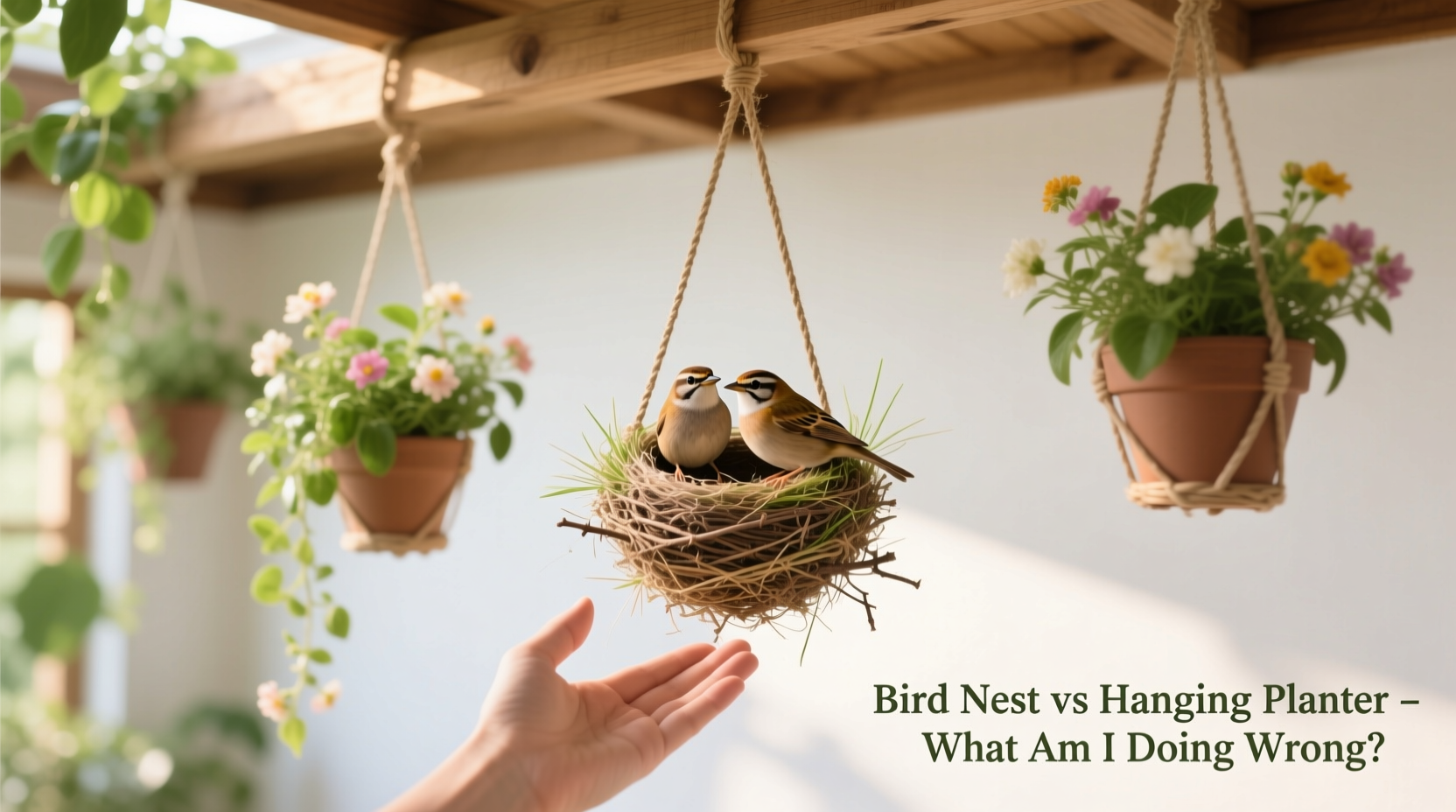
Birds are highly adaptive and resourceful when selecting nesting locations. They prioritize safety, stability, and concealment. Unfortunately, these qualities align perfectly with well-maintained hanging planters.
- Elevation: Hanging planters are off the ground, reducing risk from predators like cats and raccoons.
- Shelter: The lip of the basket and overgrown foliage create a canopy that protects against rain and wind.
- Soft Materials: Soil, moss, and fibrous roots mimic natural nesting materials birds gather from the wild.
- Stability: A securely hung planter doesn’t sway excessively, offering a safe base for eggs and hatchlings.
Species like sparrows, finches, robins, and even wrens frequently exploit hanging baskets—especially those with trailing vines such as ivy, petunias, or creeping jenny. The denser the foliage, the more appealing it becomes.
Common Mistakes That Encourage Nesting
You may unknowingly be making your planters more attractive to birds. Here are common habits that invite nesting behavior:
- Using loose, fibrous soil mixes: Peat-based or fluffy potting soils are easy for birds to dig into and repurpose.
- Overplanting trailing plants: Thick, vine-covered baskets offer excellent cover—ideal for hidden nests.
- Placing planters near sheltered structures: Under eaves, porches, or covered patios gives extra protection birds love.
- Leaving planters undisturbed for days: Lack of human activity signals safety to nesting birds.
- Adding decorative moss or fiber liners: Coconut coir or sphagnum moss resemble nesting material and are often pilfered.
It’s not about stopping birds altogether—it’s about redirecting them to more appropriate areas of your yard.
Effective, Humane Prevention Strategies
Discouraging nesting doesn’t mean removing your planters or resorting to harmful tactics. Instead, use subtle environmental cues to make your baskets less inviting.
1. Modify Planter Design
Switch to self-watering or closed-bottom planters with minimal external texture. Smooth plastic or glazed ceramic pots are less appealing than woven fiber baskets.
2. Use Physical Barriers
Install temporary deterrents during nesting season (typically March–July in most temperate zones):
- Cover the top with chicken wire or plastic mesh until the threat passes.
- Place wooden dowels vertically in the soil to block digging.
- Use fake predator decoys (e.g., plastic owls) nearby—but move them daily to maintain effectiveness.
3. Adjust Plant Selection
Choose compact, upright plants instead of sprawling trailers. Consider geraniums, marigolds, or ornamental peppers—plants that don’t provide dense cover.
4. Increase Human Activity
Birds avoid high-traffic areas. Gently brushing past planters daily or watering in the morning signals human presence and deters nesting.
“Birds seek security above all. Even minor disturbances—like regular pruning or repositioning a planter—can be enough to discourage nest-building.” — Dr. Laura Simmons, Urban Wildlife Ecologist
Do’s and Don’ts: Bird Nest vs. Hanging Planter
| Scenario | Do | Don’t |
|---|---|---|
| You spot a nest being built | Remove it immediately (before eggs appear); birds will usually abandon the site. | Wait—once eggs are laid, removal may be illegal under migratory bird laws. |
| Eggs or chicks are present | Leave it undisturbed until fledging (usually 2–3 weeks). | Touch or relocate the nest—this can cause abandonment or legal issues. |
| Preventing future nests | Use mesh covers or change plant types. | Use glue traps, spikes, or toxic repellents—these harm birds and other wildlife. |
| After nesting season ends | Clean planter thoroughly and consider redesigning layout. | Assume it won’t happen again—birds return to successful sites yearly. |
Real Example: A Balcony Gardener’s Dilemma
Sarah, a Brooklyn apartment dweller, filled her wrought-iron balcony with cascading fuchsias and sweet potato vines. By May, she noticed a house sparrow making repeated trips to one corner. Within days, a nest formed deep within the ivy-lined planter. She didn’t want to harm the birds, but the weight of the nest was pulling the basket sideways, and the mother bird became aggressive when Sarah watered nearby.
She consulted a local extension service and learned she couldn’t remove the nest once eggs were laid. She waited three weeks until the chicks fledged. The next spring, she replaced the ivy with upright lobelia and lined the top with a removable plastic grid. No nesting occurred that year—and her plants thrived.
Sarah’s experience shows that timing, species knowledge, and small design changes make all the difference.
Step-by-Step Guide to Bird-Proof Your Planters
- Inspect Weekly (March–July): Look for signs of nesting—twigs, feathers, or increased bird activity.
- Act Before Eggs Appear: Remove any nesting material promptly. Birds typically give up after two or three failed attempts.
- Install Temporary Covers: Use a piece of hardware cloth or plastic lattice cut to fit the planter top. Remove after nesting season.
- Change Plant Composition: Replace heavy trailers with bushy annuals that don’t offer cover.
- Relocate or Rotate Planters: Moving baskets weekly disrupts a bird’s sense of security.
- Add Motion-Based Deterrents: Hang wind chimes or reflective tape nearby—not on the planter itself, to avoid plant damage.
- Provide Alternative Nesting Sites: Install a birdhouse 10–15 feet away to redirect nesting instincts.
Frequently Asked Questions
Is it legal to remove a bird’s nest from my planter?
It depends. In the U.S. and many other countries, the Migratory Bird Treaty Act protects native birds, their nests, eggs, and young. You can legally remove a nest only if it’s in progress and no eggs have been laid. Once eggs appear, you must wait until the nesting cycle ends. Exceptions exist for non-native species like house sparrows and starlings, which are not protected.
Will fake owls or snakes scare birds away?
They can work temporarily, but birds quickly learn to distinguish static decoys from real threats. For better results, move the decoy daily and combine it with other methods like noise or reflective objects.
Can I use essential oils or sprays to deter birds?
Avoid chemical repellents. Many are toxic to birds, pets, and even plants. Scents like peppermint or citrus may irritate birds but require frequent reapplication and aren't reliable. Physical barriers are safer and more effective.
Conclusion: Coexistence Without Compromise
Birds nesting in hanging planters isn’t a reflection of poor gardening—it’s a sign you’ve created a thriving microhabitat. The goal isn’t to wage war on wildlife, but to guide their choices toward spaces designed for them, not your petunias.
By understanding bird behavior, adjusting your planter setup proactively, and using humane deterrents, you can enjoy both flourishing plants and the joy of birdsong—just not in the same container. Start now, before nesting season peaks, and take back your planters with confidence and compassion.




 浙公网安备
33010002000092号
浙公网安备
33010002000092号 浙B2-20120091-4
Comments
No comments yet. Why don't you start the discussion?