
When it comes to building a versatile wardrobe, few pieces are as essential as the black dress. A universal staple, it transcends seasons, occasions, and trends. But within that simplicity lies a subtle yet powerful decision: should you choose a solid black dress or one with a patchwork design? While both are black, their visual language, styling potential, and psychological impact diverge significantly. The choice isn’t just aesthetic—it influences how the garment functions in your closet, how others perceive you, and even how confident you feel wearing it.
The debate between patchwork and solid isn’t about which is better universally, but rather which serves your lifestyle, body type, and fashion goals more effectively. Understanding the nuances helps elevate personal style from random selection to intentional curation.
The Psychology of Solid Black
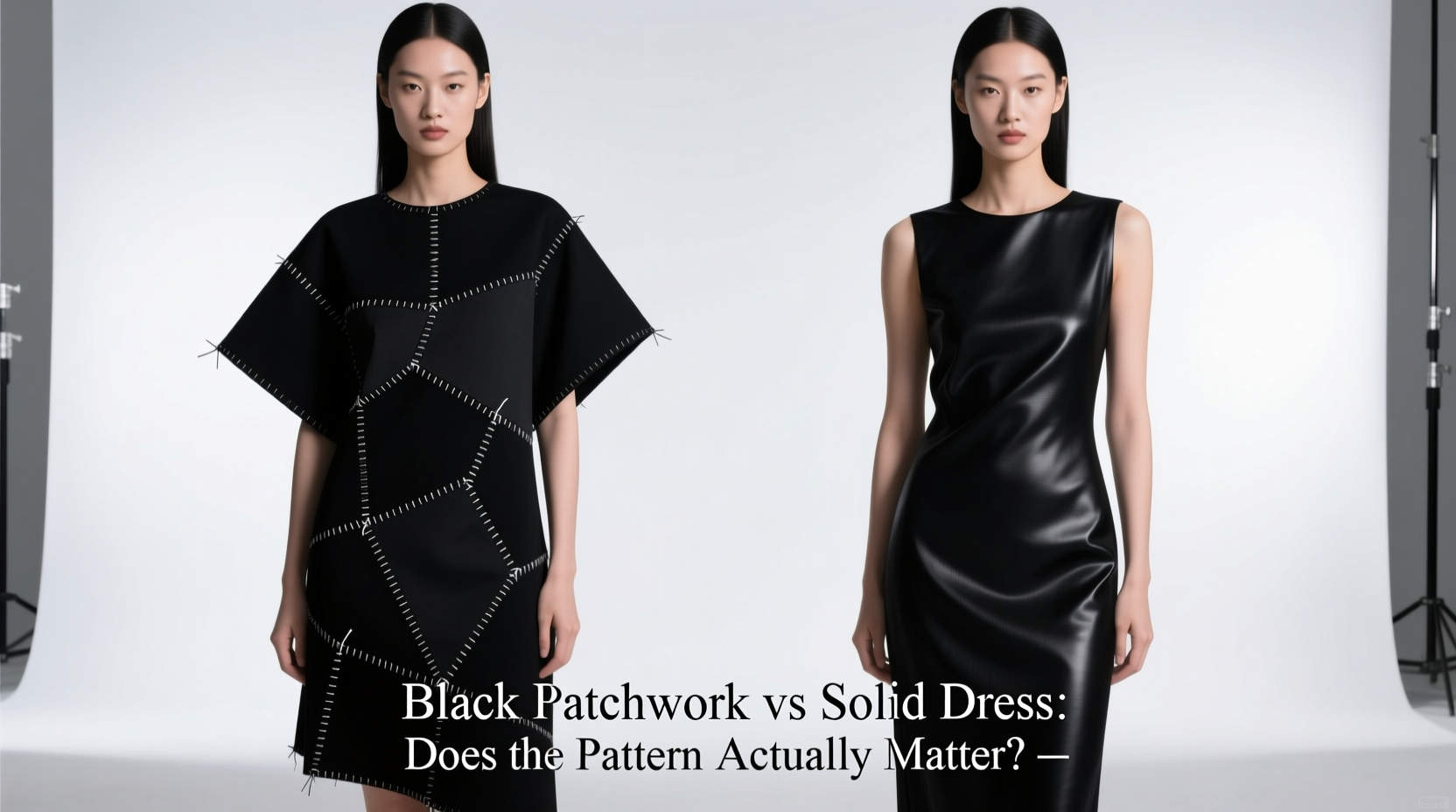
A solid black dress has long been associated with elegance, authority, and minimalism. Its uninterrupted color field creates a clean silhouette, often elongating the figure and drawing attention to posture and accessories rather than fabric texture or cut complexity.
According to Dr. Karen Pine, professor of psychology and author of *Fashion Thinking*, “Solid colors, especially black, signal cohesion and control. They reduce visual noise, allowing the wearer’s presence to dominate over the clothing.” This makes solid black ideal for professional settings, formal events, or moments when you want to project confidence without distraction.
“Black is not an absence of color. It’s an assertion. And when it’s unbroken, it becomes a statement of intent.” — Tim Gunn, Fashion Educator and Critic
Solid black also benefits from timelessness. It rarely dates, meaning a well-tailored black dress purchased today can remain relevant a decade from now. It pairs effortlessly with almost any accessory—metallic heels, colorful scarves, bold jewelry—and adapts to seasonal shifts simply by layering.
The Artistry of Patchwork Design
In contrast, a black patchwork dress introduces texture, movement, and narrative into the classic silhouette. Patchwork involves assembling different pieces of fabric—sometimes varying in weave, sheen, or subtle tonal differences—all within the same garment. Even if all components are black, the variation creates depth and dimension.
This complexity invites closer inspection. Where a solid dress commands respect from a distance, a patchwork piece intrigues up close. It suggests creativity, individuality, and a willingness to embrace imperfection as beauty. In fashion circles, this aligns with the growing appreciation for artisanal craftsmanship and anti-fast-fashion values.
However, the visual busyness of patchwork can be polarizing. For some, it adds interest; for others, it may appear cluttered or draw unwanted focus to certain areas of the body. The success of a patchwork design often depends on proportion, seam placement, and fabric harmony.
Functional Comparison: When to Choose Which
The real question isn't just about aesthetics—it's about function. Each style excels in different contexts. To clarify, consider the following comparison:
| Factor | Solid Black Dress | Patchwork Black Dress |
|---|---|---|
| Versatility | Extremely high—works across work, evening, and transitional events | Moderate—best suited for creative, casual, or artistic settings |
| Durability Perception | High—clean lines suggest care and longevity | Variable—depends on stitching quality and fabric cohesion |
| Styling Ease | Effortless—any shoes, bag, or jewelry work | Requires coordination—accessories should complement, not compete |
| Agelessness | Proven over decades | Trend-sensitive—may feel dated if construction looks intentionally distressed |
| Statement Level | Quiet confidence | Bold individuality |
Mini Case Study: Two Events, Two Dresses
Consider Sarah, a marketing executive who owns both a solid satin black sheath dress and a structured black patchwork midi made from repurposed wool scraps.
For her company’s annual gala, she chose the solid dress. Paired with pearl earrings and pointed-toe pumps, it projected polish and professionalism. Colleagues commented on her “put-together” presence.
Two weeks later, she attended an art gallery opening. This time, she wore the patchwork dress with chunky silver rings and leather ankle boots. Multiple attendees asked where she bought it, intrigued by its textured surface. One artist even complimented her “intentional eclecticism.”
The same woman, two distinct impressions—shaped entirely by her choice of pattern.
How Pattern Influences Fit and Flattery
Fabric pattern affects how light interacts with the body, which in turn influences perceived shape. Solid black absorbs light evenly, minimizing shadows and creating a smoothing effect. This is particularly beneficial for those seeking a slimming illusion.
Patchwork, however, introduces seams and directional lines. Strategically placed vertical seams can enhance height, while diagonal cuts might accentuate curves. Poorly designed patchwork—especially with horizontal joins across the hips or waist—can add visual bulk.
That said, asymmetrical patchwork can cleverly distract from areas a wearer may feel self-conscious about. A cluster of textured panels near the shoulder, for example, draws eyes upward, balancing proportions.
- Vertical seams = elongating effect
- Center-front symmetry = stabilizing, classic look
- Asymmetrical layouts = dynamic, modern energy
- Random patching = artistic, bohemian vibe (but risk of appearing disheveled)
Step-by-Step Guide to Choosing Your Ideal Black Dress
Follow this sequence to determine whether a solid or patchwork black dress better suits your needs:
- Define the primary use: Is it for work, special events, creative outings, or everyday wear?
- Assess your existing wardrobe: Do you already own a solid black dress? If not, prioritize that first for maximum utility.
- Evaluate comfort with attention: Are you comfortable being noticed, or do you prefer blending in with quiet sophistication?
- Consider maintenance: Patchwork garments may require more delicate care, especially if fabrics vary in composition.
- Try before committing: Move in the dress. Sit down, walk, raise your arms. Ensure seams don’t pull and panels lie flat.
- Test accessorizing: Pair it with your go-to shoes and outerwear. Does it integrate smoothly, or fight for dominance?
Checklist: Before Buying Either Style
- ✅ Fabric feels substantial, not flimsy
- ✅ Lining is present (prevents sheerness and improves drape)
- ✅ Seams are double-stitched and even (especially critical in patchwork)
- ✅ Color consistency across patches (no visible fading or mismatch)
- ✅ Hem aligns properly when standing and sitting
- ✅ Reflects your personal brand—professional, edgy, romantic, minimalist, etc.
FAQ
Can a patchwork black dress be worn to a funeral?
It depends on the design. Subtle tonal variations in texture (e.g., matte and satin blacks) may be acceptable in progressive settings. However, visibly pieced or asymmetrical patchwork could be seen as inappropriate due to its artistic emphasis. When in doubt, opt for solid black to honor tradition and show respect.
Is patchwork harder to care for than solid fabric?
Potentially. If the dress combines materials like silk, cotton, and polyester, washing instructions become complex. Always check labels and consider dry cleaning. Solid black dresses, especially in single-fiber fabrics, are generally easier to maintain at home.
Will a patchwork dress go out of style faster?
It’s possible. While craftsmanship endures, the aesthetic of visible patchwork is currently aligned with sustainability trends and deconstructed fashion. As trends shift, such designs may appear dated unless they’re exceptionally well-made and timeless in structure.
Final Thoughts: Pattern as Purpose
The pattern of a black dress isn’t merely decorative—it’s functional storytelling. A solid black dress says, “I am here, composed and capable.” A patchwork black dress whispers, “I am layered, complex, and thoughtfully assembled.”
Neither is inherently superior. The power lies in choosing deliberately. Build your foundation with a flawless solid black dress—the anchor of any wardrobe. Then, if your lifestyle and spirit call for it, introduce a patchwork piece as a conversation starter, a creative outlet, or a symbol of resilience stitched from many experiences.
In the end, the pattern matters not because it follows rules, but because it reflects who you are—and who you choose to be in that moment.




 浙公网安备
33010002000092号
浙公网安备
33010002000092号 浙B2-20120091-4
Comments
No comments yet. Why don't you start the discussion?