
Noticing black stool can be alarming. While it’s often the result of something as simple as your last meal or a vitamin supplement, in some cases, it may signal a more serious gastrointestinal issue—especially if the darkness is due to blood. Understanding the difference between harmless causes and medical red flags is essential for timely care.
Medically known as melena when caused by digested blood, black, tarry stools with a foul odor are not typical and require prompt evaluation. However, not all black stools fall into this category. Pigments from food, iron supplements, or certain medications can also darken bowel movements without indicating internal bleeding.
Common Causes of Black Stool
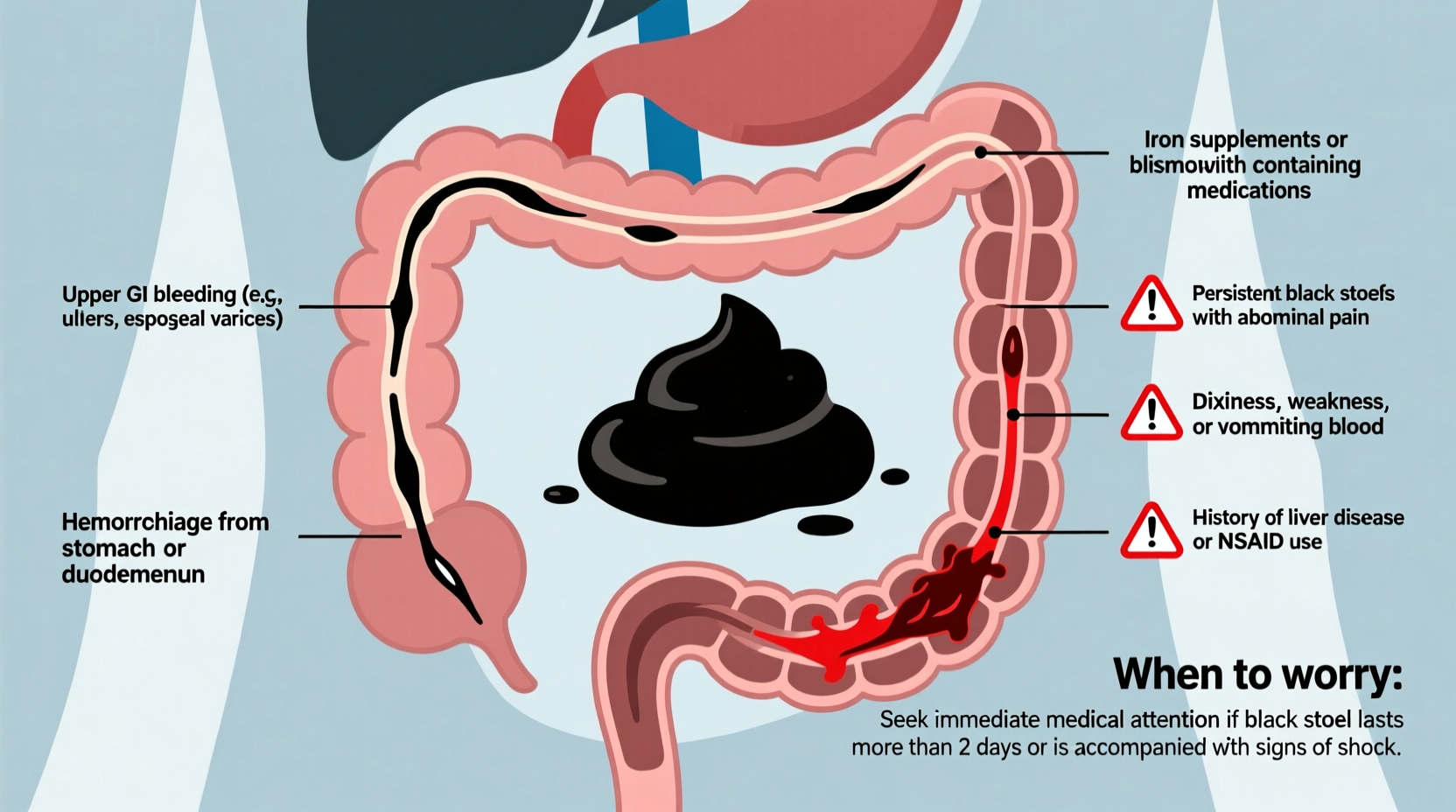
Several everyday factors can turn your stool black. Most are benign and resolve on their own once the trigger is removed.
- Iron supplements: One of the most frequent causes. Iron sulfate, commonly found in prenatal vitamins and anemia treatments, reacts in the gut and produces dark green to black stools.
- Bismuth-containing medications: Products like Pepto-Bismol (bismuth subsalicylate) temporarily turn stool black due to a chemical reaction between bismuth and sulfur in the digestive tract.
- Foods high in dark pigments: Consuming large amounts of blueberries, black licorice, or dark chocolate can influence stool color.
- Activated charcoal: Often used in detox products or after overdoses, charcoal passes through the intestines and results in jet-black stool.
When Black Stool Signals a Medical Problem
While dietary and supplemental causes are common, black, tarry, and sticky stools with a strong unpleasant smell may indicate upper gastrointestinal (GI) bleeding. This occurs when blood from the esophagus, stomach, or small intestine is broken down by digestive enzymes, turning the hemoglobin into a dark, tar-like substance.
Potential sources of upper GI bleeding include:
- Gastric or duodenal ulcers
- Esophageal varices (swollen veins in the esophagus, often in liver disease)
- Mallory-Weiss tears (from severe vomiting)
- Gastritis or erosive damage from NSAIDs (e.g., ibuprofen, aspirin)
- Tumors or malignancies in the upper GI tract
“Melena is a clinical warning sign. When combined with symptoms like dizziness, fatigue, or abdominal pain, it demands immediate investigation.” — Dr. Alan Reyes, Gastroenterologist
Distinguishing Between Benign and Serious Causes
The key difference lies in appearance and associated symptoms:
| Feature | Benign Cause (e.g., iron, food) | Serious Cause (GI bleeding) |
|---|---|---|
| Color | Dark brown to black, may be speckled | Jetsam black, uniform |
| Consistency | Normal or slightly firm | Sticky, tarry,黏稠 (sticky) |
| Odor | Mild, usual stool smell | Foul, unusually pungent |
| Associated Symptoms | None | Fatigue, dizziness, vomiting blood, abdominal pain |
| Duration | Resolves in 1–2 days after stopping trigger | Persists or worsens |
Real-Life Example: A Case of Misdiagnosed Melena
James, a 54-year-old office worker, noticed his stool had turned pitch black over three consecutive mornings. Initially dismissing it as something he ate, he began feeling lightheaded and unusually tired. After vomiting what looked like coffee grounds—a known sign of gastric bleeding—he went to the ER.
Testing revealed a bleeding peptic ulcer caused by long-term use of naproxen for back pain. An endoscopy stopped the bleed, and James was advised to discontinue NSAIDs and take a proton pump inhibitor. His case highlights how easily black stool can be mistaken for a dietary effect, delaying critical treatment.
What You Should Do: Step-by-Step Assessment
If you notice black stool, follow this practical timeline to determine whether medical attention is needed:
- Day 1: Note recent intake – Recall any iron supplements, Pepto-Bismol, activated charcoal, or dark-colored foods consumed in the past 24–72 hours.
- Day 2: Monitor consistency and smell – Is the stool merely dark or truly tarry and foul-smelling? The latter suggests possible bleeding.
- Day 3: Check for symptoms – Look for signs like weakness, shortness of breath, nausea, or abdominal discomfort.
- Day 4: Eliminate suspected triggers – Stop iron or bismuth products if safe to do so and observe changes.
- Day 5: Seek medical evaluation if no improvement – Especially if symptoms persist or worsen. Your doctor may order a fecal occult blood test or endoscopy.
Checklist: When to See a Doctor Immediately
- Stool is black, sticky, and has a strong foul odor
- You feel dizzy, weak, or faint
- Vomiting blood or material that looks like coffee grounds
- Severe abdominal pain or bloating
- History of ulcers, liver disease, or regular NSAID use
- Anemia symptoms (pale skin, fatigue, rapid heartbeat)
Diagnostic Tests Your Doctor May Recommend
To determine the cause of black stool, especially when bleeding is suspected, several tests may be performed:
- Fecal occult blood test (FOBT): Detects hidden blood in stool.
- Complete blood count (CBC): Checks for anemia, which may result from chronic blood loss.
- Endoscopy: A camera-equipped tube examines the upper GI tract to locate and potentially treat bleeding sites.
- Colonoscopy: Used if lower GI bleeding is suspected, though less common with melena.
- Imaging studies: CT scans or capsule endoscopy may be used if the source isn’t found via standard methods.
Frequently Asked Questions
Can dehydration cause black stool?
No, dehydration alone does not cause black stool. However, it can make existing stool darker due to concentration. Dehydration won’t produce the tarry consistency seen in melena, but it may exaggerate color perception.
Is black stool always a sign of cancer?
No. While gastrointestinal cancers can cause bleeding and black stool, they are far from the only cause. Ulcers, gastritis, and medication side effects are much more common. That said, persistent unexplained melena should always be investigated to rule out malignancy.
How long does black stool last after taking iron?
Typically, stool color returns to normal within 2–3 days after stopping iron supplements. If black stool persists beyond this window—especially with other symptoms—consult a healthcare provider.
Conclusion: Don’t Ignore the Signal
Black stool isn’t always dangerous, but it should never be ignored without consideration. Whether it’s a harmless side effect of your morning multivitamin or a symptom of internal bleeding, the right response starts with awareness and timely action. Pay attention to the texture, smell, and accompanying symptoms. When in doubt, seek medical advice—early detection of GI bleeding can prevent complications like severe anemia or shock.




 浙公网安备
33010002000092号
浙公网安备
33010002000092号 浙B2-20120091-4
Comments
No comments yet. Why don't you start the discussion?