
Seeing black mucus when you blow your nose can be alarming. While occasional discoloration may not always signal a serious issue, persistent or recurring black snot should never be ignored. Unlike yellow or green mucus—common during colds or infections—black nasal discharge often points to environmental exposure, infection, or underlying health conditions. Understanding the root causes and knowing when to seek medical help is crucial for maintaining respiratory health.
Common Causes of Black Snot
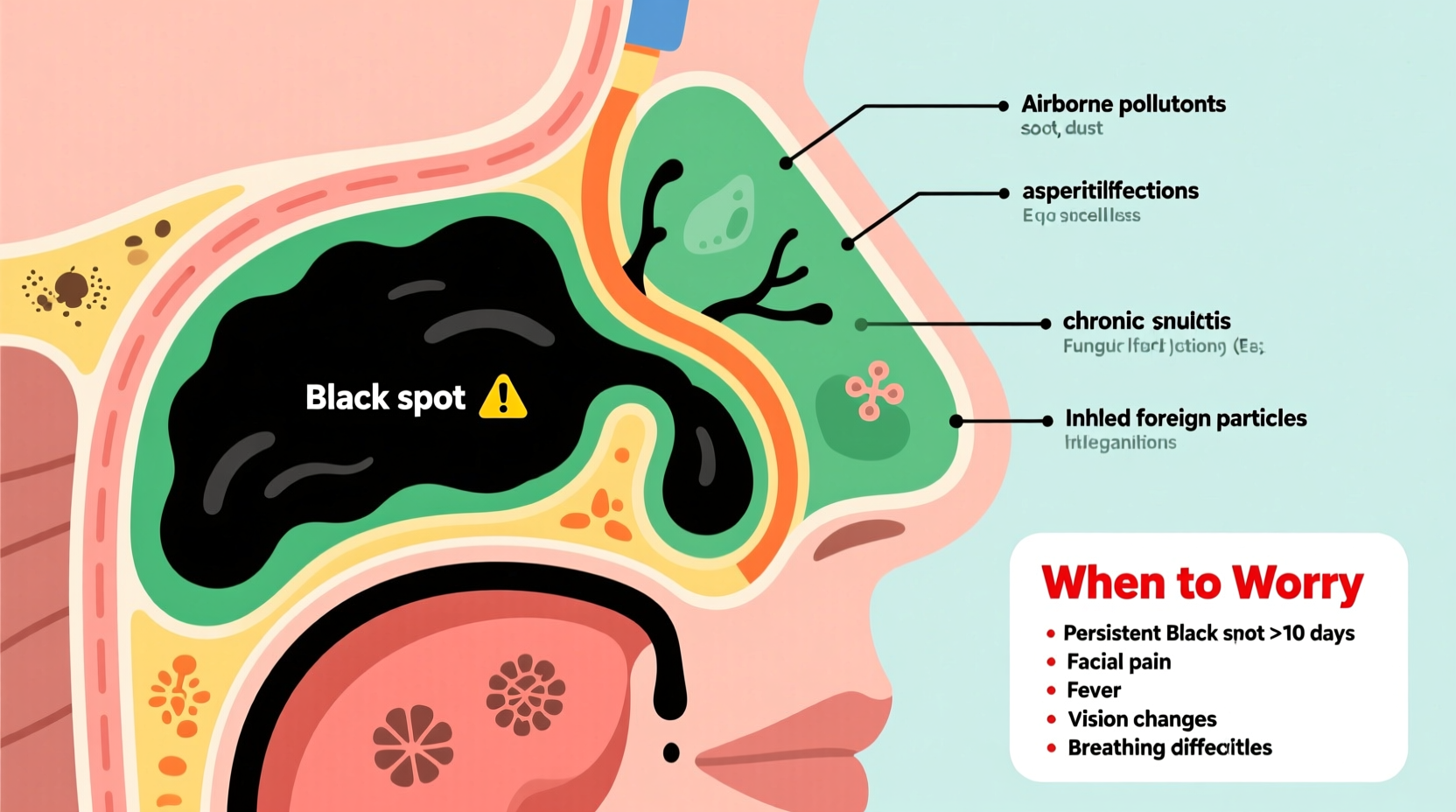
Black nasal discharge typically results from foreign particles entering the nasal passages or internal changes due to illness. The most frequent causes include:
- Environmental pollutants: Exposure to coal dust, soot, smoke, or heavy air pollution can lead to dark mucus. This is especially common in people who work in mining, construction, firefighting, or urban areas with high smog levels.
- Smoking and vaping: Tobacco smoke contains tar and other chemicals that accumulate in the nasal lining. Long-term smokers often report darker-than-normal mucus due to residue buildup.
- Inhaled drugs: Cocaine or methamphetamine use through the nose can introduce contaminants and damage nasal tissue, leading to black or brownish discharge.
- Fungal sinusitis: A rare but serious condition where fungi colonize the sinuses, particularly in individuals with weakened immune systems. One form, known as black fungal sinusitis, produces dark, crumbly discharge.
- Bacterial infections: Certain aggressive bacterial infections can cause necrotic (dead) tissue and discolored secretions, sometimes appearing blackish.
When Is Black Snot a Medical Concern?
Not every instance of black mucus requires emergency care, but certain symptoms indicate a need for prompt evaluation by a healthcare provider. The key is context—how long it’s been present, associated symptoms, and personal risk factors.
Seek medical attention if black snot is accompanied by any of the following:
- Persistent presence beyond a few days without environmental exposure
- Foul odor coming from the nose or mouth
- Nasal pain, swelling, or facial pressure
- Fever, headache, or vision changes
- Nosebleeds or crusty, black scabs inside the nostrils
- Reduced sense of smell or nasal obstruction
“Dark mucus after heavy smoke exposure might be expected, but ongoing black discharge—especially with pain or fever—can signal a fungal or bacterial infection requiring immediate treatment.” — Dr. Lena Torres, Otolaryngologist
Diagnosis and Testing
If you visit a doctor for black nasal discharge, they will likely begin with a detailed history focusing on occupation, smoking habits, drug use, and recent illnesses. A physical exam using a nasal endoscope allows visualization of the nasal cavity and sinuses.
Depending on initial findings, further diagnostic steps may include:
- Nasal swab or culture: To test for bacterial or fungal pathogens.
- CT scan of the sinuses: Provides detailed images to detect blockages, inflammation, or structural abnormalities.
- Blood tests: Especially if immune compromise is suspected (e.g., diabetes, HIV).
- Biopsy: In cases of suspected invasive fungal sinusitis, a tissue sample may be taken.
Early diagnosis is critical, particularly for fungal infections, which can spread rapidly to the eyes, brain, or blood vessels in immunocompromised patients.
Case Study: Construction Worker with Chronic Black Mucus
John, a 47-year-old construction worker, noticed increasing amounts of dark mucus over several weeks. He initially dismissed it as normal due to daily exposure to concrete dust and diesel fumes. However, he began experiencing headaches, reduced smell, and occasional nosebleeds.
After visiting an ENT specialist, a CT scan revealed significant sinus inflammation and debris accumulation. A nasal swab confirmed a secondary bacterial infection. Although no fungus was found, his symptoms were attributed to chronic particulate irritation compounded by poor nasal hygiene.
With prescribed saline irrigation, antibiotics, and workplace recommendations to wear an N95 respirator, John’s symptoms resolved within three weeks. His case highlights how occupational exposure can escalate into clinical issues without preventive measures.
Do’s and Don’ts: Managing Black Nasal Discharge
| Do’s | Don’ts |
|---|---|
| Use saline nasal sprays to flush out irritants | Ignore persistent black mucus lasting more than 3–4 days |
| Wear protective masks in dusty or smoky environments | Use illicit nasal drugs |
| Stay hydrated to thin mucus | Smoke or vape |
| Practice good hand and nasal hygiene | Insert sharp objects into the nose to clean |
| See a doctor if symptoms worsen or persist | Self-treat with over-the-counter decongestants long-term |
Step-by-Step Guide to Immediate Action
If you notice black snot, follow this practical sequence to assess and respond appropriately:
- Assess recent exposures: Did you spend time near fire, smoke, construction sites, or polluted areas? If yes, monitor for improvement over 24–48 hours.
- Stop smoking or vaping: Eliminate potential chemical contributors immediately.
- Begin nasal irrigation: Use a neti pot or saline spray twice daily to flush nasal passages.
- Monitor symptoms: Track changes in color, consistency, smell, and accompanying discomfort.
- Consult a healthcare provider: If black mucus persists beyond 3 days or worsens, schedule an appointment with an ENT or primary care physician.
Frequently Asked Questions
Can allergies cause black snot?
Allergies alone do not typically produce black mucus. They usually result in clear, watery discharge. However, if allergens like mold spores are inhaled in large quantities—especially in damp environments—it may contribute to discoloration when combined with debris or minor bleeding.
Is black snot dangerous in children?
While rare, black mucus in children warrants immediate evaluation. It could indicate foreign body insertion (like crayon or dirt), severe infection, or environmental exposure. Pediatricians emphasize early assessment to rule out serious causes.
Can dehydration cause black snot?
Dehydration thickens mucus but doesn't turn it black. However, dry nasal passages can crack and bleed slightly, mixing blood with trapped particles to create a darker appearance. Staying hydrated supports healthy mucus clearance.
Prevention and Long-Term Care
Preventing black snot largely revolves around minimizing exposure to airborne contaminants and maintaining nasal health. Key strategies include:
- Using high-efficiency particulate air (HEPA) filters at home
- Avoiding smoking and secondhand smoke
- Practicing regular nasal hygiene, especially for those in high-risk jobs
- Scheduling routine checkups if you have chronic sinus issues or a compromised immune system
For individuals with recurrent sinus problems, doctors may recommend daily saline rinses or prescribe preventive medications.
Conclusion
Black snot is not a normal occurrence and should be taken seriously, even if it seems explainable by environment or lifestyle. While temporary exposure to smoke or dust may account for short-term discoloration, ongoing or symptomatic black mucus demands medical investigation. From occupational hazards to rare but life-threatening infections like fungal sinusitis, the causes vary widely in severity. By understanding the triggers, recognizing warning signs, and taking timely action, you can protect your respiratory health and prevent complications.




 浙公网安备
33010002000092号
浙公网安备
33010002000092号 浙B2-20120091-4
Comments
No comments yet. Why don't you start the discussion?