
Bleeding after ovulation can be alarming, especially for individuals trying to conceive or tracking their menstrual cycles closely. While light spotting during this phase is often harmless, it can sometimes signal an underlying condition that requires attention. Understanding the possible causes—ranging from implantation bleeding to hormonal imbalances—and knowing how to respond appropriately empowers you to make informed decisions about your reproductive health.
Understanding the Menstrual Cycle and Ovulation Timing
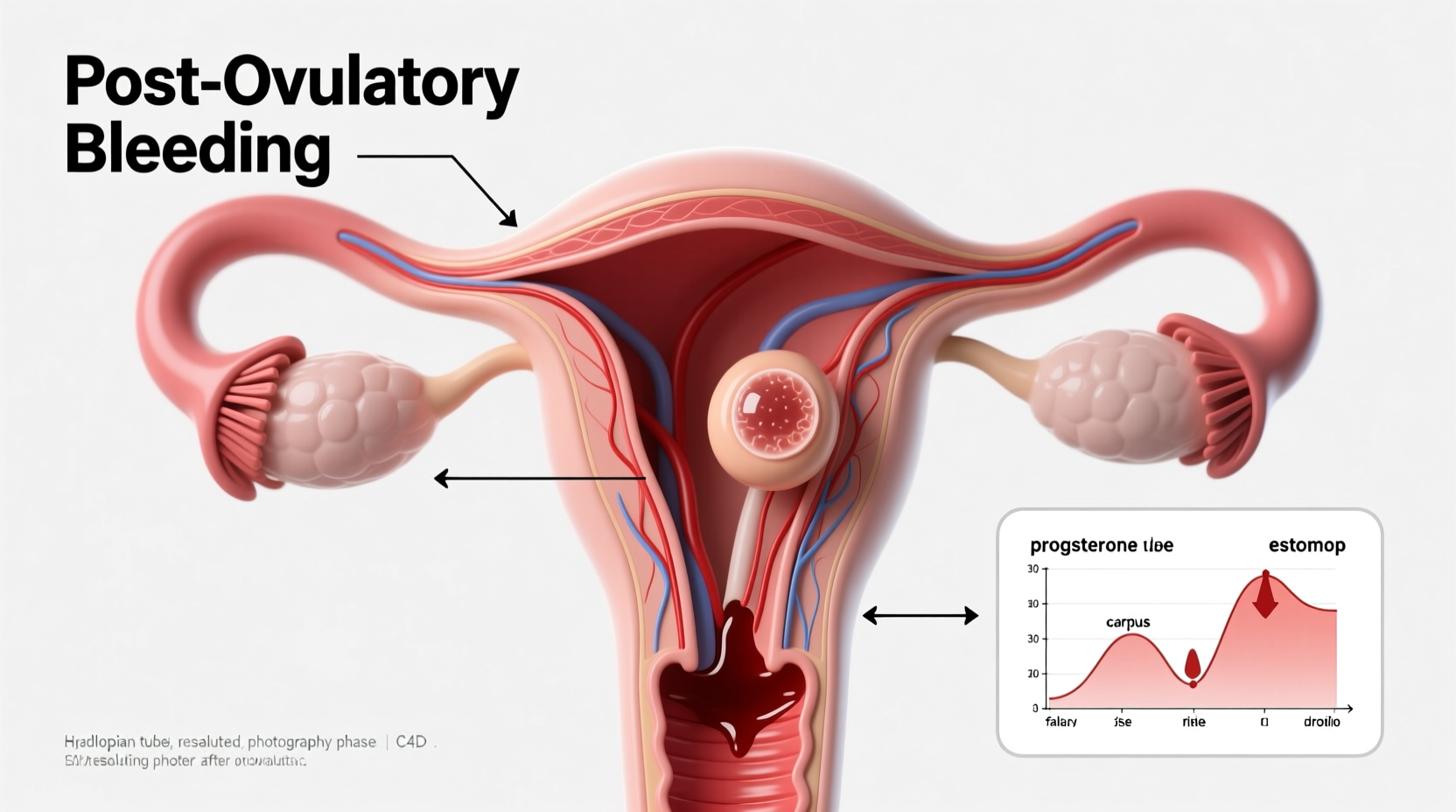
Ovulation typically occurs around day 14 of a 28-day cycle, though this varies between individuals. During ovulation, a mature egg is released from the ovary and travels down the fallopian tube, where it may be fertilized by sperm. The remnants of the follicle transform into the corpus luteum, which produces progesterone to prepare the uterine lining for potential implantation.
Bleeding that occurs 6 to 12 days after ovulation falls outside the expected window of menstruation and warrants closer examination. This post-ovulatory bleeding is not part of the regular period and should not be dismissed without consideration of its origin.
Common Causes of Bleeding After Ovulation
Several physiological and medical factors can lead to spotting or light bleeding after ovulation. Some are benign; others require clinical evaluation.
1. Implantation Bleeding
One of the most discussed causes is implantation bleeding, which happens when a fertilized egg attaches to the uterine lining. This process can disrupt small blood vessels, resulting in light spotting. It usually appears as pinkish or brown discharge and lasts no more than 1–2 days. It often coincides with a slight dip in basal body temperature followed by a sustained rise.
2. Hormonal Fluctuations
A temporary drop in estrogen levels just after ovulation can cause breakthrough bleeding. This occurs because estrogen supports the endometrial lining, and even a brief decline can lead to partial shedding. Progesterone levels should stabilize soon after, halting the bleeding.
3. Luteal Phase Defect (LPD)
Luteal phase defect refers to insufficient progesterone production or poor endometrial response, leading to a shortened luteal phase (less than 10 days). This can result in early spotting before the expected period and may affect fertility by making it difficult for an embryo to implant and remain viable.
4. Cervical Irritation
Increased cervical sensitivity during ovulation or shortly after—especially following intercourse or a gynecological exam—can cause minor bleeding. This type of spotting is typically bright red and short-lived.
5. Infections or Structural Issues
Less commonly, post-ovulatory bleeding may stem from infections like cervicitis or conditions such as polyps, fibroids, or endometriosis. These often come with additional symptoms like pelvic pain, irregular cycles, or heavy periods.
“Not all bleeding mid-cycle is cause for concern, but recurrent or symptomatic spotting should prompt a conversation with your healthcare provider.” — Dr. Lena Patel, OB-GYN Specialist
How to Identify the Cause: Key Signs and Symptoms
Distinguishing between types of bleeding involves observing timing, color, duration, and accompanying symptoms.
| Cause | Timing After Ovulation | Bleeding Characteristics | Associated Symptoms |
|---|---|---|---|
| Implantation Bleeding | 6–12 days | Light pink/brown, minimal flow, lasts 1–2 days | Mild cramping, no clots |
| Hormonal Dip | 1–3 days after ovulation | Spotting, often resolves quickly | None or mild mood changes |
| Luteal Phase Defect | Occurs regularly 7–9 days after ovulation | Light bleeding progressing to period | Short luteal phase, difficulty conceiving |
| Cervical Irritation | Shortly after intercourse or exam | Bright red, brief | Pain during sex, visible on speculum |
| Infection/Polyps | Irregular timing | Variable flow, sometimes foul odor | Pelvic pain, abnormal discharge, fever |
What You Should Do: A Step-by-Step Guide
If you experience bleeding after ovulation, follow these steps to assess and address the situation effectively.
- Record the details: Note the date, color, amount, and duration of bleeding. Include any associated symptoms like cramps, fatigue, or breast tenderness.
- Take a pregnancy test if applicable: If implantation bleeding is suspected, wait at least 10–12 days after ovulation before testing. Early tests may yield false negatives.
- Review your cycle history: Look for patterns across multiple cycles. Recurrent luteal-phase spotting may indicate hormonal imbalance.
- Monitor for red flags: Seek medical advice if bleeding is heavy, prolonged, painful, or accompanied by fever, dizziness, or unusual discharge.
- Schedule a consultation: Discuss findings with your doctor. They may recommend blood work (progesterone, hCG), ultrasound, or a Pap smear depending on suspicion.
Checklist: When to See a Doctor
- ✔ Bleeding occurs regularly in the luteal phase
- ✔ You’re trying to conceive without success for 6+ months (if over 35) or 12+ months (if under 35)
- ✔ Spotting is accompanied by severe pain or fever
- ✔ Bleeding becomes heavier or lasts longer than two days
- ✔ You have a history of fibroids, PCOS, or endometriosis
Real-Life Example: Sarah’s Experience
Sarah, a 32-year-old woman tracking her fertility, noticed light brown spotting exactly eight days after detecting her ovulation surge via LH tests. She had been trying to conceive for seven months. Initially concerned, she recorded the event and waited. Two days later, her period didn’t start, and a home pregnancy test came back positive. Her doctor confirmed that the spotting was consistent with implantation and reassured her that early bleeding doesn’t necessarily indicate complications. By tracking diligently, Sarah recognized the pattern and avoided unnecessary stress.
Frequently Asked Questions
Can you bleed after ovulation and still be pregnant?
Yes. Implantation bleeding is a common early sign of pregnancy. Many women experience light spotting around the time of expected implantation and go on to have healthy pregnancies. Other early pregnancy symptoms like breast tenderness, fatigue, and nausea may follow within days.
Is bleeding after ovulation normal?
Occasional light spotting can be normal and tied to hormonal shifts or implantation. However, frequent or heavy bleeding during the luteal phase is not typical and should be evaluated, particularly if you're experiencing infertility or discomfort.
How soon after ovulation can implantation occur?
Implantation typically occurs 6 to 10 days after ovulation, with day 9 being average. Bleeding related to implantation usually follows within 1–2 days of attachment and is much lighter than a menstrual period.
Conclusion: Take Charge of Your Reproductive Health
Bleeding after ovulation isn't always a cause for alarm, but it shouldn’t be ignored either. Whether it's a subtle sign of early pregnancy or a clue pointing to a hormonal imbalance, paying attention to your body’s signals is essential. With careful tracking, symptom awareness, and timely medical input, you can navigate these occurrences confidently. Don’t hesitate to reach out to a healthcare provider if something feels off—early assessment can make a significant difference in both diagnosis and peace of mind.




 浙公网安备
33010002000092号
浙公网安备
33010002000092号 浙B2-20120091-4
Comments
No comments yet. Why don't you start the discussion?