
Many people who take hormonal birth control experience unexpected bleeding at some point. Often referred to as breakthrough bleeding or “spotting,” this phenomenon is common—especially during the first few months of starting a new pill regimen. While usually not dangerous, it can be confusing, inconvenient, and sometimes a sign that your body is reacting to hormonal changes in a way worth addressing.
This guide explores the science behind bleeding while on the pill, identifies key causes, and provides practical steps to manage or prevent it. Whether you're newly started on contraception or have been taking it for years, understanding what’s normal—and what isn’t—can help you feel more in control of your reproductive health.
Why Breakthrough Bleeding Happens
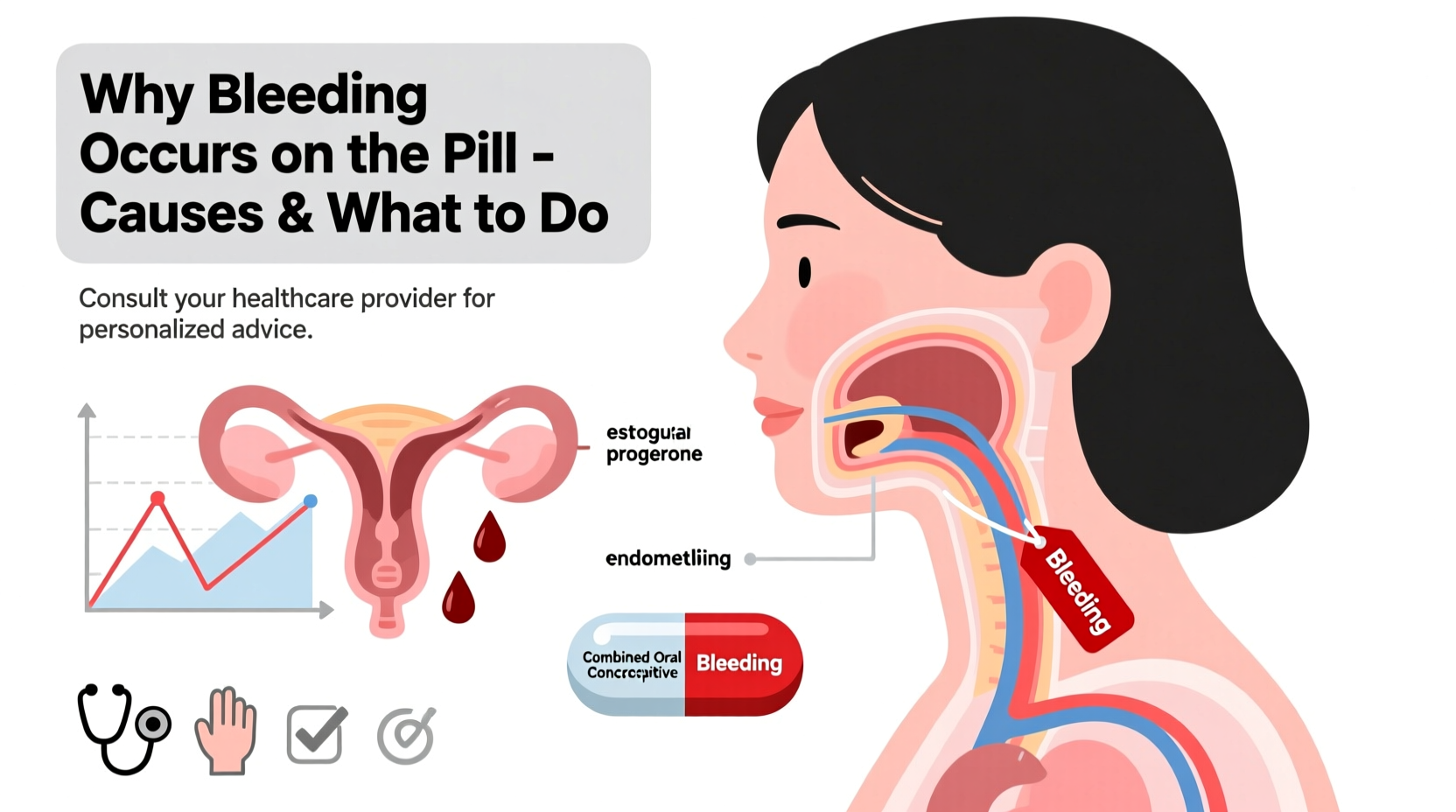
Hormonal birth control works by regulating your menstrual cycle using synthetic estrogen and progestin (or progestin-only in some cases). These hormones suppress ovulation, thicken cervical mucus, and thin the lining of the uterus. When the uterine lining becomes too thin, it may shed irregularly, leading to spotting between periods.
Breakthrough bleeding most commonly occurs:
- In the first 3–6 months after starting a new pill
- When switching brands or formulations
- After missing a dose or taking pills inconsistently
- Due to interactions with other medications
- During times of high stress, illness, or significant weight change
The body needs time to adjust to new hormone levels. During this adaptation phase, the endometrium may become unstable, resulting in light bleeding that typically resolves on its own.
Common Causes and Risk Factors
Not all breakthrough bleeding is the same. The underlying cause determines whether it's likely to resolve on its own or require medical attention.
1. Hormonal Imbalance
Pills with low estrogen content are more likely to cause spotting because they thin the uterine lining significantly. Progestin-only pills (“mini-pills”) carry a higher risk of irregular bleeding due to their lack of estrogen stabilization.
2. Missed or Late Pills
Even a delay of several hours with progestin-only pills can disrupt hormone balance and trigger bleeding. Combined pills are more forgiving but still sensitive to inconsistent timing.
3. Medication Interactions
Some drugs reduce the effectiveness of oral contraceptives by accelerating hormone metabolism. These include:
- Antibiotics like rifampin (not common antibiotics like amoxicillin)
- Anticonvulsants (e.g., carbamazepine, phenytoin)
- St. John’s Wort (an herbal supplement)
- Certain HIV and antifungal medications
4. Gastrointestinal Issues
Vomiting or severe diarrhea within 3–4 hours of taking a pill may prevent full absorption, increasing the chance of breakthrough bleeding and unintended pregnancy.
5. Underlying Medical Conditions
While rare, conditions such as polyps, fibroids, infections (like chlamydia or gonorrhea), or thyroid disorders can mimic or worsen breakthrough bleeding.
“About one-third of women on low-dose oral contraceptives experience some form of unscheduled bleeding in the first quarter of use. Most adapt over time.” — Dr. Lena Patel, OB-GYN and Reproductive Health Specialist
When to Be Concerned: Red Flags
Most breakthrough bleeding is harmless and temporary. However, certain symptoms warrant prompt medical evaluation.
| Symptom | What It Might Indicate | Action Step |
|---|---|---|
| Bleeding lasts longer than 7 days or recurs frequently after 6 months | Poor hormonal fit or underlying condition | Consult provider about adjusting dosage or formulation |
| Heavy bleeding requiring pads/tampons hourly | Abnormal uterine bleeding or clotting issue | Seek urgent care |
| Bleeding accompanied by pelvic pain or fever | Pelvic inflammatory disease (PID) or infection | Immediate medical assessment |
| Foul-smelling discharge with bleeding | Sexually transmitted infection or bacterial imbalance | Testing for STIs recommended |
| New bleeding after being stable for over a year | Change in health status, medication, or contraceptive efficacy | Review recent changes with your doctor |
Step-by-Step Guide to Managing Breakthrough Bleeding
If you're experiencing spotting while on the pill, follow these evidence-based steps to assess and address the situation:
- Confirm adherence: Review your pill-taking habits. Have you missed any doses or taken them late? Inconsistent use is the most common cause.
- Check for drug interactions: Review all medications and supplements you’re currently taking. Look up potential interactions with your specific pill formulation.
- Monitor the pattern: Record start and end dates, flow intensity, and associated symptoms. Use a period-tracking app or paper log.
- Evaluate lifestyle factors: Consider recent stress, travel, sleep disruption, or weight fluctuations that could affect your cycle.
- Wait it out (if early in use): If you’ve been on the pill less than six months, give your body more time to adjust—unless red flags appear.
- Contact your provider: If bleeding persists beyond three cycles or worsens, schedule an appointment. Your provider may suggest a blood test, STI screening, or ultrasound.
- Discuss reformulation: You might benefit from a different estrogen dose, progestin type, or alternative delivery method (patch, ring, IUD).
Mini Case Study: Sarah’s Experience
Sarah, 24, started a new low-dose combined pill to manage acne and prevent pregnancy. Within the first month, she noticed light brown spotting mid-cycle. It lasted three days and returned in the second pack. Worried, she almost stopped the medication.
After consulting her nurse practitioner, Sarah learned that her symptoms were typical of early adjustment. She was advised to continue taking the pill at the same time daily and track further episodes. By the third month, the spotting had stopped completely. Her provider noted that switching too soon would have disrupted progress—patience was key.
Sarah now uses a daily alarm to take her pill and logs her cycle monthly. She credits consistent habits and informed decision-making for her improved experience.
Tips for Reducing the Risk of Spotting
- Use a backup reminder system: phone alarms, pill organizers, or apps like Clue or Flo.
- Avoid known interacting substances unless approved by your doctor.
- Stay hydrated and manage stress through mindfulness or exercise—both support hormonal stability.
- Don’t skip placebo pills or extend packs without medical guidance; doing so can increase breakthrough bleeding risk.
FAQ
Is breakthrough bleeding a sign the pill isn’t working?
No. Light spotting does not mean your contraception has failed. As long as you’re taking the pill correctly, protection remains high. However, if you’ve missed pills or had vomiting/diarrhea, consider using backup contraception (like condoms) for seven days.
Can I switch pills if I keep bleeding?
Yes. If breakthrough bleeding persists beyond three to six months, your provider may recommend switching to a formulation with slightly higher estrogen or a different progestin. Never switch without medical advice, as each hormone profile affects individuals differently.
Does breakthrough bleeding mean I’m pregnant?
It’s unlikely if you’re taking the pill consistently. However, implantation bleeding can resemble spotting. If you miss a period, experience nausea, or have concerns, take a pregnancy test to rule it out—especially if you’ve missed doses.
Conclusion
Bleeding on the pill is a common experience, especially during the first few months of use. While often nothing to worry about, understanding the causes and knowing when to seek help ensures you stay informed and in control. With consistent pill-taking, awareness of risk factors, and open communication with your healthcare provider, most cases of breakthrough bleeding can be managed effectively—or prevented altogether.




 浙公网安备
33010002000092号
浙公网安备
33010002000092号 浙B2-20120091-4
Comments
No comments yet. Why don't you start the discussion?