
For motorcyclists, staying connected while riding has become more than a convenience—it’s a functional necessity. Whether it's taking hands-free calls, receiving GPS directions, or listening to music, Bluetooth-enabled gear makes the ride smoother. But as technology evolves, so do the options. One emerging trend is Bluetooth riding glasses, marketed as lightweight, stylish, and discreet alternatives to traditional Bluetooth helmets. But how do they stack up in terms of safety, functionality, and practicality? And can they truly replace a full Bluetooth helmet?
Safety First: The Role of Head Protection
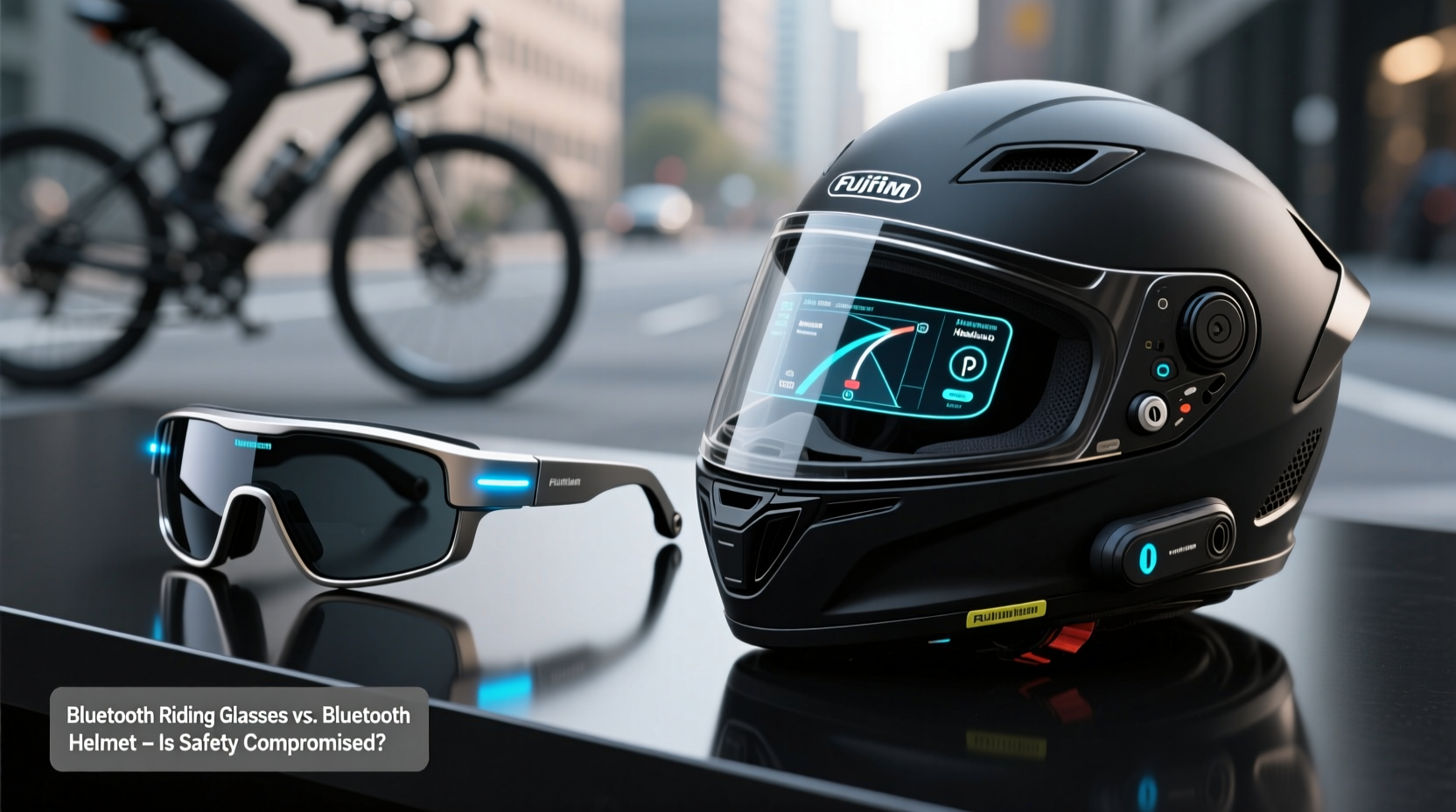
The primary purpose of any headgear on a motorcycle is protection. Helmets are engineered to absorb impact, reduce rotational forces, and shield the rider from debris, wind, and weather. They undergo rigorous testing to meet safety standards such as DOT, ECE, or Snell. Bluetooth helmets integrate communication systems without compromising structural integrity.
Bluetooth riding glasses, on the other hand, offer zero impact protection. They are not designed to be worn in place of a helmet but rather as an addition—typically used with open-face helmets, motocross gear, or modular setups where eyewear is already part of the ensemble. While they may provide UV protection and wind resistance, they contribute nothing to crash safety.
“Any device that replaces or compromises head protection is inherently unsafe. Riders must never confuse convenience with safety.” — Dr. Lena Reyes, Trauma Specialist & Motorcycle Safety Advocate
Functional Comparison: Glasses vs Helmet Systems
When comparing Bluetooth glasses and helmets, functionality extends beyond audio quality. It includes connectivity, battery life, environmental resilience, and ease of use while riding.
| Feature | Bluetooth Riding Glasses | Bluetooth Helmet |
|---|---|---|
| Audio Quality | Moderate; speakers near ears but lack bass and volume control | Superior; embedded speakers with noise isolation and balanced output |
| Battery Life | 2–4 hours typical | 8–20 hours depending on model |
| Weather Resistance | Limited; sensitive to rain and extreme heat | High; sealed units designed for all conditions |
| Wind Noise Handling | Poor; external placement increases interference | Good; integrated mics with wind noise reduction algorithms |
| Installation & Fit | Easy; resembles regular sunglasses | Requires proper fit; may need professional setup |
| Safety Contribution | None | Full head protection + communication |
The data shows a clear trade-off: glasses prioritize portability and aesthetics over performance and durability. Helmets, while bulkier, deliver a complete package where safety and function coexist.
Real-World Use Case: Commuter vs Touring Rider
Consider two riders: Jake, a daily commuter in urban traffic, and Maria, a weekend touring enthusiast who rides long distances across state lines.
Jake uses Bluetooth glasses with his open-face helmet. He appreciates the light weight and quick access to navigation cues during stop-and-go traffic. However, on longer rides, he finds the audio cuts out frequently due to weak speaker output and wind interference. His glasses also fog up in humidity and require frequent recharging.
Maria invested in a premium Bluetooth helmet. Though heavier, it provides crystal-clear intercom communication with her riding partner, reliable GPS voice prompts, and seamless phone integration. On a recent 500-mile trip, she completed the journey without a single connectivity issue, even in heavy rain.
This contrast illustrates a key insight: Bluetooth glasses work best for short, low-speed commutes in favorable conditions. For serious riding, especially at highway speeds or in variable weather, a dedicated Bluetooth helmet remains the superior choice.
Expert Features and Hidden Risks of Bluetooth Glasses
Manufacturers promote features like bone conduction audio, touch controls on the temple, and built-in microphones. Some models even include heads-up displays (HUDs) for speed or turn-by-turn directions. These innovations sound futuristic, but they come with drawbacks.
- Distracted focus: Visual HUDs can divert attention from the road, increasing cognitive load.
- Poor situational awareness: Bone conduction may muffle ambient sounds like sirens or horns.
- Fragility: Thin frames and exposed electronics are prone to damage from drops or impacts.
- Fit issues: Not all glasses stay secure at high speeds, especially with airflow lifting them off the face.
Additionally, regulatory concerns exist. In some jurisdictions, wearing devices that project information into the rider’s field of vision may violate distracted driving laws—even if the rider isn’t technically “looking down” at a screen.
Checklist: Is Bluetooth Riding Gear Right for You?
- Do you always wear a certified helmet regardless of eyewear?
- Are your rides typically under 1 hour and in stable weather?
- Do you need only basic audio cues (e.g., turn alerts, brief calls)?
- Can you afford to recharge mid-day or carry backup power?
- Are you avoiding any device that obstructs peripheral vision?
If you answered “no” to any of these, a Bluetooth helmet is likely the safer, more reliable option.
Step-by-Step Guide to Choosing Your Bluetooth Riding Setup
- Evaluate your riding style: Frequent long-distance tours demand robust systems. Occasional city rides may allow lighter solutions.
- Verify helmet compatibility: If using glasses, ensure they fit securely with your helmet type (open-face, modular, etc.).
- Test audio clarity: Try the device in windy conditions. Can you hear navigation prompts clearly?
- Assess battery needs: Calculate average ride duration. Choose a system with at least 25% more battery than required.
- Check safety certifications: Ensure your helmet meets DOT/ECE standards. Confirm glasses don’t interfere with visor closure or strap fit.
- Read user reviews: Focus on feedback about reliability, microphone performance, and long-term durability.
- Consult a dealer: Many shops offer demo units. Test before investing.
Frequently Asked Questions
Can I use Bluetooth glasses with a full-face helmet?
Technically yes, but it’s often uncomfortable and unnecessary. Full-face helmets already include eye protection, making glasses redundant. Moreover, most Bluetooth glasses aren’t designed to fit under helmet padding, which can cause pressure points and poor audio alignment.
Are Bluetooth glasses legal to use while riding?
In most regions, using Bluetooth glasses isn’t explicitly illegal—as long as they don’t display visual information that distracts the rider. However, laws vary by state and country. Some areas prohibit any form of augmented reality display while operating a vehicle. Always check local regulations.
Do Bluetooth helmets drain my phone battery quickly?
Modern Bluetooth systems are energy-efficient. A typical connection consumes similar power to wireless headphones. Most riders report minimal impact on smartphone battery life during a full day of riding, especially when using power-saving modes.
Final Verdict: Convenience vs Responsibility
Bluetooth riding glasses serve a niche: urban commuters seeking minimalism and discretion. They offer a glimpse into the future of wearable tech—but that future isn’t here yet for motorcycling. When safety, audio reliability, and environmental resilience matter, Bluetooth helmets remain unmatched.
No innovation justifies compromising head protection. Glasses should never be viewed as a replacement for helmets, nor should their convenience overshadow their limitations. Technology should enhance riding, not endanger it.




 浙公网安备
33010002000092号
浙公网安备
33010002000092号 浙B2-20120091-4
Comments
No comments yet. Why don't you start the discussion?