
Boiling a potato seems simple—drop it in water, wait, and it’s done. Yet many home cooks end up with mushy lumps or stubbornly firm centers. The difference between a perfectly tender potato and a kitchen disaster often comes down to one overlooked factor: understanding how long to boil a potato based on variety, size, and preparation. This guide breaks down the science and practical variables behind potato boiling times, equipping you with the knowledge to consistently achieve ideal results whether mashing, roasting, or making potato salad.
Potatoes are among the most versatile and widely consumed vegetables globally, serving as the backbone of countless dishes from shepherd’s pie to gnocchi. But their high starch content and dense cellular structure mean they don’t cook uniformly without careful attention. Boiling is the most common method used to soften them before further cooking or serving, yet timing varies dramatically depending on context. Knowing the correct boiling duration ensures optimal texture, flavor absorption, and culinary performance in your final dish.
Definition & Overview
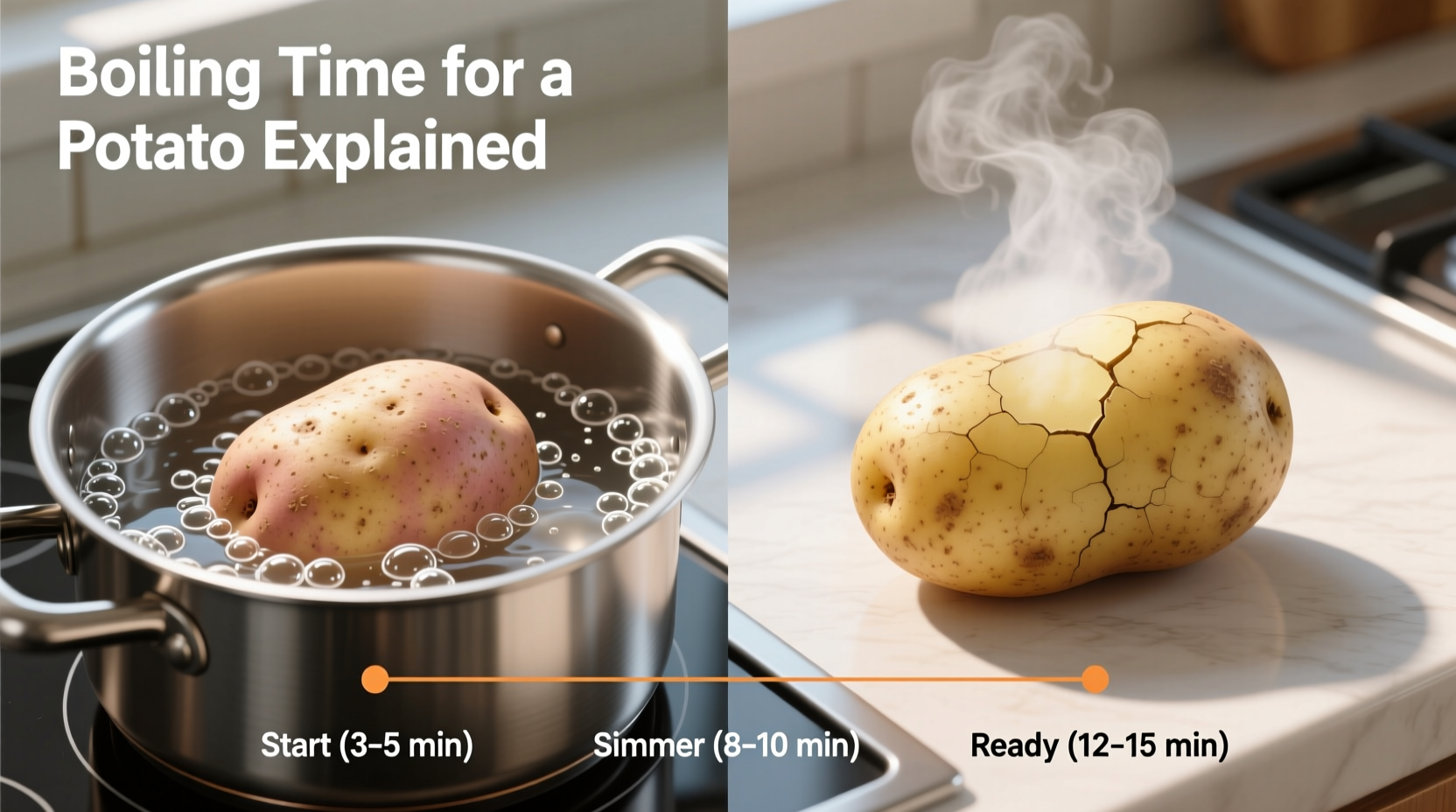
The term \"boiling a potato\" refers to submerging raw potatoes in hot water at or near 100°C (212°F) to break down starches and soften the flesh through gelatinization. While the process appears rudimentary, it involves complex physical changes: heat causes cell walls to rupture, starch granules absorb water and swell, and pectin—the natural glue holding cells together—dissolves, leading to tenderness.
Potatoes (Solanum tuberosum) are starchy tubers native to the Andes but now cultivated worldwide. They fall into three primary categories based on starch content: waxy, all-purpose, and starchy. Each behaves differently when boiled, influencing both cooking time and final application. Waxy potatoes hold their shape well, making them ideal for salads; starchy ones disintegrate more easily, excelling in mashed preparations; all-purpose varieties strike a balance suitable for multiple uses.
Boiling is not merely about softening—it also affects nutrient retention, color stability, and flavor development. Overboiling can leach vitamins like vitamin C and B6 into the water, while undercooking leaves an unpleasant crunch. Mastering this foundational technique elevates everything from weeknight sides to gourmet plating.
Key Characteristics Affecting Boil Time
Several intrinsic and extrinsic factors determine how long a potato needs to boil. These include:
- Potato variety: Starch level directly impacts texture and cooking speed.
- Cut size: Whole, halved, cubed, or sliced potatoes cook at different rates.
- Starting temperature: Cold-stored potatoes may take slightly longer than room-temperature ones.
- Water-to-potato ratio: Too little water slows heating and creates uneven cooking.
- Altitude: At higher elevations, water boils below 100°C, extending cooking times.
- Added salt: Salting water raises the boiling point marginally and seasons throughout.
| Factor | Effect on Boiling Time | Practical Implication |
|---|---|---|
| Starchy Potatoes (e.g., Russet) | Slightly faster breakdown | Best for mashing; prone to falling apart if overcooked |
| Waxy Potatoes (e.g., Red Bliss) | Longer structural integrity | Ideal for salads; require full boil time to soften internally |
| Cubed (1-inch pieces) | 8–12 minutes | Even cooking; ready for roasting or mashing |
| Halved or Quartered | 15–20 minutes | Balances surface exposure and core penetration |
| Whole Medium Potato (~200g) | 25–30 minutes | Preserves nutrients; prevents waterlogging |
| High Altitude (>3,000 ft) | +20% to +30% time | Adjust expectations; use lid to maintain heat |
Practical Usage: How to Boil Potatoes Correctly
To achieve consistent results, follow a structured approach tailored to your intended use. Here’s a step-by-step method applicable across varieties:
- Choose the right type: Match potato variety to dish. Use russets for fluffy mash, Yukon Golds for creamy textures, red or fingerling potatoes for salads.
- Wash thoroughly: Scrub skins under running water to remove dirt, especially if leaving peels on.
- Pre-cut uniformly: Cut into even sizes so all pieces finish cooking simultaneously. Irregular chunks lead to some being mushy while others remain hard.
- Start in cold, salted water: Place potatoes in a pot and cover with cold water by 1 inch. Add 1 tablespoon of kosher salt per quart of water. Starting cold ensures even heat penetration.
- Bring to a boil, then reduce: Heat uncovered until boiling, then lower to a steady simmer. Rapid boiling can cause outer layers to break apart prematurely.
- Test early and often: Begin checking doneness 2–3 minutes before expected finish time using a fork or skewer. It should slide in with no resistance.
- Drain immediately: Once cooked, drain in a colander. For salads, rinse briefly with cold water to stop cooking and preserve firmness. For mashing or roasting, let steam dry slightly to avoid watery results.
Pro Tip: To enhance flavor and prevent disintegration, add aromatics to the boiling water—such as garlic cloves, bay leaves, or black peppercorns. Avoid acidic ingredients like vinegar or lemon juice during boiling, as they stabilize pectin and inhibit softening.
Application Examples by Dish Type
Mashed Potatoes: Use starchy russets or creamy Yukon Golds. Peel and cube into 1.5-inch pieces. Simmer 12–15 minutes until very soft. Drain well and return to warm pot to evaporate excess moisture before adding butter and warm milk. Overcooking is less risky here since texture will be smoothed out.
Potato Salad: Opt for waxy red, new, or fingerling potatoes. Boil whole or halved for 20–25 minutes (depending on size), then cool slightly before slicing. This preserves shape and gives a pleasantly firm bite. Rinsing after draining helps remove surface starch that could make the salad gummy.
Roasted Potatoes: Parboil first to ensure crisp exteriors and tender interiors. Cube and boil 8–10 minutes until edges begin to fluff. Drain, shake gently in the colander to roughen surfaces, then coat with oil and roast at 425°F (220°C). The pre-boil step creates micro-fractures that maximize crispiness.
Variants & Types: Matching Variety to Cooking Time
Not all potatoes are interchangeable. Their internal composition dictates how they respond to boiling. Understanding these differences allows precise control over outcome.
1. Starchy Potatoes (Russet, Idaho)
High in amylose starch, these absorb more water and break down readily. They typically require shorter boiling times due to porous structure—about 15–20 minutes when cubed. Ideal for purees, gnocchi, or baked applications where fluffiness is desired. However, they fall apart easily in soups or salads unless carefully monitored.
2. All-Purpose Potatoes (Yukon Gold, Charlotte)
With moderate starch and higher moisture, Yukon Golds offer a buttery flavor and creamy consistency. They hold shape better than russets but still soften fully—usually in 15–18 minutes when cut. Excellent for gratins, soups, and general boiling tasks where balance is key.
3. Waxy Potatoes (Red Bliss, Fingerling, New Potatoes)
Low starch, high sugar, and tight cell structure make these resistant to breaking. They take longer to cook through—up to 25 minutes when whole—because heat penetrates slowly. Their resilience makes them perfect for cold salads, stews, and pickling, where maintaining distinct pieces matters.
| Type | Texture When Boiled | Best Use | Avg. Boil Time (Cubed) |
|---|---|---|---|
| Russet | Falls apart easily | Mashed, baked | 12–15 min |
| Yukon Gold | Creamy, holds shape | All-purpose | 14–17 min |
| Red Bliss | Firm, smooth | Salads, roasting | 16–20 min |
| Fingerling | Dense, chewy | Roasting, grilling | 18–22 min |
Comparison with Similar Ingredients
Potatoes are sometimes confused with other root vegetables, especially when boiled. While techniques overlap, outcomes differ significantly.
- Sweet Potatoes: Higher sugar content leads to caramelization rather than starch gelatinization. They generally take longer to boil—20–25 minutes for cubes—due to denser flesh. Texture is softer and sweeter, unsuitable as direct substitutes in savory potato dishes.
- Turnips: More fibrous and pungent, turnips cook in similar time (15–20 min) but release bitterness if overboiled. Often parboiled and drained to reduce sharpness before finishing.
- Carrots: Dense and low-moisture, carrots need 10–15 minutes when sliced thin but up to 25 minutes whole. Unlike potatoes, they retain firmness and don’t become fluffy.
“Many chefs fail not because they lack skill, but because they treat all potatoes the same. A russet won’t survive a potato salad, and a red potato won’t give you cloud-like mash. Know your tuber.” — Chef Elena Martinez, Culinary Instructor, San Francisco Cooking Academy
Practical Tips & FAQs
How do I know when a boiled potato is done?
Insert a thin knife or skewer into the center of the largest piece. If it slides in effortlessly with no resistance, the potato is fully cooked. For salads, aim for slight resistance (“al dente”); for mashing, zero resistance is ideal.
Should I peel before or after boiling?
Peel after boiling if you want to preserve nutrients and prevent waterlogging. The skin acts as a barrier during cooking. However, peeling beforehand allows seasoning to penetrate deeper, especially useful for mashed potatoes.
Can I over-boil potatoes?
Yes. Overboiling causes excessive water absorption and structural collapse. Starchy types may turn into sludge, while waxy ones develop a grainy texture. Always monitor closely past the 15-minute mark.
Why did my boiled potatoes turn gray or black?
This is usually due to oxidation or reaction with metal pots. High-iron water or aluminum cookware can cause discoloration. To prevent this, use stainless steel pots and add a splash of lemon juice or vinegar to the water—but only after cooking if you’re planning to mash.
Can I boil frozen potatoes?
Yes, but adjust time accordingly. Frozen diced potatoes take 8–12 minutes longer than fresh due to ice crystals slowing heat transfer. Never freeze whole raw potatoes—they degrade in texture. Blanch first, then freeze for best results.
Do I need to salt the water?
Yes. Salting enhances flavor from within and improves mouthfeel. Use about 1–2% salinity (10–20 grams per liter). Undersalted water yields bland potatoes regardless of seasoning afterward.
How long do boiled potatoes last in the fridge?
Properly cooled and stored in an airtight container, boiled potatoes keep 3–5 days. Do not leave at room temperature more than 2 hours to avoid bacterial growth. For potato salad, consume within 3 days.
Storage Tip: Cool boiled potatoes quickly by spreading them on a tray before refrigerating. Clumped hot potatoes trap steam, promoting sogginess and spoilage.
What are common mistakes when boiling potatoes?
- Starting in boiling water: Causes uneven cooking—outsides soften too fast while centers stay hard.
- Using a lid constantly: Traps steam and increases pressure slightly, raising boiling point but risking overflow. Remove lid once boiling begins.
- Adding potatoes to small amounts of water: Leads to lukewarm conditions and inconsistent heat distribution.
- Not cutting evenly: Results in some pieces overcooking while others remain underdone.
- Skipping the taste test: Relying solely on timers ignores real-time variables like stove output and potato density.
Summary & Key Takeaways
Boiling a potato successfully hinges on understanding its variety, cut size, and intended use. There is no universal “15-minute rule”—timing must be adjusted based on context. Starchy potatoes cook faster and break down more readily, making them ideal for mashing. Waxy types resist disintegration and require longer exposure for full tenderness, excelling in salads. All-purpose potatoes offer versatility across applications.
Always start with cold, salted water and cut potatoes uniformly. Test for doneness early using a skewer. Adjust for altitude and avoid acidic additives during cooking. Cooling methods post-boil depend on the next step: rapid chilling for salads, slight drying for roasting or mashing.
Mastering this fundamental technique unlocks superior results in countless recipes. Whether preparing a humble side or building a complex dish, precise boiling ensures texture, flavor, and professional-quality outcomes. Treat each potato not as a generic ingredient, but as a unique component with specific needs—and your cooking will reflect that care.
Now that you know exactly how long to boil any potato, put it into practice: try a batch of golden Yukon Golds simmered just until tender, then roasted until crisp. Taste the difference precision makes.




 浙公网安备
33010002000092号
浙公网安备
33010002000092号 浙B2-20120091-4
Comments
No comments yet. Why don't you start the discussion?