
Boiling potatoes for mashing is a foundational skill in home cooking, yet it’s often misunderstood. Undercook them, and you’ll end up with lumps; overcook them, and they turn watery or gluey. The key to creamy, smooth mashed potatoes lies not just in technique but in precise timing—adjusted for potato type, size, and desired texture. Understanding how long to boil potatoes for mashing ensures consistent results whether you're preparing a weeknight side or a holiday centerpiece. This guide breaks down every variable that affects boiling time, from starch content to cut size, and provides actionable benchmarks for achieving ideal mash every time.
Definition & Overview
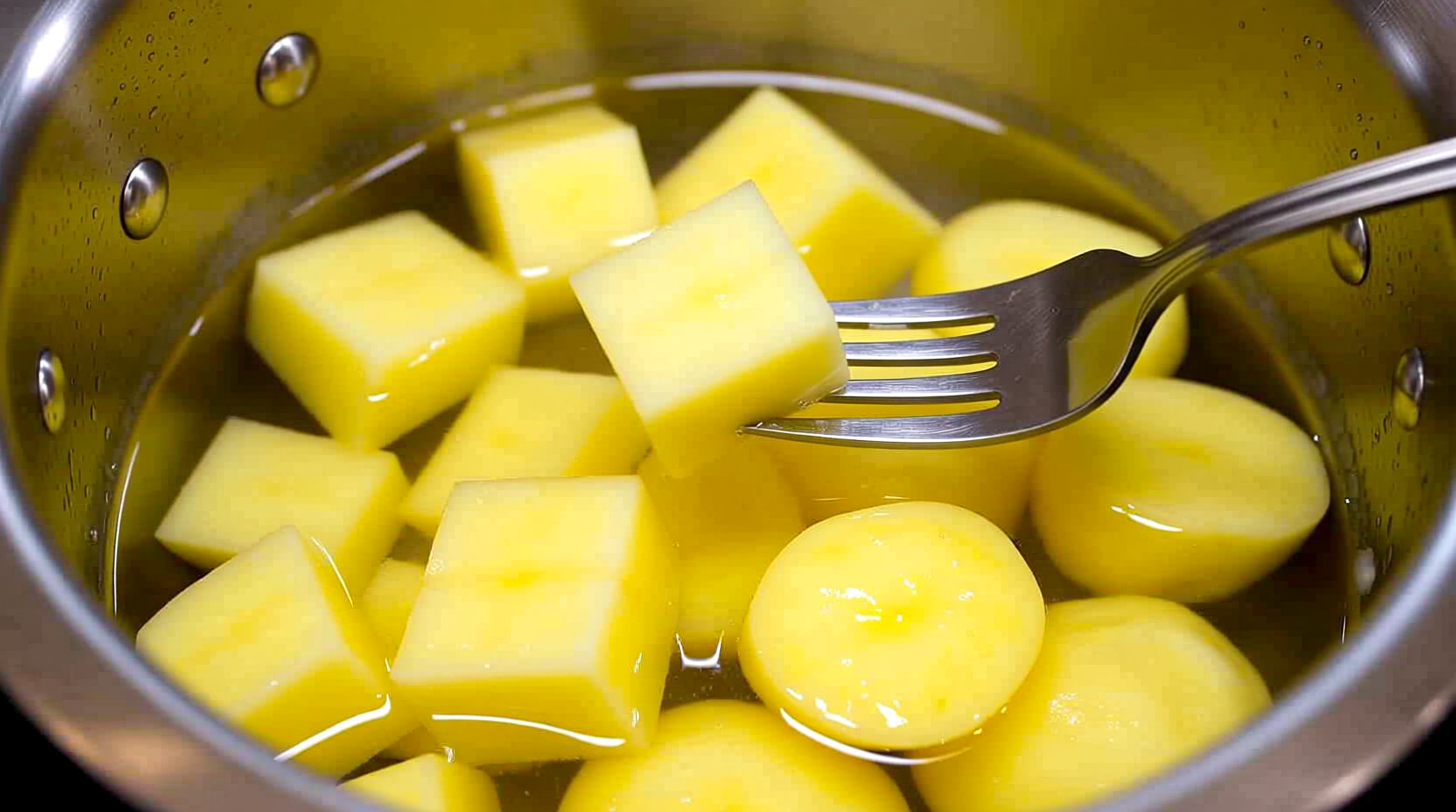
Potatoes destined for mashing are boiled to soften their cellular structure, allowing them to be broken down into a smooth, spreadable consistency. Unlike roasting or frying, boiling extracts minimal flavor but maximizes moisture absorption and tenderness. The process hinges on gelatinizing the starch within the tuber, which begins around 140°F (60°C) and completes near boiling point. Once fully cooked, the potato cells separate easily under pressure from a fork, ricer, or masher.
Mashed potatoes originated in Europe, with early records from Ireland and France in the 17th century. They gained popularity as a way to stretch limited food supplies and enhance digestibility. Today, they’re a staple across cuisines—from rustic French pommes purée to American-style creamed mashed potatoes served at Thanksgiving.
The success of mashed potatoes depends less on ingredients added after cooking (though butter and cream matter) and more on how well the potatoes themselves are prepared during boiling. Timing is central to this stage, influenced by multiple interrelated factors.
Key Characteristics of Boiling Potatoes for Mashing
Different potato types respond uniquely to boiling due to variations in starch, moisture, and cell wall strength. These characteristics directly impact boiling duration and final mash quality.
| Characteristic | Description |
|---|---|
| Starch Content | High-starch potatoes (like Russets) absorb more water and break down easily, requiring careful timing to avoid disintegration. |
| Moisture Level | Waxy potatoes retain shape better due to lower starch and higher moisture, needing slightly longer to soften fully. |
| Texture After Cooking | Ideal boiled potato should yield uniformly when pierced—no resistance, no mushiness. |
| Heat Conductivity | Dense potatoes conduct heat slowly; smaller cuts reduce overall cook time significantly. |
| Flavor Release | Overboiling leaches natural sugars and earthy notes into the water, dulling final taste. |
Standard Boiling Times by Potato Type
While generalized advice suggests “15–20 minutes,” real-world results vary widely. Below are tested boiling times based on common potato varieties, assuming uniform 1.5-inch cubes and starting from cold water brought to a boil.
- Russet (Idaho) Potatoes – 12–15 minutes
High in starch and low in moisture, Russets cook quickly and become fluffy. Overcooking leads to fragmentation. Best for light, airy mashes. - Yukon Gold Potatoes – 15–18 minutes
Medium-starch with naturally buttery flesh. Holds shape well while softening evenly. Ideal balance between creaminess and structure. - Red Potatoes – 18–22 minutes
Waxy with tight cell walls. Resist breaking but require longer exposure to heat. Yield denser, moister mash unless finely processed. - Fingerling Potatoes – 20–25 minutes
Very dense and narrow. Often left whole or halved; need extended time to penetrate core without splitting skin. - White Potatoes – 16–20 minutes
Similar to Yukon Golds but slightly drier. Respond well to moderate boiling and produce neutral-flavored mash suitable for seasoning.
Pro Tip: Always start potatoes in cold, salted water. This ensures even heating from the outside in, preventing outer mushiness before the center softens. Add 1 tablespoon of kosher salt per quart of water to season the flesh internally.
Factors That Influence Boiling Time
Several variables beyond variety affect how long potatoes take to boil. Ignoring these can lead to inconsistent results—even when following recipes precisely.
Cut Size and Uniformity
The single most impactful factor after potato type. A whole 8-ounce Russet may take 35–40 minutes to boil through, whereas ½-inch cubes finish in 10–12 minutes. For fastest, most even cooking, cut into pieces no larger than 1.5 inches and aim for consistent dimensions across all chunks.
Starting Water Temperature
Adding potatoes to already-boiling water shocks the exterior, causing rapid starch release and surface stickiness. Starting cold allows gradual temperature rise, preserving integrity. However, if time is limited, boiling water start reduces total time by 3–5 minutes—but monitor closely.
Altitude and Atmospheric Pressure
At elevations above 3,000 feet, water boils below 212°F (100°C), slowing starch gelatinization. Expect an additional 3–8 minutes of cook time depending on elevation. Adjust by covering the pot tightly to maintain heat or increasing initial boil intensity.
Salt Concentration
Salted water raises the boiling point slightly (by ~1–2°F), marginally accelerating internal cooking. More importantly, it seasons the potato throughout rather than relying solely on post-mash seasoning.
Covered vs. Uncovered Boil
Covering traps steam and maintains a rolling boil, reducing evaporation and stabilizing temperature. It typically shortens cook time by 2–4 minutes compared to uncovered boiling.
Practical Usage: How to Boil Potatoes Perfectly for Mashing
Follow this step-by-step method to achieve restaurant-quality mashed potatoes through controlled boiling:
- Select the Right Variety: Choose Yukon Golds for balanced creaminess or Russets for ultra-fluffy texture. Avoid pre-cut or refrigerated potatoes, which oxidize and lose structural integrity.
- Peel (Optional): Peel if desired, though thin-skinned varieties like Yukon Gold can be mashed with skins on for rustic appeal. Scrub thoroughly if keeping skins intact.
- Cut Evenly: Dice into 1–1.5 inch cubes. Use a sharp knife and cutting board to ensure uniformity. Remove any green spots or sprouts.
- Cold Start in Salted Water: Place potatoes in a large saucepan. Add enough cold water to cover by 1 inch. Stir in 1 Tbsp kosher salt per quart of water.
- Bring to a Boil: Heat over medium-high, uncovered, until bubbles break the surface consistently. Reduce to a gentle simmer—vigorous boiling can fracture delicate pieces.
- Simmer Until Tender: Cook according to your potato type (see earlier table). Begin testing at minimum time using a paring knife or skewer. Insert into largest piece; it should slide in with zero resistance.
- Drain Immediately: Once tender, pour into a colander. Let sit 1–2 minutes to evaporate excess surface moisture—this prevents watery mash. Do not rinse unless removing excess starch intentionally (rarely needed).
- Mash While Hot: Return drained potatoes to warm pot. Mash with heated dairy (milk, cream, or half-and-half warmed separately) using a ricer, food mill, or hand masher. Avoid blenders or food processors—they overwork starch, creating gumminess.
Expert Insight: \"The moment you drain the potatoes is critical. If they sit too long in the colander, they cool fast and resist absorbing butter and cream. Work quickly and keep equipment warm.\" — Chef Elena Torres, Culinary Institute of America Faculty
Variants & Types: Matching Potato to Desired Mash Style
Not all mashed potatoes are created equal. The choice of potato defines the final dish's character. Here’s how different types perform:
| Potato Type | Best For | Boiling Time (Cubed) | Mash Texture | Recommended Use |
|---|---|---|---|---|
| Russet / Idaho | Fluffy, traditional mash | 12–15 min | Light, airy, high volume | Thanksgiving, loaded potatoes, pairing with gravy |
| Yukon Gold | Creamy, rich mash | 15–18 min | Smooth, velvety, naturally buttery | Fine dining, garlic mash, herbed variations |
| Red Bliss | Rustic, chunky mash | 18–22 min | Dense, moist, holds shape | Shepherd’s pie base, family meals |
| Fingerling | Elegant, gourmet mash | 20–25 min (halved) | Earthy, firm, slightly waxy | Upscale sides, truffle oil infusions |
| Blue/Purple | Vibrant colored mash | 16–20 min | Firm, nutty, visually striking | Holiday presentations, color contrast dishes |
For hybrid textures, blend two types—e.g., combine Russets and Yukon Golds for both fluff and richness. Ratio: 50/50 by weight yields optimal balance.
Comparison with Similar Ingredients
Some root vegetables are mashed similarly, but their boiling behavior differs markedly from true potatoes.
| Ingredient | Boiling Time (Cubed) | Texture When Mashed | Key Difference from Potatoes |
|---|---|---|---|
| Sweet Potatoes | 18–22 min | Smooth, sweet, fibrous threads possible | Higher sugar content caramelizes; starch behaves differently |
| Turnips | 20–25 min | Sharp, pungent, less cohesive | Must be mixed with potatoes to mellow flavor |
| Carrots | 22–28 min | Sweet, dense, gritty if undercooked | Require longer boiling; often par-cooked before blending |
| Parsnips | 20–24 min | Woody sweetness, earthy finish | Can overpower; best in 25% blends with potatoes |
True *Solanum tuberosum* potatoes remain unmatched for neutral flavor and versatile starch response, making them the gold standard for mashing.
Practical Tips & FAQs
How do I know when boiled potatoes are ready for mashing?
Test with a thin metal skewer or paring knife. It should pass through the thickest piece with no resistance. The potato should feel uniformly soft—not just at the edges. If there’s any firmness in the center, continue cooking 2-minute intervals.
Can I over-boil potatoes for mashing?
Yes. Overcooking causes cells to rupture excessively, releasing too much starch. This creates a sticky, glue-like texture when mashed, especially with high-starch varieties. Drain immediately upon tenderness.
Should I peel potatoes before boiling?
Peeling before boiling prevents skins from separating during cooking and simplifies mashing. However, leaving skins on adds fiber and nutrients. If keeping skins, scrub well and use waxy types that hold shape better.
Why did my mashed potatoes turn out watery?
Common causes: starting with wet potatoes after draining, under-draining, or adding cold liquid. Let potatoes steam-dry in the colander for 1–2 minutes post-boil. Warm dairy before incorporating to maintain workable temperature.
Can I prep boiled potatoes ahead of time?
Limited success. Fully cooked potatoes cool rapidly and absorb moisture if stored improperly. Better method: boil, drain, and leave in the warm pot covered for up to 30 minutes. Reheat gently before mashing. For events, prepare up to the mashing step, then reheat finished mash in a double boiler with extra butter.
What’s the best tool for mashing?
- Hand masher: Classic, gives control over texture.
- Ricer: Produces silkiest result, mimics French pommes purée.
- Food mill: Removes skins and lumps efficiently; ideal for large batches.
- Avoid blenders/food processors: Excessive agitation releases too much starch, resulting in elasticity rather than smoothness.
Do I need to soak potatoes before boiling?
Not necessary for mashing. Soaking is used primarily for fries to remove surface starch and prevent sticking. In mashing, some released starch helps bind the mixture. Only consider soaking if using very starchy potatoes and aiming for extreme fluffiness (e.g., for soufflé-style mash).
Summary & Key Takeaways
Perfect mashed potatoes begin with properly boiled tubers. The ideal boiling time depends on potato variety, cut size, and cooking conditions. General guidelines:
- Russets: 12–15 minutes (cubed)
- Yukon Golds: 15–18 minutes
- Waxy reds: 18–22 minutes
- Always start in cold, salted water
- Test doneness with a skewer—uniform softness required
- Drain promptly and dry slightly before mashing
- Use appropriate tools to avoid gummy texture
Mastering boiling time transforms mashed potatoes from a basic side into a refined culinary element. By respecting the science of starch and heat transfer, home cooks can replicate professional results reliably. Whether serving a simple family dinner or hosting a holiday feast, precision in this foundational step guarantees comfort, consistency, and flavor in every bite.
Final Recommendation: Keep a dedicated timer app or kitchen clock nearby. Set alerts at minimum expected cook times and test frequently. With practice, visual and tactile cues will replace guesswork—leading to flawless mashed potatoes every time.




 浙公网安备
33010002000092号
浙公网安备
33010002000092号 浙B2-20120091-4
Comments
No comments yet. Why don't you start the discussion?