
Red potatoes are a staple in kitchens across North America, prized for their waxy texture, vibrant skin, and ability to hold their shape during cooking. When boiled properly, they deliver a tender yet firm bite—ideal for salads, side dishes, and mashed preparations. Yet achieving that ideal doneness hinges on understanding the precise boiling time, which varies based on size, preparation method, and desired outcome. Undercook them, and they’re unpleasantly dense; overcook them, and they disintegrate into mush. This guide breaks down the science, technique, and variables behind boiling red potatoes to help home cooks consistently produce restaurant-quality results.
Definition & Overview
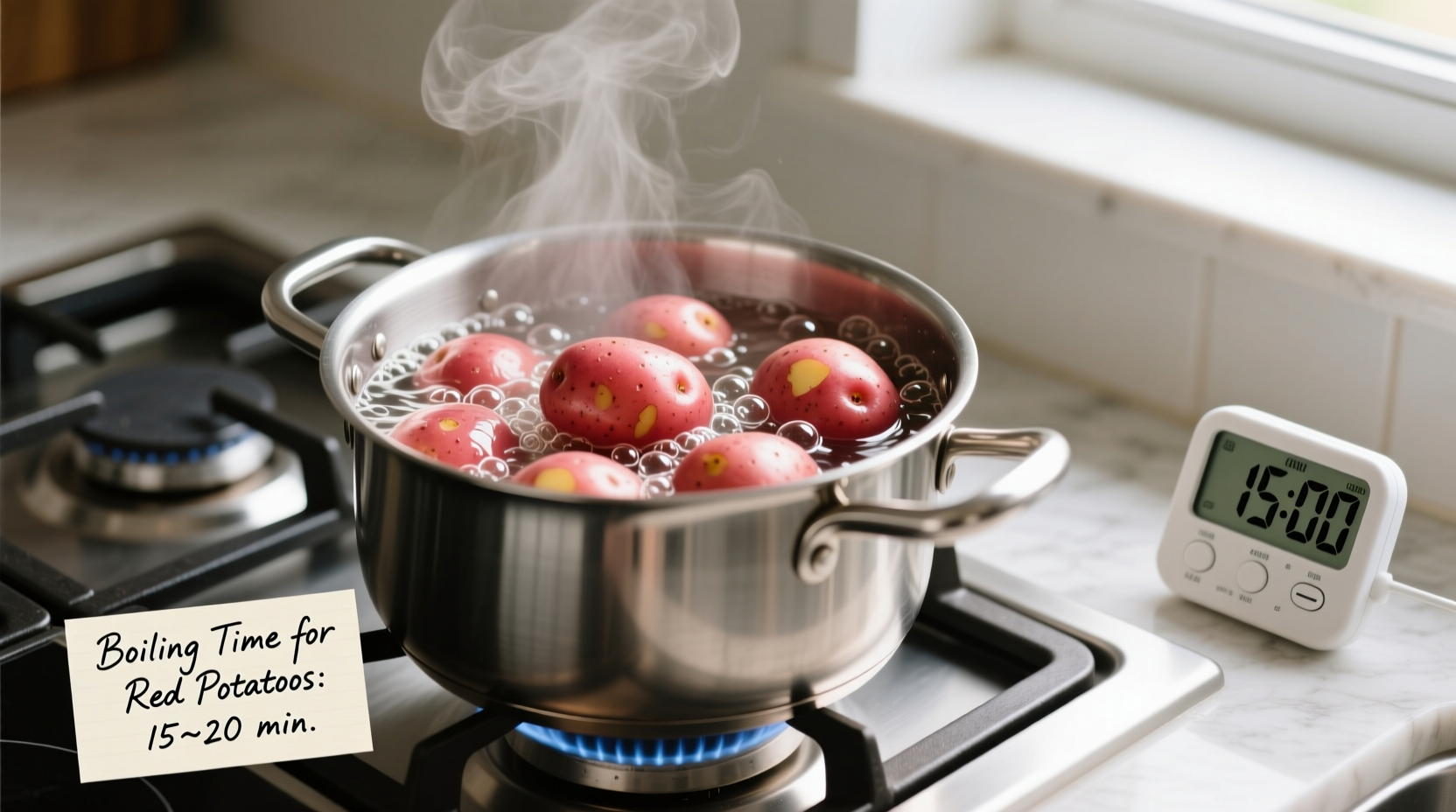
Red potatoes are a category of potato characterized by their smooth, thin, rosy-red skin and creamy white to pale yellow flesh. They belong to the *Solanum tuberosum* species and are classified as low-starch, waxy potatoes. Unlike russets or Idaho varieties, which have high starch content and fluffy interiors when cooked, red potatoes maintain structural integrity due to their higher moisture and lower starch levels. This makes them particularly well-suited for boiling, steaming, roasting, and use in cold dishes like potato salad.
Originating from the Andes region of South America, modern red potato cultivars were developed primarily in the United States and Canada. Common commercial varieties include ‘Red Norland,’ ‘Red La Soda,’ and ‘Chieftain.’ These potatoes are typically harvested in early to mid-summer, though many are stored and available year-round thanks to controlled-atmosphere storage techniques.
In culinary applications, red potatoes offer a subtly sweet, earthy flavor with a clean finish. Their delicate skin is edible and nutrient-rich, eliminating the need for peeling in most recipes. Because of their resilience under heat and moisture, boiling remains one of the most effective ways to prepare them—especially when uniform tenderness and moist texture are priorities.
Key Characteristics
- Skin: Thin, smooth, bright red to pinkish-red; edible and rich in fiber and antioxidants.
- Flesh: Creamy white to light yellow; fine-grained and moist.
- Starch Content: Low to medium (16–18% dry weight), classifying them as waxy.
- Moisture Level: High, contributing to a juicy mouthfeel when cooked.
- Flavor Profile: Mildly sweet, earthy, with a clean, fresh aftertaste.
- Culinary Function: Holds shape during boiling; excellent for salads, soups, roasting, and grilling.
- Shelf Life: 2–3 weeks at cool room temperature; up to 2 months refrigerated (though chilling may increase sugar content slightly).
- Best Uses: Boiled whole or halved, roasted with herbs, added to stews, or served chilled in salads.
Pro Tip: Never wash red potatoes before storing. Excess moisture accelerates spoilage. Instead, brush off dirt and store in a cool, dark, ventilated place away from onions.
Practical Usage: How to Boil Red Potatoes Perfectly
The goal of boiling red potatoes is to cook them evenly without compromising texture. The process seems simple, but subtle choices—such as cutting size, salt concentration, starting water temperature, and heat control—determine the final result.
Step-by-Step Boiling Method
- Wash Thoroughly: Scrub each potato under cool running water using a vegetable brush to remove surface dirt. Do not peel unless required by recipe.
- Decide on Size: For even cooking, keep pieces uniform. Whole small potatoes (1.5–2 inches diameter) take 15–20 minutes. Halved or quartered medium potatoes (2.5–3 inches) require 12–17 minutes.
- Use Cold Water Start: Place cut or whole potatoes in a large pot and cover with cold water by at least 1 inch. Starting with cold water ensures gradual, even heat penetration.
- Add Salt: Include 1 tablespoon of kosher salt per quart of water. Salting the water seasons the potatoes internally and enhances natural flavor.
- Bring to a Gentle Boil: Heat over medium-high until the water reaches a simmer—small bubbles breaking the surface—not a rolling boil. A violent boil can cause outer layers to break down before centers are done.
- Maintain Simmer: Once boiling, reduce heat to maintain a steady simmer. Cover partially to retain heat while preventing overflow.
- Test for Doneness: After 12 minutes, begin testing with a fork or skewer. The potato should slide easily through the center but still offer slight resistance—like butter-knife-through-cold-butter. Overcooked potatoes feel mushy or fall apart.
- Drain Immediately: Once cooked, drain in a colander. For salads, spread on a tray to cool quickly and prevent residual steam from softening them further.
Professional Applications
In restaurant kitchens, chefs often parboil red potatoes before finishing them in the oven or pan. This two-stage method ensures a fully cooked interior with crisp exterior. For example, a chef might simmer halved red potatoes for 8–10 minutes, then toss them in duck fat and roast at 425°F (220°C) until golden and caramelized—a technique common in elevated comfort dishes.
Another pro tip: add aromatic elements to the boiling water. A few sprigs of fresh thyme, crushed garlic cloves, or a bay leaf infuse subtle background notes without overpowering the potato’s natural taste.
Pairing Suggestions
Boiled red potatoes pair exceptionally well with:
- Fresh herbs: dill, parsley, chives, tarragon
- Fats: olive oil, butter, sour cream, mayonnaise
- Acids: lemon juice, apple cider vinegar, red wine vinegar
- Proteins: grilled salmon, roasted chicken, hard-boiled eggs
- Vegetables: green beans, corn, celery, red onion
A classic pairing is warm red potato salad dressed with a vinaigrette while still slightly warm—the heat helps absorb flavors. Ratio-wise, use about 2 tablespoons dressing per cup of cooled potatoes, adjusting to preference.
Timing Reference Chart:
| Potato Form | Size/Dimensions | Boiling Time (Simmer) | Visual Cue |
|---|---|---|---|
| Whole small | 1.5–2 inches | 15–20 min | Fork slides through center cleanly |
| Halved medium | 2.5–3 inches halved | 12–17 min | No resistance at core |
| Quartered large | 3+ inches, 1-inch chunks | 10–14 min | Edges slightly softened, not breaking |
| Sliced thin | ¼-inch slices | 6–9 min | Bendable but intact |
Variants & Types of Red Potatoes
While all red-skinned potatoes share general traits, specific cultivars differ in yield, disease resistance, color intensity, and performance under heat. Understanding these variations helps in selecting the best type for boiling.
Common Cultivars
- Red Norland: Early-season variety with bright red skin and white flesh. Exceptionally tender when boiled; ideal for summer salads. Slightly more fragile than other types—handle gently after cooking.
- Red La Soda: Mid-season, oblong-shaped, with deeper red skin. Higher yield and better storage life. Holds shape excellently during prolonged cooking, making it popular in commercial food service.
- Chieftain: Darker maroon-red skin, rounder form. More resistant to bruising. Boils evenly and develops a richer color contrast between skin and flesh—visually appealing in plated dishes.
- Yukon Gem: Not truly red, but sometimes marketed as such due to yellow-tinged skin. A hybrid with moderate starch; behaves more like a medium-wax potato. Best avoided if strict waxy texture is desired.
Available Forms
Beyond fresh whole tubers, red potatoes appear in several formats:
- Fresh whole: Most common; best for home use and full control over prep.
- Pre-cut/fresh packaged: Available in grocery stores; convenient but may oxidize faster. Use within 2 days and rinse before boiling.
- Frozen: Typically pre-boiled and diced. Suitable for soups or casseroles but lacks freshness and firmness for salads.
- Dehydrated/instant: Rare for red potatoes; usually made from high-starch varieties. Not recommended for authentic texture.
Storage Note: Avoid refrigerating uncooked red potatoes for extended periods. Cold temperatures convert starch to sugar, leading to sweeter taste and potential browning when cooked—undesirable in savory applications.
Comparison with Similar Ingredients
Red potatoes are often confused with other common varieties. While interchangeable in some contexts, key differences affect boiling behavior and final dish quality.
| Characteristic | Red Potatoes | Russet Potatoes | Fingerling Potatoes | Yellow Potatoes (e.g., Yukon Gold) |
|---|---|---|---|---|
| Starch Level | Low–medium (waxy) | High (mealy) | Medium–low (waxy) | Medium (buttery) |
| Best Cooking Method | Boiling, roasting, salads | Baking, mashing, frying | Rosting, sautéing, boiling | Mashing, boiling, gratin |
| Texture When Boiled | Firm, moist, holds shape | Tender, crumbly, prone to breaking | Dense, nutty, resilient | Buttery, slightly creamy |
| Boiling Time (halved) | 12–17 min | 15–20 min | 10–15 min | 12–16 min |
| Skin Edibility | Yes, thin and tender | Yes, but thicker | Yes, delicate | Yes, smooth |
| Use in Potato Salad | Excellent—retains shape | Poor—becomes mushy | Excellent—gourmet appeal | Good—creamy texture |
\"When I make potato salad for catered events, I always reach for Red La Soda. They survive transport, hold their structure after dressing, and look vibrant on the plate.\" — Chef Elena Martinez, Executive Catering Director, Chicago
Practical Tips & FAQs
How do I prevent red potatoes from cracking while boiling?
Cracking occurs when the exterior heats too quickly compared to the interior. Always start with cold water and bring to a gentle simmer. Avoid adding potatoes to already-boiling water, which causes rapid expansion and skin rupture.
Should I peel red potatoes before boiling?
No. The skin contains fiber, potassium, and antioxidants. It also protects the flesh during cooking, reducing water absorption and maintaining texture. Peeling increases the risk of waterlogging and disintegration.
Can I boil red potatoes ahead of time?
Yes. Cook, cool, and refrigerate in an airtight container for up to 3 days. To reheat, warm gently in a covered pan with a splash of water or broth. For salads, use chilled—they absorb dressing better at cooler temperatures.
Why did my boiled red potatoes turn mushy?
Overcooking is the primary cause. Other factors include using oversized pieces with inconsistent thickness, boiling too vigorously, or using older potatoes that have begun to degrade. Stick to uniform cuts and monitor closely after the 10-minute mark.
Is it safe to eat slightly undercooked red potatoes?
Minimal consumption is generally safe, but raw or undercooked potatoes contain lectins and resistant starches that may cause digestive discomfort in sensitive individuals. Fully cooking neutralizes these compounds and improves digestibility.
Can I freeze boiled red potatoes?
Not recommended. Freezing alters cell structure, leading to spongy texture upon thawing. Waxy potatoes like reds fare worse than starchy ones due to higher water content. If freezing is necessary, par-cook only and finish later.
What’s the ideal ratio of salt to water?
Use 1 tablespoon of kosher salt per quart (4 cups) of water. This mimics the salinity of seawater and effectively seasons without oversalting. Adjust downward if using table salt, which is denser.
Quick Checklist for Success:
- Choose uniformly sized potatoes
- Scrub, don’t peel
- Cut evenly if not using whole
- Start in cold, salted water
- Simmer, don’t boil hard
- Test early, test often
- Drain immediately when done
- Cool rapidly for salads
Summary & Key Takeaways
Boiling red potatoes successfully depends on respecting their botanical nature as low-starch, waxy tubers. They respond best to gentle, even cooking methods that preserve their structure and highlight their naturally creamy-yet-firm texture. Whole small potatoes require 15–20 minutes of simmering, while halved or quartered pieces take 12–17 minutes. Starting in cold water, salting adequately, and avoiding aggressive boiling are critical steps.
Different cultivars—such as Red Norland, Red La Soda, and Chieftain—offer slight variations in color, durability, and flavor, allowing for tailored selection based on application. Compared to russets or Yukon Golds, red potatoes excel in dishes where shape retention matters, especially salads and mixed vegetable plates.
By mastering the timing and technique outlined here, home cooks can elevate everyday meals with perfectly boiled red potatoes—versatile, nutritious, and deeply satisfying. Whether served simply with butter and herbs or incorporated into complex dishes, this humble ingredient proves that precision in fundamentals leads to excellence in results.
Try This Tonight: Toss 2 cups of just-cooked red potato halves with 2 tbsp olive oil, 1 tsp Dijon mustard, chopped parsley, salt, and pepper. Add sliced red onion and serve warm. A five-minute upgrade transforms basics into brilliance.




 浙公网安备
33010002000092号
浙公网安备
33010002000092号 浙B2-20120091-4
Comments
No comments yet. Why don't you start the discussion?