
For archers and bowhunters, protecting your equipment isn’t just about convenience—it’s about preserving precision, performance, and investment. One of the most common debates among enthusiasts is whether a hard case offers meaningful advantages over a soft case. While both have their place, understanding the differences in protection, portability, durability, and cost can help you choose the best option for your needs.
Bows are precision instruments. Even minor impacts or shifts in temperature and humidity can affect limb alignment, string tension, and overall accuracy. A case isn’t just storage—it’s insurance. But is the sturdiness of a hard shell worth the added weight and price? Or does a lightweight, flexible soft case offer enough protection for most users?
Protection: Impact Resistance and Environmental Shielding
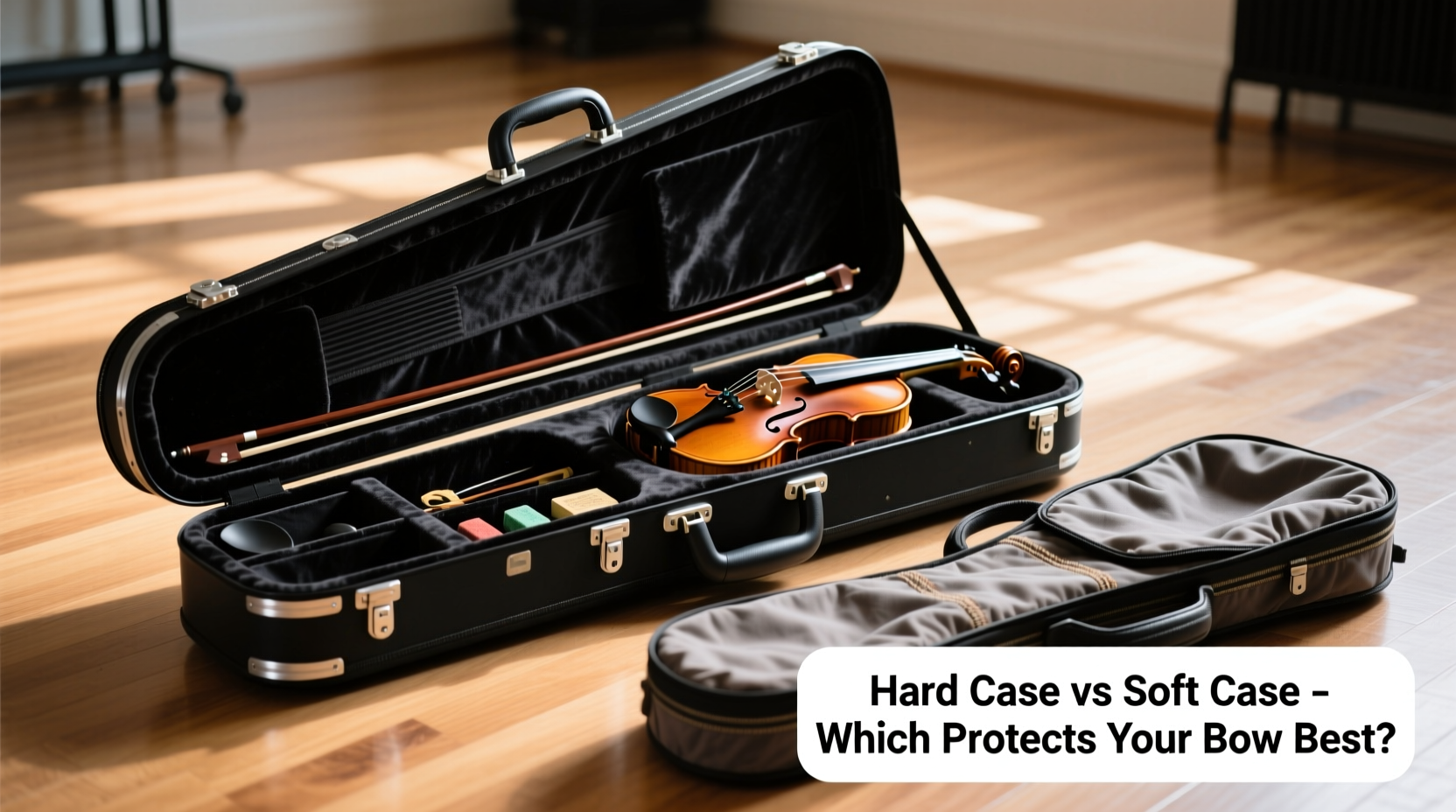
The primary function of any bow case is protection. Hard cases, typically made from molded polyethylene or ABS plastic, excel at resisting physical damage. They’re designed to withstand drops, crushing forces, and rough handling during travel—especially important when flying or transporting gear in crowded vehicles.
In contrast, soft cases use padded nylon or polyester with foam lining. While they absorb light shocks well, they offer minimal resistance to compression. A stack of heavy luggage on top of a soft case could deform limbs or shift internal components.
“Hard cases provide a near-airline-approved level of protection. If your bow travels in cargo, nothing else compares.” — Derek Langston, Field Archery Equipment Manager
Environmental protection also favors hard cases. Most are water-resistant or fully waterproof, with rubber gaskets sealing out moisture, dust, and extreme temperatures. Soft cases may repel light rain but often wick moisture over time, especially if stored in damp garages or boats.
Portability and Convenience
When it comes to ease of transport, soft cases usually win. They’re significantly lighter, more compact, and often come with backpack straps or sling designs that allow hands-free carrying. This makes them ideal for hiking into remote hunting areas or walking long distances at tournaments.
Hard cases, while durable, are bulky and rigid. Many require separate shoulder straps or rolling mechanisms. Some models now feature wheels and extendable handles, but they still take up more space in a vehicle or overhead bin.
If you frequently move your bow short distances—say, from car to blind or between practice lanes—a soft case provides unmatched agility. But if you're shipping your bow across the country or checking it on a flight, the extra bulk of a hard case becomes justified by its protective capabilities.
Cost Comparison and Long-Term Value
Price is another critical factor. High-quality soft cases range from $40 to $90, depending on padding and brand. Hard cases start around $100 and can exceed $300 for premium, custom-fitted models with foam inserts and TSA-approved locks.
While the initial cost of a hard case is higher, its lifespan often justifies the investment. With proper care, a hard case can last decades without degrading. Soft cases, on the other hand, suffer from zipper wear, fabric abrasion, and compressed padding over time—especially with frequent outdoor use.
| Feature | Hard Case | Soft Case |
|---|---|---|
| Average Price | $100–$350 | $40–$90 |
| Lifespan (Years) | 10–20+ | 3–7 |
| Weight (lbs) | 6–12 | 1.5–3 |
| Water Resistance | High (sealed) | Moderate (water-repellent fabric) |
| Impact Protection | Excellent | Fair to Good |
Real-World Scenario: The Cross-Country Hunter
Consider Mark, an elk hunter from Colorado who flies annually to Montana for backcountry expeditions. He used a premium soft case for three years, relying on its light weight and comfort during multi-mile hikes. However, after his checked luggage was mishandled on a flight—resulting in a cracked riser—he switched to a hard case.
Last season, his bow endured being dropped off a loading dock and left overnight in a snowstorm. Thanks to the sealed polycarbonate shell and custom foam cradle, the bow emerged unscathed. “I lost 2 pounds in pack weight,” he said, “but saved $800 in repair costs. Now I disassemble and pack smartly—the weight trade-off is worth it.”
This example highlights a key principle: the value of a case isn’t measured only in daily convenience, but in worst-case scenarios.
Choosing Based on Use Case
Your decision should align with how—and where—you use your bow. Here’s a practical guide:
- Tournament Archers: Frequent travel and high-value equipment favor hard cases. Precision tuning means even small shifts matter.
- Backcountry Hunters: Prioritize lightweight, maneuverable soft cases unless flying. Consider hybrid options with reinforced panels.
- Recreational Shooters: A mid-tier soft case may suffice if the bow stays local and handled carefully.
- Frequent Flyers: Hard cases with TSA locks and airline compliance (like Pelican or SKB) are essential.
Step-by-Step: How to Choose the Right Case
Follow this sequence to make an informed decision:
- Assess Your Travel Frequency: Do you fly with your bow? Ship it? Or keep it close to home?
- Evaluate Terrain: Will you hike rugged trails, or drive directly to shooting ranges?
- Check Bow Value: High-end compound bows warrant greater protection than entry-level models.
- Test Fit and Interior Layout: Ensure there’s room for accessories (sights, stabilizers, tools) without crowding.
- Review Warranty and Brand Reputation: Companies like Plano, MTM, and Allen offer strong customer support for defective units.
FAQ
Can I use a soft case for air travel?
You can, but it’s risky. Airlines don’t guarantee handling care, and soft cases offer little crush protection. If you must, reinforce with cardboard inserts and never check valuable optics or tuned bows without backup plans.
Do hard cases damage bows during temperature swings?
No—when properly vented or equalized, hard cases protect against thermal shock better than soft ones. Avoid leaving any case in direct sun for hours, as trapped heat can warp components regardless of shell type.
Are hybrid cases a good compromise?
Yes. Hybrid models combine a rigid frame with padded fabric shells. They offer moderate impact resistance and improved portability. Brands like Trophy Ridge and Axion produce reliable hybrids for hunters balancing weight and safety.
Final Recommendation: Match Protection to Risk
There’s no universal answer to whether a hard case is better than a soft one. The right choice depends on your risk tolerance, usage pattern, and equipment value. For casual use and short trips, a well-padded soft case delivers excellent value. But when your bow faces travel hazards, extreme weather, or high replacement costs, a hard case isn’t just better—it’s essential.
Think of it like insurance: you hope you never need it, but when you do, you’ll be glad it was there.




 浙公网安备
33010002000092号
浙公网安备
33010002000092号 浙B2-20120091-4
Comments
No comments yet. Why don't you start the discussion?