
Brain fog—characterized by mental sluggishness, poor concentration, forgetfulness, and difficulty processing information—is increasingly common in modern workplaces. While often dismissed as simple fatigue or stress, persistent brain fog can significantly impair decision-making, reduce efficiency, and affect job satisfaction. Unlike acute cognitive lapses, chronic brain fog is rarely caused by a single factor. Instead, it typically results from a combination of lifestyle habits that accumulate over time, disrupting the brain’s optimal function.
The good news is that most causes of brain fog are modifiable. By identifying and adjusting key lifestyle behaviors, individuals can restore mental clarity, improve focus, and enhance overall cognitive resilience. This article explores the most prevalent lifestyle triggers behind workplace brain fog and provides practical, evidence-based solutions to reverse them.
1. Chronic Sleep Deprivation and Poor Sleep Quality
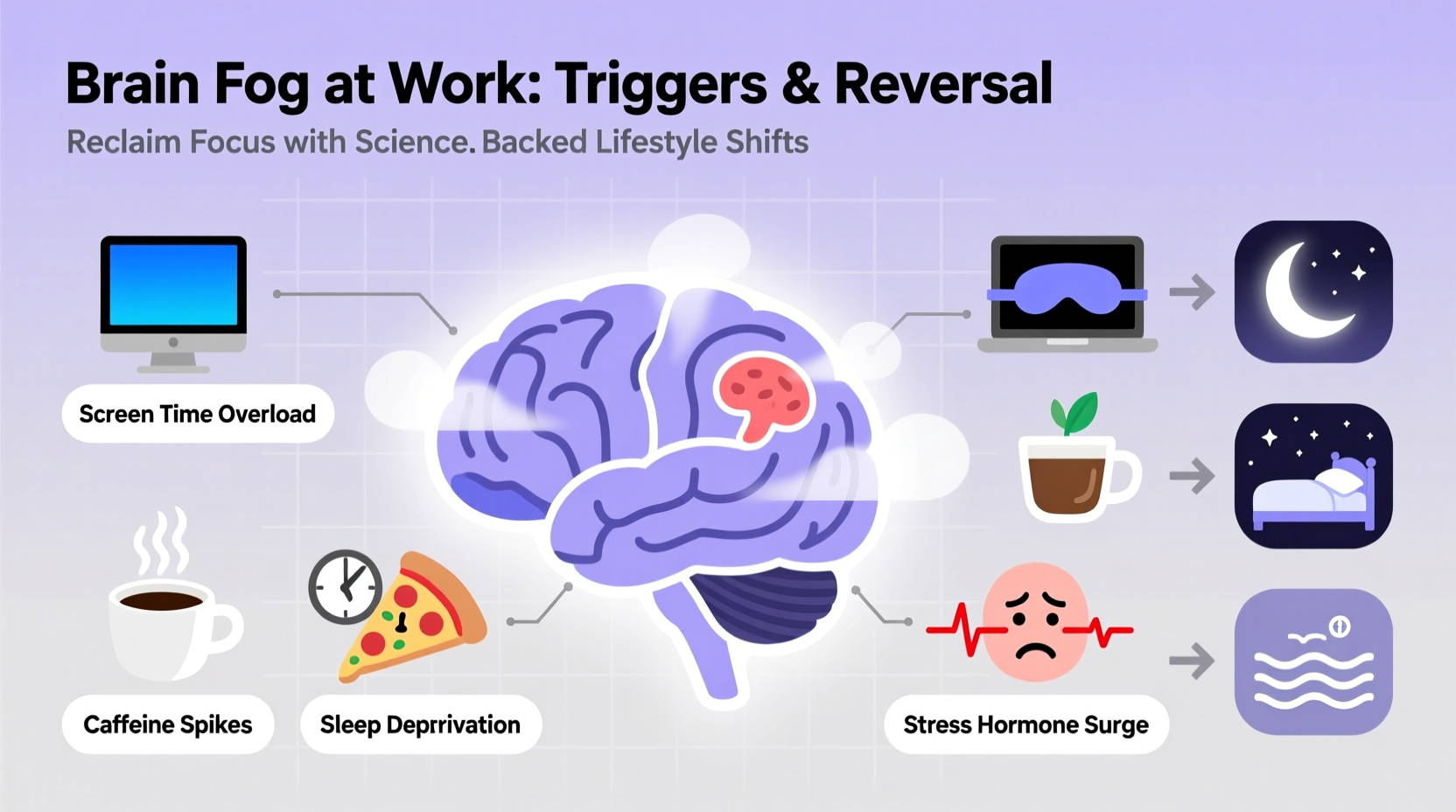
Sleep is foundational to cognitive performance. During deep sleep, the brain clears metabolic waste through the glymphatic system, consolidates memories, and restores neural pathways. When sleep is insufficient or fragmented, these processes are disrupted, leading directly to brain fog.
Many professionals sacrifice sleep to meet deadlines or manage personal responsibilities. However, even mild, consistent sleep loss—such as getting only 5–6 hours per night—can impair attention, working memory, and executive function within days. A 2023 study published in *Sleep Medicine Reviews* found that employees with irregular sleep patterns were 42% more likely to report difficulty concentrating at work.
How to Improve Sleep Hygiene
- Limit screen exposure (especially blue light) at least one hour before bed.
- Create a cool, dark, and quiet sleeping environment.
- Avoid caffeine after 2 p.m. and heavy meals close to bedtime.
- Establish a calming pre-sleep routine such as reading or light stretching.
2. Poor Nutrition and Blood Sugar Imbalances
Diet plays a critical role in brain health. The brain consumes about 20% of the body’s energy, relying heavily on a steady supply of glucose and essential nutrients. Diets high in refined carbohydrates, added sugars, and processed foods lead to rapid spikes and crashes in blood sugar, resulting in energy slumps and impaired cognition.
Skipping meals or relying on quick snacks like pastries, sugary drinks, or fast food can trigger insulin fluctuations that disrupt neurotransmitter balance and increase inflammation—both linked to brain fog.
“Your brain runs on fuel quality. Just like a high-performance engine needs premium gasoline, your neurons require clean, nutrient-dense food to operate efficiently.” — Dr. Lena Torres, Cognitive Neurologist
Nutrition Do’s and Don’ts for Mental Clarity
| Do | Don't |
|---|---|
| Eat whole grains, leafy greens, fatty fish, nuts, and berries | Consume sugary cereals, sodas, or energy drinks |
| Include protein and healthy fats in every meal | Skimp on breakfast or lunch |
| Stay hydrated throughout the day | Rely on coffee alone for hydration |
| Snack on almonds, Greek yogurt, or avocado | Grab candy bars or chips when hungry |
3. Sedentary Work Habits and Lack of Physical Activity
Most office jobs involve prolonged sitting, which reduces cerebral blood flow and oxygen delivery to the brain. Physical inactivity is strongly associated with reduced neuroplasticity—the brain’s ability to adapt and form new connections. Over time, this contributes to mental fatigue and diminished cognitive sharpness.
Exercise increases the production of brain-derived neurotrophic factor (BDNF), a protein essential for neuron growth and synaptic efficiency. Even moderate activity like brisk walking for 20–30 minutes daily can boost focus and mood within a week.
Mini Case Study: Reversing Brain Fog Through Movement
Sarah, a 38-year-old project manager, struggled with afternoon mental fatigue and frequent errors in her reports. She worked 10-hour days, mostly seated, and exercised less than once a week. After consulting a wellness coach, she began taking 10-minute walking breaks every two hours and joined a lunchtime yoga class twice weekly. Within three weeks, Sarah reported clearer thinking, fewer distractions, and improved task completion rates. Her team noticed a marked improvement in her responsiveness and problem-solving during meetings.
Actionable Steps to Combat Sedentary Brain Fog
- Set a timer to stand and stretch every 45–60 minutes.
- Use a standing desk or walk while on phone calls.
- Take a 15-minute walk after lunch to reset energy levels.
- Incorporate resistance training or cardio 3–4 times per week.
4. Chronic Stress and Mental Overload
Prolonged stress activates the hypothalamic-pituitary-adrenal (HPA) axis, flooding the body with cortisol. While short-term cortisol boosts alertness, chronic elevation impairs the hippocampus—the brain region responsible for memory and learning. This leads to scattered thinking, reduced attention span, and emotional reactivity.
Workplace stressors such as tight deadlines, multitasking, and constant digital interruptions compound cognitive load, making it harder to filter distractions and maintain focus. Research from the American Psychological Association shows that employees under high stress perform up to 30% worse on cognitive tasks requiring sustained attention.
Strategies to Reduce Cognitive Load
- Practice mindfulness or meditation for 5–10 minutes daily.
- Use time-blocking to schedule focused work periods without interruptions.
- Turn off non-essential notifications during deep work sessions.
- Delegate tasks when possible to avoid mental clutter.
“Stress doesn’t just make you feel tired—it literally shrinks parts of your brain over time. Managing it isn’t optional for peak performance.” — Dr. Rajiv Mehta, Clinical Psychologist
5. Dehydration and Caffeine Misuse
Even mild dehydration—defined as a 1–2% loss of body water—can impair concentration, alertness, and short-term memory. The brain is approximately 75% water, and fluid balance is crucial for neurotransmission and electrical signaling.
Many workers rely heavily on caffeine to stay awake but overlook its dehydrating effects. Excessive coffee consumption (more than 400 mg of caffeine daily, or about 4 cups) can cause jitteriness, anxiety, and disrupted sleep, indirectly worsening brain fog. Moreover, using caffeine as a crutch often masks underlying fatigue rather than addressing its root cause.
Hydration and Caffeine Guidelines
| Recommendation | Action |
|---|---|
| Daily water intake | At least 2–2.5 liters (8–10 glasses); more if active |
| Caffeine limit | No more than 400 mg/day; avoid after 2 p.m. |
| Signs of dehydration | Dark urine, dry mouth, headache, fatigue |
| Better alternatives | Herbal teas, electrolyte-infused water, fruit-infused beverages |
Step-by-Step Guide to Reverse Brain Fog in 7 Days
Implementing change all at once can be overwhelming. This structured 7-day plan helps you systematically address major lifestyle triggers:
- Day 1: Assess current habits—track sleep, diet, water intake, and stress levels.
- Day 2: Optimize sleep—set a fixed bedtime and eliminate screens 60 minutes before sleep.
- Day 3: Clean up nutrition—replace one processed meal with a balanced, whole-food option.
- Day 4: Increase movement—take three 10-minute walks or do light stretching at your desk.
- Day 5: Practice stress reduction—try a 5-minute guided meditation or journaling session.
- Day 6: Hydrate properly—start the day with a glass of water and carry a reusable bottle.
- Day 7: Reflect and adjust—note changes in mental clarity and refine your approach.
After the first week, continue building on these habits. Small, consistent improvements compound into lasting cognitive gains.
Frequently Asked Questions
Can brain fog be a sign of a medical condition?
Yes. While lifestyle factors are common culprits, persistent brain fog may indicate underlying conditions such as thyroid dysfunction, vitamin B12 deficiency, sleep apnea, or depression. If symptoms persist despite lifestyle changes, consult a healthcare provider for evaluation.
How long does it take to reverse brain fog?
Improvement timelines vary. Many people notice sharper thinking within 3–7 days of better sleep and hydration. Full reversal, especially with multiple contributing factors, may take 2–6 weeks of consistent effort.
Is brain fog permanent?
No. In most cases, brain fog is reversible. It reflects temporary cognitive impairment due to modifiable lifestyle or environmental factors, not permanent damage.
Checklist: Daily Habits to Prevent Brain Fog
- ✅ Get 7–9 hours of quality sleep
- ✅ Eat balanced meals with protein, fiber, and healthy fats
- ✅ Drink at least 8 glasses of water
- ✅ Take movement breaks every hour
- ✅ Limit caffeine and avoid late-day intake
- ✅ Practice mindfulness or deep breathing
- ✅ Disconnect from screens before bed
Conclusion
Brain fog at work is not an inevitable part of modern life. It is a signal—a warning from your body and mind—that something in your daily routine needs adjustment. Whether it’s poor sleep, inadequate nutrition, physical inactivity, or unmanaged stress, each trigger can be addressed with intentional, sustainable changes.
By focusing on foundational lifestyle habits, you can reclaim mental clarity, improve productivity, and feel more in control of your professional performance. Start small: pick one area to improve this week. Build momentum gradually. Your brain is adaptable, resilient, and capable of remarkable recovery—with the right support.




 浙公网安备
33010002000092号
浙公网安备
33010002000092号 浙B2-20120091-4
Comments
No comments yet. Why don't you start the discussion?