
Eggs are a staple in kitchens around the world—versatile, nutritious, and affordable. Yet, one question continues to spark curiosity at grocery store shelves: What’s the real difference between brown and white eggs? Despite widespread myths and marketing claims, the truth is both simpler and more nuanced than many realize. The shell color alone doesn’t determine taste, nutrition, or quality. Instead, it’s rooted in biology, breed, and farming economics. Understanding these factors helps consumers make informed choices without falling prey to misconceptions.
The Biological Basis of Eggshell Color
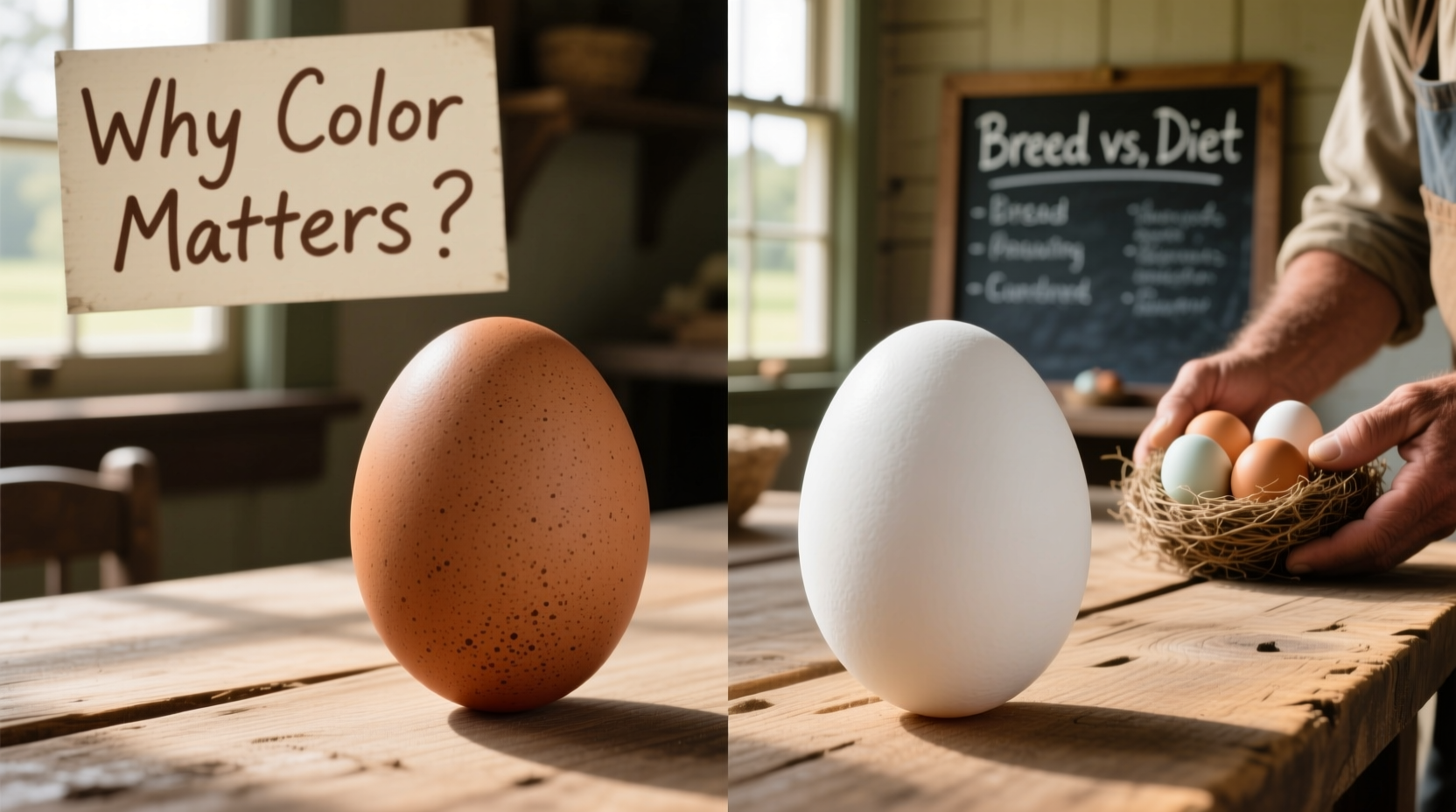
The primary reason for eggshell color lies in the genetics of the hen. White-feathered chickens with white earlobes, such as Leghorns, typically lay white eggs. In contrast, red- or brown-feathered hens with red earlobes—like Rhode Island Reds or Plymouth Rocks—lay brown eggs. This correlation between earlobe color and eggshell pigmentation is remarkably consistent across breeds.
The brown pigment, primarily protoporphyrin IX, is deposited during the final hours of egg formation in the hen’s uterus. It only affects the outer layer of the shell and can be rubbed off. White eggs lack this pigment entirely. Some breeds even produce blue or green eggs due to a different pigment called oocyanin, which penetrates the entire shell structure—a trait found in Araucana and Ameraucana chickens.
“Shell color is a genetic marker, not a nutritional indicator. It tells you about the hen, not the egg inside.” — Dr. Karen Smith, Poultry Scientist, University of Georgia
Nutrition: Does Shell Color Affect What’s Inside?
One of the most persistent myths is that brown eggs are healthier or more natural than white eggs. Scientific analysis consistently shows no significant nutritional difference between eggs of different shell colors when laid by hens under similar conditions.
A large egg, regardless of shell color, contains approximately:
- 70–80 calories
- 6–7 grams of protein
- 5 grams of fat
- Vitamins A, D, E, and B12
- Choline, essential for brain health
The real determinants of nutritional content are the hen’s diet, living conditions, and access to sunlight—not the color of the shell. For example, hens fed flaxseed produce eggs higher in omega-3 fatty acids, while pasture-raised hens often yield eggs with more vitamin D and beta-carotene, resulting in deeper orange yolks.
Cost Differences and Economic Factors
Brown eggs are often more expensive than white ones, leading many to assume they’re superior. The price gap isn’t due to quality—it stems from production costs. Hens that lay brown eggs, such as the Rhode Island Red, are generally larger and require more feed. Since feed accounts for up to 70% of egg production costs, heavier birds mean higher expenses.
In commercial operations, white-egg-laying breeds like the Leghorn are favored for their efficiency—they consume less, start laying earlier, and produce more eggs per year. Brown-egg layers may lay fewer eggs annually, contributing further to cost differences.
This economic reality explains why supermarkets often price brown eggs higher, even though the contents are nutritionally equivalent. Marketing also plays a role; brown shells are frequently associated with “natural” or “farm-fresh” branding, reinforcing consumer perception of added value.
Consumer Perception and Labeling Confusion
Despite scientific evidence, many consumers still believe brown eggs are healthier, tastier, or more ethical. This perception is fueled by packaging design, store placement, and anecdotal experiences. However, taste differences are usually attributable to freshness, storage, and the hen’s diet—not shell color.
Labels add another layer of confusion. Terms like “cage-free,” “free-range,” and “organic” apply to housing and feeding practices, not shell color. A white egg can be organic and pasture-raised just as easily as a brown one. Consumers must read beyond the shell to understand what they’re really buying.
| Label | Meaning | Unrelated to Shell Color? |
|---|---|---|
| Organic | Hens fed certified organic feed, no antibiotics | Yes |
| Cage-Free | Hens not confined to cages (but may be indoors) | Yes |
| Free-Range | Hens have some outdoor access | Yes |
| Pasture-Raised | Hens spend significant time outdoors on pasture | Yes |
| Brown/White Shell | Determined by hen breed | Yes |
Real-World Example: A Farmer’s Perspective
Consider Sarah Thompson, who runs a mid-sized poultry farm in Vermont. She raises two flocks: one of White Leghorns (white eggs) and another of hybrid Rhode Island Reds (brown eggs). Both groups are housed in identical free-range conditions, fed the same organic grain mix, and rotated through pasture daily.
Despite identical care, her brown eggs sell for $0.15 more per dozen. Local customers often say they “taste richer” or “feel more wholesome.” When blind taste tests were conducted at her farmers’ market, however, participants couldn’t reliably distinguish between the two. The perceived difference was psychological, influenced by the earthy appearance of brown shells.
Sarah now includes educational cards at her stand explaining the science behind egg color. Her sales of white eggs have since increased by 20%, proving that informed consumers make choices based on facts, not assumptions.
How to Choose the Best Eggs: A Practical Checklist
To make smarter egg purchases, follow this actionable checklist:
- Check the label for farming practices: Look for “pasture-raised” or “certified organic” for higher welfare and nutrition.
- Assess freshness: Choose eggs with later sell-by dates and inspect for cracks.
- Consider your values: Support local farms if animal welfare or sustainability matters to you.
- Ignore shell color: Don’t assume brown means better or more natural.
- Store properly: Keep eggs in the coldest part of the fridge, not the door.
- Use within three weeks: Freshness peaks within 21 days of laying.
Frequently Asked Questions
Do brown eggs taste different from white eggs?
No, shell color does not affect flavor. Taste is influenced by the hen’s diet, freshness, and how the egg is cooked. A well-fed, recently laid egg of any color will taste fresh and rich.
Are brown eggs harder to crack than white eggs?
There is no consistent difference in shell strength based on color. Shell thickness depends more on the hen’s age, diet, and calcium intake. Older hens tend to lay thinner-shelled eggs, regardless of color.
Can I substitute brown eggs for white eggs in recipes?
Absolutely. Brown and white eggs are interchangeable in all cooking and baking applications. The substitution has no impact on texture, rise, or flavor in cakes, custards, or savory dishes.
Conclusion: Making Informed Choices Beyond the Shell
The debate over brown versus white eggs ultimately reveals more about consumer psychology than food science. While the color difference is real, its implications are superficial. What truly matters is how the hens are raised, what they eat, and how long ago the eggs were laid. By shifting focus from shell color to farming transparency and labeling accuracy, shoppers can make choices aligned with their health, budget, and ethics.




 浙公网安备
33010002000092号
浙公网安备
33010002000092号 浙B2-20120091-4
Comments
No comments yet. Why don't you start the discussion?