
When it comes to shipping fragile items—whether glassware, electronics, or collectibles—the right packaging material can mean the difference between a safe arrival and shattered disappointment. Two of the most commonly used materials are bubble wrap and foam insulation. Both claim to protect, but they function very differently and suit distinct needs. Understanding their strengths, weaknesses, and ideal applications helps ensure your shipments arrive intact while optimizing cost and environmental impact.
How Bubble Wrap Works: Air Cushioning in Action
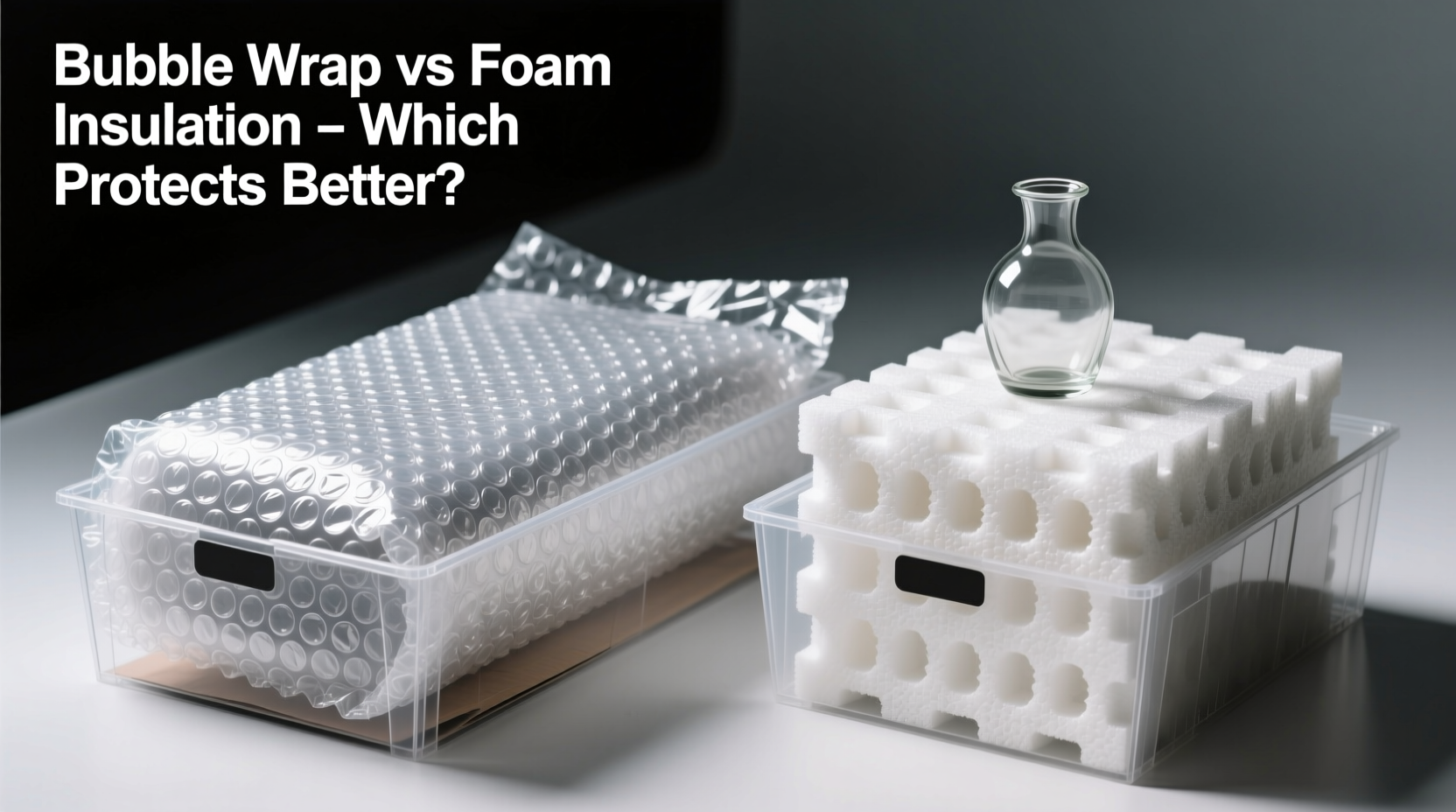
Bubble wrap consists of two plastic sheets sealed together with air-filled bubbles. These pockets compress upon impact, absorbing shock by distributing force across a larger area. The effectiveness depends on bubble size and layer count: small bubbles work well for lightweight items, while larger bubbles provide more cushioning for heavier objects.
Bubble wrap excels in wrapping individual components tightly. It conforms easily around irregular shapes, making it ideal for wrapping delicate parts before placing them in a box. Its transparency also allows shippers to verify contents without unwrapping.
Despite its popularity, bubble wrap has drawbacks. It’s prone to popping under pressure or heat, reducing protection over time. Additionally, traditional polyethylene bubble wrap is not biodegradable, raising sustainability concerns unless recycled properly.
Foam Insulation: Rigid Protection with Structural Integrity
Foam insulation—typically made from polyethylene (PE), polyurethane (PU), or expanded polystyrene (EPS)—offers a denser, more rigid form of protection. Unlike bubble wrap’s flexible cushioning, foam provides structural support that resists compression and maintains shape during transit.
Foam is often custom-cut into inserts or molded trays that cradle items precisely. This \"form-fitting\" design minimizes movement inside the box, which is critical for sensitive electronics or machinery. Closed-cell foams also offer moisture resistance, adding an extra layer of defense against humidity and condensation.
While excellent for repeated use and industrial applications, foam lacks the adaptability of bubble wrap. It's harder to modify on the fly and requires more storage space due to its bulkiness. Custom foam inserts can also be expensive to produce unless ordered in volume.
“Foam doesn’t just cushion—it immobilizes. For precision equipment, that’s non-negotiable.” — Dr. Alan Reeves, Packaging Engineer at Logistics Dynamics Lab
Comparative Analysis: Key Factors Side-by-Side
| Factor | Bubble Wrap | Foam Insulation |
|---|---|---|
| Shock Absorption | Good for light to moderate impacts; degrades if bubbles pop | Superior for heavy-duty drops; consistent performance |
| Conformability | Excellent—wraps around curves and angles | Limited unless custom-molded |
| Reusability | Moderate—if not popped, can be reused | High—durable and resilient over multiple shipments |
| Cost Efficiency | Low upfront cost; economical for small-scale use | Higher initial cost; cost-effective at scale |
| Sustainability | Poor unless recycled; contributes to plastic waste | Better recyclability in some forms (e.g., PE foam); EPS less eco-friendly |
| Storage & Space | Compact when rolled; easy to store | Bulky; requires dedicated space |
Real-World Scenario: Shipping Antique Glass Vases
A small artisan shop ships hand-blown glass vases nationwide. Each vase has unique contours and weighs between 3–5 pounds. Initially, they used only bubble wrap—double-layered and taped securely. However, damage rates hovered around 12%, primarily due to shifting during last-mile delivery.
To improve outcomes, the team introduced die-cut foam bases inside each box. The bottom foam cradled the base firmly, while bubble wrap still protected the neck and body. This hybrid approach reduced breakage to under 3%. The added material cost was offset by fewer replacements and higher customer satisfaction.
This case illustrates that neither material alone is always optimal. Combining both leverages their complementary benefits: foam for stabilization, bubble wrap for flexible padding.
Choosing the Right Material: A Step-by-Step Decision Guide
Selecting between bubble wrap and foam shouldn’t be arbitrary. Follow this sequence to make an informed choice:
- Assess Item Fragility: Is it glass, ceramic, or electronic circuitry? High-sensitivity items lean toward foam or hybrid solutions.
- Evaluate Shape Complexity: Irregular shapes benefit from bubble wrap’s flexibility. Uniform items fit better in foam cavities.
- Determine Shipment Volume: Occasional senders save with bubble wrap. Frequent shippers gain efficiency from reusable foam inserts.
- Analyze Transit Risks: Long-distance or multi-handling routes demand sturdier protection—foam wins here.
- Consider Environmental Goals: If sustainability matters, explore biodegradable bubble alternatives or recyclable PE foam.
- Test Before Scaling: Run a trial shipment with both methods and compare results.
Actionable Checklist for Optimal Fragile Item Packaging
- ✅ Measure and weigh the item accurately before selecting materials
- ✅ Use at least two layers of bubble wrap for delicate surfaces
- ✅ Place foam pads at the bottom and top of the box for added buffer
- ✅ Fill all voids with packing peanuts or paper to prevent internal movement
- ✅ Seal boxes with reinforced tape and label as “Fragile” and “This Side Up”
- ✅ Conduct drop tests on sample packages to simulate real handling
- ✅ Recycle or reuse materials whenever possible to reduce waste
Frequently Asked Questions
Can I use foam insulation from hardware stores for shipping?
Yes, but with caution. Standard construction-grade foam (like pipe insulation) lacks the density and cleanliness required for secure shipping. Instead, use packaging-specific foams such as cross-linked polyethylene (XLPE), which offers better durability and safety.
Is biodegradable bubble wrap as effective as regular?
Modern compostable bubble wraps made from plant-based polymers perform comparably under normal conditions. However, they may degrade faster in humid environments or after prolonged storage. Use them within six months and avoid extreme temperatures.
Which material reduces shipping insurance claims more?
Data from third-party logistics providers shows that custom foam packaging reduces claims by up to 60% compared to standard bubble-wrapped items. The key factor is minimized product movement inside the container, which foam achieves more reliably.
Final Recommendation: Match the Material to the Mission
There’s no universal winner in the bubble wrap vs foam insulation debate. Bubble wrap remains the go-to for affordability, versatility, and ease of use—especially for individuals and small businesses. Foam insulation shines in professional, high-volume, or high-risk scenarios where consistency and structural integrity are paramount.
The smartest approach often involves combining both. Use foam to anchor and stabilize, then wrap with bubble film for surface protection. This dual-defense strategy maximizes safety without unnecessary cost.




 浙公网安备
33010002000092号
浙公网安备
33010002000092号 浙B2-20120091-4
Comments
No comments yet. Why don't you start the discussion?