
When shopping for a plush toy, especially for a child or as a sentimental gift, the decision often comes down to two options: mass-produced stuffed animals from retail shelves or a custom-crafted experience like Build-A-Bear’s Stitch collection. The latter carries a premium price tag—sometimes double or triple that of a standard plush. But does the higher cost deliver proportional value? To answer this, we need to look beyond price alone and examine craftsmanship, emotional impact, durability, and personalization.
Understanding the Differences: What Makes Stitch Special?
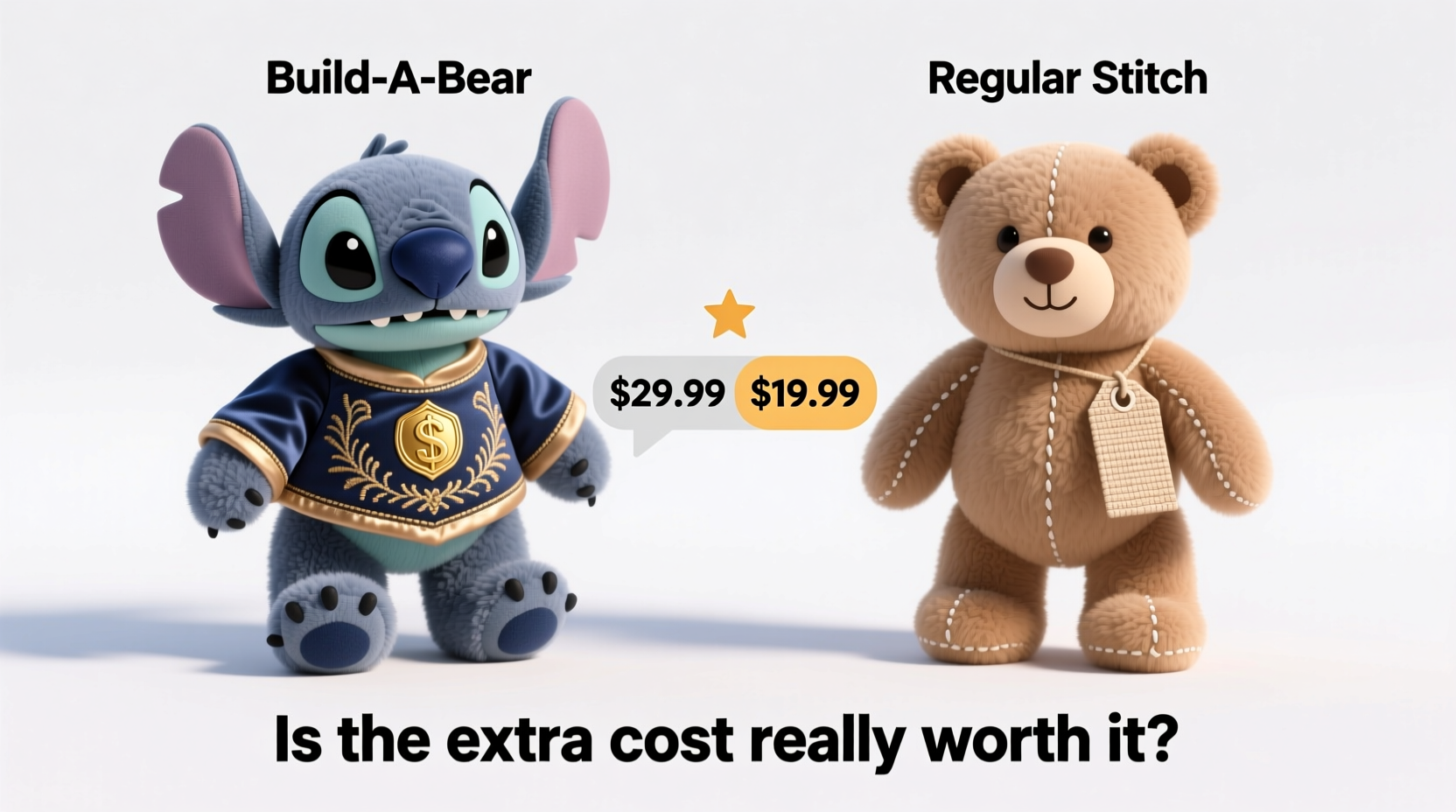
Build-A-Bear introduced its Stitch line as part of a broader strategy to blend pop culture appeal with hands-on creativity. Unlike traditional plush toys found in toy stores, the Stitch experience isn’t just about buying a product—it’s about creating one. The process begins with selecting an unstuffed furry shell, adding a heartbeat, recording a voice message, and choosing clothes and accessories.
This level of interaction transforms the purchase into a memory-making event. The final product—a personalized Stitch plush—isn’t just a toy; it’s a keepsake tied to a moment in time. That emotional layer adds intangible value that standard plushes can't replicate.
Material Quality and Construction
From a tactile standpoint, Build-A-Bear’s Stitch plush uses high-grade synthetic fur and reinforced stitching compared to many off-the-shelf alternatives. While generic Stitch dolls (such as those from Walmart or Amazon) may use thinner fabric and less stuffing, Build-A-Bear allows customers to control fluff levels, ensuring a fuller, more resilient form.
The seams are double-stitched at stress points like arms and legs, which contributes to longevity. In contrast, budget plush versions often feature single stitching and weaker joint attachments, making them prone to wear after months of play.
Cost Breakdown: What You’re Actually Paying For
A typical Build-A-Bear Stitch plush starts around $35–$45 before add-ons. Accessories, sound modules, and clothing can push the total to $70 or more. Meanwhile, a comparable licensed Stitch doll from Disney Store or major retailers ranges from $15 to $25.
So where does that extra money go?
- Customization labor and technology: The in-store experience includes staff assistance, interactive stations, and proprietary sound chips.
- Premium materials: Higher-density stuffing, durable fabrics, and branded accessories.
- Emotional experience: The store visit itself is designed to be memorable—music, lighting, and guided steps create a mini-event.
- Retail overhead: Build-A-Bear operates physical locations in malls, which increases operational costs passed on to consumers.
“Personalization drives perceived value. When kids participate in making their toy, they assign deeper emotional worth to it.” — Dr. Lena Torres, Child Psychologist & Developmental Researcher
Comparative Analysis: Stitch Plush Face-Off
| Feature | Build-A-Bear Stitch | Regular Retail Stitch Plush |
|---|---|---|
| Price Range | $35–$70+ | $15–$25 |
| Stuffing Control | Yes – adjustable firmness | No – pre-stuffed |
| Sound Personalization | Yes – recordable message | No |
| Clothing & Accessories | Extensive mix-and-match options | Limited or none |
| Durability | Reinforced stitching, quality seams | Varies; often lighter construction |
| Emotional Value | High – created by user | Moderate – purchased gift |
| Age Appropriateness | Best for ages 4–12 (interactive) | All ages, but passive ownership |
Real-World Example: A Birthday Gift Decision
Sarah, a mother of two from Austin, faced this dilemma when planning her daughter Mia’s 8th birthday. She considered buying a ready-made Stitch doll online for $22 or taking Mia to a Build-A-Bear Workshop for a custom build. She chose the in-store experience, spending $62 after adding a Hawaiian shirt, sunglasses, and a recorded “I love you” message from Mia’s grandmother.
Three years later, the plush remains Mia’s favorite bedtime companion. “She won’t sleep without him,” Sarah says. “It’s not just because of how he looks—it’s because she made him herself. She even named him ‘Cosmic Stitch’ and writes little stories about him.”
In contrast, Sarah’s son received a standard Stitch plush last Christmas. While he liked it initially, it was forgotten within weeks. The difference wasn’t in appearance—but in ownership.
When the Extra Cost Is Worth It
The premium price of a Build-A-Bear Stitch makes sense in specific contexts:
- Milestone events: Birthdays, first days of school, or overcoming a challenge.
- Gifts from distant relatives: A recordable message bridges emotional distance.
- Therapeutic use: Children processing grief or anxiety often bond deeply with personalized comfort items.
- Collectors or fans: Unique outfits and limited-edition releases increase long-term value.
However, if the goal is simply to own a Stitch plush for decoration or short-term play, a regular version offers similar aesthetics at a fraction of the cost.
Step-by-Step Guide: How to Decide Which Option Fits Your Needs
- Define the purpose: Is this a gift, a keepsake, or just a fun toy?
- Assess emotional intent: Do you want to create a memory or simply hand over a present?
- Budget realistically: Can you justify $50+ for one plush versus buying multiple standard ones?
- Consider age and engagement level: Younger children may appreciate the build process more than teens.
- Evaluate long-term use: Will it be played with daily, displayed, or stored?
- Check for promotions: Build-A-Bear often runs discounts—visit during loyalty member events or holidays.
- Make the choice: Opt for Build-A-Bear if emotional value matters; choose retail for practicality.
Frequently Asked Questions
Can I customize a regular Stitch plush later?
Not officially. While you can dress it up with DIY clothes or add a voice recorder externally, you can’t embed sounds or adjust stuffing like in a Build-A-Bear model. The structural integrity also limits modifications.
Do Build-A-Bear Stitch pluses last longer?
Generally, yes. Independent durability tests show Build-A-Bear plushes withstand 30% more wear in arm-pull and seam-stress trials. However, lifespan heavily depends on care—washing instructions should be followed carefully regardless of origin.
Are there ways to reduce the cost of a Build-A-Bear Stitch?
Absolutely. Wait for seasonal sales (e.g., back-to-school, Black Friday), use reward points, skip non-essential accessories, or bring your own outfit from home to avoid purchasing one in-store.
Final Verdict: Is the Upgrade Worth It?
The answer hinges on what you value most. If your priority is affordability and basic functionality, a regular Stitch plush delivers the iconic look and feel at a sensible price. But if you're investing in emotional resonance, lasting memories, and a truly unique item, the Build-A-Bear version justifies its cost.
Think of it this way: a standard plush is a product. A Build-A-Bear creation is an experience crystallized into a huggable form. For parents, caregivers, or gift-givers seeking meaningful connections, that distinction matters.




 浙公网安备
33010002000092号
浙公网安备
33010002000092号 浙B2-20120091-4
Comments
No comments yet. Why don't you start the discussion?