
Keychains are more than just functional accessories—they’re personal statements. From sleek metal fobs to quirky novelties, they reflect personality, utility, and sometimes, childhood memories. In recent years, building block keychains, particularly those inspired by LEGO, have surged in popularity. But is their appeal rooted in genuine superiority over traditional keychains, or is it primarily driven by nostalgia? To answer this, we need to look beyond sentimentality and examine real-world performance, design flexibility, durability, and practicality.
The Rise of the Building Block Keychain
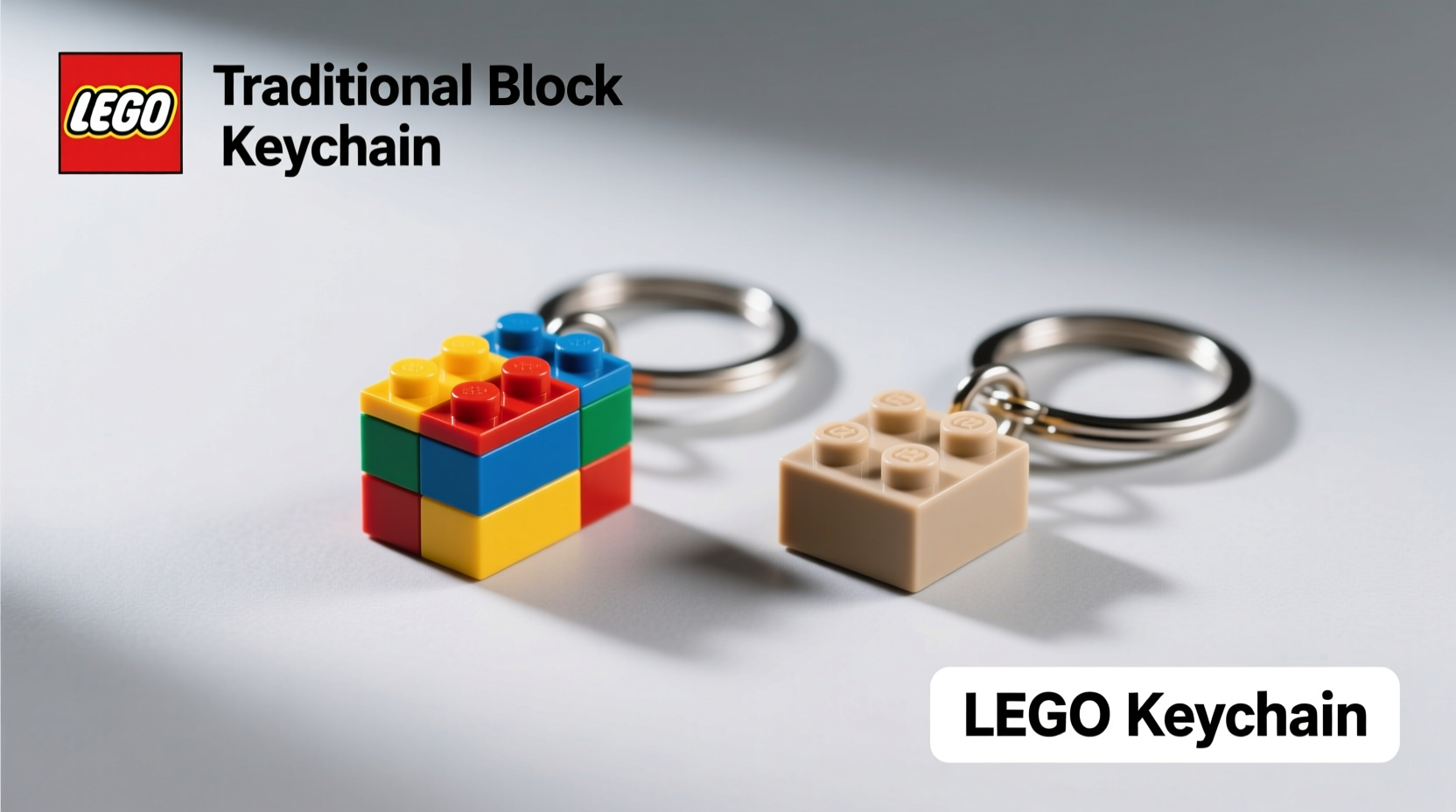
Originally designed as children’s toys, LEGO bricks have evolved into a cultural phenomenon. Their transition into fashion and lifestyle products—like keychains—is a natural extension of brand loyalty and creative expression. Unlike mass-produced metal or leather keychains, LEGO-based versions offer customization. You can snap together different colored bricks, create mini figures, or even build tiny replicas of iconic symbols. This modularity gives them an edge in personalization that most traditional keychains simply can’t match.
Moreover, LEGO has officially embraced this trend. The company now sells licensed keychain sets featuring popular themes like Star Wars, Harry Potter, and City Police. These aren't knock-offs; they're authentic, compact builds designed specifically for portability and attachment to keyrings.
Durability: Plastic vs. Metal and Leather
Durability is where traditional keychains often shine. Materials like stainless steel, brass, or full-grain leather are built to withstand years of daily use. They resist weather, friction, and impact far better than plastic components. A well-crafted metal keychain might develop a patina over time, but it rarely breaks unless subjected to extreme force.
In contrast, LEGO bricks are made from ABS (acrylonitrile butadiene styrene) plastic—a durable thermoplastic, yes, but still prone to cracking under pressure or after prolonged exposure to UV light and temperature extremes. If you frequently toss your keys into a bag or pocket, the repeated impacts may cause LEGO pieces to loosen or snap apart.
That said, LEGO’s engineering ensures strong interlocking mechanisms. When properly assembled, a LEGO keychain can survive moderate wear. However, unlike a forged metal ring or stitched leather tag, it's not indestructible. It demands more careful handling—especially if it includes small, intricate parts like minifigure accessories.
“Plastic keychains can be surprisingly resilient, but they’re not engineered for high-impact environments. Their longevity depends heavily on usage patterns.” — Dr. Lena Torres, Materials Scientist at Urban Accessory Labs
Design Flexibility and Customization
This is where LEGO keychains pull ahead. Traditional keychains come in fixed designs: engraved initials, stamped logos, or pre-made shapes. While elegant, they lack adaptability. Once purchased, they remain unchanged unless modified externally (e.g., adding charms).
LEGO keychains, however, invite creativity. You can disassemble and rebuild them at will. Want a red spaceship today and a green dinosaur tomorrow? Just swap the bricks. Some enthusiasts even rotate designs seasonally or based on mood. This level of interactive customization is unmatched in the traditional keychain market.
Beyond color and shape, LEGO allows storytelling. A tiny astronaut holding a flag, a miniature Eiffel Tower, or a pixel-art portrait—these aren’t just key holders; they’re wearable art. For collectors and creatives, this transforms a mundane object into a canvas.
Customization Comparison Table
| Feature | LEGO/Building Block Keychains | Traditional Keychains |
|---|---|---|
| Rebuildable Design | Yes – fully modular | No – fixed structure |
| Color Variety | Over 50 standard colors | Limited by material finish |
| Personal Expression | High – user-defined builds | Moderate – engravings or preset designs |
| Interchangeability | Bricks compatible across sets | Attachments limited to charm rings |
| DIY Potential | Extensive – online communities share blueprints | Minimal – requires tools/skills |
Emotional Value vs. Practical Function
Nostalgia plays a significant role in the popularity of LEGO keychains. For adults who grew up playing with LEGO in the '80s, '90s, or 2000s, attaching a small brick to their keys is a tactile reminder of childhood joy. It’s a subtle rebellion against the seriousness of adulthood—a way to carry playfulness into daily life.
But emotional resonance doesn’t always translate to superior function. Traditional keychains often win in pure utility. They’re slimmer, smoother, and less likely to snag on fabric. A minimalist titanium key organizer, for example, keeps keys secure, quiet, and accessible—something a protruding LEGO minifigure cannot achieve.
Yet, functionality isn’t the only metric. For many, the joy of using something that sparks a smile outweighs minor inconveniences. If your keychain makes you pause and grin every time you reach for your keys, it serves a purpose beyond organization.
Mini Case Study: Sarah’s Commute Transformation
Sarah, a 34-year-old project manager in Chicago, replaced her old leather keychain with a custom LEGO build shaped like a tiny laptop with a coffee cup. “It started as a joke,” she says, “but now I love it. My coworkers always comment on it, and honestly, pulling out my keys feels lighter, somehow. Less robotic.” She admits it caught on her scarf once, but she didn’t mind. “I just fixed the piece and kept going. It’s part of the charm.”
For Sarah, the LEGO keychain isn’t about efficiency—it’s about identity and micro-moments of delight in a busy day.
Practical Tips for Choosing the Right Keychain
- Assess your lifestyle: Do you toss your keys into a crowded bag? Opt for sturdier materials.
- Consider size and weight: Bulky LEGO builds may feel awkward on a tight keyring.
- Think long-term: Will you want the same design in six months? LEGO allows changes; metal engravings are permanent.
- Check authenticity: Stick to official LEGO sets or reputable third-party brands to ensure quality plastic and secure connectors.
- Protect your investment: Use a protective casing if you plan to use your LEGO keychain daily.
FAQ
Can LEGO keychains get wet?
Occasional exposure to moisture won’t damage them, but prolonged soaking or submersion should be avoided. Water can seep between bricks and promote mold or discoloration over time. Always dry thoroughly if they get wet.
Are LEGO keychains safe for everyday use?
Yes, if handled responsibly. Avoid dropping them frequently or placing heavy stress on the connections. Smaller builds with fewer connection points are more vulnerable.
Do traditional keychains offer any customization options?
Some do—engraving, interchangeable tags, or modular metal systems—but none offer the hands-on, infinite reconfiguration of LEGO-style blocks.
Final Verdict: Better or Just Nostalgic?
LEGO keychains aren’t objectively “better” than traditional ones—they serve a different purpose. If your priority is ruggedness, minimalism, or professional appearance, a classic metal or leather keychain remains the smarter choice. But if you value creativity, self-expression, and a touch of whimsy, then LEGO-based designs offer something no traditional keychain can replicate: the freedom to build, rebuild, and carry a piece of your imagination with you.
The nostalgia factor amplifies their appeal, but it doesn’t invalidate their strengths. Their modularity, vibrant aesthetics, and emotional resonance make them more than just toys repurposed as accessories. They represent a shift toward personalized, interactive everyday objects.
In the end, the best keychain isn’t the most durable or the most stylish—it’s the one that feels right in your hand and brings a sense of ownership and joy every time you use it.




 浙公网安备
33010002000092号
浙公网安备
33010002000092号 浙B2-20120091-4
Comments
No comments yet. Why don't you start the discussion?