
Bullet journaling has evolved from a niche productivity method into a global phenomenon, especially among creatives and planners alike. At its core, it’s a customizable system that combines task management, habit tracking, scheduling, and reflection—all in one notebook. But for many beginners, the visual appeal of Pinterest-perfect spreads raises a question: Is the artistic effort truly worth the organizational benefits?
The answer isn’t a simple yes or no. For some, elaborate doodles and color-coded layouts are motivating tools that enhance focus and consistency. For others, they become time-consuming distractions from the primary goal: staying organized. The truth lies in balance—understanding when art serves function, and when it hinders progress.
Understanding the Bullet Journal System
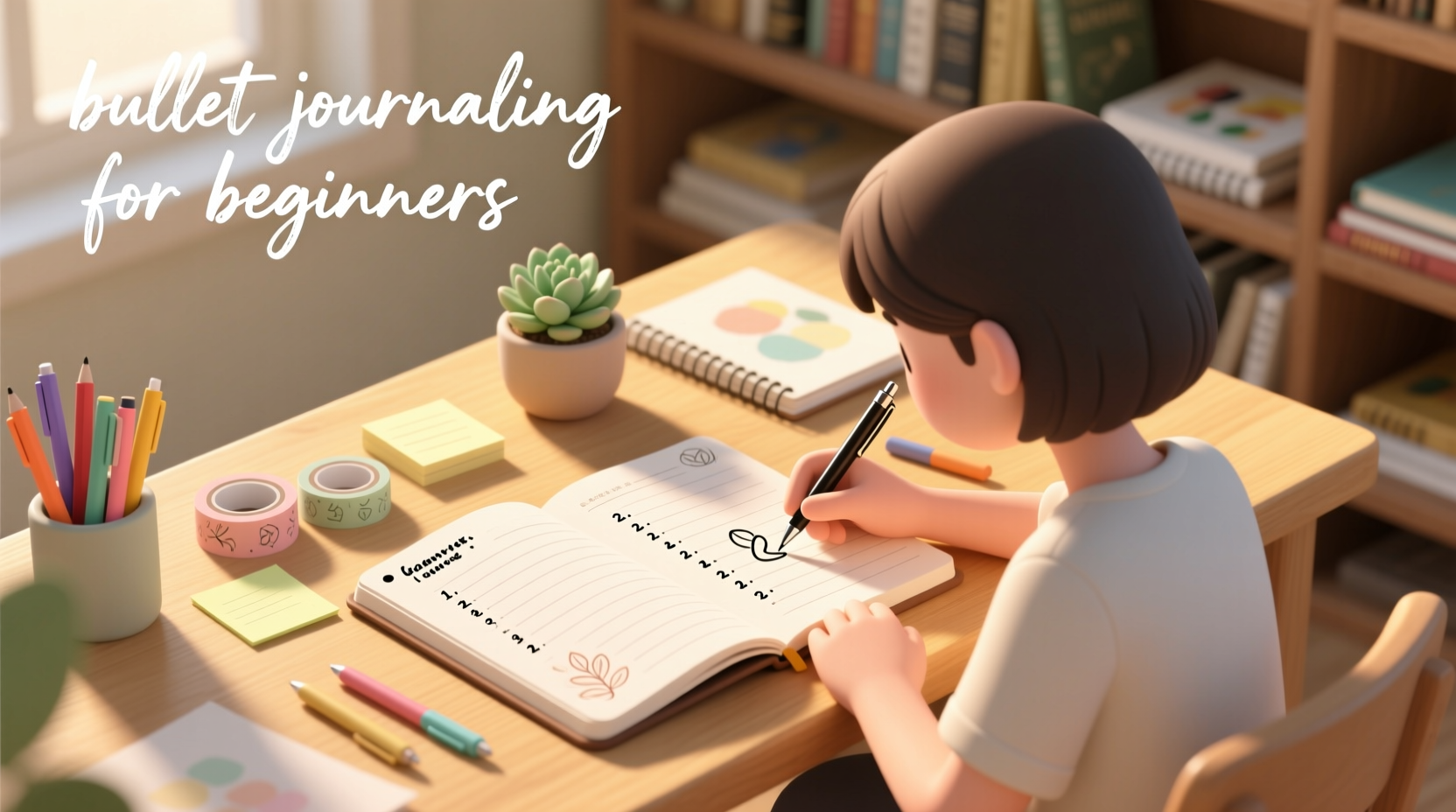
Invented by designer Ryder Carroll, the bullet journal (or BuJo) is built on rapid logging—a minimalist way to record tasks, events, and notes using short-form entries marked with symbols. These entries are grouped into collections such as monthly calendars, habit trackers, and goal lists. Unlike pre-printed planners, bullet journals adapt to your needs, making them ideal for people with dynamic routines.
The basic structure includes:
- Index: A table of contents for easy navigation.
- Future Log: A year-at-a-glance planner for long-term goals and events.
- Monthly Log: Monthly calendar and task list.
- Daily/Weekly Logs: Real-time task and event tracking.
- Custom Collections: Themed pages like reading lists, budget trackers, or mood charts.
This framework is inherently functional. Yet, over time, social media platforms like Instagram and TikTok have amplified the aesthetic side of bullet journaling, showcasing intricate lettering, watercolor accents, and hand-drawn icons. While inspiring, these visuals can intimidate newcomers who fear their journals won’t measure up.
The Role of Art in Organization
Artistic expression in a bullet journal isn't inherently wasteful—it can be a powerful cognitive tool. Studies in neuroscience suggest that combining visual elements with written information improves memory retention and emotional engagement. When you draw an icon next to a task or use color to categorize priorities, you're not just decorating; you're encoding information more effectively.
For example, coloring a habit tracker green for completed days creates instant visual feedback. This small act reinforces positive behavior through immediate recognition. Similarly, drawing a tiny coffee cup next to morning routines makes the entry more personal and memorable than a plain checkbox.
However, the value diminishes when the process becomes more about appearance than utility. Spending 45 minutes perfecting calligraphy for a to-do list defeats the purpose of quick logging. The key is intentionality: every artistic choice should serve clarity, motivation, or efficiency—not just impress others online.
“Creativity amplifies functionality when it supports your goals, not when it distracts from them.” — Dr. Lena Torres, Cognitive Psychologist & Productivity Researcher
Step-by-Step Guide to Starting a Practical Yet Creative Journal
Beginners often struggle with where to start. Too much structure feels rigid; too little leads to chaos. Follow this balanced approach to build a journal that works for you—without requiring artistic talent.
- Choose the Right Tools: Use a dotted or grid notebook (like Leuchtturm1917 or Moleskine) and two pens—one for writing, one for headers. Optional: colored pens or pencils for light accents.
- Create Your Index: Reserve the first two pages. Update it as you add new collections.
- Set Up a Future Log: Divide a two-page spread into six sections (one per month). Add birthdays, deadlines, and vacations.
- Build a Monthly Log: On the left page, list dates 1–31. On the right, write monthly tasks and goals. Keep formatting simple.
- Design a Daily Log: Each day, jot down tasks, events, and notes using bullets (•), circles (○), and dashes (–). Migrate unfinished items weekly.
- Add One Custom Collection: Pick something meaningful—like a gratitude log or workout tracker. Use minimal decoration unless it adds value.
- Review Weekly: Spend 10 minutes every Sunday reviewing what worked, what didn’t, and planning the week ahead.
This sequence ensures you establish function first. Once comfortable, experiment with light design elements—like underlining headers in blue or adding small seasonal icons.
Do’s and Don’ts of Artistic Bullet Journaling
To maintain focus on productivity while embracing creativity, follow this practical checklist:
| Do | Don’t |
|---|---|
| Use consistent symbols for tasks, events, and notes | Overcomplicate your key with too many icons |
| Add color to highlight priority levels | Spend more than 5 minutes decorating a single page |
| Draw borders or dividers if they improve readability | Feel obligated to fill every blank space with art |
| Incorporate stickers or washi tape sparingly for visual cues | Buy expensive supplies before testing the system |
| Sketch rough drafts of layouts before finalizing | Compare your journal to highly edited social media posts |
Remember, your bullet journal is a personal tool—not a portfolio. What matters is whether it helps you stay on track, reduce mental clutter, and reflect meaningfully on your days.
Real Example: Sarah’s Journey from Overwhelmed to Organized
Sarah, a freelance graphic designer, started bullet journaling after missing client deadlines and feeling constantly scattered. Initially drawn by beautiful Instagram layouts, she bought a premium notebook and a set of 24 brush pens. Her first spread took three hours to complete—and included floral borders, gradient titles, and gold foil accents.
By day four, she hadn’t updated her journal. The pressure to make each entry “perfect” paralyzed her. She abandoned the project within a week.
After reading Ryder Carroll’s book, she restarted with a $5 dot-grid notebook and a black ballpoint pen. She focused only on logging tasks, migrating unfinished ones, and tracking sleep patterns. Within two weeks, she noticed fewer missed appointments and better workflow management.
Gradually, she introduced subtle creative touches: red dots for high-priority tasks, small sun/moon icons for mood tracking, and wavy lines to separate sections. These additions enhanced usability without slowing her down. Today, her journal remains simple—but effective. And she hasn’t missed a deadline in five months.
Frequently Asked Questions
Do I need to be artistic to start a bullet journal?
No. Bullet journaling is fundamentally about organization, not art. Many effective journals use only text and basic symbols. Drawing skills are optional. If you enjoy creativity, incorporate it slowly—but never let it block your progress.
How much time should I spend on my journal daily?
Aim for 5–10 minutes per day for logging tasks and events. Weekly reviews may take 15–20 minutes. If you’re spending more than 30 minutes per week on decoration alone, reconsider your approach. Efficiency is part of the system’s strength.
Can digital tools replace a bullet journal?
Digital apps offer convenience and searchability, but they lack the tactile engagement and cognitive benefits of handwriting. Writing by hand increases retention and reduces mindless scrolling. That said, hybrid systems—using digital tools for reminders and a physical journal for deep planning—are increasingly popular and valid.
Building a Sustainable Practice
The longevity of your bullet journal depends less on aesthetics and more on alignment with your lifestyle. Ask yourself: Does this layout make my day easier? Does it reduce anxiety or increase it? Am I using it because I want to, or because I feel I should?
Sustainability comes from relevance. A student might benefit from exam countdowns and class schedules. A parent might prefer meal planners and chore charts. A creative professional could use idea logs and project timelines. Tailor your collections to real-life needs.
Also, allow room for imperfection. Pages will get messy. Some days you’ll forget to log. That’s normal. The power of the system lies in migration—the practice of moving unfinished tasks forward. It teaches accountability without guilt.
“The bullet journal isn’t about perfection. It’s about presence—being intentional with your time and attention.” — Ryder Carroll, Creator of the Bullet Journal Method
Conclusion: Make It Work for You
Bullet journaling for beginners doesn’t have to be a battle between art and organization. When approached with clarity and purpose, the two can coexist—each enhancing the other. The artistic effort is worth it only when it fuels consistency, not when it replaces substance.
Start small. Stay consistent. Let your journal evolve naturally. Whether yours is filled with sketches or stark minimalism, what matters is that it helps you move through your days with greater focus and calm.




 浙公网安备
33010002000092号
浙公网安备
33010002000092号 浙B2-20120091-4
Comments
No comments yet. Why don't you start the discussion?