
Stress is a familiar companion in modern life—tight deadlines, overflowing inboxes, family responsibilities, and financial pressures keep many of us in a constant state of low-grade tension. But when that tension doesn’t ease, when recovery becomes rare, and when motivation evaporates, something deeper may be taking hold: burnout. While often used interchangeably, stress and burnout are not the same. Understanding the distinction—and catching the subtle signals before full collapse—is essential for long-term well-being, performance, and mental resilience.
Burnout isn’t just “being tired.” It’s a psychological syndrome rooted in chronic workplace or life-related stress that hasn’t been successfully managed. Recognizing its progression from manageable stress to full emotional depletion can mean the difference between regaining balance and facing months of recovery.
The Core Difference: Stress vs Burnout
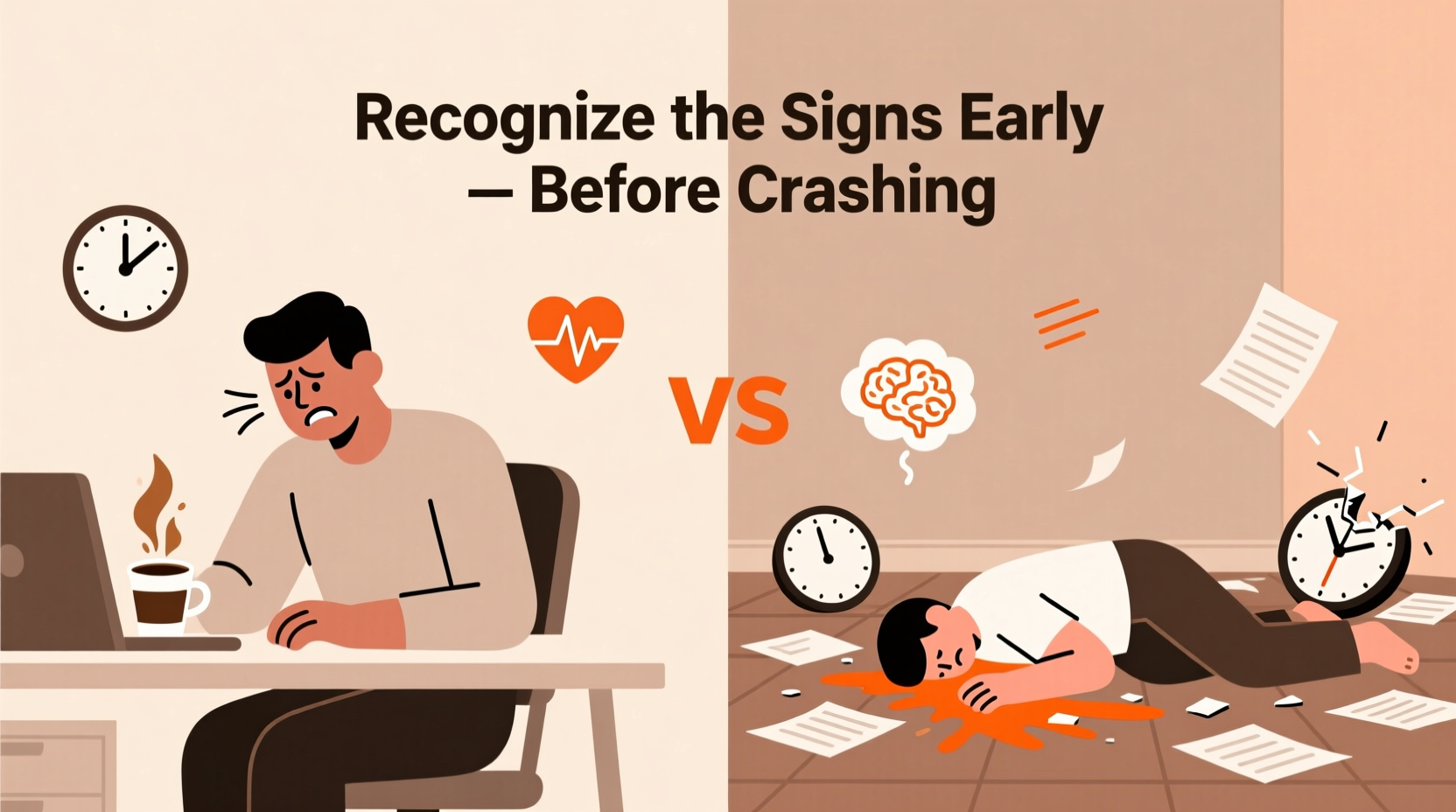
At first glance, stress and burnout may seem like points on the same spectrum. In reality, they represent different psychological states with distinct causes, symptoms, and outcomes.
Stress is typically acute and reactive. It arises in response to external pressures—a looming deadline, an argument, or a sudden workload increase. The body activates its fight-or-flight response, releasing cortisol and adrenaline. Energy is high, focus is sharp (though scattered), and the individual feels overwhelmed but still engaged. Once the pressure lifts, recovery is usually quick.
Burnout, by contrast, is chronic and cumulative. It develops over time when stress is unrelenting and recovery is insufficient. Instead of feeling overwhelmed, a person experiencing burnout feels empty, detached, and ineffective. Motivation fades, performance declines, and even small tasks feel insurmountable. Unlike stress, which energizes (however unpleasantly), burnout drains.
“Burnout is not the result of working hard. It’s the result of working without meaningful recovery.” — Dr. Christina Maslach, pioneer in burnout research
Recognizing the Early Warning Signs
One of the most dangerous aspects of burnout is how gradually it sets in. Symptoms often masquerade as normal fatigue or temporary overwhelm. By the time someone realizes they’re burned out, the damage may already be severe.
Early detection requires paying attention to subtle shifts in mood, behavior, and physical health. These changes don’t appear overnight—they build slowly, like sediment in a riverbed.
Physical Indicators
- Unexplained fatigue that sleep doesn’t resolve
- Frequent headaches or muscle tension
- Changes in appetite or weight
- Increased susceptibility to illness
- Difficulty sleeping despite exhaustion
Emotional and Cognitive Shifts
- Irritability over minor inconveniences
- Feeling cynical or detached from work or relationships
- Difficulty concentrating or making decisions
- Loss of enjoyment in activities once found fulfilling
- Self-doubt creeping into professional identity (“I’m not good enough”)
Behavioral Changes
- Withdrawing from social interactions
- Procrastinating on tasks you used to handle easily
- Increased reliance on caffeine, alcohol, or other stimulants
- Neglecting personal care or hobbies
- Calling in sick more frequently
Key Differences in a Nutshell: A Comparison Table
| Aspect | Stress | Burnout |
|---|---|---|
| Nature | Acute, reactive | Chronic, cumulative |
| Energy Level | Hyper-aroused, anxious | Depleted, numb |
| Motivation | High (driven by urgency) | Low (feels pointless) |
| Focus | Scattered but active | Poor, mentally foggy |
| Outlook | “I can’t keep up right now” | “Nothing matters anymore” |
| Recovery | Quick with rest or reduced load | Slow, requires systemic change |
A Real-Life Scenario: From High Performer to Hidden Struggle
Sarah, a project manager at a fast-growing tech startup, was known for her reliability and drive. For months, she worked 55–60 hour weeks, consistently stepping in to cover team gaps and meeting every deadline. At first, the stress sharpened her focus. She thrived on the pace, telling herself she was “in the zone.”
But over time, the weekends stopped restoring her. She started dreading Monday mornings. Small emails triggered frustration. She began skipping workouts and meals, surviving on coffee and convenience food. Her sleep became erratic. She snapped at her partner over trivial things.
When a junior colleague asked for help, Sarah responded with impatience—unlike her usual supportive self. Later, she felt guilty but couldn’t muster the energy to apologize. Her performance reviews, once glowing, noted declining collaboration and initiative.
It wasn’t until she called in sick three days in a row with no physical illness that she realized something was wrong. Her doctor didn’t find an infection or hormonal imbalance—just burnout. The realization hit hard: she hadn’t just been stressed; she had been emotionally depleted for months without noticing.
Sarah’s story is common. High achievers are especially vulnerable because their identity is often tied to productivity. They push through stress until there’s nothing left to give.
Prevention and Recovery: A Step-by-Step Guide
Reversing burnout requires more than a weekend off. It demands intentional, sustained changes. Here’s a practical timeline to regain balance:
- Week 1: Pause and Assess
Take stock of your current state. Use a journal to track sleep, mood, workload, and energy levels. Ask yourself: What activities drain me? Which ones restore me? - Week 2: Set Boundaries
Define clear work hours. Turn off notifications after 7 PM. Learn to say no to non-essential tasks. Delegate where possible. Communicate limits respectfully but firmly. - Week 3: Reintroduce Recovery
Schedule short breaks during the day. Practice deep breathing or mindfulness for 5–10 minutes daily. Prioritize 7–8 hours of sleep. Begin light physical activity, like walking. - Week 4: Reconnect with Purpose
Reflect on what originally motivated you in your role or lifestyle. Identify values that have been neglected—creativity, connection, growth. Align small actions with those values. - Month 2–3: Structural Adjustments
Evaluate long-term changes: job redesign, flexible scheduling, therapy, or career transition if needed. Build routines that include regular disconnection and meaningful engagement.
Action Checklist: Preventing Burnout Before It Starts
- ✅ Audit your weekly schedule for recovery time
- ✅ Identify three major stressors and brainstorm one mitigation strategy for each
- ✅ Schedule one non-work activity per week that brings joy
- ✅ Practice saying “no” to one low-priority request this week
- ✅ Talk to a trusted friend or therapist about how you’re really feeling
- ✅ Disconnect from digital devices for at least one hour before bed
- ✅ Take all your vacation days—even if you stay home
Expert Insight: The Role of Organizations
While individuals bear some responsibility for self-care, burnout is often systemic. Work cultures that glorify overwork, lack psychological safety, or provide inadequate support accelerate burnout.
“Burnout is not a personal failure. It’s a signal that the environment is misaligned with human sustainability.” — Dr. Brené Brown, Research Professor and Author
Forward-thinking organizations now measure employee well-being alongside performance metrics. They encourage boundary-setting, offer mental health resources, and train managers to spot early signs of strain. As an employee, you can advocate for change by sharing feedback and modeling healthy behaviors. As a leader, fostering psychological safety and realistic expectations reduces turnover and boosts innovation.
Frequently Asked Questions
Can you recover from burnout without quitting your job?
Yes, many people recover without leaving their roles. Success depends on making structural changes—reducing workload, improving support, setting boundaries, and prioritizing recovery. Therapy and coaching can also help reframe challenges and rebuild resilience.
Is burnout classified as a medical condition?
As of 2019, the World Health Organization (WHO) included burnout in the 11th Revision of the International Classification of Diseases (ICD-11) as an occupational phenomenon. It is not classified as a medical illness but is recognized as a legitimate source of distress with real physiological and psychological impacts.
How long does it take to recover from burnout?
Recovery varies widely. Mild cases may improve in a few weeks with proper rest and adjustments. Severe burnout can take several months or longer, especially if it has led to anxiety, depression, or physical health issues. Patience and professional support are crucial.
Conclusion: Listen Before the Crash
The line between stress and burnout is thinner than many realize. One is a signal to slow down; the other is proof that you already have. The goal isn’t to eliminate stress entirely—that’s neither possible nor desirable. Healthy stress motivates growth. But chronic, unmanaged stress erodes the foundation of well-being.
Recognizing the early signs—fatigue that won’t lift, irritability that lingers, motivation that flickers out—is an act of self-respect. It’s choosing long-term vitality over short-term performance. Whether you’re navigating a demanding job, caregiving responsibilities, or personal challenges, your capacity to sustain effort depends on your ability to recover.




 浙公网安备
33010002000092号
浙公网安备
33010002000092号 浙B2-20120091-4
Comments
No comments yet. Why don't you start the discussion?