
Experiencing burning or itching in the genital area is more common than many people realize, yet it often brings discomfort, embarrassment, and concern. Whether it's a sudden sting during urination or a persistent itch that worsens at night, these symptoms can stem from a range of causes — some minor, others requiring medical attention. Understanding what might be behind the irritation, how to find relief, and when to see a healthcare provider is essential for both comfort and long-term health.
Common Causes of Genital Burning and Itching
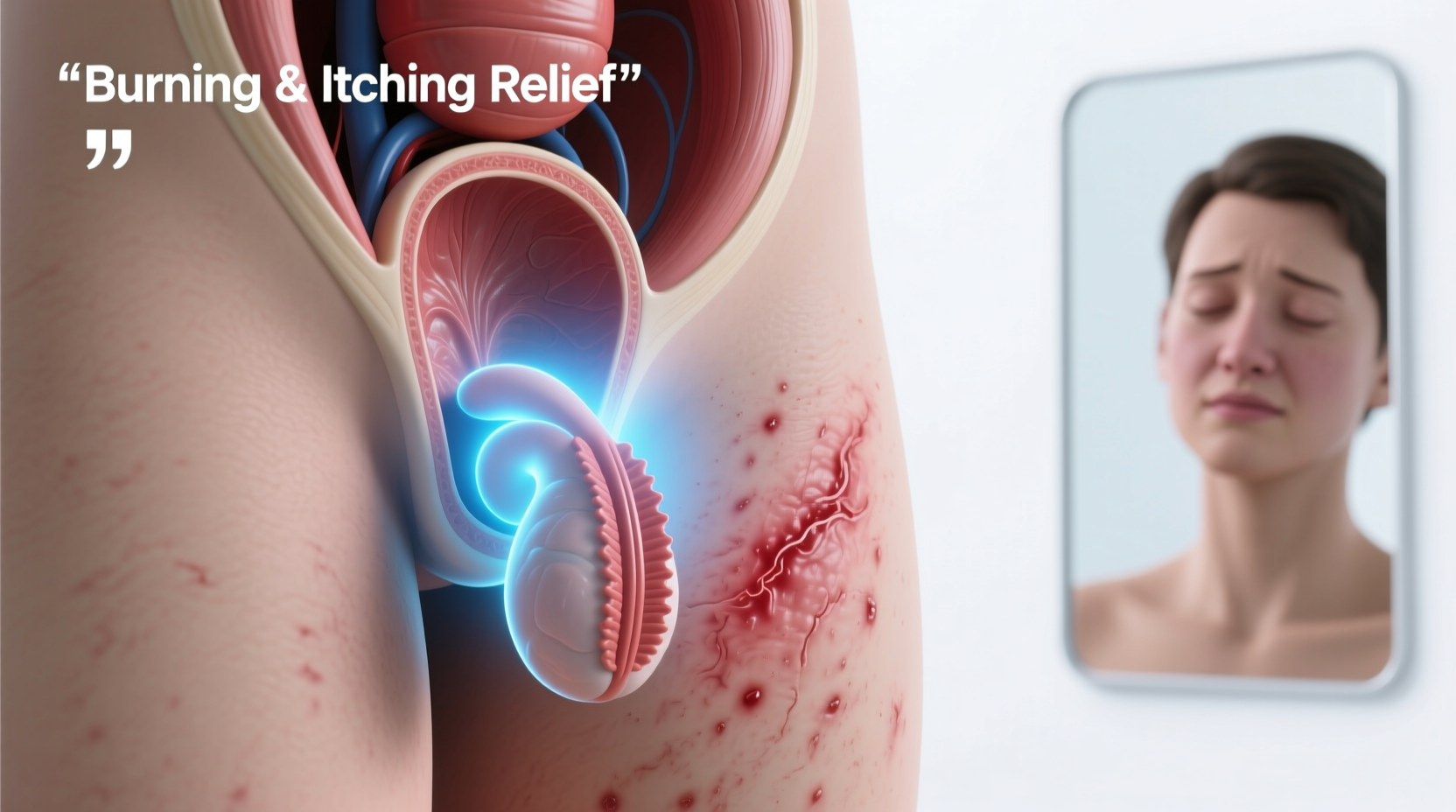
The vulva, vagina, penis, and surrounding skin are sensitive and vulnerable to various irritants and infections. Identifying the root cause is key to effective treatment.
- Bacterial Vaginosis (BV): An imbalance of vaginal bacteria causing a fishy odor, discharge, and sometimes burning or itching.
- Yeast Infections: Caused by an overgrowth of Candida fungus, leading to thick white discharge, redness, swelling, and intense itching.
- Sexually Transmitted Infections (STIs): Herpes, trichomoniasis, chlamydia, and gonorrhea can all cause burning, especially during urination, along with discharge or sores.
- Contact Dermatitis: Reaction to soaps, detergents, scented toilet paper, or synthetic underwear. This non-infectious irritation often appears quickly after exposure.
- Lichen Sclerosus: A chronic skin condition affecting the genital area, more common in postmenopausal women, causing thinning skin, severe itching, and pain.
- Urinary Tract Infections (UTIs): Often cause a burning sensation during urination, frequent urges to pee, and lower abdominal discomfort.
- Dryness and Hormonal Changes: Especially during menopause, low estrogen levels reduce natural lubrication, leading to dryness, itching, and irritation.
Immediate Relief Strategies
While treating the underlying cause is essential, several steps can offer temporary relief from discomfort.
- Cool Compresses: Apply a clean, damp cloth chilled in the refrigerator (not frozen) to soothe inflammation and reduce itching.
- Wear Breathable Clothing: Choose 100% cotton underwear and loose-fitting clothes to minimize moisture buildup and friction.
- Hydrate: Drinking plenty of water helps dilute urine, reducing the sting during urination if you have a UTI or irritation.
- Over-the-Counter Treatments: For suspected yeast infections, antifungal creams like clotrimazole or miconazole may provide relief within days.
- Pain Relief: Ibuprofen or acetaminophen can reduce inflammation and ease discomfort associated with infections.
“Self-treatment without diagnosis can mask serious conditions. If symptoms persist beyond a few days, consult a clinician.” — Dr. Lena Patel, OB-GYN Specialist
When to Worry: Red Flags That Demand Medical Attention
Some cases resolve on their own or respond to OTC care. Others signal underlying issues needing prompt evaluation. Watch for these warning signs:
| Symptom | Possible Concern | Action |
|---|---|---|
| Sores, blisters, or ulcers | Herpes or syphilis | See a doctor immediately; testing required |
| Fever with pelvic pain | Pelvic inflammatory disease (PID) | Seek urgent care |
| Thick, foul-smelling discharge | BV or trichomoniasis | Get tested; avoid sexual contact |
| Itching with white patches | Lichen sclerosus or advanced yeast | Requires prescription treatment |
| Burning that lasts over 7 days | Untreated infection or chronic condition | Professional diagnosis needed |
Special Considerations for Men
Men may experience burning due to urethritis, balanitis (inflammation of the glans), or yeast overgrowth under the foreskin. Uncircumcised men are at higher risk for fungal infections due to moisture retention. STIs like chlamydia often present with burning during urination and penile discharge.
Step-by-Step Guide to Managing Symptoms Safely
If you're experiencing discomfort, follow this structured approach to determine next steps:
- Assess Symptoms: Note onset, severity, triggers (e.g., after sex, menstruation, new soap), and associated signs like discharge or odor.
- Review Recent Exposures: New laundry detergent, sexual activity, antibiotics, or tight clothing may point to causes.
- Try Conservative Measures: Switch to fragrance-free products, wear cotton underwear, and avoid irritants for 2–3 days.
- Use OTC Treatments Judiciously: Only if symptoms strongly suggest a yeast infection and you’ve had one diagnosed before.
- Schedule a Clinical Visit: If no improvement in 3–5 days, or if red flags appear, see a healthcare provider for swabs, urine tests, or pelvic exams.
Mini Case Study: Sarah’s Recurring Discomfort
Sarah, a 34-year-old teacher, noticed recurring itching and a mild burning sensation before her period. She initially used OTC yeast cream, which helped temporarily. After three cycles of recurrence, she visited her gynecologist. Testing revealed bacterial vaginosis, not yeast—her self-treatment had masked the real issue. With a prescribed antibiotic gel and guidance on pH-balancing washes, her symptoms resolved completely. The case highlights how misdiagnosis through self-treatment can delay healing.
Prevention Checklist
Maintaining genital health involves daily habits. Use this checklist to reduce risk:
- ✅ Use only unscented, hypoallergenic soap for external cleaning
- ✅ Wipe front to back after using the toilet
- ✅ Change out of wet swimsuits or workout clothes promptly
- ✅ Practice safe sex with barrier protection
- ✅ Avoid hot tubs or public baths if prone to irritation
- ✅ Stay hydrated and maintain a balanced diet to support immune function
- ✅ Get regular STI screenings if sexually active with multiple partners
Frequently Asked Questions
Can stress cause genital itching?
Yes. Stress weakens the immune system, increasing susceptibility to yeast infections and reactivating viruses like herpes. Additionally, stress-related hormonal shifts can alter vaginal flora.
Is it safe to use hydrocortisone cream for itching?
Low-dose (1%) hydrocortisone can be used short-term for external itching due to dermatitis, but should never be applied inside the vagina or used long-term without medical supervision. Misuse can thin the skin or worsen infections.
Why do I only get symptoms after sex?
This could indicate a reaction to latex, spermicides, or your partner’s semen (seminal plasma hypersensitivity). It may also point to an infection like UTI (from friction) or undiagnosed STI. Using lubrication and urinating after sex can help prevent some issues.
Conclusion: Take Charge of Your Comfort and Health
Burning and itching “down there” are not conditions to ignore or normalize. While occasional irritation may result from harmless triggers, persistent or worsening symptoms deserve attention. Armed with knowledge about causes, relief strategies, and warning signs, you can make informed decisions about care. Don’t let discomfort go unaddressed—your intimate health is a vital part of your overall well-being.




 浙公网安备
33010002000092号
浙公网安备
33010002000092号 浙B2-20120091-4
Comments
No comments yet. Why don't you start the discussion?