
Caffeine is one of the most widely consumed psychoactive substances in the world. Found in coffee, tea, energy drinks, chocolate, and some medications, it’s used daily by millions to boost alertness and concentration. However, for a growing number of people, caffeine can trigger or worsen anxiety—turning a morning ritual into a source of distress. Understanding the biological mechanisms behind this interaction is essential for managing mental well-being without sacrificing productivity.
The relationship between caffeine and anxiety isn’t just anecdotal; it’s rooted in neuroscience and physiology. While moderate intake may enhance focus for some, others experience jitteriness, racing thoughts, and even panic attacks after just one cup. The key lies in individual sensitivity, dosage, and lifestyle context. This article explores the science behind caffeine-induced anxiety, identifies warning signs, and offers actionable strategies to regain control over your mental state.
How Caffeine Affects the Brain and Nervous System
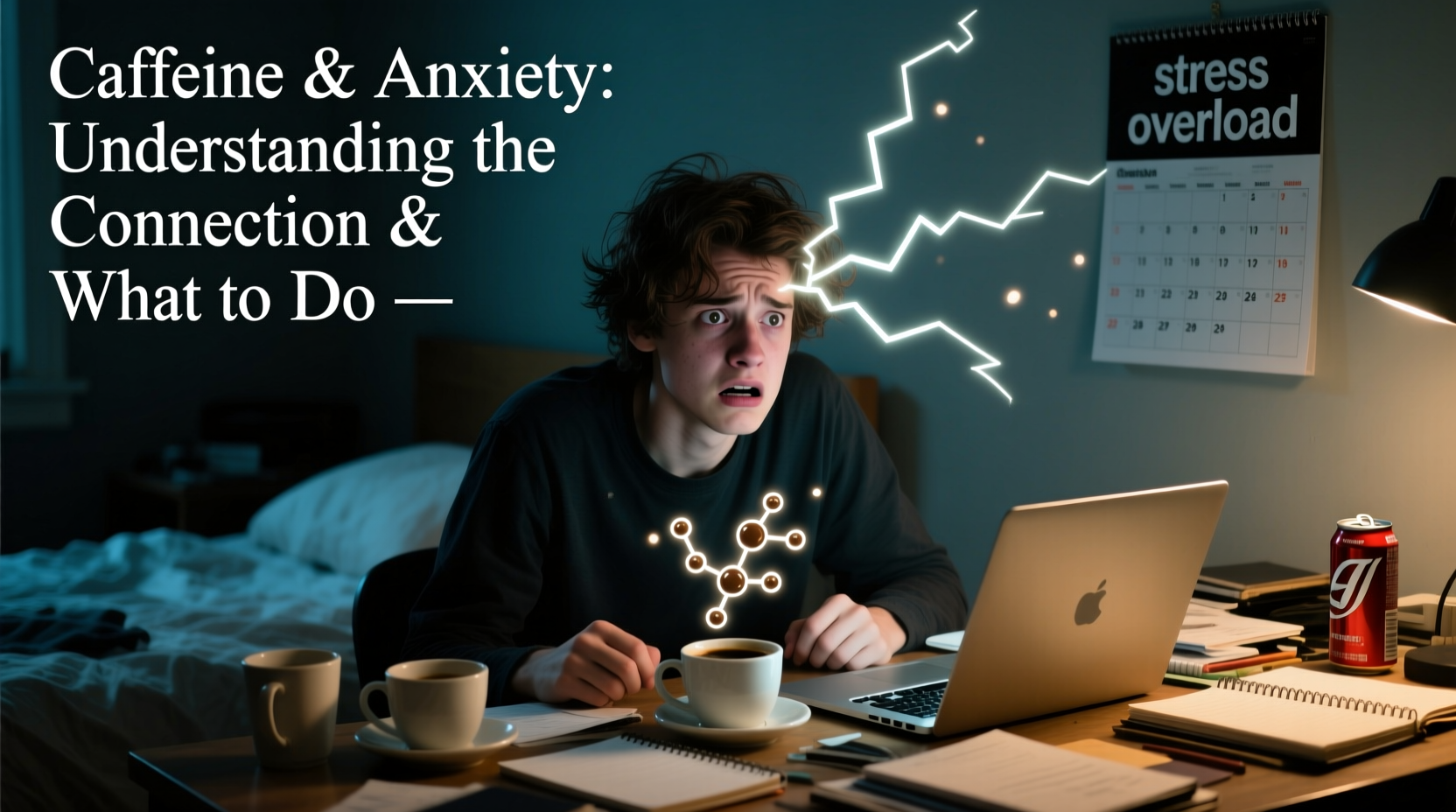
Caffeine works primarily by blocking adenosine receptors in the brain. Adenosine is a neurotransmitter that promotes relaxation and sleep as it accumulates throughout the day. By inhibiting its effects, caffeine increases wakefulness and delays fatigue. But this interference doesn’t stop there. The blockade also triggers a cascade of other neurochemical responses:
- Dopamine release: Enhanced mood and motivation, but potentially addictive patterns with chronic use.
- Norepinephrine surge: Heightened arousal, increased heart rate, and sharpened attention—similar to the body’s natural stress response.
- Increased cortisol: The primary stress hormone rises, amplifying feelings of tension and unease.
For individuals predisposed to anxiety disorders—or those under chronic stress—this biochemical shift can tip the balance from alertness into hyperarousal. The brain interprets these physiological changes (racing pulse, shallow breathing, restlessness) as danger signals, activating the fight-or-flight response even in safe environments.
“Caffeine essentially mimics the body’s stress response. In high doses or sensitive individuals, it can provoke full-blown anxiety symptoms—even in people without a prior diagnosis.” — Dr. Laura Chen, Clinical Psychologist and Neurobehavioral Specialist
Signs That Caffeine Is Fueling Your Anxiety
Not all anxiety caused by caffeine presents as panic attacks. Subtle signs are often overlooked because they blend into daily routines. Recognizing them early can prevent escalation. Common indicators include:
- Unexplained nervousness or irritability shortly after consuming caffeine
- Physical tremors or muscle tension, especially in hands and shoulders
- Rapid heartbeat or palpitations without exertion
- Difficulty concentrating due to mental \"overdrive\"
- Insomnia or disrupted sleep cycles, despite feeling tired
- Increased frequency of intrusive thoughts or rumination
If these symptoms occur consistently within 30–60 minutes of caffeine consumption, the substance is likely contributing to your anxiety load. It’s important to note that tolerance varies widely—some people metabolize caffeine quickly, while others remain sensitive even to small amounts.
Do’s and Don’ts: Managing Caffeine Intake for Mental Health
| Do | Don't |
|---|---|
| Limit intake to 200 mg per day (about one strong coffee) | Drink caffeine late in the day (after 2 PM) |
| Pair caffeine with food to slow absorption | Consume energy drinks with high sugar and stimulant blends |
| Choose lower-caffeine alternatives like green tea or matcha | Use caffeine to compensate for poor sleep |
| Gradually reduce intake to avoid withdrawal headaches | Quit abruptly if you're a regular user |
| Stay hydrated with water throughout the day | Mix caffeine with alcohol or other stimulants |
A Real-Life Example: When Coffee Became a Trigger
Sarah, a 32-year-old project manager, relied on two large lattes each morning to power through back-to-back meetings. Over time, she began noticing an uptick in midday anxiety—tight chest, scattered thoughts, and an urge to escape her desk. Initially, she attributed it to work pressure. But after skipping coffee during a weekend trip, she felt unexpectedly calm. Curious, she conducted a self-experiment: three days with coffee, three days without.
The contrast was stark. On coffee days, she experienced elevated heart rate and mild panic before presentations. Off caffeine, her baseline anxiety dropped significantly. With her therapist’s guidance, Sarah switched to half-caffeinated brews and introduced mindfulness breaks instead of afternoon espresso shots. Within two weeks, her confidence and emotional regulation improved—not because her workload changed, but because her nervous system was no longer being artificially revved.
Step-by-Step Guide to Reducing Caffeine-Related Anxiety
- Assess current intake: List every source of caffeine (coffee, soda, supplements, dark chocolate) and estimate total milligrams per day.
- Set a reduction goal: Aim for no more than 200 mg daily, or complete elimination if symptoms persist.
- Taper gradually: Reduce by 25% every 3–4 days to minimize withdrawal symptoms like headaches and fatigue.
- Replace strategically: Substitute with herbal teas (chamomile, rooibos), decaf options, or sparkling water with lemon.
- Monitor symptoms: Use a mood tracker to log energy, anxiety levels, and sleep quality daily.
- Optimize alternatives: Improve sleep hygiene, increase physical activity, and practice breathwork to sustain energy naturally.
Frequently Asked Questions
Can decaf coffee still cause anxiety?
Decaf contains trace amounts of caffeine (usually 2–5 mg per cup), which is unlikely to affect most people. However, highly sensitive individuals may react even to minimal stimulation. Additionally, some decaf processing methods use chemicals that could impact mood indirectly. If in doubt, try herbal alternatives like roasted grain beverages.
How long does caffeine stay in your system?
The half-life of caffeine averages 5–6 hours, meaning half of it remains in your bloodstream after that time. For some, especially those with slower metabolism, genetic factors, or liver conditions, it can linger up to 10 hours. This is why drinking coffee at noon might still disrupt sleep at midnight.
Is there a link between caffeine and panic attacks?
Yes. Research shows that high-dose caffeine can induce panic attacks in people with panic disorder—and even in healthy individuals. One study found that intravenous caffeine administration triggered panic symptoms in over 70% of diagnosed patients versus 20% of controls. While oral consumption is less intense, heavy users report similar, though milder, reactions.
Conclusion: Taking Control of Your Energy and Calm
Caffeine doesn’t have to be eliminated entirely to protect mental health—but it does require mindful use. Awareness of your personal threshold, timing of consumption, and alternative strategies for energy management can transform your relationship with stimulants. Anxiety fueled by caffeine is both preventable and reversible. By listening to your body’s signals and making informed choices, you can maintain clarity and composure without relying on artificial boosts.
Start today: examine your next caffeine intake not just for taste or habit, but for how it makes you feel 30 minutes later. Small adjustments can lead to significant improvements in emotional stability, focus, and overall well-being.




 浙公网安备
33010002000092号
浙公网安备
33010002000092号 浙B2-20120091-4
Comments
No comments yet. Why don't you start the discussion?