
Caffeine is one of the most widely consumed stimulants in the world. Found in coffee, tea, energy drinks, and even chocolate, it helps millions wake up, stay alert, and power through long days. But if you’ve ever noticed a sudden urge to use the restroom shortly after your morning brew, you’re not alone. Caffeine has a well-documented effect on kidney function — it increases urine production. This raises an important question: Why does caffeine make you pee? And more importantly, should you be concerned about dehydration or frequent urination?
The answer lies in caffeine’s role as a mild diuretic. While this effect is generally modest in regular consumers, understanding the mechanisms behind it can help you make informed choices about your daily intake.
How Caffeine Affects Your Kidneys
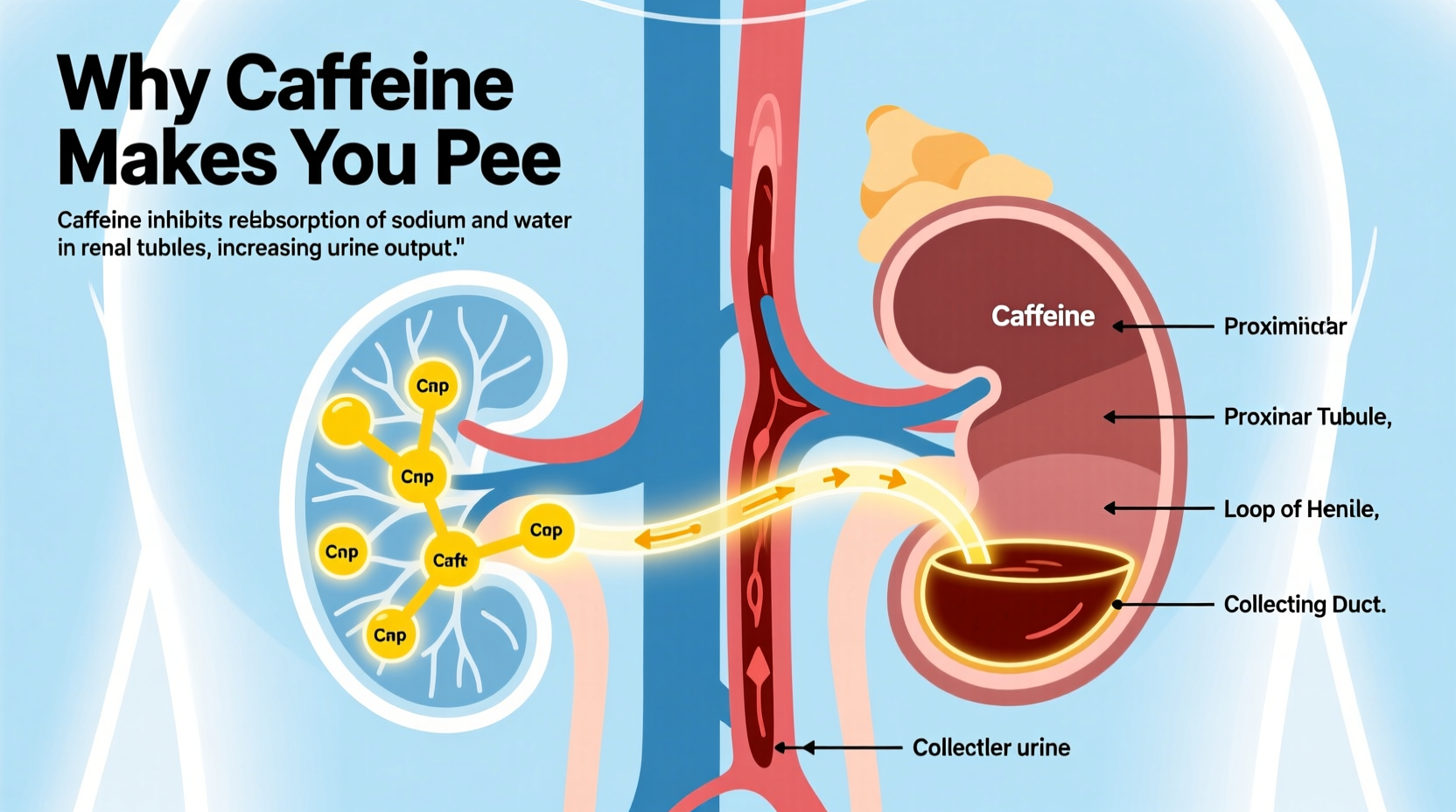
Your kidneys are responsible for filtering blood and regulating fluid balance by producing urine. Caffeine influences this process primarily by acting on the nephrons — the functional units of the kidneys. It stimulates increased glomerular filtration rate (GFR), which means more fluid passes through the filtration system faster.
In addition, caffeine inhibits the reabsorption of sodium in the distal tubules of the nephron. When sodium isn’t reabsorbed efficiently, water follows it into the urine rather than being returned to the bloodstream. This results in higher urine volume.
Furthermore, some research suggests that caffeine may suppress the release of antidiuretic hormone (ADH), also known as vasopressin. ADH normally signals the kidneys to conserve water by reducing urine output. When its levels drop, the body excretes more diluted urine — contributing further to the diuretic effect.
The Diuretic Effect: Myth vs. Reality
For years, health guidelines warned that caffeinated beverages cause dehydration because they increase urine output. However, modern research paints a more nuanced picture. A landmark study published in the journal PLOS ONE in 2014 found that moderate coffee consumption (up to 4 cups per day) contributes to daily hydration similarly to water in habitual drinkers.
The key factor is tolerance. Regular caffeine users develop a partial physiological adaptation, meaning their bodies become less responsive to its diuretic effects over time. In contrast, non-habitual users may experience a more pronounced increase in urination after consuming caffeine.
“While caffeine has a short-term diuretic effect, there’s little evidence it leads to chronic dehydration when consumed regularly.” — Dr. Sophie Carter, Renal Physiologist, University of Exeter
Caffeine Content Comparison Across Common Beverages
Different drinks contain varying amounts of caffeine, which directly impacts their diuretic potential. Here's a breakdown of average caffeine levels in popular beverages:
| Beverage (8 oz / 240 ml) | Average Caffeine (mg) | Diuretic Strength (Relative) |
|---|---|---|
| Brewed Coffee | 95–200 | High |
| Espresso (1 shot) | 63 | Moderate-High |
| Black Tea | 40–70 | Moderate |
| Green Tea | 20–45 | Low-Moderate |
| Cola (12 oz can) | 23–35 | Low |
| Energy Drink (8 oz) | 70–100 | High |
This table shows that stronger sources of caffeine tend to have greater diuretic effects — especially in those who don’t consume them regularly.
When Frequent Urination Becomes a Concern
Occasional increases in urination after caffeine are normal. However, excessive bathroom visits — especially at night (nocturia) — could signal overconsumption or underlying sensitivity. Certain populations, such as older adults or individuals with overactive bladder, may find that even small doses of caffeine exacerbate urinary frequency.
Additionally, combining multiple diuretics — like caffeine and alcohol — can amplify fluid loss and potentially lead to mild dehydration, particularly during physical activity or in hot environments.
Signs You Might Be Overdoing It
- Needing to urinate every hour or less
- Dry mouth or thirst despite drinking fluids
- Dizziness or lightheadedness
- Dark yellow urine (indicating concentrated urine)
- Difficulty sleeping due to nighttime urination
Managing Caffeine Intake for Better Bladder Control
If you're experiencing uncomfortable urinary frequency, adjusting your caffeine habits can bring relief without giving up your favorite beverages entirely. Consider the following practical steps:
- Limit intake to earlier in the day — Avoid caffeine after 2 p.m. to reduce nighttime urination.
- Switch to lower-caffeine alternatives — Opt for green tea, half-caf coffee, or naturally decaffeinated options.
- Monitor portion sizes — A large latte may contain double the caffeine of a standard cup.
- Stay hydrated with water — Balance each caffeinated beverage with equal or greater water intake.
- Track symptoms in a journal — Note timing, quantity, and bathroom frequency to identify personal thresholds.
Checklist: Reducing Caffeine-Related Urination
- ☑ Gradually decrease daily caffeine instead of quitting abruptly
- ☑ Replace afternoon coffee with herbal tea or fruit-infused water
- ☑ Avoid consuming caffeine on an empty stomach (increases absorption speed)
- ☑ Choose dark roasts over light roasts (they contain slightly less caffeine)
- ☑ Consult a healthcare provider if urinary urgency persists despite reduction
Real-Life Example: Office Worker Managing Midday Bathroom Trips
Sarah, a 34-year-old project manager, used to drink three large coffees between 9 a.m. and 3 p.m. She began noticing she was leaving her desk every 45 minutes to use the restroom, disrupting focus and meetings. After reading about caffeine’s diuretic properties, she experimented by switching her third coffee to decaf and adding a tall glass of water instead.
Within two days, her bathroom visits dropped to twice in the afternoon. She reported improved concentration and less jitteriness. By making one simple swap, Sarah maintained her ritual while regaining control over her bladder — proving that small changes can yield significant results.
Frequently Asked Questions
Does caffeine dehydrate you?
No, not significantly for regular consumers. While caffeine increases urine output temporarily, studies show that moderate coffee and tea contribute to overall daily fluid intake and do not cause net dehydration.
How long does the diuretic effect of caffeine last?
The peak diuretic effect typically occurs within 45–60 minutes after consumption and may last 2–3 hours, depending on metabolism and dose. The effect diminishes with habitual use.
Can decaf coffee still make you pee?
Decaf contains only trace amounts of caffeine (about 2–5 mg per cup), so its diuretic effect is negligible. If you're peeing frequently after decaf, other factors like fluid volume, bladder sensitivity, or additives (like milk or sugar) may be involved.
Final Thoughts: Balancing Benefits and Side Effects
Caffeine’s ability to enhance alertness, mood, and cognitive performance comes with trade-offs — one of which is increased urination. Understanding the science behind its diuretic action empowers you to enjoy its benefits while minimizing disruptions to your day.
You don’t need to eliminate caffeine to avoid frequent bathroom breaks. Instead, tailor your intake based on your body’s response, time of day, and lifestyle needs. Whether it’s cutting back after noon, choosing lower-caffeine brews, or simply drinking more water alongside your cup, small adjustments go a long way.




 浙公网安备
33010002000092号
浙公网安备
33010002000092号 浙B2-20120091-4
Comments
No comments yet. Why don't you start the discussion?