
Undergoing surgery is a significant event that requires careful preparation. One often-overlooked aspect of preoperative care is caffeine consumption. While many people rely on coffee, tea, or energy drinks to start their day, ingesting caffeine in the hours or days leading up to surgery can have real consequences. From interfering with anesthesia to increasing heart rate and blood pressure, caffeine’s effects are more than just a morning jolt—they can impact surgical safety and recovery. Understanding when to stop drinking coffee, how long caffeine stays in your system, and why it matters medically can help you prepare wisely for your procedure.
Why Caffeine Matters Before Surgery
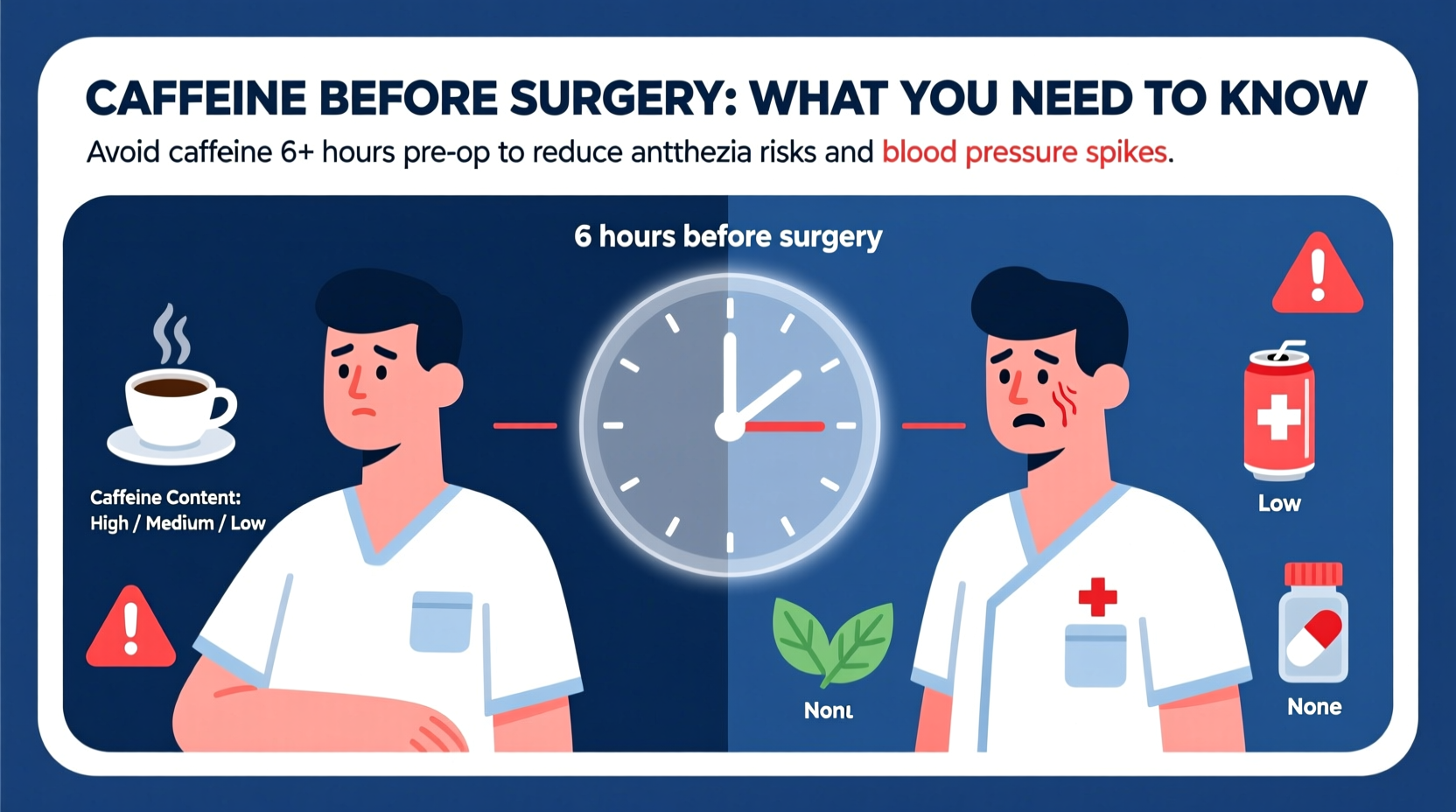
Caffeine is a central nervous system stimulant found in coffee, tea, chocolate, energy drinks, and some medications. It increases alertness and temporarily wards off drowsiness by blocking adenosine receptors in the brain. However, this same mechanism can complicate anesthesia and surgical outcomes.
During surgery, anesthesiologists aim to maintain stable vital signs. Caffeine can elevate heart rate and blood pressure, making it harder to achieve hemodynamic stability under anesthesia. Additionally, because caffeine has a half-life of about 3–5 hours (and longer in some individuals), its effects may linger even if consumed the morning of surgery.
Some studies suggest that abrupt caffeine withdrawal in habitual users can also cause headaches, anxiety, and nausea—symptoms that may be mistaken for complications during or after surgery. This creates a delicate balance: continuing caffeine could interfere with anesthesia, but stopping suddenly might trigger withdrawal symptoms that affect comfort and recovery.
General Guidelines for Caffeine Consumption Pre-Surgery
Most surgical centers recommend avoiding all food and drink—including water—for at least 8 hours before anesthesia. This is known as \"NPO\" (nil per os) status and helps prevent aspiration during intubation. Since caffeine is typically consumed in liquid form, any coffee, tea, or soda would fall under this restriction.
However, the guidance isn’t limited to the morning of surgery. Some providers advise stopping caffeine 24 to 48 hours beforehand, especially for patients undergoing major procedures or those sensitive to stimulants. The exact timeline depends on several factors:
- Type of surgery (elective vs. emergency)
- Anesthesia method (general, regional, or local)
- Individual metabolism and usual caffeine intake
- Presence of cardiovascular conditions
“Patients who drink multiple cups of coffee daily should not abruptly stop without discussing it with their care team. We’d rather manage expected withdrawal than deal with intraoperative hypertension.” — Dr. Alan Torres, Board-Certified Anesthesiologist
Caffeine Timeline: When to Stop Before Surgery
To minimize risks while managing dependency, follow a strategic approach based on your typical consumption pattern. Below is a step-by-step timeline for reducing caffeine safely before surgery.
- 7 Days Before Surgery: Begin tapering if you consume more than 200mg of caffeine daily (about two 8-oz cups of coffee). Reduce intake by 25% every 48 hours to avoid severe withdrawal.
- 3 Days Before Surgery: Limit caffeine to less than 100mg (one small cup) if needed. Avoid energy drinks and high-caffeine supplements.
- 24 Hours Before Surgery: Cease all caffeine-containing products. Switch to decaf or herbal teas without stimulant ingredients.
- Morning of Surgery: Consume nothing by mouth, including water, coffee, or mints, unless specifically instructed otherwise by your surgical team.
What Counts as Caffeine?
Be aware that caffeine hides in unexpected places. Common sources include:
- Coffee (regular and espresso)
- Tea (black, green, oolong)
- Soft drinks (cola, Mountain Dew)
- Energy drinks (Red Bull, Monster)
- Chocolate (especially dark chocolate)
- Some over-the-counter medications (e.g., Excedrin, NoDoz)
Do’s and Don’ts: Caffeine and Surgery Checklist
| Do | Don’t |
|---|---|
| Talk to your doctor about your caffeine habits | Drink coffee or tea the morning of surgery |
| Taper gradually if you’re a heavy user | Switch to energy drinks thinking they’re safer |
| Stay hydrated with non-caffeinated fluids up to NPO time | Take OTC meds without checking caffeine content |
| Use relaxation techniques to manage withdrawal symptoms | Assume decaf means zero caffeine (it may still contain 2–15mg per cup) |
Real Example: Managing Caffeine Before Knee Replacement
Mark, a 58-year-old office manager, drank three large coffees every day. Scheduled for elective knee replacement surgery, he assumed skipping breakfast was enough preparation. On the day of surgery, he had one last cup of coffee at 5 a.m., believing he was fine since his procedure wasn’t until noon.
During pre-op assessment, nurses noted his elevated blood pressure (158/96 mmHg) and mild tremors. After reviewing his history, the anesthesiologist suspected caffeine interference. Surgery was delayed by two hours to allow more time for caffeine clearance and stabilization. Mark experienced no complications, but his case highlighted the importance of full disclosure and adherence to pre-surgery instructions.
Post-surgery, Mark admitted he didn’t realize coffee counted as “liquid intake” or that its effects lasted so long. His medical team now includes a standard question about caffeine use in all pre-op interviews.
Frequently Asked Questions
Can I drink decaf coffee before surgery?
Decaf coffee still contains small amounts of caffeine (typically 2–15mg per cup). While minimal, it's best avoided within 24 hours of surgery, especially if you're sensitive or undergoing general anesthesia. Herbal teas like chamomile or ginger are safer alternatives, provided they’re approved by your surgeon.
Will caffeine cancel my surgery?
Not necessarily—but it may delay it. If you consume caffeine too close to surgery and show signs of elevated vitals or agitation, your surgical team may postpone the procedure to ensure safety. Honesty during pre-op screening helps avoid last-minute changes.
How long does caffeine stay in your system?
The average half-life of caffeine is 3 to 5 hours, meaning it takes about 10–15 hours for most of it to leave your body. However, factors like age, liver function, pregnancy, and certain medications can extend this duration. For surgical safety, assume caffeine affects you for at least 12 hours after consumption.
Final Recommendations
Preparation for surgery extends beyond paperwork and fasting—it includes understanding how everyday substances like caffeine influence your body’s response to medical interventions. Whether you’re having minor outpatient surgery or a major operation, being transparent about your caffeine use is essential.
Start early: don’t wait until the night before to consider your coffee habit. Gradually reduce intake if you’re a regular consumer, read labels diligently, and always follow your healthcare provider’s specific instructions. Remember, the goal is not perfection but informed decision-making that supports a smoother, safer surgical experience.




 浙公网安备
33010002000092号
浙公网安备
33010002000092号 浙B2-20120091-4
Comments
No comments yet. Why don't you start the discussion?