
In early 2024, grocery shoppers across California began noticing something unusual: empty shelves where cartons of eggs used to be. What started as isolated shortages in certain regions quickly evolved into a widespread issue affecting supermarkets from San Diego to Sacramento. While eggs have long been a staple of American breakfasts, their sudden scarcity has left many consumers frustrated and concerned about rising costs and food security. This article breaks down the root causes of the California egg shortage, explains its broader implications, and offers practical advice for navigating this challenging period.
The Role of Avian Influenza Outbreaks
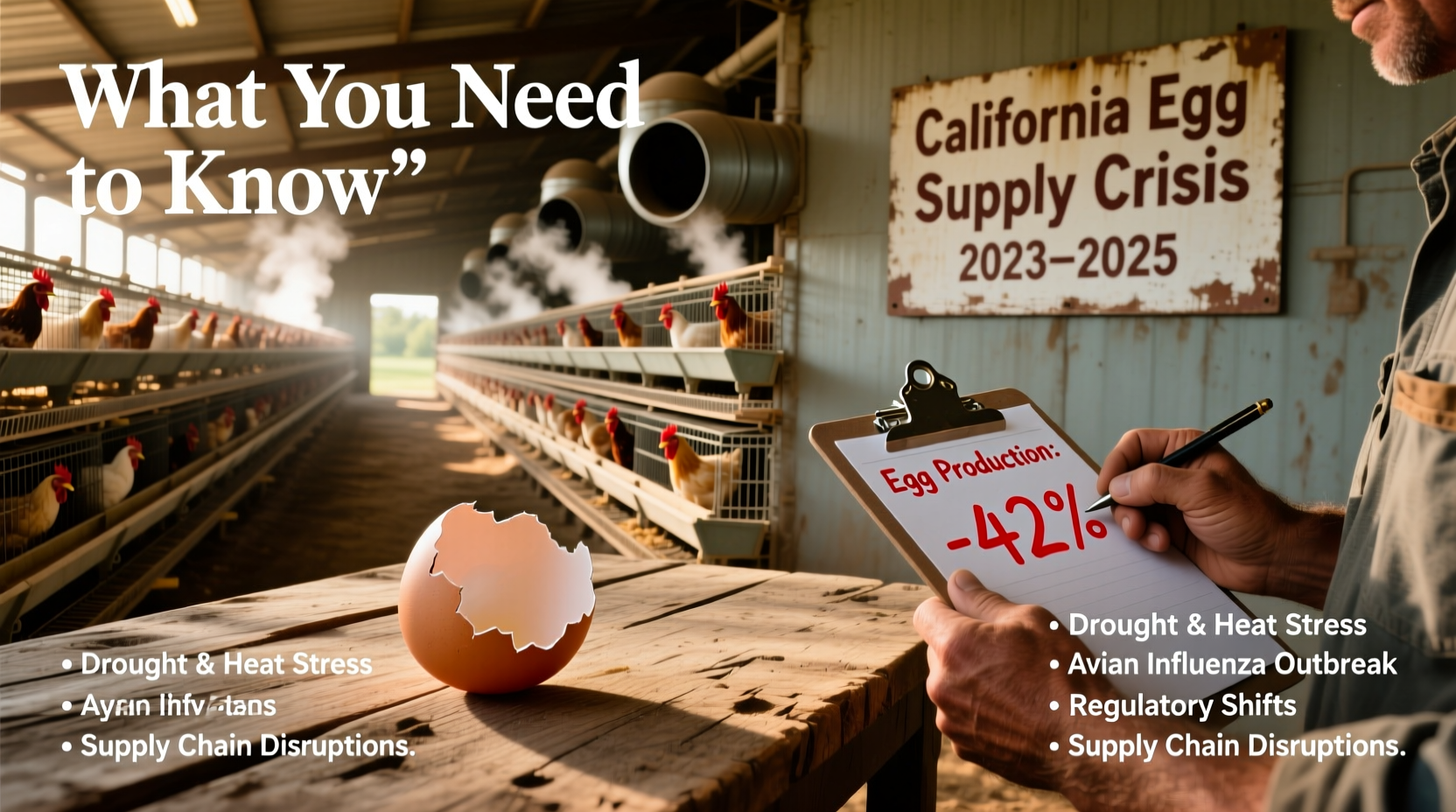
The most significant driver behind the current egg shortage is the resurgence of highly pathogenic avian influenza (HPAI), commonly known as bird flu. Since late 2022, outbreaks have spread rapidly among commercial poultry farms across the United States, with California being one of the hardest-hit states in 2023 and 2024. The virus spreads through wild migratory birds, contaminated equipment, and even on workers’ clothing, making containment extremely difficult.
When an outbreak is detected, state and federal authorities mandate immediate depopulation of infected flocks to prevent further transmission. In California alone, over 5 million laying hens were culled in 2023 due to confirmed cases. These losses directly reduce egg production capacity. Rebuilding flocks takes time—typically 4 to 6 months for new pullets (young hens) to mature and begin laying eggs at full capacity.
“Avian flu remains the single greatest threat to U.S. egg supply stability. Each outbreak triggers a domino effect that impacts availability and pricing for months.” — Dr. Linda Chen, Poultry Health Specialist, UC Davis School of Veterinary Medicine
California’s Strict Animal Welfare Laws and Their Impact
Beyond disease, California’s progressive animal welfare regulations have played a role in constraining egg supply. Proposition 12, passed in 2018 and fully enforced since January 2024, mandates that all eggs sold in the state must come from cage-free hens. This law applies not only to in-state producers but also to out-of-state suppliers selling into California markets.
While ethically motivated, the transition to cage-free systems has proven costly and logistically complex. Many smaller farms lacked the capital to retrofit facilities or expand barn space, leading some to exit the industry entirely. Larger operations faced delays in construction and labor shortages, slowing the pace of compliance. As a result, total egg-laying capacity in California dropped by nearly 15% between 2022 and 2024.
Supply Chain Disruptions and Distribution Challenges
Even when eggs are produced, getting them to store shelves isn’t guaranteed. Transportation bottlenecks, labor shortages in processing plants, and increased fuel costs have hampered distribution efficiency. In rural areas of Central Valley and Northern California, some stores report receiving only 60–70% of their usual weekly egg shipments.
Additionally, because California imports a portion of its eggs from neighboring states like Oregon and Washington, regional disruptions amplify local shortages. When those states face their own production issues—often due to the same bird flu outbreaks—the ripple effects intensify.
Egg Supply Factors Compared
| Factor | Impact on Supply | Duration of Effect |
|---|---|---|
| Avian Influenza | Severe – mass culling of flocks | 6–12 months per outbreak |
| Prop 12 Compliance | Moderate to High – reduced laying capacity | Ongoing until full transition complete |
| Feed & Energy Costs | Moderate – reduced profitability for farmers | Continuous, inflation-dependent |
| Transportation Delays | Low to Moderate – sporadic stockouts | Short-term, weather/event-related |
What Consumers Should Know Now
The egg shortage isn’t uniform—it varies by region, retailer, and brand. Urban centers like Los Angeles and San Francisco tend to see faster restocking due to higher logistics priority, while suburban and rural communities experience longer gaps. Prices have also surged: the average retail price for a dozen large eggs in California rose from $2.89 in early 2022 to over $6.50 in mid-2024, according to USDA data.
Despite the scarcity, panic buying worsens the problem. When consumers buy multiple cartons at once, it creates artificial demand spikes that disrupt inventory management. Retailers then impose purchase limits—not because supply is gone, but to ensure fair access.
Real Example: The Fresno Grocery Run
In March 2024, a viral social media post claimed eggs would disappear from Fresno stores within days. Within 48 hours, local supermarkets reported lines wrapping around parking lots, with some locations selling out in under three hours. However, supply chain logs showed normal deliveries scheduled for the following week. The rush was purely psychological. By the next Monday, shelves were replenished—but trust in availability had eroded, leading to repeated hoarding behavior.
Action Plan: How to Navigate the Shortage
You don’t need to eliminate eggs from your diet, but adapting your habits can help you manage the shortage effectively. Follow this checklist to stay prepared without contributing to the cycle of scarcity.
Egg Shortage Survival Checklist
- Buy only what you need for 1–2 weeks
- Check smaller grocers, co-ops, or farmers markets—supply often arrives earlier there
- Consider shelf-stable alternatives like powdered or liquid eggs for baking
- Freeze whole eggs (lightly beaten) if you find a surplus
- Use plant-based substitutes (e.g., flaxseed meal, tofu scramble) in recipes where texture allows
- Sign up for store restock alerts via apps like Instacart or Kroger Rush
Frequently Asked Questions
Will the egg shortage get worse before it gets better?
Predictions suggest gradual improvement through late 2024, assuming no major new bird flu outbreaks. However, seasonal demand spikes—especially around holidays like Easter and Thanksgiving—can cause temporary worsening of shortages. Experts anticipate stabilization by early 2025.
Are farm-fresh eggs safer during the bird flu outbreak?
There is no evidence that properly cooked eggs transmit avian flu to humans. The CDC confirms that cooking eggs to an internal temperature of 160°F (71°C) kills any potential virus. Whether store-bought or farm-sourced, standard hygiene practices—like washing hands after handling shells—are sufficient.
Can I raise my own chickens to avoid the shortage?
Backyard flocks are growing in popularity, especially in cities like Oakland and Berkeley where ordinances allow small numbers of hens. A typical hen lays about 250 eggs per year, so even 2–3 birds can cover a household’s basic needs. However, consider startup costs (coop, feed, vet care) and time commitment before starting.
Looking Ahead: Building Resilience in the Food System
The California egg shortage highlights deeper vulnerabilities in our food infrastructure. Overreliance on concentrated poultry operations, slow adaptation to regulatory changes, and fragile supply chains make the system susceptible to shocks. Moving forward, experts recommend diversifying protein sources, supporting local agriculture, and investing in biosecurity measures on farms.
Some innovative solutions are already emerging. Vertical farming startups are experimenting with insect-based protein powders as egg replacers. Meanwhile, several California dairies are repurposing unused barns for small-scale cage-free egg ventures, leveraging existing infrastructure.
“The current crisis is painful, but it’s also a wake-up call. We need a more resilient, decentralized food model—one that doesn’t break when one link fails.” — Miguel Torres, Sustainable Agriculture Director, CalFARM Initiative
Conclusion
The California egg shortage stems from a convergence of biological, regulatory, and logistical challenges. While frustrating, it also presents an opportunity to rethink how we source and value our food. By staying informed, adjusting consumption habits, and supporting sustainable producers, consumers can navigate this period with greater confidence.




 浙公网安备
33010002000092号
浙公网安备
33010002000092号 浙B2-20120091-4
Comments
No comments yet. Why don't you start the discussion?