
Grooming is essential for a dog’s health, comfort, and bond with their owner. But for dogs that are anxious or fearful, the experience can be overwhelming. Whether it's the sound of clippers, the sensation of being touched in sensitive areas, or past trauma, nervous dogs often react with trembling, avoidance, or even aggression. The key isn’t to rush through the process—it’s to reframe grooming as a positive, low-stress ritual. With patience, structure, and empathy, you can help your dog feel safe while maintaining their hygiene and coat condition.
Understanding Canine Anxiety During Grooming
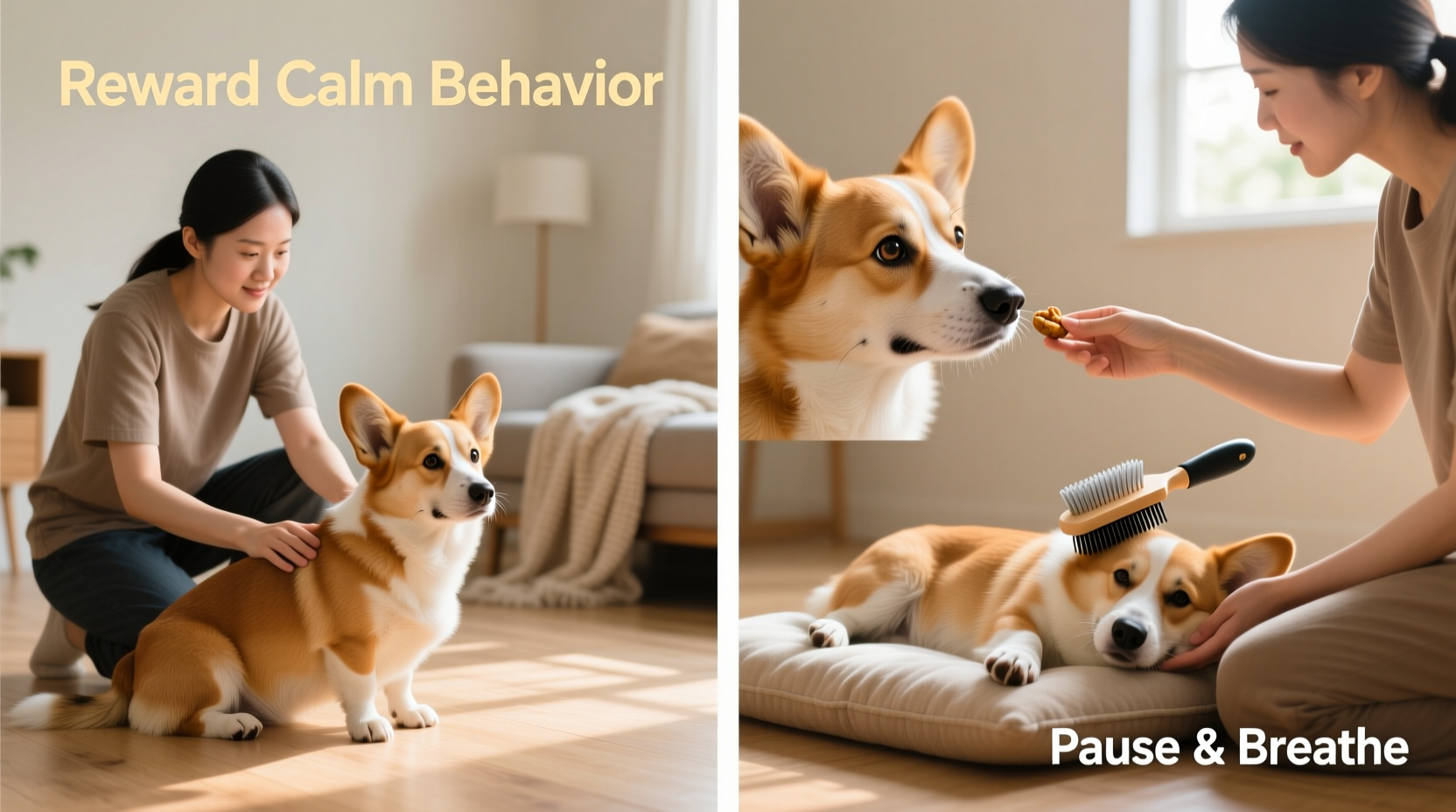
Dogs don’t inherently fear grooming. Their anxiety usually stems from unfamiliar sensations, forced restraint, loud tools, or previous negative experiences. Signs of nervousness include pinned-back ears, lowered tail, lip licking, yawning, panting, trembling, or attempts to escape. Recognizing these signals early allows you to adjust your approach before stress escalates.
It's important to distinguish between fear-based behavior and defiance. A dog that pulls away during nail trimming isn’t being stubborn—they’re communicating discomfort. Respecting this communication builds long-term trust and makes future sessions easier.
“Grooming should never be about control. It’s about cooperation. When we listen to our dogs’ body language, we turn stress into safety.” — Dr. Karen Becker, DVM, Integrative Pet Care Specialist
Step-by-Step Guide: Building a Safe Grooming Routine
Safety and confidence come from preparation and pacing. Follow this timeline to create a positive grooming experience tailored to a nervous dog.
- Start with Environment Setup (Day 1–3): Choose a quiet room with minimal distractions. Remove loud appliances or background noise. Have treats, a soft mat, and all grooming tools ready—but out of sight at first.
- Desensitize to Tools (Day 4–7): Introduce one tool at a time. Let your dog sniff clippers or a brush while offering treats. Turn on clippers in another room first, then gradually bring them closer while rewarding calm behavior.
- Touch Training (Ongoing): Practice touching paws, ears, tail, and muzzle daily for just seconds at a time. Pair each touch with a treat. If your dog tenses up, stop and try again later at an easier spot.
- Mock Grooming Sessions (Week 2): Simulate grooming actions without actually doing them—run a brush near the coat, gently hold a paw as if trimming nails. Reward any tolerance.
- First Real Session (Week 3+): Begin with the least stressful task (e.g., brushing). Keep it under two minutes. End on a positive note, even if unfinished.
- Gradual Progression: Add one new element per session—first brushing, then ear wiping, then nail touch, then clipping one nail. Never combine multiple new steps.
Essential Do’s and Don’ts During Grooming
Avoid common mistakes that increase anxiety. This table outlines best practices for safe, effective grooming.
| Do’s | Don’ts |
|---|---|
| Go at your dog’s pace—even if it takes weeks to complete a full groom | Rush or force a procedure because “it has to be done” |
| Use verbal praise and treats liberally throughout | Yell, scold, or use physical restraint beyond gentle holding |
| Stop immediately if your dog shows signs of distress | Ignore body language cues like whale eye or growling |
| Break sessions into 2–5 minute intervals | Try to finish everything in one sitting |
| Use quiet, vibration-free clippers designed for pets | Use human trimmers or loud machinery near sensitive dogs |
Checklist: Preparing for a Low-Stress Grooming Session
- ✅ Pick a calm time of day (after a walk or play session)
- ✅ Gather all supplies beforehand (brush, clippers, towels, treats)
- ✅ Ensure the room is warm and draft-free
- ✅ Test clipper noise level—start it across the house, then slowly bring it closer
- ✅ Have a non-slip mat or towel for footing
- ✅ Plan to spend no more than 5–10 minutes on active grooming
- ✅ Keep treats within easy reach
- ✅ Invite a helper only if they remain calm and supportive
Real Example: Helping Luna Through Her Fear of Nail Trims
Luna, a 3-year-old Shih Tzu rescue, would hide whenever her owner reached for the nail clippers. She’d been improperly trimmed at a busy salon, resulting in a quick being cut. Her owners began a desensitization plan: for two weeks, they simply held her paw while giving treats. They introduced the clippers by placing them nearby during meals. Then, they clicked the clippers open and shut—without using them—while feeding tiny bits of cheese.
After ten days, they gently touched the clippers to one nail. Two sessions later, they clipped a single tip. Within a month, Luna allowed all nails to be trimmed in short bursts, with breaks in between. Today, she approaches the grooming mat willingly. The transformation wasn’t due to training tricks—it was consistency, empathy, and respect for her limits.
Frequently Asked Questions
How long does it take to groom a nervous dog?
There’s no fixed timeline. Some dogs accept basic brushing in a week; others may need months to tolerate nail trims or ear cleaning. Focus on progress, not speed. Even a 10-second successful touch is a win.
What if my dog snaps or bites during grooming?
Never punish a fearful reaction. Instead, recognize it as a cry for space. Stop immediately, reassess your approach, and go back a step in the training process. Consider using a basket muzzle for safety if bites occur, but only after conditioning your dog to wear it comfortably.
Can I sedate my dog for grooming?
Over-the-counter calming supplements (like those with L-theanine or CBD) may help mildly anxious dogs. However, prescription sedation should only be used under veterinary guidance. It doesn’t address the root fear and can interfere with learning. Behavior modification is safer and more sustainable.
Conclusion: Turning Fear into Trust
Grooming a nervous dog isn’t about conquering resistance—it’s about building connection. Every small step forward strengthens your dog’s confidence and deepens your bond. By approaching the process with patience, observation, and kindness, you transform what was once a source of fear into a ritual of care and closeness.
You don’t need professional skills to make a difference. You only need consistency, empathy, and the willingness to listen. Start today with a single touch, a single treat, a single moment of calm. Your dog is watching—and learning to trust.




 浙公网安备
33010002000092号
浙公网安备
33010002000092号 浙B2-20120091-4
Comments
No comments yet. Why don't you start the discussion?