
Spinach is one of the most widely consumed leafy greens in the world, prized for its nutritional density, versatility in cooking, and minimal caloric impact. When evaluating food choices for weight management, metabolic health, or athletic performance, understanding the precise calorie content of ingredients like spinach becomes essential. A single serving of spinach contains remarkably few calories—typically just 7 to 10 per cup raw—making it a cornerstone of nutrient-rich, low-energy-density diets. Beyond the numbers, spinach delivers a powerful array of vitamins, minerals, antioxidants, and fiber, contributing significantly to overall wellness without adding meaningful caloric load. This detailed analysis explores not only the calorie count across different forms of spinach but also its nutritional profile, culinary applications, and role in evidence-based dietary patterns.
Definition & Overview
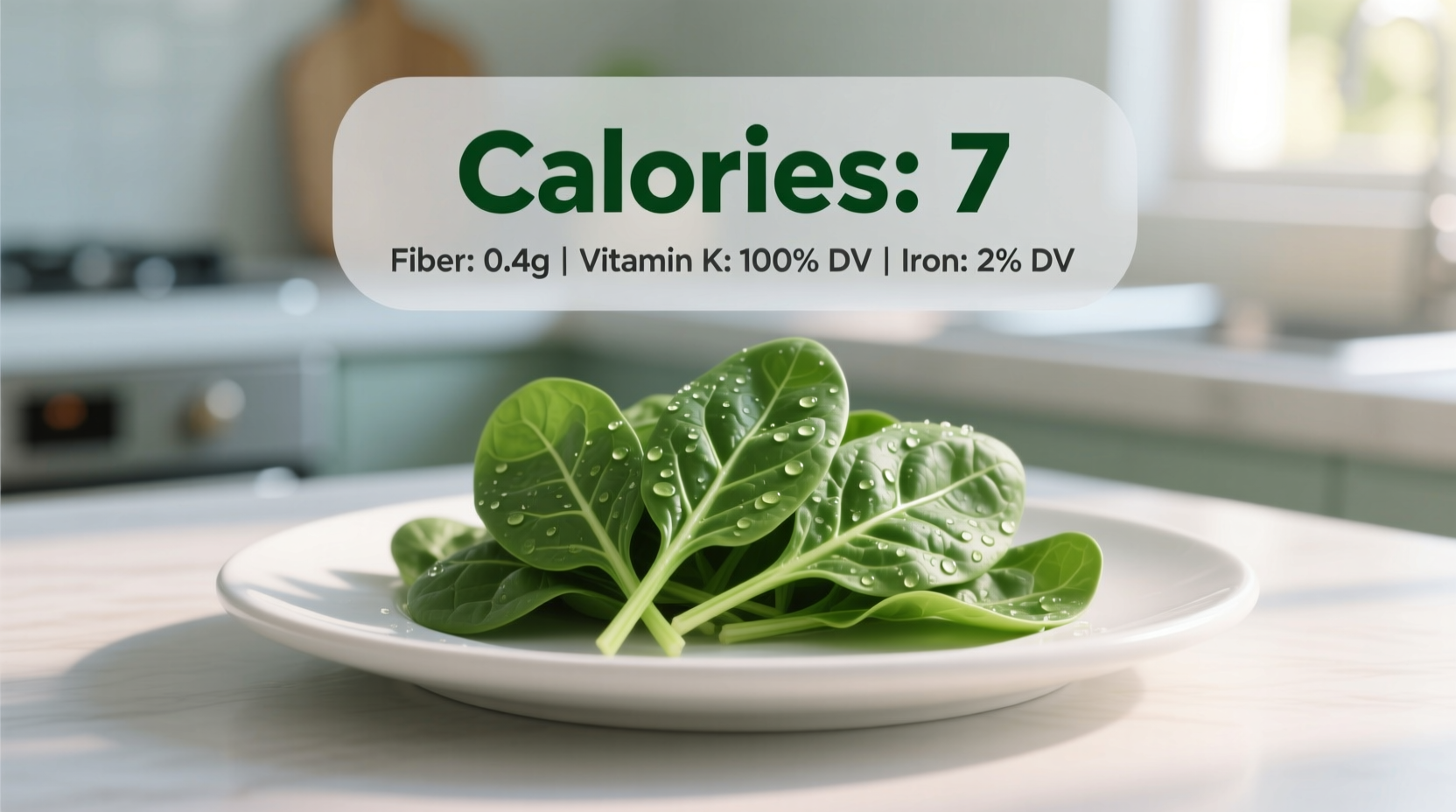
Spinach (Spinacia oleracea) is an edible flowering plant in the Amaranthaceae family, cultivated primarily for its dark green leaves. Native to Central and Western Asia, spinach was introduced to Europe in the 12th century and has since become a global staple in both raw and cooked preparations. It is classified as a cool-season crop, typically harvested in spring or fall, though modern agriculture allows year-round availability through greenhouse cultivation and supply chain logistics.
Culinarily, spinach functions as a vegetable with mild bitterness, subtle earthiness, and a tender texture when young. Its flavor profile makes it adaptable to a broad range of dishes—from salads and smoothies to soups, casseroles, and sautéed sides. Nutritionally, spinach is renowned for being low in calories while high in micronutrients such as vitamin K, vitamin A (as beta-carotene), folate, manganese, and magnesium. Because of this combination, it is frequently recommended in dietary guidelines for heart health, bone integrity, eye function, and inflammation reduction.
In terms of categorization, spinach falls under the broader group of dark leafy greens, which includes kale, Swiss chard, collard greens, and arugula. However, among these, spinach stands out for its relatively soft texture and milder taste, making it more palatable to children and those new to plant-forward eating.
Key Characteristics
The value of spinach extends far beyond its calorie count. Understanding its full sensory and functional profile helps explain why it remains a dietary favorite across cultures.
| Characteristic | Description |
|---|---|
| Flavor Profile | Mildly bitter, slightly sweet, with earthy undertones; younger leaves are more delicate, mature ones develop stronger bitterness. |
| Aroma | Fresh, grassy, clean; no pungency unless wilting or spoiled. |
| Color & Form | Bright to deep green; flat-leaf (Savoy), crinkled (Semi-Savoy), or smooth (Baby Spinach). |
| Heat Level | None – non-pungent, unrelated to spicy plants. |
| Culinary Function | Base for salads, sautéed side dish, ingredient in fillings (e.g., spanakopita), blended into sauces, soups, smoothies. |
| Shelf Life | 3–7 days refrigerated when unwashed and dry; shorter if pre-cut or exposed to moisture. |
Caloric Content by Serving Size and Preparation Method
The number of calories in spinach varies depending on portion size and preparation method. The differences may seem negligible at first glance, but they matter in precision nutrition contexts such as macro tracking, clinical diet planning, or competitive bodybuilding.
According to the U.S. Department of Agriculture (USDA) FoodData Central database, the standard reference values are as follows:
Raw Spinach
- 1 cup (30g) raw spinach: 7 calories
- 1 ounce (28g): 7 calories
- 100 grams: 23 calories
- 1 pound (454g): ~104 calories
At just 7 calories per cup, raw spinach is considered a \"free food\" in many weight-loss frameworks—meaning it can be consumed liberally without impacting daily energy goals. This makes it ideal as a volumizing agent in meals where satiety is desired without excess caloric intake.
Cooked Spinach
When spinach is cooked—whether steamed, boiled, or sautéed—it wilts dramatically due to its high water content (about 91–93%). As a result, a cup of cooked spinach contains more plant mass than a cup of raw.
- 1 cup (180g) boiled, drained spinach: 41 calories
- 100 grams cooked: 23 calories (similar to raw per gram, but denser per volume)
The increase in calories per cup after cooking is due entirely to concentration: removing water increases the density of macronutrients. However, the total caloric contribution remains extremely low even in larger cooked portions.
Sautéed Spinach (with oil)
This is where context matters most. While spinach itself contributes negligible fat or calories, common cooking methods add external sources:
- 1 cup sautéed spinach with 1 tsp olive oil: ~60–70 calories (41 from spinach + ~40 from oil)
- Garlic, butter, or cheese additions: Can raise total to 80–120+ calories per cup
For individuals monitoring fat or calorie intake, using non-stick pans, broth, or citrus juice instead of oil can preserve flavor while minimizing added energy.
Pro Tip: To maximize nutrient retention and minimize added calories, steam spinach lightly (2–3 minutes) or wilt in a splash of vegetable broth. Overcooking reduces vitamin C and folate levels.
Variants & Types
Spinach comes in several varieties, each suited to different culinary uses. Knowing the distinctions ensures optimal selection based on recipe needs.
1. Baby Spinach
Harvested early (20–30 days after planting), baby spinach features small, tender leaves with a milder flavor. Ideal for raw consumption in salads, sandwiches, and smoothies. Slightly lower in fiber and oxalates than mature spinach, making it gentler on digestion.
2. Mature Spinach (Flat-Leaf or Savoy)
These have larger, tougher leaves with deeper color and stronger flavor. Best used in cooked applications such as stir-fries, quiches, and pasta dishes. Higher in certain nutrients like beta-carotene and lutein due to longer photosynthesis exposure.
3. Frozen Spinach
Blanched and flash-frozen at peak freshness, frozen spinach retains most nutrients and offers convenience. One cup (150g) contains approximately 33 calories. Often used in dips, casseroles, and baked goods. Requires thorough draining before use to avoid diluting sauces.
4. Canned Spinach
Less common today due to texture degradation, canned spinach undergoes thermal processing that softens structure and may reduce vitamin content. Typically higher in sodium unless labeled “low-sodium.” Not ideal for fresh-tasting dishes but usable in soups or stews where texture isn’t critical.
5. Dehydrated/Dried Spinach Flakes
Used as a supplement or seasoning, dried spinach is concentrated. One tablespoon (~5g) contains about 11 calories. Rehydrates poorly for salads but useful in rubs, spice blends, or fortifying grain dishes with color and nutrients.
| Type | Best Use | Calories per Cup (approx.) | Storage Duration |
|---|---|---|---|
| Baby Spinach (raw) | Salads, smoothies | 7 | 3–5 days |
| Mature Spinach (raw) | Cooking, sautéing | 7 | 5–7 days |
| Frozen Spinach | Dips, casseroles | 33 | Up to 12 months |
| Canned Spinach | Soups, stews | 45 | 2–5 years (unopened) |
| Dried Spinach | Seasoning, supplements | ~110 per 1/4 cup | 6–12 months |
Comparison with Similar Ingredients
Spinach is often compared to other leafy greens. While all contribute to a healthy diet, their caloric and nutritional profiles differ subtly.
| Green | Calories per Cup (raw) | Texture | Flavor Intensity | Notable Nutrient Difference |
|---|---|---|---|---|
| Spinach | 7 | Tender | Mild | High in oxalates; excellent iron bioavailability when paired with vitamin C |
| Kale | 33 | Sturdy, fibrous | Pronounced, slightly bitter | Higher in vitamin C and calcium; lower in oxalates |
| Arugula | 5 | Delicate | Pungent, peppery | Rich in nitrates; supports vascular health |
| Swiss Chard | 7 | Medium-stemmed | Earthy, beet-like | Contains betalains (anti-inflammatory pigments) |
| Collard Greens | 12 | Thick, leathery | Bitter, robust | Excellent source of glucosinolates; requires longer cooking |
Note that kale’s higher calorie count reflects greater mass per cup due to thicker leaves—not higher energy density per gram. Arugula, despite fewer calories, has a much stronger flavor, so smaller quantities are often used.
Practical Usage & Culinary Applications
Spinach's low calorie count does not limit its culinary utility—in fact, it enhances flexibility. Chefs and home cooks alike leverage spinach to boost volume, color, and nutrition without altering caloric balance significantly.
Home Cooking Tips
- Add to scrambled eggs: Fold in 1–2 cups fresh spinach during the last minute of cooking for a nutrient-packed breakfast under 150 calories.
- Blend into smoothies: Combine 1 cup raw spinach with banana, berries, Greek yogurt, and almond milk for a green smoothie around 180–220 calories.
- Layer in sandwiches/wraps: Replace iceberg lettuce with spinach for triple the vitamin A and similar crunch.
- Wilt into pasta sauces: Stir raw spinach into hot marinara or Alfredo just before serving; it wilts in seconds and adds bulk.
- Use as a pizza topping: Scatter fresh spinach over pizza after baking to retain nutrients and avoid sogginess.
Professional Kitchen Techniques
In restaurant settings, spinach is valued for speed and elegance. Sous chefs often keep blanched, chilled spinach purée on hand for enriching risottos, dumpling fillings, and emulsified sauces. Flash-wilting in salted boiling water (followed by ice bath) preserves vibrant color and removes surface microbes—critical for cold presentations.
Some upscale kitchens use vacuum-infusion techniques to marinate spinach in herb oils or citrus reductions, enhancing flavor without added calories from prolonged oil exposure.
\"We use spinach not just for nutrition, but for visual contrast and mouthfeel. A bright green smear under seared scallops elevates the plate instantly—and costs less than two cents per serving.\" — Executive Chef Maria Tran, Modern Bistro, Portland
Practical Tips & FAQs
Does spinach lose nutrients when cooked?
Yes and no. Water-soluble vitamins like vitamin C and folate decrease with heat, especially boiling. However, cooking increases the bioavailability of fat-soluble nutrients like beta-carotene and lutein. Steaming or microwaving minimizes losses better than boiling.
Is raw or cooked spinach healthier?
Both offer benefits. Raw spinach provides more vitamin C and enzyme activity; cooked spinach delivers more absorbable iron and calcium. For maximum benefit, include both forms in your weekly diet.
How much spinach can I eat daily?
Most adults can safely consume 1–2 cups raw or 1/2–1 cup cooked daily. Those on blood thinners should maintain consistent vitamin K intake (found abundantly in spinach) rather than fluctuate drastically.
Can spinach help with weight loss?
Yes. Its high water and fiber content promote fullness, while contributing almost no calories. Studies show that increasing dietary volume with low-energy-density foods like spinach leads to spontaneous calorie reduction.
What are oxalates, and should I worry?
Oxalates are naturally occurring compounds that can bind calcium and potentially contribute to kidney stones in susceptible individuals. Boiling spinach reduces oxalate content by up to 87%. For most people, moderate consumption poses no risk.
How do I store spinach to extend freshness?
Keep unwashed leaves in an airtight container lined with paper towels to absorb moisture. Store in the crisper drawer at 32–40°F (0–4°C). Avoid sealing wet spinach, as humidity accelerates spoilage.
Checklist: Maximizing Spinach Value
- Buy organic if consuming raw regularly (reduces pesticide residue exposure)
- Rinse thoroughly under running water to remove grit and contaminants
- Pair with vitamin C-rich foods (e.g., lemon juice, bell peppers) to enhance iron absorption
- Freeze excess in portioned bags for future smoothies or soups
- Avoid reheating cooked spinach multiple times (nitrates may convert to nitrites)
Summary & Key Takeaways
A serving of spinach—whether raw, cooked, or frozen—contributes minimal calories while offering exceptional nutritional returns. With only 7 calories per cup raw and 41 per cup cooked (without added fats), spinach exemplifies the concept of nutrient density. It plays a vital role in diets aimed at weight management, disease prevention, and long-term vitality.
Its various forms—baby, mature, frozen, canned—allow for flexible use across cuisines and skill levels. When prepared mindfully, spinach enhances meals without compromising caloric goals. Pairing it with vitamin C sources improves iron uptake, while proper storage maintains freshness and safety.
Among leafy greens, spinach strikes a rare balance between mild flavor, soft texture, and robust nutrition. Whether tossed into a salad, blended into a sauce, or sautéed with garlic, it remains one of the most efficient ways to elevate the healthfulness of any meal.
To optimize your diet, aim to incorporate at least one serving of dark leafy greens like spinach every day. Start with simple additions—topping sandwiches, blending into morning smoothies, or stirring into warm grains—and build from there.




 浙公网安备
33010002000092号
浙公网安备
33010002000092号 浙B2-20120091-4
Comments
No comments yet. Why don't you start the discussion?