
A single slice of tomato contains fewer than 5 calories—typically between 2 and 4, depending on thickness and variety. This negligible caloric load makes tomatoes one of the most nutritionally efficient ingredients in modern cooking: high in essential vitamins, antioxidants, and hydration, yet almost calorie-free. For those tracking macronutrients, managing weight, or building balanced meals, understanding the energy density of everyday foods like tomatoes is crucial. Despite their low-calorie nature, tomatoes deliver robust flavor, vibrant color, and significant health-promoting compounds, particularly lycopene. Their presence in global cuisines—from Mediterranean salads to Indian curries and Mexican salsas—speaks to both versatility and nutritional wisdom.
The question of calories in a tomato slice may seem minor, but it reflects a broader interest in mindful eating, ingredient transparency, and the science behind common produce. In an era where food labels are scrutinized and wellness trends emphasize whole foods, even small components of a meal matter. A tomato slice might not tip the scale calorically, but it contributes meaningfully to satiety, micronutrient intake, and overall dietary quality. This article provides a comprehensive examination of tomato slices—not just their caloric content, but their composition, culinary roles, variations, and how they compare to other vegetables often used in similar ways.
Definition & Overview
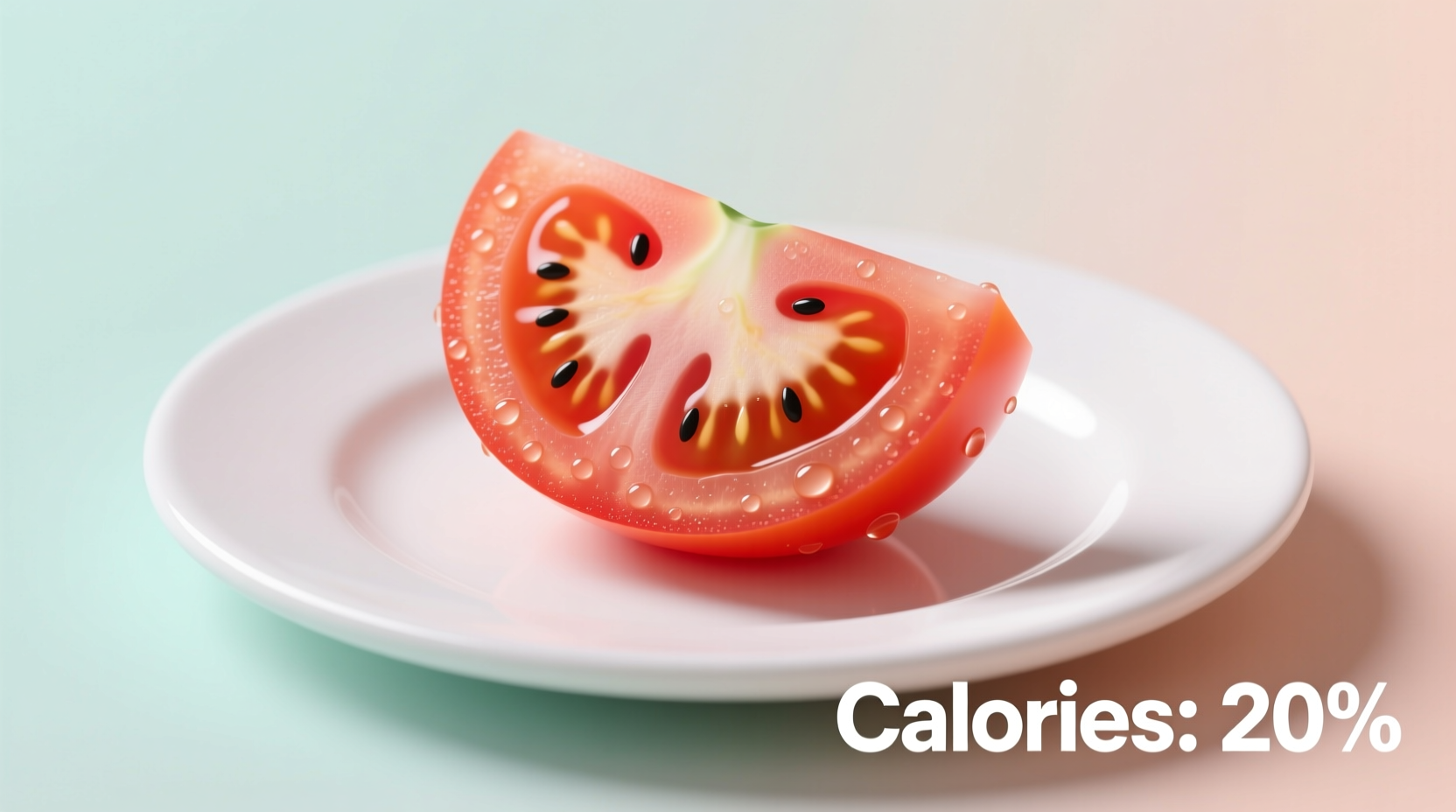
The tomato (*Solanum lycopersicum*) is botanically a fruit, specifically a berry, though it is culinarily treated as a vegetable due to its savory profile and use in savory dishes. Native to western South America, particularly regions of Peru and Ecuador, the tomato was domesticated by Mesoamerican civilizations and later introduced to Europe in the 16th century. Initially met with suspicion due to its membership in the nightshade family, it eventually became a cornerstone of global cuisine, especially in southern European, Middle Eastern, and Latin American cooking.
A \"slice\" of tomato refers to a cross-sectional piece cut from a whole tomato, typically ranging from 1/4 inch (6 mm) to 1/2 inch (12 mm) thick. The exact size and weight vary based on the original tomato’s diameter, ripeness, and shape. Common slicing varieties include beefsteak, Roma, and heirloom types, each differing slightly in texture and water content. Regardless of type, all tomato slices share a high moisture content, mild acidity, and a balance of sweetness and umami that enhances a wide range of dishes.
Nutritionally, tomatoes are prized not for energy provision but for their dense array of phytonutrients and vitamins. They are especially rich in vitamin C, potassium, folate, and vitamin K. Most notably, they are the primary dietary source of lycopene, a red carotenoid antioxidant linked to reduced risk of heart disease and certain cancers. Because these benefits come without significant caloric cost, tomato slices represent an optimal choice for nutrient-dense eating patterns such as the Mediterranean diet, plant-based regimens, and weight-conscious meal planning.
Key Characteristics
| Characteristic | Description |
|---|---|
| Flavor Profile | Bright, mildly sweet, tangy, with subtle earthy and umami notes; intensity increases with ripeness. |
| Aroma | Fresh, green, slightly floral when ripe; more pungent in vine-ripened specimens. |
| Color/Form | Red (most common), but also yellow, orange, purple, or striped; round or oval cross-section when sliced. |
| Texture | Firm yet juicy; gel-like interior seeds surrounded by fleshy walls; softer when overripe. |
| Heat Level | None – non-pungent and cooling in effect. |
| Culinary Function | Adds moisture, acidity, color, and freshness; serves as base, garnish, or structural component. |
| Shelf Life (Fresh Slice) | 1–2 days refrigerated; best used immediately due to rapid oxidation and moisture loss. |
| Calories (Average Slice) | Approximately 3–4 kcal per 1/4-inch-thick slice (~20g). |
Practical Usage
In home kitchens, a single slice of tomato functions as both a functional ingredient and aesthetic element. It can anchor a sandwich, brighten a salad, or serve as a palate cleanser between courses. Its high water content (about 95%) means it contributes hydration and volume without adding fat or protein, making it ideal for light meals and snacks.
When layering a classic turkey club or grilled cheese sandwich, placing a tomato slice between bread adds juiciness and cuts through richness. To prevent sogginess, some chefs recommend salting the slice lightly and letting it drain on a paper towel for 5–10 minutes before use. This draws out excess moisture while concentrating flavor—a technique borrowed from professional kitchens.
In composed salads, such as Caprese or Greek salad, uniform tomato slices ensure even distribution and visual appeal. Pairing them with complementary fats like mozzarella, avocado, or olive oil enhances absorption of fat-soluble nutrients like lycopene and beta-carotene. Drizzling with balsamic vinegar and fresh basil creates a synergistic flavor profile known as *agrodolce*—a balance of sweet and sour that elevates simple ingredients.
Pro Tip: For maximum lycopene bioavailability, combine tomato slices with a healthy fat and a touch of heat. While raw slices are nutritious, gently warming them in a pan with olive oil increases lycopene release. Even brief exposure—such as sautéing for 2–3 minutes—can boost antioxidant availability by up to 50%, according to research published in the Journal of Agricultural and Food Chemistry.
In restaurant settings, precision matters. Chefs often standardize tomato slice thickness using mandolines or bench scrapers to ensure consistency across hundreds of plates. Slices may be seared briefly on a griddle to caramelize natural sugars or confited slowly in oil to intensify flavor. Some upscale presentations feature dehydrated tomato slices as crisp garnishes, reducing water content while preserving essence.
For breakfast applications, tomato slices add brightness to avocado toast or egg sandwiches. In vegetarian bowls, they provide contrast to grains and legumes. Even in soups and stews, pre-cooked tomato slices can be layered atop finished dishes for freshness—think shakshuka topped with raw slices just before serving.
Variants & Types
Not all tomato slices are created equal. The nutritional profile, texture, and flavor depend heavily on the cultivar used. Here are the most common types encountered in retail and culinary environments:
- Beefsteak Tomatoes: Large, meaty, and deeply ribbed. Ideal for thick slices in burgers and sandwiches. A single slice weighs 30–50g and contains 5–7 kcal. Higher flesh-to-seed ratio makes them less watery.
- Roma (Plum) Tomatoes: Elongated, firmer, with fewer seed cavities. Often used in sauces, but also excellent for dicing or thin slicing in wraps. Lower moisture content suits applications where sogginess is a concern.
- Cherry/Grape Tomatoes: Not typically sliced, but when halved, each half equals about 1–2 kcal. More concentrated sugar content gives a sweeter taste. Best for salads or roasting.
- Heirloom Tomatoes: Variably colored and shaped, often with complex flavor profiles—some smoky, others citrusy. Due to irregular structure, slices may vary widely in size and stability. Prized in fine dining for visual drama and nuanced taste.
- Green Tomatoes: Unripe variants, firmer and more acidic. Used in fried green tomato preparations or pickling. Slightly lower sugar and lycopene, but still under 5 kcal per slice.
Dried tomato slices, while nutritionally distinct, offer a concentrated alternative. One dried slice may contain 20–30 kcal due to removed water and increased sugar density. These are not interchangeable with fresh in terms of calories or function, but serve different culinary purposes—such as in antipasti platters or grain pilafs.
Comparison with Similar Ingredients
Tomato slices are often grouped with other low-calorie, high-moisture vegetables. Understanding how they differ helps in substitution and menu planning.
| Ingredient | Calories per Slice (approx.) | Key Differences |
|---|---|---|
| Cucumber (1/4\" slice) | ~1 kcal | Milder flavor, higher water content, no acidity; lacks lycopene and vitamin C density. |
| Green Bell Pepper (1/4\" slice) | ~3 kcal | Crisper texture, grassier taste; higher in vitamin C but no lycopene; more fibrous. |
| Zucchini (1/4\" slice) | ~2 kcal | Neutral flavor, requires cooking for full development; lower in antioxidants. |
| Onion (1/4\" slice) | ~4 kcal | Pungent, sharp when raw; releases sulfur compounds; not used primarily for moisture. |
| Tomato (1/4\" slice) | ~3–4 kcal | Unique combination of acidity, sweetness, umami, and lycopene; unmatched in versatility. |
\"The tomato is to modern vegetable cookery what butter is to French sauce work—it's foundational, transformative, and irreplaceable in its category.\" — Chef Yotam Ottolenghi, Plenty series
While cucumbers and zucchini are often used interchangeably in cold salads, tomatoes contribute a dimension of depth that others cannot replicate. Unlike onions or peppers, which dominate with sharpness or heat, tomato slices integrate seamlessly, enhancing rather than overpowering.
Practical Tips & FAQs
How many calories are in a slice of tomato?
An average 1/4-inch-thick slice of raw tomato (about 20 grams) contains approximately 3–4 calories. Larger beefsteak slices may reach 7 kcal. All values assume no added oil, salt, or dressing.
Do different colors of tomatoes have different calorie counts?
No significant difference. Red, yellow, and orange tomatoes all hover around 18–20 kcal per 100g. Color affects antioxidant type—red has lycopene, yellow has lutein—but not energy content.
Are tomato slices good for weight loss?
Yes. Their low energy density, high water content, and fiber promote fullness with minimal caloric intake. Including tomato slices in meals increases volume without increasing calories—a key strategy in volumetrics, a science-backed approach to appetite control.
Should I eat the skin and seeds?
Absolutely. The skin contains flavonoids and fiber, while the gel surrounding the seeds houses much of the lycopene. Discarding these parts reduces nutritional benefit. If texture is a concern, choose varieties bred for tender skin, such as Sun Gold or Brandywine.
How should I store sliced tomatoes?
Refrigerate in an airtight container on a paper towel to absorb excess moisture. Use within 24 hours for best quality. Note: Whole tomatoes should be stored at room temperature until ripe; only slice when ready to use, as cutting accelerates spoilage.
Can I freeze tomato slices?
Technically yes, but texture changes dramatically upon thawing—they become soft and watery. Better suited for cooked applications like soups or sauces. For raw use, always prefer fresh.
What’s the best way to slice tomatoes cleanly?
Use a sharp serrated knife and a stable cutting surface. Let tomatoes sit at room temperature for easier slicing. Chill only if using immediately in cold dishes. Cut just before serving to preserve flavor and structure.
Are canned or sun-dried tomatoes comparable?
No. Processing alters both calorie count and nutrient profile. One canned tomato slice (drained) may have similar calories but higher sodium. Sun-dried versions are concentrated: one slice can exceed 25 kcal and act more like a condiment than a fresh component.
Storage Checklist:
- Keep whole tomatoes stem-side down at room temperature away from sunlight.
- Only refrigerate after slicing or if fully ripe and not consumed within 2 days.
- Store cut surfaces covered with plastic wrap or in a sealed container.
- Never wash until ready to use—moisture encourages mold.
- Use within 2 days of slicing for peak safety and quality.
Summary & Key Takeaways
A single slice of tomato delivers exceptional nutritional value for minimal caloric cost—typically 3 to 4 calories, depending on size and variety. Rich in vitamin C, potassium, and the powerful antioxidant lycopene, it supports cardiovascular health, inflammation reduction, and long-term disease prevention. Its bright acidity, juicy texture, and umami undertones make it indispensable in both casual and professional cooking.
Understanding the nuances of tomato types—beefsteak, Roma, heirloom, and green—allows for smarter selection based on recipe needs. Whether used in sandwiches, salads, or hot dishes, tomato slices enhance flavor, improve nutrient absorption when paired with fats, and contribute to satiating, low-energy-density meals.
Compared to similar vegetables like cucumber or zucchini, tomato slices stand out for their complex taste and superior phytonutrient profile. Though slightly higher in calories than some counterparts, their functional benefits far outweigh the marginal difference.
To maximize utility and freshness:
- Slice just before use to preserve texture and flavor.
- Pair with olive oil or avocado to boost lycopene absorption.
- Salvage excess slices by roasting, blending into gazpacho, or adding to omelets.
- Store properly to extend shelf life and minimize waste.
Final Thought: Never underestimate the humble tomato slice. In the world of real food, true value isn’t measured in calories alone—but in flavor, function, and nourishment. A single slice may cost less than five calories, but its contribution to health, satisfaction, and culinary delight is immeasurable.




 浙公网安备
33010002000092号
浙公网安备
33010002000092号 浙B2-20120091-4
Comments
No comments yet. Why don't you start the discussion?