
Understanding the caloric content of a spinach and feta wrap is essential for anyone managing dietary goals, whether for weight loss, muscle gain, or balanced nutrition. While often marketed as a “healthy” lunch option, the actual calorie count can vary dramatically—ranging from 300 to over 700 calories—depending on ingredients, portion size, and preparation method. A restaurant-style wrap loaded with creamy dressings and oversized tortillas can easily surpass a full meal’s recommended calorie budget, while a homemade version using whole grains, lean fillings, and light seasoning may fit neatly into a light lunch plan. This article breaks down every component contributing to the calorie total, offers practical strategies for controlling portions, and provides guidance for crafting a nutritious, satisfying wrap without hidden energy surges.
Definition & Overview
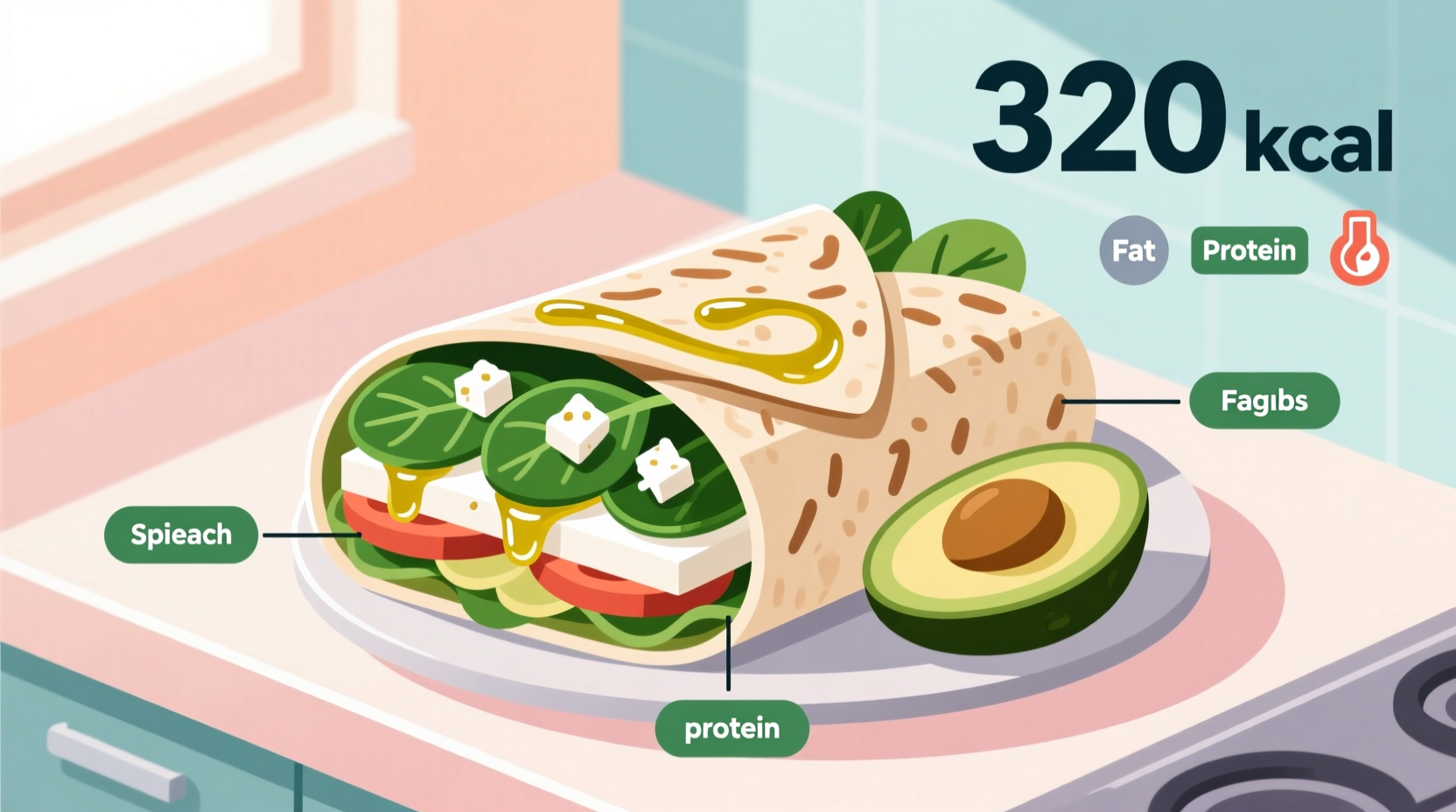
A spinach and feta wrap is a handheld dish typically composed of fresh spinach, crumbled feta cheese, and additional vegetables or proteins, rolled inside a flatbread such as a flour tortilla, lavash, or whole wheat wrap. Originating from Mediterranean-inspired cuisine, it combines the tangy saltiness of feta—a brined cheese traditionally made from sheep’s or goat’s milk—with the earthy freshness of leafy greens. Modern iterations often include extras like sun-dried tomatoes, cucumbers, olives, hummus, grilled chicken, or tzatziki sauce, elevating both flavor and nutritional complexity.
The dish has gained popularity in health-conscious circles due to its plant-forward profile and perceived lightness. However, the assumption that “vegetable-based = low-calorie” can be misleading. The cumulative effect of high-fat cheeses, oil-laden spreads, and refined-carbohydrate wraps significantly impacts the final energy density. To truly understand the nutritional value of a spinach and feta wrap, each ingredient must be evaluated not just for taste but for its contribution to overall caloric load.
Key Characteristics
- Flavor Profile: Salty, tangy (from feta), slightly bitter (from raw spinach), often enhanced with garlic, lemon, or herbs like dill or oregano.
- Aroma: Fresh and herbal when made with raw greens; richer and more pungent if tzatziki or roasted elements are added.
- Color/Form: Vibrant green interior with white specks of feta; cylindrical roll form, typically 6–10 inches in diameter.
- Texture: Crisp from fresh vegetables, creamy from cheese or spreads, chewy or soft depending on tortilla type.
- Culinary Function: Serves as a portable main course or substantial side dish, ideal for lunches, picnics, or meal prep.
- Shelf Life: Best consumed fresh; assembled wraps last up to 24 hours refrigerated before sogginess or wilting occurs.
- Dietary Tags: Often vegetarian; can be adapted to vegan (with dairy-free substitutes) or gluten-free (using GF tortillas).
Breakdown of Caloric Components
The total calorie count in a spinach and feta wrap depends almost entirely on four primary variables: the tortilla, the cheese, the dressing or spread, and any added proteins or extras. Each plays a distinct role in shaping the final nutritional outcome.
Tortilla: The Foundation
The choice of wrap contributes the largest single source of calories, particularly carbohydrates. Not all tortillas are created equal:
| Tortilla Type | Size (inches) | Calories (approx.) | Carbohydrates | Fiber |
|---|---|---|---|---|
| White Flour Tortilla | 8\" | 180–220 | 30g | 1–2g |
| Whole Wheat Tortilla | 8\" | 140–180 | 28g | 4–5g |
| Sprouted Grain Wrap | 8\" | 120–160 | 20g | 6g |
| Spinach or Herb Tortilla | 8\" | 190–230 | 32g | 2g |
| Low-Carb/Lettuce Wrap | N/A | 10–50 | 2–8g | 1–3g |
Many commercial spinach wraps market themselves as “healthier,” but often contain minimal actual spinach and are nutritionally similar to standard white flour tortillas—sometimes even higher in fat and sodium. For lower-calorie, higher-fiber results, opt for certified whole grain or sprouted varieties.
Feta Cheese: Flavor with a Cost
Feta delivers intense flavor with relatively small volumes, but its fat content is significant. Traditional feta averages:
- 75–80 calories per ounce (28g)
- 6g fat (mostly saturated)
- 4g protein
- High in sodium (~300–400mg per ounce)
A typical restaurant wrap may use 2–3 ounces of feta—adding 150–240 calories before anything else is included. Reducing the amount to 1 ounce or using a reduced-fat version (about 50 calories per ounce) can cut this contribution nearly in half. Crumbling it finely allows the flavor to disperse more widely, maintaining taste satisfaction with less volume.
Dressings and Spreads: The Hidden Calorie Bombs
While spinach adds only about 7 calories per cup (raw), and common additions like cucumber or tomato contribute under 20 calories combined, the real stealth contributors are sauces. Consider these typical options:
- Ranch Dressing (2 tbsp): 140–160 calories
- Tzatziki (2 tbsp): 60–80 calories
- Hummus (2 tbsp): 70–100 calories
- Olive Oil (1 tbsp): 120 calories
- Mayonnaise-based spreads: 90–110 calories per tablespoon
A wrap advertised as “drizzled with tzatziki” may actually contain 3–4 tablespoons—pushing the sauce alone to over 200 calories. Opting for a light hand or substituting with lemon juice, Greek yogurt thinned with water, or balsamic vinegar can preserve moisture and tang without excess fat.
Proteins and Add-Ons
Grilled chicken breast (3 oz) adds approximately 140 calories and 26g of protein—making it a smart inclusion for satiety and muscle support. However, processed meats like gyro meat or bacon increase both calorie and sodium counts substantially. Other common add-ons:
- Sun-dried tomatoes (¼ cup oil-packed): 120 calories
- Kalamata olives (10 medium): 50–60 calories
- Avocado (¼ medium): 80 calories
- Roasted red peppers (½ cup): 25 calories
These ingredients enhance flavor and nutrition but require mindful measurement. For example, avocado brings heart-healthy monounsaturated fats, but doubling the portion adds 160+ extra calories.
Typical Calorie Ranges by Preparation Style
To illustrate how combinations affect totals, here are three representative versions of a spinach and feta wrap:
Tip: When dining out, always ask for dressings and spreads on the side. This simple step can save 100–200 calories and gives you control over how much is used.
| Wrap Version | Ingredients | Total Calories | Protein | Notable Features |
|---|---|---|---|---|
| Basic Homemade | Whole wheat tortilla, 1 oz feta, 1 cup spinach, 2 tbsp tzatziki, tomato, cucumber | 320 | 12g | Balanced, fiber-rich, moderate sodium |
| Restaurant Deluxe | Large spinach tortilla, 3 oz feta, ¼ avocado, gyro meat, olives, sun-dried tomatoes, 3 tbsp tzatziki + olive oil drizzle | 680 | 24g | High in fat, sodium, and calories despite \"Mediterranean\" label |
| Light & Lean | Lettuce wrap, ½ oz reduced-fat feta, spinach, tomato, lemon juice, 1 tbsp hummus, grilled chicken (3 oz) | 290 | 28g | High protein, low carb, ideal for weight management |
Variants & Types
Spinach and feta wraps come in multiple forms, each suited to different dietary needs and culinary contexts.
Traditional Flour-Based Wrap
The most common version, found in cafés and sandwich shops. Uses a pliable flatbread, often toasted or grilled. Offers convenience and portability but tends to be high in refined carbs and added fats.
Whole Grain or Sprouted Wrap
Higher in fiber and complex carbohydrates, leading to slower digestion and more stable blood sugar. Ideal for sustained energy and digestive health. Look for labels listing “whole wheat” or “sprouted grains” as the first ingredient.
Low-Carb or Lettuce Wrap
Uses large romaine, butter lettuce, or collard leaves instead of tortilla. Drastically reduces carbohydrate and calorie content. Best for ketogenic, low-carb, or paleo diets. Requires careful rolling to prevent leakage.
Vegan Adaptation
Replaces feta with plant-based alternatives made from tofu, almonds, or coconut oil, and uses dairy-free spreads. Some store-bought vegan fetas mimic the salty tang well, though they may still contain 60–90 calories per ounce. Pair with chickpeas or lentils for protein balance.
Gluten-Free Version
Utilizes certified gluten-free tortillas made from rice, tapioca, or almond flour. Be cautious—many GF wraps are denser and higher in fat to compensate for texture, sometimes matching or exceeding standard tortilla calories.
Comparison with Similar Wraps
The spinach and feta wrap is often grouped with other “healthy” handheld meals. Understanding how it differs helps in making informed choices.
| Wrap Type | Avg Calories | Key Differences | Better For |
|---|---|---|---|
| Spinach & Feta | 320–680 | High in sodium from cheese, moderate protein, variable fat based on dressing | Vegetarian diets, Mediterranean flavor lovers |
| Chicken Caesar Wrap | 500–800 | Higher in fat (mayo-based dressing), lower fiber, more processed ingredients | High-protein needs, less suitable for heart-healthy diets |
| Veggie Hummus Wrap | 300–450 | Lower sodium, plant-based protein, higher fiber; lacks tangy punch of feta | Vegans, fiber-focused eaters, sodium-sensitive individuals |
| Tuna Salad Wrap | 400–600 | High in omega-3s but often loaded with mayo; potential mercury concerns with frequent consumption | Those seeking brain-boosting fats, but requires moderation |
“The biggest mistake people make is assuming a ‘vegetarian’ wrap is automatically low-calorie. A spinach and feta can be a smart choice—or a diet derailer—based solely on how it’s built.” — Nutritionist Elena Rodriguez, MS, RD
Practical Usage: How to Build a Better Wrap
Creating a balanced, satisfying spinach and feta wrap at home allows full control over ingredients and portions. Follow these steps for optimal results:
- Choose the right base: Select a 8-inch whole grain or sprouted tortilla (under 180 calories). Warm it briefly to prevent cracking.
- Layer smartly: Start with a thin spread—1 tablespoon max—of hummus, mashed avocado, or tzatziki made with nonfat Greek yogurt.
- Add greens generously: Fill half the wrap with raw spinach, arugula, or shredded kale. These add volume and nutrients with negligible calories.
- Measure the feta: Use a kitchen scale or measuring spoon to limit feta to 1 ounce (about 2 tablespoons crumbled).
- Incorporate color and crunch: Add sliced cucumber, bell peppers, tomato, and red onion for flavor, texture, and phytonutrients.
- Boost protein wisely: Include grilled chicken, chickpeas, hard-boiled egg, or white beans for staying power without excess fat.
- Season, don’t drown: Finish with lemon juice, black pepper, dried oregano, or a light balsamic glaze instead of oily dressings.
- Roll tightly: Fold in the sides, then roll from the bottom up, using parchment paper if meal prepping to maintain structure.
Make-Ahead Tip: Assemble wraps in parchment or foil and refrigerate for up to 24 hours. Avoid adding watery vegetables (like tomatoes) until serving to prevent sogginess.
Storage, Shelf Life & Meal Prep
Due to their moisture-sensitive components, spinach and feta wraps do not keep well long-term. Condensation from refrigeration causes tortillas to become soggy and greens to wilt. For best quality:
- Consume within 24 hours of assembly.
- Store in an airtight container, wrapped in parchment to absorb excess moisture.
- Keep dressings separate if prepping in advance; add just before eating.
- Freezing is not recommended—texture degrades significantly upon thawing.
For weekly meal prep, consider pre-chopping ingredients and storing them in labeled containers. Assemble wraps the night before or morning of consumption.
Common Substitutions & Modifications
Adapting the wrap to dietary needs doesn't mean sacrificing flavor. Smart swaps include:
- Feta → Crumbled tofu marinated in lemon juice, apple cider vinegar, and nutritional yeast for a vegan alternative.
- Tortilla → Collard green leaf (blanched briefly to soften) for a sturdy, low-carb vessel.
- Tzatziki → Blend nonfat Greek yogurt with grated cucumber, garlic, dill, and a splash of water to reduce fat without losing creaminess.
- Extra flavor → Add capers, pickled onions, or a sprinkle of za’atar for depth without added calories.
Practical Tips & FAQs
How many calories should a healthy wrap have?
A balanced lunch wrap should range between 300–500 calories, depending on your daily needs. For weight loss, aim for the lower end with at least 15g of protein and 5g of fiber to promote fullness.
Is a spinach and feta wrap good for weight loss?
It can be—if carefully constructed. Focus on lean protein, controlled cheese portions, whole grains, and minimal added fats. Avoid creamy dressings and oversized tortillas.
Can I eat this wrap on a keto diet?
Yes, but only with modifications: use a lettuce wrap, limit high-carb vegetables, choose full-fat feta, and include healthy fats like avocado or olive tapenade. Total carbs should stay under 10g net per serving.
Why is my homemade wrap soggy?
Excess moisture from wet vegetables (tomatoes, cucumbers), too much dressing, or wrapping too far in advance. Pat ingredients dry, use less sauce, and assemble closer to eating time.
What’s the healthiest store-bought spinach and feta wrap?
Look for options under 400 calories, with whole grains listed first, less than 600mg sodium, and no hydrogenated oils. Brands like Amy’s Kitchen or Whole Foods 365 offer decent ready-made versions, but always check labels.
Summary & Key Takeaways
The calorie content of a spinach and feta wrap is highly variable and often underestimated. While the core ingredients—spinach and feta—suggest a light, healthy meal, the reality can be quite different when oversized portions, high-fat spreads, and refined tortillas are used. A typical restaurant version may exceed 600 calories, while a thoughtfully prepared homemade wrap can deliver robust flavor in under 350.
Key factors influencing calorie count include:
- The type and size of tortilla (whole grain > white flour)
- The amount of feta used (1 oz is sufficient for flavor)
- The choice of spread (tzatziki or hummus > ranch or mayo)
- The inclusion of proteins and extras (grilled chicken > gyro meat)
To enjoy this Mediterranean favorite without compromising health goals, build wraps at home with measured ingredients, prioritize fiber and protein, and avoid hidden sources of fat and sodium. With mindful construction, the spinach and feta wrap can indeed be a nutritious, satisfying meal—proof that smart choices matter more than labels.
Final Thought: Treat the wrap as a template, not a fixed recipe. By understanding each component’s impact, you gain the power to customize for taste, health, and energy needs—turning a simple lunch into a strategic act of self-care.




 浙公网安备
33010002000092号
浙公网安备
33010002000092号 浙B2-20120091-4
Comments
No comments yet. Why don't you start the discussion?