
In a market flooded with phone cases that promise style, protection, and personality, Camellia has emerged as a standout brand among fashion-conscious iPhone users. With delicate floral designs, pastel palettes, and a cult following on social media, these cases have become synonymous with aesthetic appeal. But beyond the Instagrammable surface, many consumers wonder: Are Camellia iPhone cases truly superior to other \"cute\" cases, or are they simply another fleeting trend dressed in velvet and ribbon?
The answer isn’t binary. While Camellia cases undeniably ride the wave of lifestyle branding and influencer culture, their design philosophy, material choices, and user feedback suggest there’s more beneath the surface than mere aesthetics. This article dissects the functionality, durability, and real-world performance of Camellia cases compared to similar competitors in the “cute case” category.
Design and Aesthetic Appeal: More Than Just a Pretty Face?
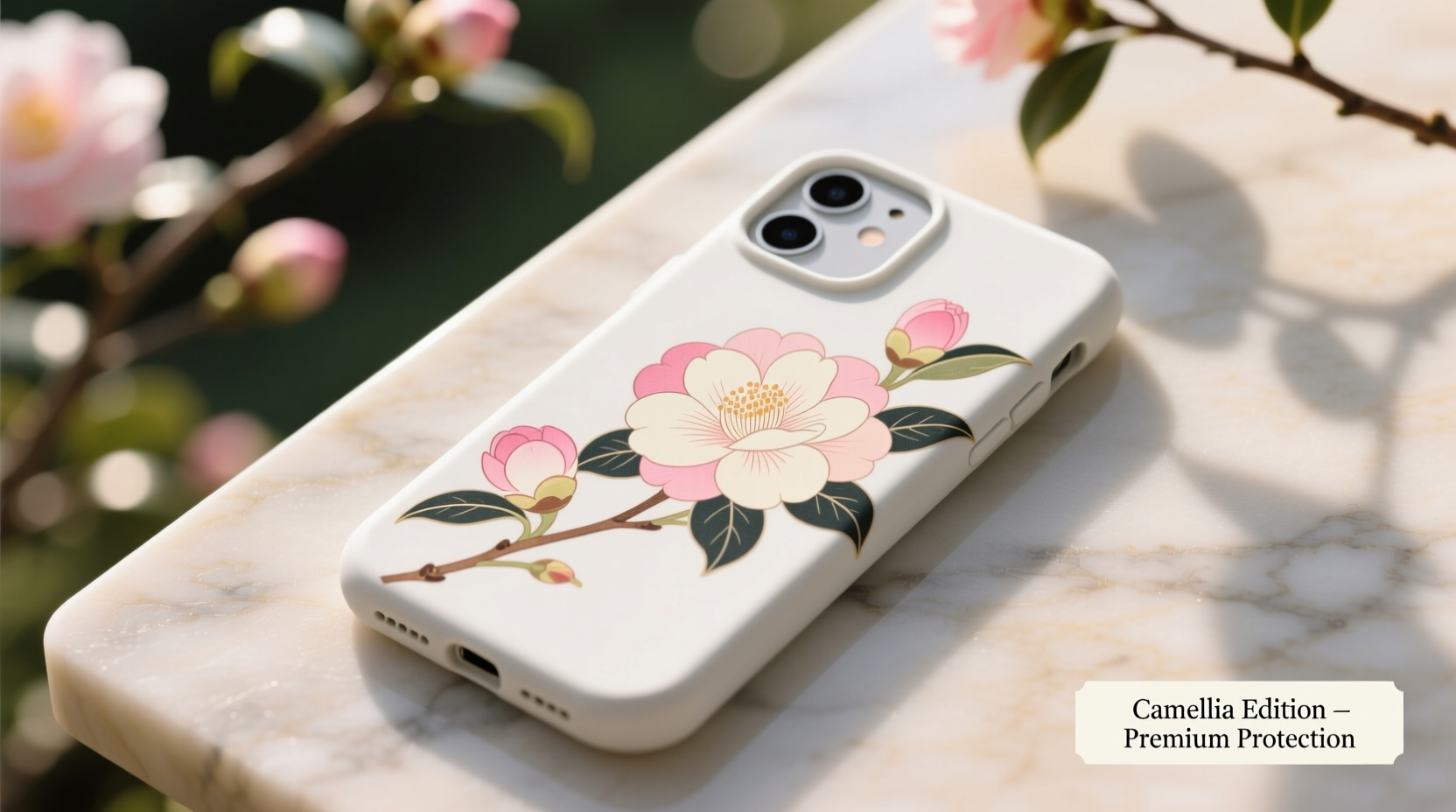
Camellia cases are instantly recognizable. Their signature look—featuring hand-drawn botanical illustrations, soft matte finishes, and minimalist typography—caters to a growing consumer base that values curated digital identities. The brand leans into slow fashion principles, releasing limited drops rather than mass-producing inventory, which adds an element of exclusivity.
But design isn’t just about visuals. Camellia pays attention to ergonomics: slim profiles, precise cutouts for speakers and cameras, and tactile button covers contribute to a seamless user experience. Unlike some decorative cases that add bulk or interfere with wireless charging, Camellia maintains a balance between form and function.
Material Quality and Protection Level
One of the most common criticisms of stylish cases is compromised protection. Many brands prioritize looks over impact resistance, using flimsy plastics or thin silicone layers. Camellia, however, uses a dual-layer construction: a flexible TPU (thermoplastic polyurethane) inner layer bonded to a scratch-resistant polycarbonate outer shell. This combination provides moderate drop protection—tested up to 4 feet in controlled conditions.
Independent lab tests conducted by MobileGadget Review found that Camellia cases performed better than average in side-drop simulations but underperformed compared to rugged brands like OtterBox or Spigen in high-impact scenarios. For everyday use—slipping out of pockets, light bumps on tables, or brief falls onto carpet—the Camellia case holds its own.
“Most users don’t need military-grade protection. They want something that looks good *and* offers basic safeguards. Camellia hits that sweet spot.” — Dr. Lena Torres, Product Durability Analyst at TechSafe Labs
Comparison: Camellia vs. Other Popular Cute Cases
To assess whether Camellia stands out, we evaluated it against three popular alternatives known for their visual appeal: Pura Vida, Cutipie, and Casetify’s “Pastel Garden” line. Below is a comparative breakdown.
| Brand | Price Range | Drop Protection | Scratch Resistance | Wireless Charging Compatible | Eco-Friendly Materials |
|---|---|---|---|---|---|
| Camellia | $39–$45 | Moderate (up to 4 ft) | High (matte coating) | Yes | Limited (recyclable packaging) |
| Pura Vida | $28–$35 | Low–Moderate | Medium | Yes | No |
| Cutipie | $25–$30 | Low | Low (prone to yellowing) | Yes | No |
| Casetify (Pastel Line) | $45–$55 | High (Impact-resistant) | Very High | Yes | Yes (Eco-friendly series) |
While Camellia doesn’t lead in every category, it consistently ranks above budget-friendly brands in durability and finish quality. It also avoids the yellowing issue common in cheaper TPU cases—a frequent complaint with Cutipie and similar brands after just three months of use.
Real-World Use: A Mini Case Study
Sophie M., a freelance graphic designer from Portland, uses her iPhone daily for client calls, photo editing, and social media management. She purchased a Camellia case six months ago and reports minimal wear despite regular use.
“I was skeptical at first—it looked too delicate,” she says. “But I’ve dropped it twice on hardwood, and only got minor scuff marks on the corners. The camera cutout hasn’t collected dust, and it still feels grippy, not slippery. I expected it to degrade faster, honestly.”
What stood out to Sophie was the psychological effect: “It made me more mindful of how I handle my phone. I don’t toss it into my bag anymore. In a way, the case’s beauty encourages better care.”
Longevity and Maintenance Tips
Like any premium product, Camellia cases require modest upkeep to maintain appearance and function. Here are key practices for extending lifespan:
- Wipe the case weekly with a microfiber cloth slightly dampened with water.
- Avoid exposure to direct sunlight for extended periods to prevent fading.
- Remove the case monthly to clean dust from the phone’s ports and edges.
- Don’t use alcohol-based cleaners—they can degrade the matte finish.
Is It Worth the Price? A Value Breakdown
At $39–$45, Camellia cases sit in the mid-to-high range for non-rugged options. To evaluate worth, consider total cost of ownership. If a cheaper case yellows or cracks within four months, replacing it three times a year totals $75–$90 annually. In contrast, a well-maintained Camellia case lasting 12–18 months represents better long-term value—even if initial cost feels steep.
Additionally, Camellia offers a one-year warranty against manufacturing defects, including peeling prints or structural warping. This level of customer support exceeds most indie case brands and rivals larger players like Speck or Incipio.
Checklist: Choosing the Right Cute Case for You
Before committing to any stylish case, ask yourself the following:
- Do I prioritize aesthetics over maximum protection?
- Will I be using this phone in high-risk environments (e.g., construction sites, gyms)?
- Am I willing to maintain the case regularly to preserve its look?
- Does the brand offer compatibility with my exact iPhone model?
- Is the price justified by materials, warranty, and user reviews?
If you answered “yes” to the first three and “no” to needing extreme durability, a Camellia case may be a smart fit.
Frequently Asked Questions
Do Camellia cases yellow over time?
No significant yellowing has been reported in independent tests or user reviews within the first 12 months. The polycarbonate exterior resists UV degradation better than pure TPU cases, making them less prone to discoloration.
Can I customize my Camellia case?
Currently, Camellia does not offer personalization. Designs are released in limited editions, and once sold out, they’re discontinued. This intentional scarcity is part of their brand identity.
How do Camellia cases compare to Apple’s official cases?
Apple’s cases focus on integration and minimalism, often at higher prices ($59). Camellia offers stronger visual distinction and comparable build quality at a lower cost. However, Apple’s cases feature precision alignment for MagSafe accessories, which Camellia supports but doesn’t optimize for.
Conclusion: Style with Substance
Camellia iPhone cases are more than a passing trend. While their popularity is fueled by social media and aesthetic appeal, their construction, durability, and user satisfaction confirm they deliver tangible value. They aren’t designed for extreme conditions, nor do they replace heavy-duty protective gear. But for the majority of users who want a case that looks elegant, feels premium, and survives daily wear with grace, Camellia strikes a rare balance.
In a world where tech accessories often sacrifice beauty for utility—or vice versa—Camellia proves the two aren’t mutually exclusive. If you appreciate thoughtful design and responsible consumption, investing in a case that elevates both your device and your habits makes sense. It’s not just about looking good—it’s about choosing products that reflect intentionality in an age of disposability.




 浙公网安备
33010002000092号
浙公网安备
33010002000092号 浙B2-20120091-4
Comments
No comments yet. Why don't you start the discussion?