
In recent years, camellia keychains have surged in popularity across fashion circles, lifestyle blogs, and social media feeds. Often seen dangling from luxury handbags or clipped onto minimalist wallets, these floral-inspired accessories promise more than just function—they suggest identity, taste, and even status. But with prices ranging from $20 to over $100 for some designer versions, many consumers are left wondering: Are camellia keychains truly worth the investment compared to a simple, no-frills metal ring?
The answer isn’t as straightforward as “yes” or “no.” It depends on what you value—durability, aesthetics, symbolism, or practicality. Let’s examine the rise of the camellia keychain, its benefits and drawbacks, and whether it genuinely outperforms the humble plain keychain in real-world use.
The Symbolism Behind the Camellia
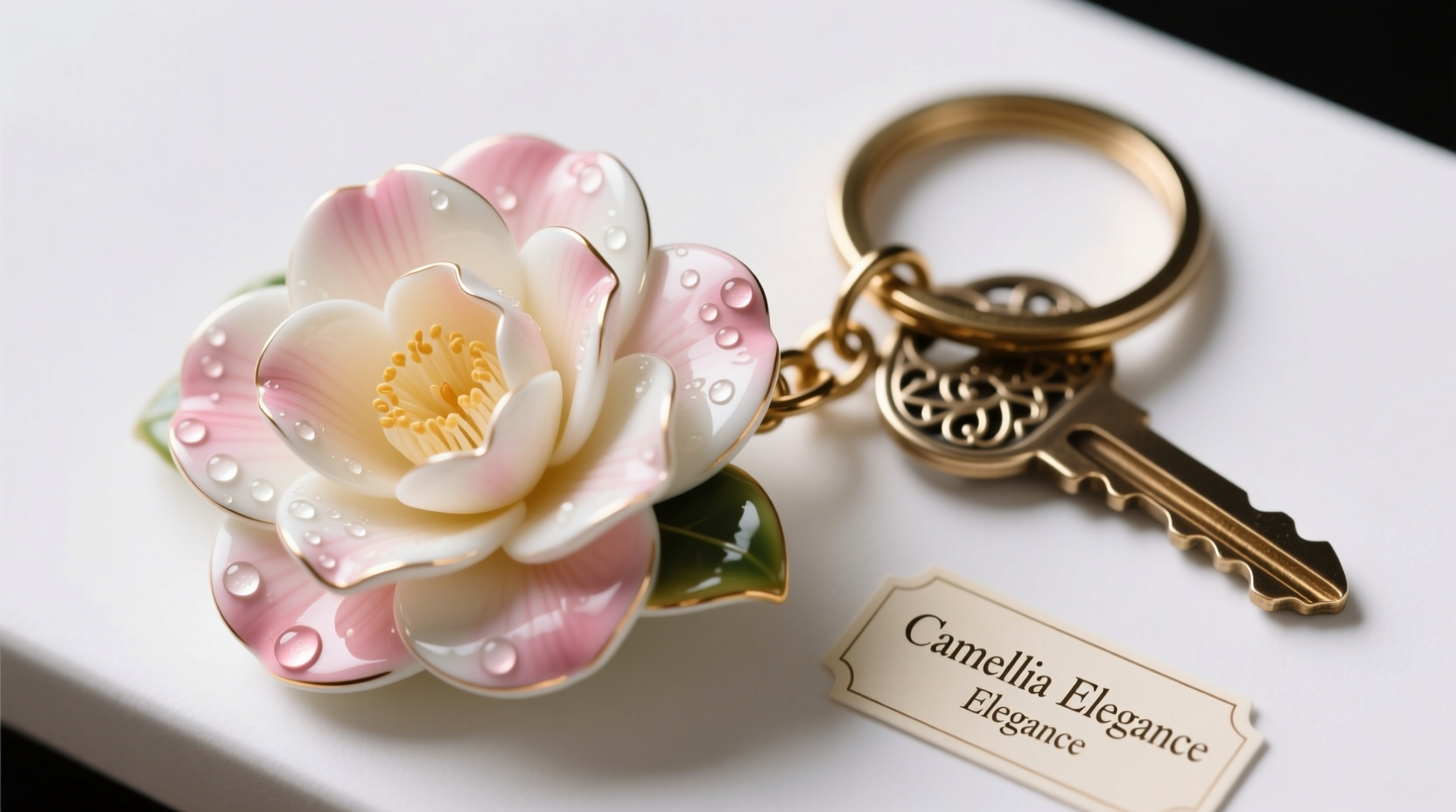
The camellia flower has long been associated with elegance, refinement, and enduring beauty. In Japanese culture, it symbolizes longevity and faithfulness; in Western fashion, particularly through Coco Chanel’s legacy, the camellia became an emblem of timeless femininity and understated luxury. This rich cultural backdrop gives camellia keychains more than just visual appeal—they carry narrative weight.
Wearing or using a camellia accessory subtly signals attention to detail and appreciation for heritage design. For many, this symbolic resonance elevates the object beyond utility into the realm of personal expression. As fashion historian Dr. Lila Monroe notes:
“The camellia is not merely decorative—it’s a quiet statement of intentionality. When someone chooses a camellia keychain, they’re often saying, ‘I care about how my everyday items reflect who I am.’” — Dr. Lila Monroe, Fashion Historian & Curator
Design and Craftsmanship: What Sets Camellia Keychains Apart?
Unlike standard keyrings made of stamped steel or plastic, camellia keychains are typically crafted with greater attention to material quality and finish. Common variations include:
- Enamel-coated metal petals with glossy finishes
- Sterling silver or gold-plated bases
- Hand-assembled layers mimicking real flower depth
- Magnetic closures or rotating mechanisms for added interactivity
These details contribute to a tactile experience that plain keychains simply don’t offer. The weight, texture, and visual symmetry make them satisfying to hold and glance at regularly. However, this craftsmanship comes at a cost—not only monetarily but also in terms of maintenance.
Material Comparison: Camellia vs. Plain Keychains
| Feature | Camellia Keychain | Plain Keychain |
|---|---|---|
| Aesthetic Appeal | High – ornamental, stylish | Low – functional, minimal |
| Durability | Moderate – sensitive to scratches and impacts | High – resistant to wear and corrosion |
| Cost | $15–$120+ (designer editions) | $1–$10 |
| Weight | Heavier due to layered materials | Lightweight |
| Maintenance Needs | Regular polishing, careful storage | Nearly none |
| Lifespan (with care) | 3–7 years | 5–15+ years |
Practical Considerations: Function Meets Form
While camellia keychains win on aesthetics, their functionality can be limited. Their intricate designs sometimes make attaching and detaching keys cumbersome. Some models feature small clasps or delicate loops that may weaken over time, especially when subjected to daily jostling in pockets or bags.
In contrast, a basic split-ring keychain allows quick access, accommodates multiple keys effortlessly, and rarely fails mechanically. If your priority is reliability above all else, the plain option remains unmatched.
That said, hybrid solutions now exist—some brands combine a camellia charm with a detachable standard ring, allowing users to enjoy both flair and function. This modular approach might represent the best compromise for those unwilling to sacrifice either aspect.
Real-Life Example: Sarah’s Experience
Sarah, a 32-year-old graphic designer from Portland, purchased a rose-gold camellia keychain after seeing it featured on a luxury influencer’s Instagram story. She loved the way it elevated her tote bag’s look and enjoyed the compliments she received. However, within six months, the enamel began chipping near the stem where her keys rubbed constantly.
“It looked beautiful on my desk or hanging off my purse,” she said, “but every time I fumbled for my keys in my coat pocket, it banged against the zipper. Eventually, the finish wore off. I still use it—but only for light-duty keys now, like my home office.”
Her experience highlights a crucial point: context matters. Camellia keychains perform best when treated as semi-decorative items rather than workhorse organizers.
When a Camellia Keychain Makes Sense
Not every situation calls for ornamentation. Here’s a checklist to help determine if a camellia keychain aligns with your needs:
- ✅ You prioritize style and self-expression in everyday objects
- ✅ You own a curated set of keys (e.g., home, car, mailbox) without excessive bulk
- ✅ You keep your keys in a bag or pouch rather than loose in a pocket
- ✅ You’re willing to replace or repair the piece every few years
- ✅ You appreciate symbolic meaning in accessories
If most of these apply, a camellia keychain could enhance your daily routine. If not, a durable plain keyring might serve you better—especially if you frequently drop keys, travel roughly, or prefer low-maintenance gear.
Step-by-Step Guide: Choosing the Right Keychain for You
- Evaluate Your Daily Routine: Do you carry keys in a tight pocket, toss them on nightstands, or keep them neatly in a clutch?
- Assess Key Load: Count how many keys you regularly carry. More than five? A bulky camellia may hinder access.
- Determine Priority: Rank importance: durability, appearance, ease of use, sentimental value.
- Test Weight & Feel: Hold sample keychains (if possible). Notice balance and comfort when jingling in hand.
- Budget Realistically: Decide how much you’re willing to spend on something that may need replacing.
- Consider Alternatives: Look for hybrid models—charms on sturdy rings, or interchangeable pendants.
Frequently Asked Questions
Can I use a camellia keychain every day?
Yes, but with caution. Daily use will accelerate wear, especially on enamel or plated surfaces. For heavy-duty key sets (like janitorial or mechanical keys), a plain ring is more practical. Reserve camellia styles for lighter loads and gentler handling.
Do camellia keychains increase the risk of losing keys?
Possibly. Their larger size and decorative elements can catch on fabric or get snagged when pulling keys from a bag. Additionally, if the clasp mechanism is weak, parts may detach unexpectedly. Always check fasteners monthly for looseness.
Are there sustainable or ethical camellia keychain options?
Increasingly, yes. Brands like Maison Fétiche and Noto Objects use recycled metals and eco-conscious packaging. Look for certifications like “lead-free enamel” or “responsible sourcing” when purchasing online.
Final Verdict: Worth the Hype?
The hype around camellia keychains isn’t unfounded. They represent a growing desire to infuse mundane objects with beauty and meaning. For individuals who view personal accessories as extensions of identity, these floral tokens deliver emotional and aesthetic value that far exceeds their price tag.
However, they are not universally superior. In terms of raw performance, longevity, and resilience, the plain keychain remains the undisputed champion. It does one job exceptionally well: holding keys securely, year after year, with zero fuss.
Ultimately, choosing between the two isn’t about which is objectively better—it’s about alignment with your lifestyle. If you cherish moments of subtle delight in your day-to-day—a flash of polished color, a soft click of metal petals aligning—then a camellia keychain may be worth every penny. But if efficiency, strength, and simplicity guide your choices, the classic keyring continues to earn its place.




 浙公网安备
33010002000092号
浙公网安备
33010002000092号 浙B2-20120091-4
Comments
No comments yet. Why don't you start the discussion?