
Curtain tiebacks are more than just functional accessories—they’re subtle design statements that frame your windows and influence the overall tone of a room. While often overlooked, the choice between camellia tiebacks and simple sashes can shift the mood from traditional elegance to minimalist sophistication. As interior design continues to favor clean lines and understated luxury, many homeowners and designers are reevaluating which styles feel current and timeless. This article explores the visual language of both options, their compatibility with modern interiors, and how to choose the right one for your aesthetic goals.
The Evolution of Curtain Tiebacks in Interior Design
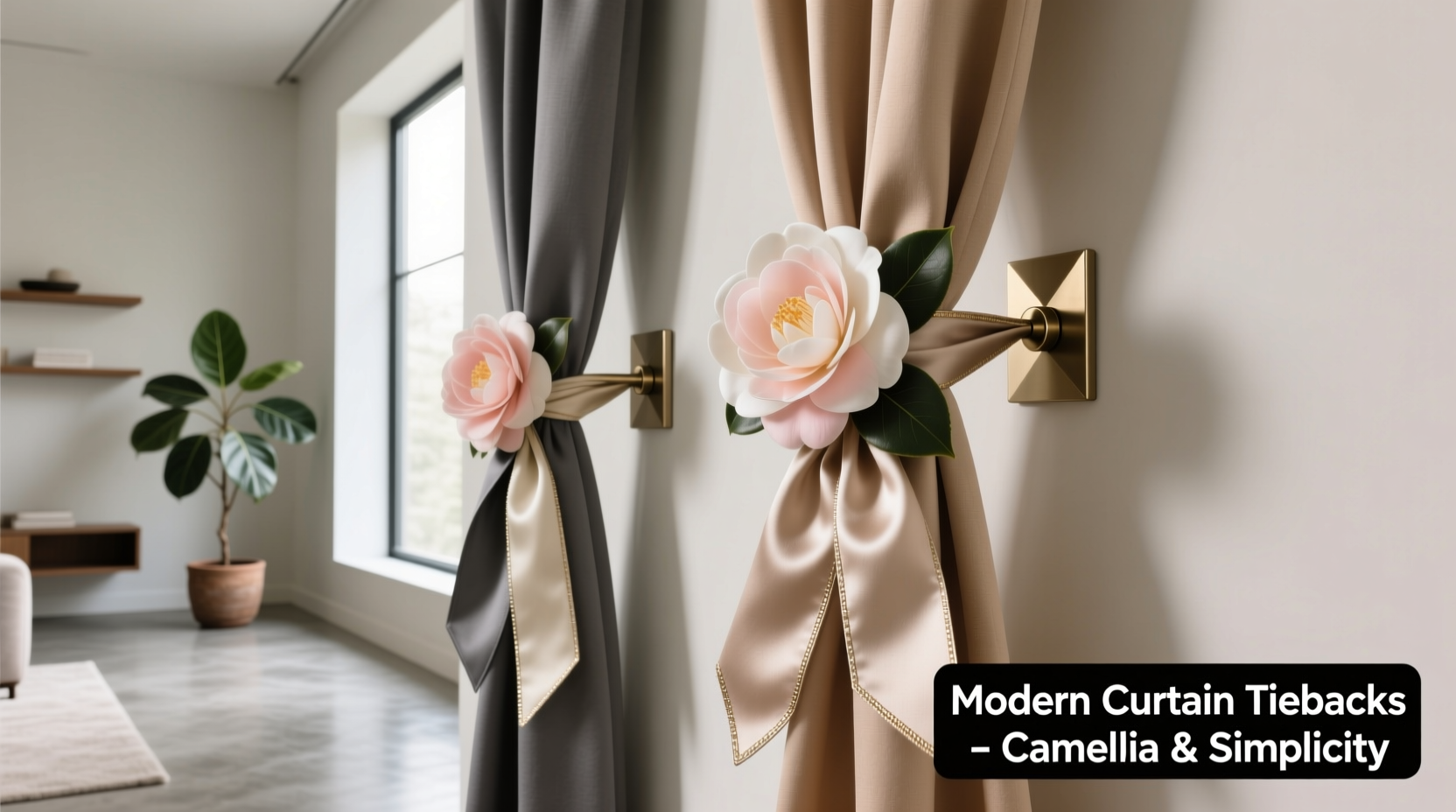
Tiebacks have long served a practical purpose: holding curtains open to allow light in and improve visibility. Historically, ornate designs—featuring tassels, embroidery, and floral motifs like camellias—were hallmarks of formal living rooms and grand homes. These decorative elements reflected opulence and attention to detail, particularly in traditional and Victorian-inspired spaces.
In recent decades, however, design sensibilities have shifted. The rise of Scandinavian minimalism, Japandi fusion, and contemporary neutral palettes has led to a preference for restraint. Today’s interiors prioritize function without sacrificing beauty, favoring pieces that enhance rather than dominate. This evolution has elevated simple sashes—clean, unembellished fabric loops or cords—as a go-to solution in modern homes.
“Modern design isn’t about removing beauty—it’s about refining it. A well-chosen tieback should feel intentional, not distracting.” — Lena Park, Interior Designer at Studio Forma
Camellia Tiebacks: Elegance with a Nostalgic Edge
Camellia tiebacks feature artificial flowers, typically in silk or resin, attached to a cord or ribbon. The camellia, a symbol of refinement in many cultures, adds a romantic, almost vintage flair. These tiebacks work exceptionally well in:
- Traditional or transitional living rooms
- Bedrooms with soft, feminine color schemes
- Spaces aiming for a “grandmother’s charm” aesthetic
- Homes with rich wood furniture and classic moldings
While undeniably beautiful, camellia tiebacks carry strong stylistic associations. They evoke nostalgia and formality, which can clash with sleek, open-concept layouts or monochromatic décors. Their three-dimensional presence draws the eye, making them better suited as accent pieces in otherwise balanced rooms.
Simple Sashes: The Modern Standard
Simple sashes—typically made from flat ribbons, cotton tapes, linen cords, or leather straps—are increasingly favored in contemporary design. Their appeal lies in subtlety. Instead of drawing attention, they blend into the window treatment, allowing the curtain fabric and architectural details to shine.
These tiebacks align with several dominant trends:
- Minimalism: No unnecessary ornamentation; focus on line and texture.
- Material honesty: Natural fibers like linen or jute reinforce authenticity.
- Neutral dominance: Sashes in beige, taupe, or off-white complement muted palettes.
Unlike camellia tiebacks, simple sashes don’t impose a mood—they adapt to it. Whether used with heavy blackout drapes or airy sheer panels, they maintain a quiet elegance that suits urban lofts, coastal cottages, and mid-century revivals alike.
Why Simplicity Wins in Modern Spaces
Modern interiors thrive on negative space and visual calm. Every object is evaluated for its contribution to harmony. Camellia tiebacks, by nature, are focal points. In contrast, sashes support the curtain’s drape without competing for attention. This makes them ideal for rooms where serenity and flow matter more than decorative flourish.
Comparative Analysis: Camellia vs. Sash Tiebacks
| Feature | Camellia Tiebacks | Simple Sashes |
|---|---|---|
| Aesthetic | Romantic, vintage, ornamental | Clean, understated, contemporary |
| Best For | Traditional, eclectic, or shabby-chic interiors | Modern, minimalist, Scandinavian, industrial |
| Material Options | Silk flowers, satin ribbons, metallic accents | Linen, cotton, leather, jute, velvet (flat) |
| Maintenance | Dusting required; delicate petals may degrade | Easy wipe-down or machine wash (depending on fabric) |
| Versatility | Low – strongly style-specific | High – adaptable across seasons and décors |
| Price Range | Moderate to high (handcrafted versions) | Budget to mid-range (often DIY-friendly) |
Real-World Application: A Case Study
In a 2023 renovation of a downtown Chicago condo, designer Marcus Tran faced a challenge: the client loved vintage charm but wanted a space that felt current and uncluttered. The living room had tall windows dressed in ivory linen drapes. Initially, Marcus proposed camellia tiebacks in blush pink to echo the sofa’s floral print.
After installing a test pair, he noticed the tiebacks created visual weight near the floor, disrupting the vertical flow. Guests’ eyes were drawn to the flowers instead of the city view. He replaced them with wide, oat-colored linen sashes tied in loose knots. The change was subtle but transformative—the room felt taller, calmer, and more cohesive.
“It wasn’t that the camellias were ‘wrong,’” Marcus noted. “They just didn’t serve the room’s primary goal: tranquility. The sashes did.”
How to Choose the Right Style for Your Home
Selecting between camellia tiebacks and simple sashes isn’t just about trendiness—it’s about alignment with your space’s personality. Follow this step-by-step guide to make a confident decision:
- Assess your overall décor style. Is your home predominantly modern, traditional, or a mix? Simple sashes suit 80% of contemporary interiors.
- Evaluate curtain weight and fabric. Heavy velvets or structured linens pair well with bold sashes; lightweight sheers can be ruined by bulky camellias.
- Consider the room’s purpose. Bedrooms and dining rooms tolerate more ornamentation; living rooms and kitchens benefit from simplicity.
- Test in natural light. Hang both options temporarily. Observe how they interact with sunlight and shadow throughout the day.
- Ask: Does it add or distract? If the tieback becomes the first thing people notice, it may be overpowering.
Checklist: Choosing Modern-Friendly Tiebacks
- ☐ Opt for flat, non-reflective materials
- ☐ Stick to neutral or tonal colors
- ☐ Avoid plastic-looking flowers or glitter accents
- ☐ Ensure symmetry and consistent placement
- ☐ Prioritize tactile quality over visual busyness
Frequently Asked Questions
Are camellia tiebacks outdated?
Not inherently. They remain popular in traditional, cottage, and Southern-style homes. However, they are rarely seen in cutting-edge modern designs. Their relevance depends on context—if your goal is timelessness with a nostalgic touch, they can still work.
Can I make my own simple sash tiebacks?
Absolutely. Cut two equal lengths of linen tape or grosgrain ribbon (typically 24–30 inches). Fold and sew the ends to prevent fraying. Attach via hooks or knobs mounted just outside the window frame. This DIY approach is cost-effective and customizable.
Do modern homes ever use decorative tiebacks?
Rarely in the form of floral designs. However, some modern spaces incorporate sculptural metal clips, leather toggles, or hand-knotted macramé—elements that offer texture without overt decoration. The key is intentionality, not ornament for its own sake.
Final Thoughts: Embracing Quiet Sophistication
The question isn’t whether camellia tiebacks are “bad,” but whether they serve the vision of your space. In an era where less is more, simple sashes represent a refined approach to window dressing—one that respects architecture, enhances light, and supports a clutter-free environment. They are the quiet professionals of curtain hardware: effective, elegant, and unobtrusive.
That said, personal taste matters. If camellia tiebacks bring you joy and align with your home’s character, there’s no rule against using them. The true mark of good design isn’t adherence to trends, but coherence and comfort.




 浙公网安备
33010002000092号
浙公网安备
33010002000092号 浙B2-20120091-4
Comments
No comments yet. Why don't you start the discussion?