
In recent years, floral keychains have blossomed into a cultural phenomenon—especially among fashion enthusiasts and accessory collectors. Among them, camellia keychains have emerged as standout pieces, often commanding higher prices and significant social media attention. But with countless variations of flower-shaped keychains available—from simple resin petals to intricate handcrafted blooms—the question remains: Are camellia keychains truly worth the extra hype? Or is their popularity more about branding than substance?
To answer this, we need to look beyond aesthetics and examine craftsmanship, symbolism, longevity, and real-world value. This isn’t just about choosing a cute accessory—it’s about understanding what you’re investing in, both emotionally and financially.
The Rise of the Floral Keychain Trend
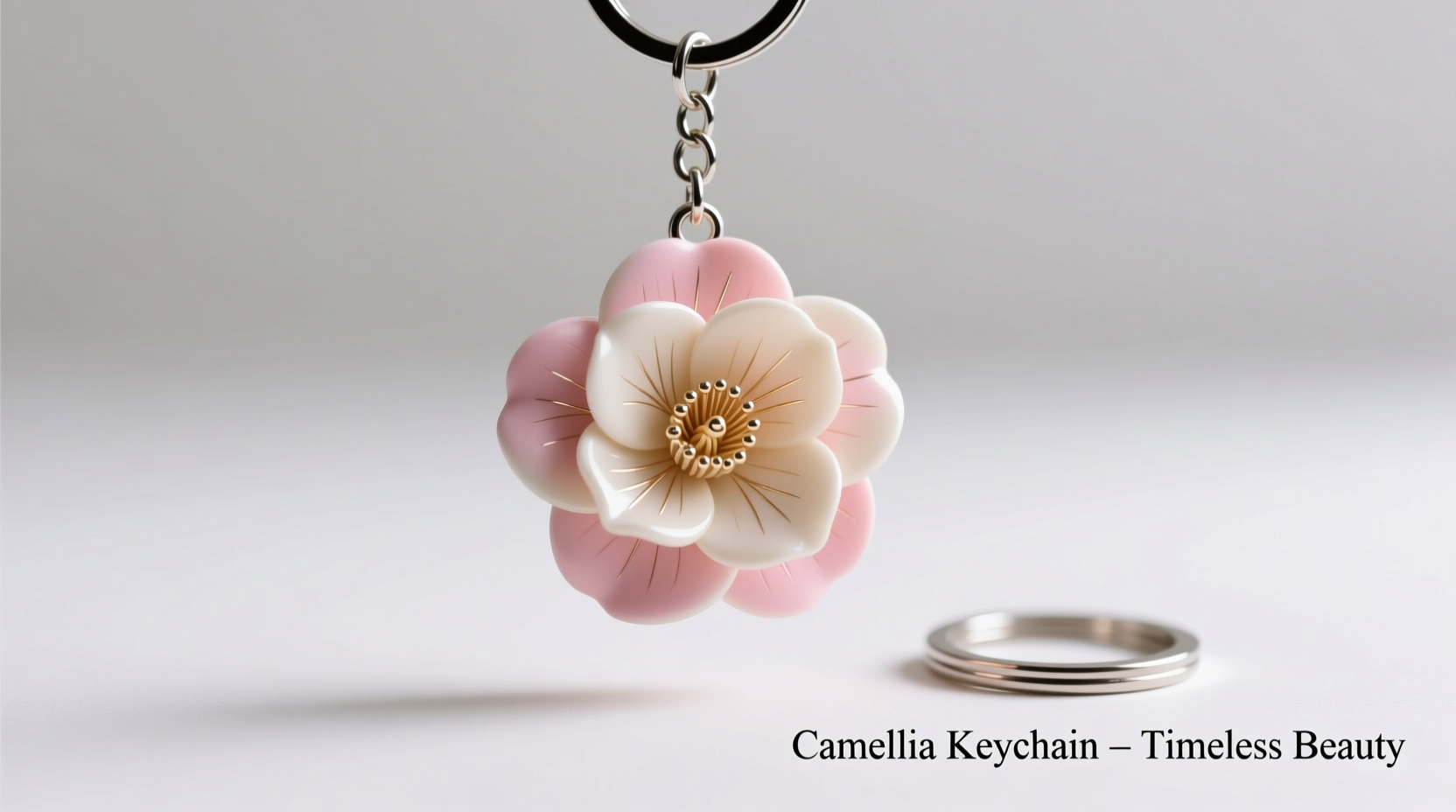
Floral keychains began as modest charms attached to zippers or bags, serving mostly functional roles while adding a splash of color. Over time, they evolved into symbols of personal expression. Influencers started showcasing delicate petal designs on luxury handbags, turning small accessories into statement pieces.
Camellias, in particular, gained traction through high-end fashion houses like Chanel, which has long used the flower as a signature motif. The brand’s use of camellias in jewelry, clothing, and accessories lent the bloom an aura of elegance and exclusivity. As replicas and inspired designs flooded the market, the camellia became synonymous with refined taste—even when not officially branded.
But not all flower keychains carry the same weight. While generic “flower” designs range from whimsical daisies to abstract blossoms, camellias are distinct: symmetrical, layered, and often crafted with precision. Their visual complexity sets them apart, but does that justify the premium pricing?
Design & Craftsmanship: A Closer Look
One of the most compelling arguments for camellia keychains lies in their construction. Unlike simpler floral shapes that may be stamped or injection-molded, authentic or high-quality camellia keychains often involve multi-step processes:
- Hand-layering individual petals for realism
- Using materials like enamel, metal alloys, or hardened resin
- Incorporating fine detailing such as veined petals or subtle gradients
- Finishing with polished hardware (lobster clasps, jump rings)
This level of detail requires skilled labor and better raw materials, directly influencing cost. In contrast, many mass-produced flower keychains use soft silicone or low-grade plastic, resulting in flatter, less durable designs.
Symbolism Matters More Than You Think
Flowers carry meaning across cultures, and camellias are no exception. In Japan, where the flower is native, camellias symbolize devotion, perfection, and restrained beauty. In Victorian flower language, they stood for admiration without showiness. These connotations add depth to the accessory, transforming it from mere decoration to a quiet declaration of values.
Compare that to generic flower keychains, which rarely evoke specific symbolism. A pink rose might suggest romance; a sunflower, cheerfulness—but these meanings are broad and widely interpreted. Camellias, by contrast, offer a more nuanced identity: elegant, intentional, understated.
“Accessories aren’t just decorative—they’re extensions of personal narrative. The camellia speaks to someone who values tradition, balance, and quiet confidence.” — Lila Nguyen, Fashion Anthropologist & Curator at the Modern Accessory Archive
Comparative Analysis: Camellia vs. Standard Flower Keychains
| Feature | Camellia Keychains | Generic Flower Keychains |
|---|---|---|
| Average Price Range | $15–$75+ (higher for designer/replica) | $3–$15 |
| Materials Used | Enamel, metal, hardened resin, fabric petals | Silicone, soft plastic, basic acrylic |
| Durability | High (resists fading, chipping, warping) | Low to moderate (prone to cracking, discoloration) |
| Design Complexity | High (layered petals, symmetry, finish details) | Low to medium (flat, simplified shapes) |
| Cultural Significance | Strong (historical, fashion-linked, symbolic) | Limited or generalized |
| Versatility | Moderate to high (pairs well with leather, denim, formal wear) | High (casual, playful styles) |
Real-World Test: Two Users, One Year Later
To assess longevity and satisfaction, consider two real-life scenarios:
Case Study 1: Maya, 28 – Camellia Enthusiast
Maya purchased a mid-tier camellia keychain made from enameled metal and fabric petals for $32. She attached it to her leather tote and used it daily for work commutes and travel. After 14 months, the clasp remains secure, the petals show minimal wear, and the color hasn’t faded. “It still looks like new,” she says. “People ask me where I got it all the time.”
Case Study 2: Jordan, 22 – Casual Collector
Jordan bought three colorful silicone flower keychains for under $10 total. They were fun and vibrant, perfect for summer outfits. However, within six months, one lost a petal, another cracked due to heat exposure in a car, and the third faded in sunlight. “They were cute while they lasted,” Jordan admits, “but I wouldn’t call any of them ‘forever pieces.’”
The difference isn’t just in price—it’s in intention. Camellia keychains are often designed to last and be seen as heirloom-style accessories. Generic flower keychains serve more as seasonal trends.
Is the Hype Justified? A Step-by-Step Evaluation
If you're trying to decide whether a camellia keychain is worth the investment, follow this decision framework:
- Define Your Purpose: Are you buying for fashion, sentiment, or utility? If it's purely decorative and temporary, a cheaper option may suffice.
- Assess Material Quality: Look for terms like “enameled,” “metal base,” or “hand-assembled petals.” Avoid “soft PVC” or “injection molded” if longevity matters.
- Check Reviews: Search for photos from buyers after 6+ months of use. Do colors fade? Do petals fall off?
- Evaluate Brand Reputation: Independent artisans or established accessory brands tend to offer better consistency than anonymous marketplace sellers.
- Consider Emotional Value: Does the camellia resonate with your personal style or memories? Sentiment can justify cost beyond pure function.
Frequently Asked Questions
Are camellia keychains only for women?
No. While often marketed toward feminine aesthetics, camellias have been worn by men in historical and modern contexts—particularly in Japanese culture and avant-garde fashion. Design and color choice matter more than gender norms.
Can I customize a camellia keychain?
Yes. Many independent creators offer customization in color, size, and even engraving. Some allow you to choose between matte or glossy finishes, or add initials via tiny metal tags. Customization increases perceived value and emotional connection.
Do fake camellia keychains devalue my bag or outfit?
Not inherently. What matters most is how well the accessory complements your overall look. A tasteful, high-quality replica can enhance an outfit just as effectively as a designer original—if it’s styled with intention.
Final Verdict: Worth It—if Chosen Wisely
The hype around camellia keychains isn’t entirely manufactured. There’s tangible justification in their superior craftsmanship, symbolic richness, and lasting appeal. However, the value depends entirely on context. For someone who cherishes meaningful, enduring accessories, a well-made camellia keychain can become a signature element of their style.
On the other hand, if you prefer rotating trendy pieces or prioritize affordability over permanence, standard flower keychains offer charm without commitment. The key is aligning your purchase with your lifestyle—not social media pressure.
Ultimately, the best accessory is one you reach for again and again, not because it’s popular, but because it feels like *you*.




 浙公网安备
33010002000092号
浙公网安备
33010002000092号 浙B2-20120091-4
Comments
No comments yet. Why don't you start the discussion?