
Interior design isn’t just about furniture and lighting—it’s also shaped by the smallest details. One such detail often overlooked is the tissue box. Most people treat it as a utilitarian object, hiding it behind books or inside drawers. But what if your tissue box could be a subtle statement piece? Enter the quiet rivalry between camellia-style decorative boxes and sleek modern tissue dispensers. Both aim to solve the same problem—holding tissues—but they do so with vastly different aesthetics, materials, and philosophies. Choosing between them can subtly shift the mood of your room from bland to intentional.
The Aesthetic Divide: Tradition Meets Minimalism
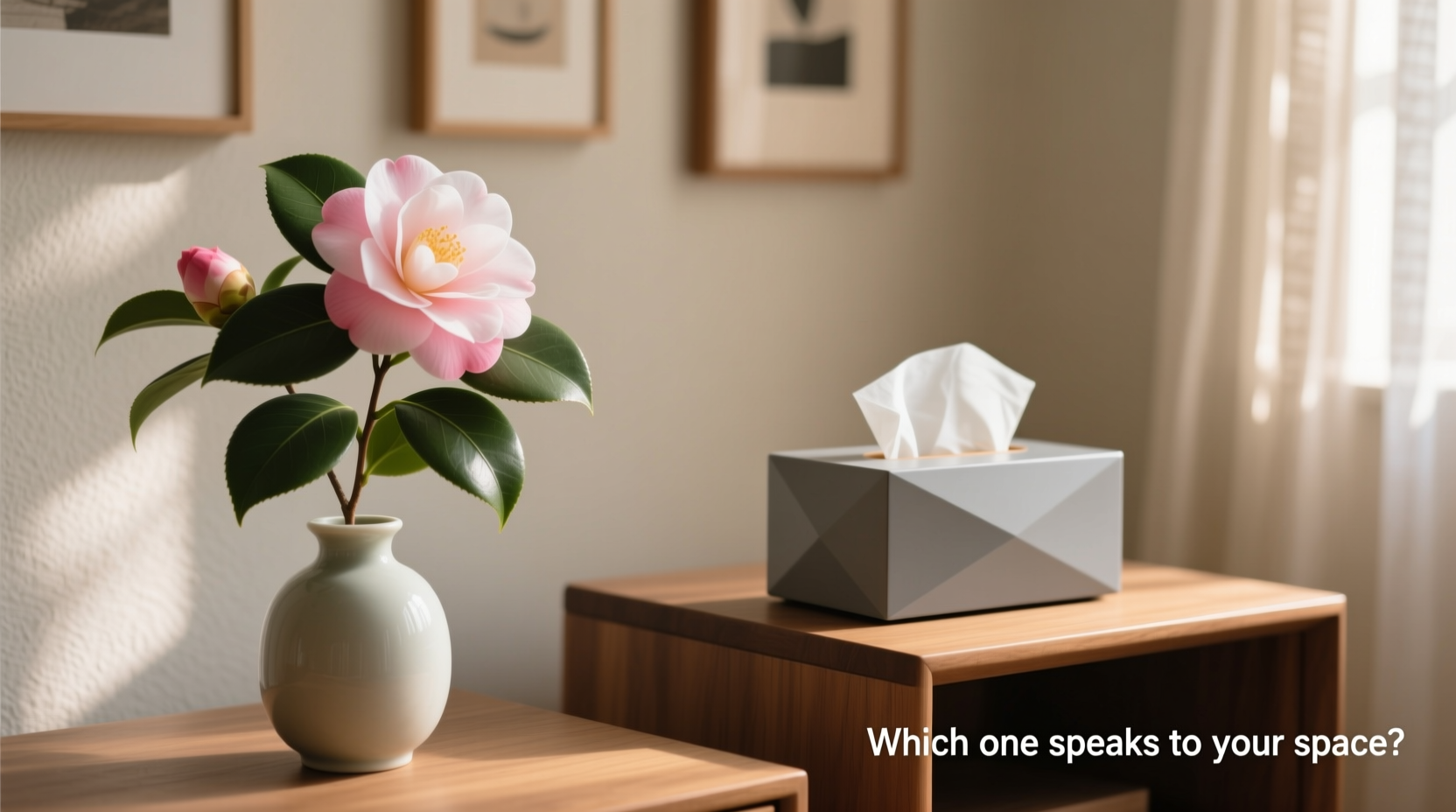
Camellia-style tissue boxes are inspired by vintage Japanese and European decorative containers. Often made of ceramic, porcelain, or lacquered wood, they feature floral motifs, soft curves, and hand-painted details. These boxes were originally designed to hold folded handkerchiefs or delicate papers in parlors and boudoirs. Today, they’ve been repurposed for facial tissues, offering a nostalgic charm that blends well with traditional, bohemian, or Japandi interiors.
In contrast, modern tissue boxes embrace minimalism. Think matte metal, frosted glass, or geometric plastic designs with clean lines. These dispensers prioritize function without sacrificing form. They’re engineered to fit seamlessly into contemporary spaces—think open-concept lofts, Scandinavian bedrooms, or minimalist bathrooms. The focus here is on subtlety and integration rather than ornamentation.
Material & Craftsmanship: What You're Actually Touching
Camellia boxes often showcase craftsmanship. A hand-glazed ceramic piece might have slight variations in color and texture, making each one unique. These imperfections aren’t flaws—they’re signs of authenticity. Porcelain versions may feature gold-trimmed edges or intricate botanical patterns, turning the box into a conversation starter. However, this artistry comes with trade-offs: ceramic is fragile, heavier, and harder to clean if spills occur.
Modern dispensers, on the other hand, favor industrial materials. Brushed stainless steel resists fingerprints and wipes clean effortlessly. Frosted acrylic models diffuse light softly, adding a futuristic glow when placed near lamps. Some high-end versions even include magnetic lids or silent-close mechanisms. While they lack the soul of handmade pieces, their precision and durability appeal to those who value longevity and low maintenance.
“Design is not just about how something looks—it’s about how it behaves in daily life. A tissue box should disappear when it needs to, but delight when noticed.” — Lena Torres, Interior Designer at Atelier Habit
Functional Comparison: Style vs. Convenience
Despite their beauty, camellia boxes can be inconvenient. Most require you to lift the entire lid to access tissues, which means both hands are needed if you're already holding something. Refilling can also be awkward, especially with standard rectangular tissue packs that don’t always fit neatly inside rounded containers. Some users resort to folding tissues individually—a ritual some enjoy, others find excessive.
Modern dispensers typically feature top-load or front-pull mechanisms that align perfectly with standard Kleenex boxes. Many have perforated openings that control tissue flow, reducing waste. Some even come with built-in trash compartments or aromatherapy slots. Their ergonomic design supports quick access, making them ideal for high-traffic areas like living rooms or guest bathrooms.
| Feature | Camellia-Style Box | Modern Tissue Dispenser |
|---|---|---|
| Aesthetic | Vintage, ornamental, artisanal | Minimalist, sleek, futuristic |
| Materials | Ceramic, porcelain, lacquered wood | Stainless steel, acrylic, tempered glass |
| Functionality | Lid must be lifted; refill challenges | Top/front pull; easy refill |
| Maintenance | Delicate cleaning required | Wipe-clean surfaces |
| Best For | Bedrooms, studies, slow-living spaces | Bathrooms, living rooms, modern offices |
Real-Life Impact: A Mini Case Study
Sophie Kim, a graphic designer in Portland, recently renovated her home office. She initially used a plain cardboard tissue box tucked beside her monitor. “It felt like an afterthought,” she said. “Every time I reached for a tissue, it reminded me of hospitals or colds.”
She experimented first with a white porcelain camellia box painted with cherry blossoms. It looked beautiful on her walnut desk, but she found herself avoiding it because pulling out tissues required too much effort during video calls. After two weeks, she switched to a matte black metal dispenser with a magnetic lid. “It’s quieter, faster, and doesn’t clash with my monitors. It feels like part of the setup now, not a decoration pretending to belong.”
Her experience reflects a broader truth: emotional resonance matters, but so does usability. The most beautiful object fails if it disrupts routine.
How to Choose Based on Your Room's Personality
Selecting between camellia and modern styles shouldn’t be arbitrary. Consider your room’s existing energy:
- Warm, layered spaces (with textiles, wood tones, plants) benefit from the organic feel of a camellia box. It adds depth without competing.
- Cool, structured environments (monochrome walls, metal accents, smart devices) gain cohesion from a modern dispenser that echoes existing finishes.
- Hybrid interiors (like eclectic or transitional styles) allow playful mixing. Try a camellia box in a bedroom and a modern unit in the bathroom.
Step-by-Step Guide: Upgrading Your Tissue Game
- Assess your current space: Is it cluttered or calm? Warm or cool-toned?
- Identify usage frequency: High-traffic areas need practicality; private zones can afford whimsy. <3> Measure available surface space: Camellia boxes often take up more footprint due to shape.
- Test compatibility: Place a tissue pack inside sample containers before buying.
- Integrate with existing decor: Match finishes—brass lids with gold frames, matte black with charcoal accessories.
- Observe for one week: Note how often you use it, any frustrations, or compliments received.
Frequently Asked Questions
Can I use regular tissue boxes with camellia-style containers?
Yes, but it often requires modification. Many users fold down the top flap or cut the box to fit. Alternatively, transfer tissues into smaller stacks. Some brands now offer round tissue refills designed specifically for decorative boxes.
Are modern tissue dispensers more hygienic?
Generally, yes. Touch-free or push-lid models reduce contact compared to open-top camellia boxes where tissues are exposed. If hygiene is a priority—especially in shared spaces—modern designs with covered dispensing mechanisms are preferable.
Do camellia boxes increase resale value of a home?
Not directly, but thoughtfully curated details contribute to perceived care and aesthetic coherence, which buyers notice. A well-decorated powder room with a tasteful camellia box might leave a stronger impression than one with a hidden cardboard box.
Final Thoughts: Design Is in the Details
The choice between a camellia-style box and a modern tissue dispenser isn’t just about looks—it’s about philosophy. Do you want your space to whisper elegance through craftsmanship, or declare clarity through simplicity? Neither is objectively better. But both have the power to transform a mundane object into a moment of mindfulness.
A room feels less boring not because of grand gestures, but because every element has been considered. When you reach for a tissue and encounter beauty or ease, you’re reminded that your environment was designed with you in mind. That small acknowledgment—of comfort, taste, and intention—is what turns a house into a home.




 浙公网安备
33010002000092号
浙公网安备
33010002000092号 浙B2-20120091-4
Comments
No comments yet. Why don't you start the discussion?