
When choosing a phone case, many users focus on aesthetics—whether they want a bold camo pattern or a sleek, invisible clear design. But beyond looks, do these choices impact how well your phone is protected? And more importantly, could your case influence the resale value of your device down the line? The answer isn’t just about personal taste—it involves materials, wear patterns, UV exposure, and even market perception.
While both camo and clear cases serve the same basic function—shielding your phone from drops and scratches—their long-term performance and implications differ in subtle but meaningful ways. Understanding these differences helps you make smarter decisions not only for daily use but also for preserving your phone’s condition and future value.
Material Differences Between Camo and Clear Cases
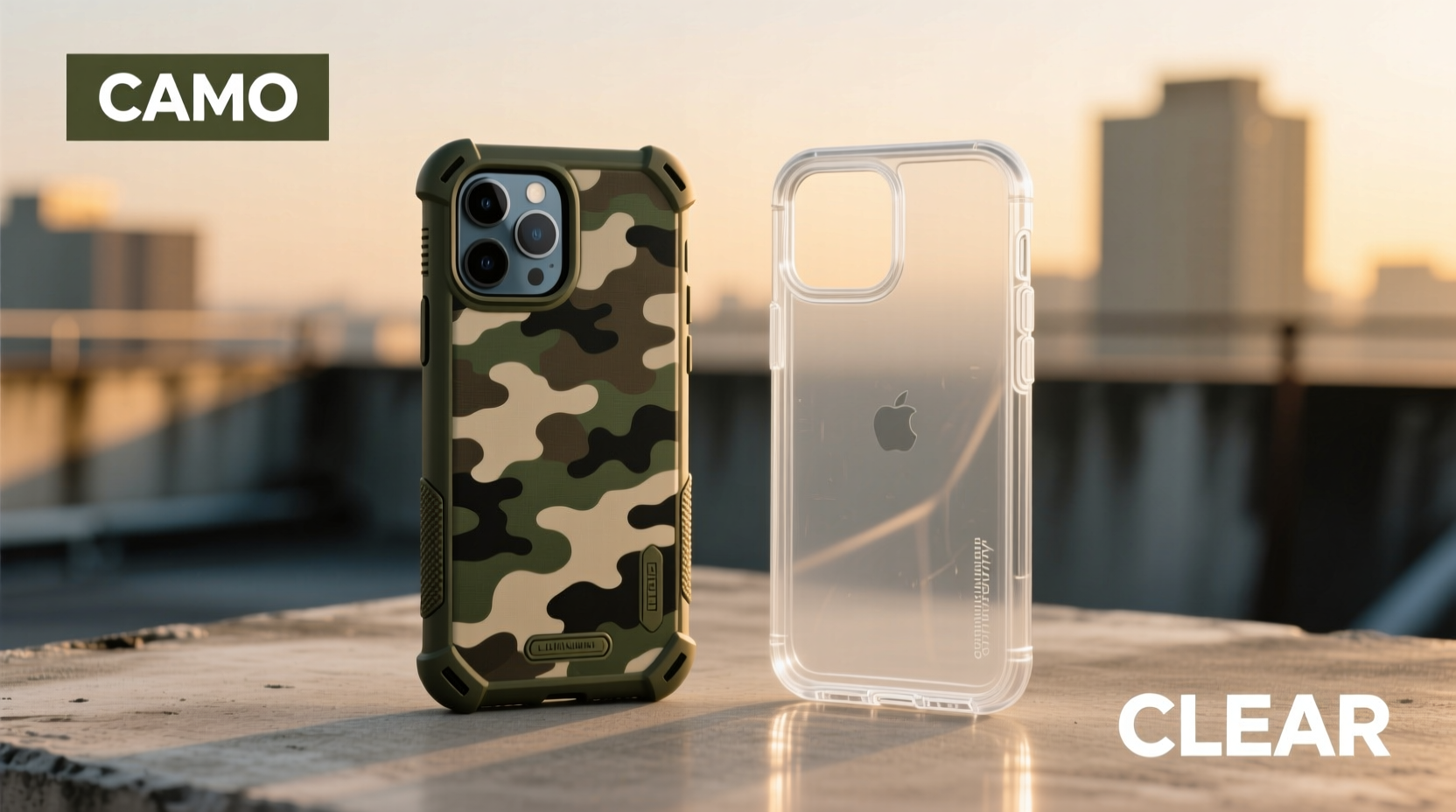
Camo phone cases are typically made from rugged materials like TPU (thermoplastic polyurethane) or hybrid polycarbonate blends designed to absorb shock. They often feature textured surfaces that enhance grip and hide minor scuffs. These cases prioritize durability over transparency, meaning their layered construction can include reinforced corners and raised bezels around the screen and camera.
Clear cases, on the other hand, are usually crafted from transparent TPU or hard polycarbonate. Their primary goal is visibility—they allow the original color and finish of your phone to remain on display. However, this transparency comes at a cost. Over time, clear cases yellow due to UV exposure, heat, and contact with oils from skin and surfaces. This discoloration can make a phone look older than it is, even if the device itself is well-maintained.
Protection Performance: Which Offers Better Defense?
Both types can offer excellent drop protection when designed well. High-quality camo cases often meet military-grade drop-test standards (MIL-STD-810G), especially those marketed as \"rugged\" or \"outdoor-ready.\" These models may include extra padding, deeper edges, and water-resistant features.
Clear cases vary more widely in quality. Budget versions might be thin and flexible, offering minimal shock absorption. Premium clear cases, however, now incorporate multi-layer designs with air cushions in corners and precise cutouts. Brands like OtterBox, Spigen, and Apple’s own clear cases have improved significantly in recent years, closing the gap between style and safety.
That said, camo cases generally win in environments where grip and abrasion resistance matter—like hiking, construction, or active lifestyles. Their matte textures resist slipping, and surface imperfections blend into the pattern rather than standing out.
Real Example: A Side-by-Side Test
In a real-world test conducted by a consumer tech reviewer, two identical phones were subjected to six months of daily use—one with a premium camo case, the other with a high-end clear model. After regular pocket carry, occasional drops on pavement, and exposure to rain and dust, the camo case showed no structural damage and only faint surface marks. The clear case, while still functional, developed noticeable micro-scratches and began yellowing after four months, particularly along the edges exposed to sunlight.
The phone inside the clear case had slightly more visible wear on its back panel due to tiny debris trapped between the case and glass. This illustrates how even a protective layer can contribute to abrasion if not perfectly sealed.
Impact on Resale Value: What Buyers Notice
Resale value depends heavily on perceived condition. A phone that looks new commands higher prices, regardless of actual usage. Here, case choice plays an indirect but significant role.
A discolored or scratched clear case can create the impression that the phone has been poorly cared for—even if the screen is flawless and battery health is strong. Potential buyers may assume neglect, lowering their offer. In contrast, a durable camo case hides wear better and signals intentional protection, which can build trust in the seller’s maintenance habits.
“Buyers respond to visual cues. A yellowed case immediately raises doubts about overall care, even if unwarranted.” — Jordan Lee, Mobile Resale Analyst at TechTrade Insights
| Factor | Camo Case | Clear Case |
|---|---|---|
| Scratch Visibility | Low – pattern masks wear | High – scratches easily seen |
| Yellowing Over Time | Negligible | Common after 6–12 months |
| Dust & Debris Trapping | Rare – tight fit, opaque | Frequent – visible under surface |
| Perceived Care Level | Moderate to High | Declines as case ages |
| Reusability on Future Devices | Limited – style-specific | Possible – neutral appearance |
Style, Longevity, and Practical Trade-offs
Design does matter—but not always in the way people think. Camo offers a consistent, utilitarian aesthetic that doesn’t degrade visually over time. It appeals to users who value function and discretion. However, it limits customization options and may not suit formal settings.
Clear cases cater to those who love showing off their phone’s original color, especially limited editions like Product(RED) or titanium finishes. But maintaining that pristine look requires diligence. Even slight dirt accumulation behind the case can detract from the premium feel.
Moreover, third-party clear cases made from low-grade TPU tend to warp and stretch over time, creating gaps that reduce protection. This deformation increases vulnerability during drops and makes the phone appear loose within the shell—a red flag for secondhand buyers.
Action Plan: Choosing the Right Case for Protection and Value Retention
- Evaluate your lifestyle: Do you work outdoors, travel frequently, or carry your phone in a backpack? Opt for a camo or rugged case.
- Consider resale timing: If you upgrade every 12–18 months, a clear case may suffice. For longer ownership, prioritize durability.
- Invest in quality: Avoid ultra-cheap clear cases. Look for brands specifying UV inhibitors and anti-yellowing technology.
- Inspect regularly: Check for warping, discoloration, or trapped particles that could scratch the phone body.
- Switch before selling: Remove aged clear cases and clean the phone thoroughly before listing it online or trading it in.
Frequently Asked Questions
Does using a clear case void my phone’s warranty?
No, using any type of case does not void the manufacturer’s warranty unless the case directly causes damage (e.g., trapping moisture leading to corrosion).
Can I prevent my clear case from turning yellow?
You can slow yellowing by avoiding prolonged sun exposure, cleaning the case weekly with mild soap and water, and storing the phone away from heat sources. Some manufacturers now use advanced polymers that resist degradation for up to two years.
Is a camo case less professional-looking than a clear one?
It depends on context. In creative or technical fields, camo cases are common and accepted. In corporate environments, neutral colors like black, navy, or transparent cases may be preferred. Consider workplace norms when selecting a design.
Final Thoughts: Design Matters More Than You Think
The debate between camo and clear phone cases isn't merely cosmetic—it touches on real issues of protection, longevity, and financial return. While clear cases let your phone shine initially, they demand ongoing maintenance to preserve both appearance and credibility in the resale market. Camo cases, though less flashy, provide consistent protection and age gracefully, often enhancing buyer confidence.
Your phone is a significant investment. Protecting it effectively means looking beyond first impressions and considering how your choices today will shape its condition tomorrow. Whether you lean toward tactical style or minimalist clarity, choose wisely—not just for how it looks now, but for how it holds up later.




 浙公网安备
33010002000092号
浙公网安备
33010002000092号 浙B2-20120091-4
Comments
No comments yet. Why don't you start the discussion?