
Cats are often seen as independent, self-sufficient creatures who need little emotional support. But beneath their quiet demeanor, they experience a range of emotions—including sadness and even depression. While cats can't tell us when they're feeling down, their behavior often speaks volumes. Recognizing the signs early and taking appropriate action can make a significant difference in your cat’s well-being.
Feline depression isn’t as widely discussed as human depression, but it's a real condition that affects many cats, especially during times of change, loss, or illness. Understanding what triggers it, how to spot it, and what you can do to help is essential for any responsible pet owner.
Understanding Feline Depression: Is It Real?
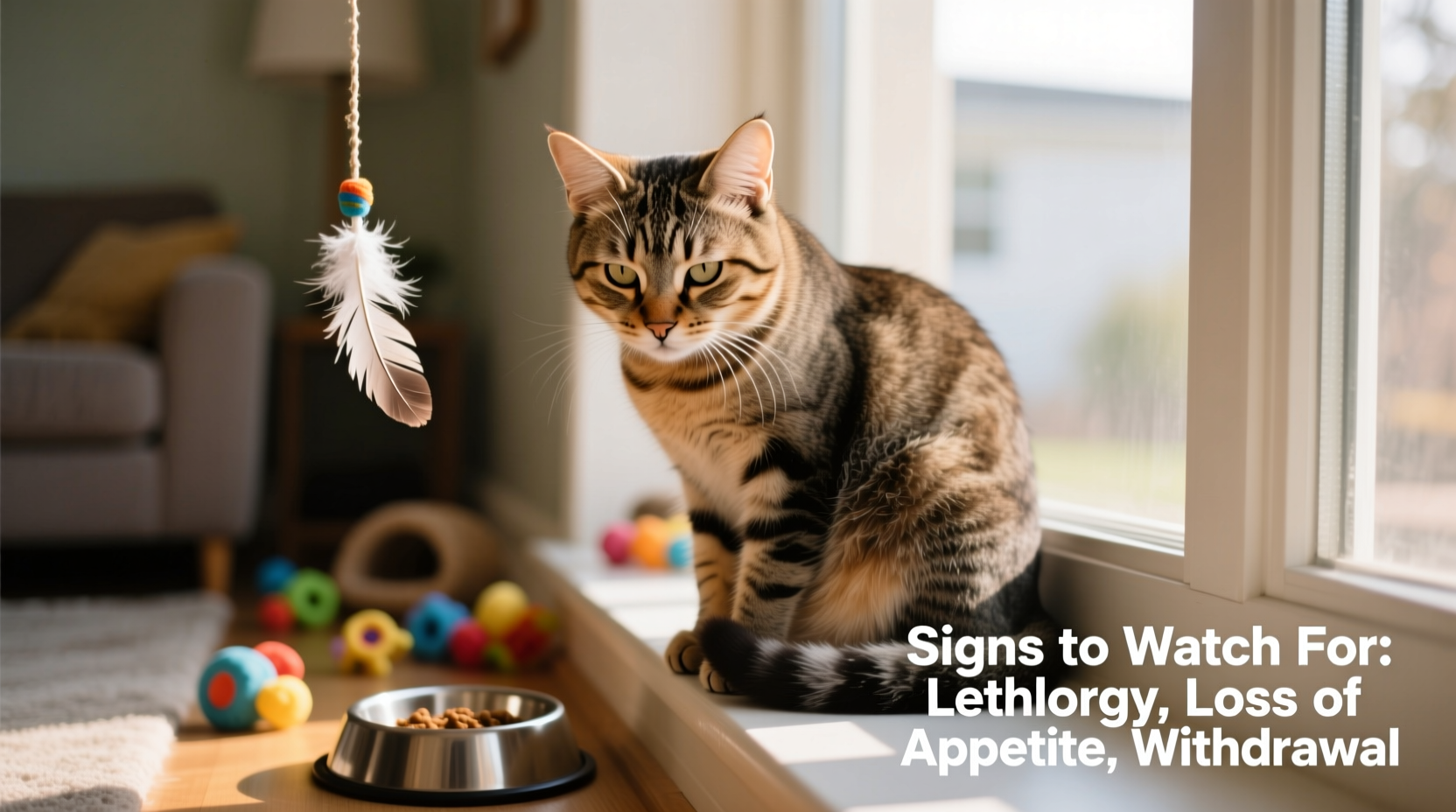
The idea that animals can suffer from emotional distress was once controversial, but modern veterinary science confirms that cats are emotionally complex beings. They form strong attachments to people, other pets, and even routines. When these bonds are disrupted or their environment changes significantly, cats can exhibit behaviors consistent with depression.
Unlike humans, cats don’t express sadness through tears or verbal cues. Instead, they show it through shifts in behavior, appetite, grooming habits, and social interaction. These changes may be subtle at first, making them easy to overlook—especially if you assume your cat is simply “in a mood.”
Dr. Sarah Thompson, a board-certified veterinary behaviorist, explains:
“Cats are masters at hiding discomfort, both physical and emotional. What might seem like laziness or aloofness could actually be a sign of underlying distress. Chronic stress or grief can manifest as clinical depression in cats, affecting their immune system, appetite, and overall quality of life.” — Dr. Sarah Thompson, DVM, Veterinary Behavior Specialist
Common Signs Your Cat May Be Depressed
Depression in cats doesn’t look exactly like it does in humans, but there are several key behavioral and physical indicators to watch for. The longer these signs persist, the more urgent it becomes to intervene.
- Loss of appetite or overeating: A sudden disinterest in food—or, less commonly, excessive eating—can signal emotional distress.
- Excessive sleeping: While cats naturally sleep 12–16 hours a day, a depressed cat may sleep significantly more and appear lethargic when awake.
- Withdrawal from family or other pets: Hiding, avoiding interaction, or no longer greeting you at the door are red flags.
- Over-grooming or lack of grooming: Some cats respond to stress by compulsively licking themselves, while others stop grooming altogether, leading to matted fur or oily skin.
- Vocalization changes: Increased meowing, crying, or complete silence can indicate emotional imbalance.
- Elimination outside the litter box: This common symptom is often misinterpreted as defiance but can stem from anxiety or depression.
- Aggression or irritability: A normally calm cat may hiss, swat, or bite when touched or approached.
What Triggers Depression in Cats?
Cats thrive on consistency. Even minor disruptions can unsettle them, but certain events carry a higher risk of triggering depressive episodes.
Major Life Changes
Moving homes, introducing new pets, or rearranging furniture can destabilize a cat’s sense of security. Unlike dogs, cats are highly territorial, and changes to their environment can feel threatening.
Loss of a Companion
Cats grieve. Whether it’s the death of a human family member, another pet, or even someone who regularly visited (like a neighbor), the absence of a familiar presence can lead to prolonged mourning.
Illness or Chronic Pain
Physical discomfort often manifests as behavioral changes. A cat suffering from arthritis, dental disease, or hyperthyroidism may become withdrawn or irritable—not out of moodiness, but due to pain.
Lack of Stimulation
Indoor cats, especially those left alone for long periods, can develop boredom-related depression. Without adequate mental and physical engagement, cats may become listless or engage in destructive behaviors.
Abandonment or Trauma
Cats with histories of abandonment, abuse, or shelter stays are more prone to anxiety and depression. Even after being placed in loving homes, past trauma can resurface under stress.
“A cat adopted from a shelter may appear fine for months, then suddenly shut down after a loud noise or argument in the home. That reaction isn’t random—it’s rooted in unresolved fear.” — Dr. Elena Ruiz, Animal Psychologist
How to Help a Depressed Cat: A Step-by-Step Guide
Helping a depressed cat requires patience, observation, and proactive care. Recovery doesn’t happen overnight, but with consistent effort, most cats can return to their normal selves.
- Rule Out Medical Issues First
Schedule a veterinary visit to eliminate underlying health problems. Conditions like kidney disease, diabetes, or urinary tract infections can mimic depression. Blood work, urinalysis, and a physical exam are crucial first steps. - Restore Routine and Stability
Cats find comfort in predictability. Feed, play, and interact with your cat at the same times each day. Avoid sudden changes in layout or household dynamics if possible. - Increase Environmental Enrichment
Introduce puzzle feeders, climbing shelves, scratching posts, and interactive toys. Rotate toys weekly to maintain novelty. Consider window perches for bird watching or safe outdoor enclosures (“catios”). - Spend Quality One-on-One Time
Dedicate 15–20 minutes daily to focused interaction. Use wand toys, gentle brushing, or soft talking. Let your cat lead the interaction—don’t force contact if they’re not ready. - Use Calming Aids Strategically
Feliway diffusers (which release synthetic feline facial pheromones) can reduce anxiety. Natural supplements like L-theanine or alpha-casozepine may also help, but consult your vet before use. - Consider Behavioral Therapy
For severe cases, a veterinary behaviorist can design a tailored plan involving positive reinforcement, desensitization techniques, and, if necessary, medication. - Be Patient and Observant
Progress may be slow. Celebrate small improvements—a brief purr, a moment of play, eating a full meal. Avoid punishment or frustration; your cat isn’t misbehaving—they’re struggling.
Do’s and Don’ts When Supporting a Depressed Cat
| Do | Don’t |
|---|---|
| Visit the vet promptly if symptoms last more than two weeks. | Assume your cat is just being “finicky” or “moody.” |
| Provide safe hiding spots (e.g., covered beds, cardboard boxes). | Force your cat out of hiding or punish them for retreating. |
| Use positive reinforcement for desired behaviors. | Yell, grab, or physically correct your cat. |
| Introduce changes gradually (new pets, furniture, etc.). | Rearrange the home without giving adjustment time. |
| Monitor food, water, and litter box usage daily. | Ignore litter box accidents—investigate causes instead. |
Real-Life Example: Luna’s Road to Recovery
Luna, a 7-year-old domestic shorthair, lived with her owner Maria for five years. When Maria’s roommate moved out, taking her cat Milo with him, Luna began hiding under the bed. She stopped using her litter box, lost interest in treats, and slept nearly 20 hours a day.
Maria initially thought Luna would “snap out of it,” but after three weeks with no improvement, she took her to the vet. Blood tests ruled out illness, and the veterinarian diagnosed situational depression likely triggered by separation from Milo, with whom Luna had formed a close bond.
Following the vet’s advice, Maria:
- Installed a Feliway diffuser in the living room.
- Bought an automated laser toy to encourage activity.
- Started hand-feeding Luna her favorite tuna-flavored pâté.
- Created a cozy window perch overlooking a bird feeder.
After six weeks of consistent effort, Luna began sleeping on the couch again, resumed grooming, and started meowing for attention. By week ten, she was playing with her wand toy and using her litter box reliably. Maria credits the combination of environmental enrichment and patience for Luna’s recovery.
When Medication Might Be Necessary
In some cases, behavioral modifications and environmental changes aren’t enough. For cats with severe or chronic depression, veterinarians may prescribe medication such as fluoxetine (Prozac) or paroxetine (Paxil), which are FDA-approved for use in cats under supervision.
Medication is typically considered only after non-pharmacological approaches have been tried and when symptoms interfere with basic functioning (e.g., refusal to eat, self-mutilation from over-grooming). Treatment duration varies—some cats need short-term support during transitions, while others benefit from longer courses.
Always follow your vet’s dosage instructions and monitor for side effects like vomiting, diarrhea, or increased agitation.
Frequently Asked Questions
Can cats get depressed after a move?
Yes. Moving disrupts a cat’s territory and routine, which can trigger anxiety and depression. To ease the transition, confine your cat to one quiet room initially, bring familiar items (bed, toys, litter box), and gradually introduce them to the rest of the home.
How long does cat depression usually last?
With proper intervention, mild to moderate depression can improve within 2–6 weeks. Severe cases may take several months. Early action significantly improves outcomes.
Is it possible for a cat to grieve another pet?
Absolutely. Cats notice absences and changes in household dynamics. Grieving cats may search for the missing companion, vocalize more, or lose appetite. Providing extra attention and maintaining routine helps them adjust.
Conclusion: Your Cat’s Emotional Health Matters
Cats may not wear their hearts on their sleeves, but they feel deeply. Depression in cats is more common than many realize, and its signs are often mistaken for normal quirks or aging. By learning to recognize the symptoms—loss of appetite, withdrawal, grooming changes, litter box issues—you become your cat’s best advocate.
Supporting a depressed cat isn’t about quick fixes. It’s about creating a stable, enriching environment, ruling out medical causes, and offering patient, compassionate care. Whether through play, routine, calming aids, or professional help, every step you take brings your cat closer to emotional balance.




 浙公网安备
33010002000092号
浙公网安备
33010002000092号 浙B2-20120091-4
Comments
No comments yet. Why don't you start the discussion?