
As the holiday season approaches, homes come alive with festive decorations—none more iconic than twinkling Christmas lights. While these glowing strands add warmth and cheer, many people leave them on throughout the night, especially in bedrooms where they serve as soft nightlights or ambient mood lighting. But could this seemingly harmless tradition be undermining your sleep quality?
The short answer is: yes, Christmas lights can affect sleep when left on overnight, particularly due to their impact on circadian rhythms and melatonin production. This article explores the physiological mechanisms at play, identifies which types of lights pose the greatest risk, and provides actionable strategies to enjoy holiday decor without sacrificing rest.
How Light Affects Sleep: The Science Behind Circadian Rhythms
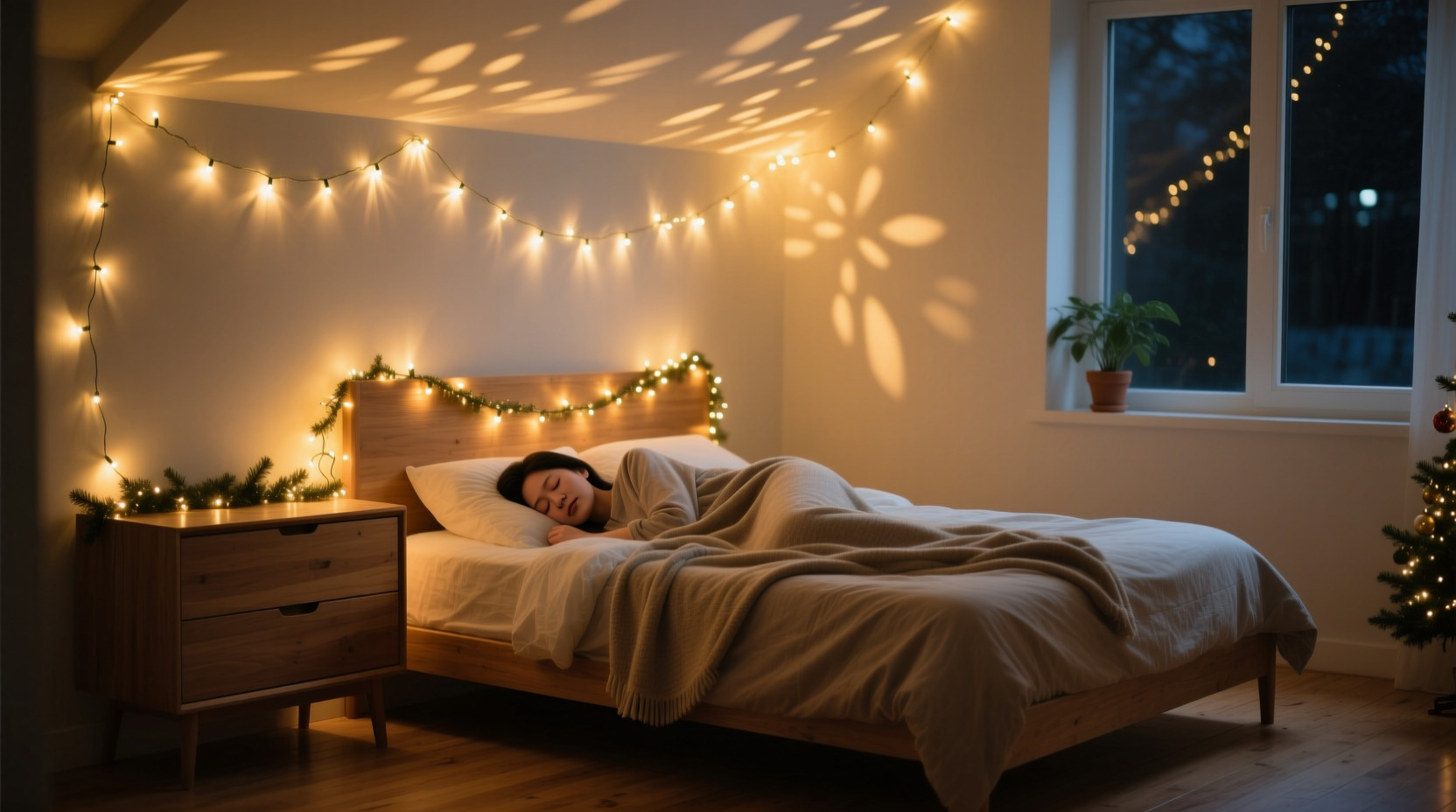
Sleep is regulated by a complex internal system known as the circadian rhythm—a 24-hour biological clock influenced primarily by light and darkness. When your eyes detect light, especially blue-wavelength light, signals are sent to the suprachiasmatic nucleus (SCN) in the brain, which controls the release of hormones like melatonin.
Melatonin, often called the “sleep hormone,” begins to rise in the evening as natural light fades, promoting drowsiness and preparing the body for rest. Exposure to artificial light after dusk—especially bright or cool-toned light—can delay or suppress melatonin production, making it harder to fall asleep and reducing overall sleep quality.
Christmas lights, depending on their color temperature and brightness, may emit enough light to interfere with this delicate process. Even low-intensity illumination in a dark room can be disruptive over time, particularly in children and individuals with heightened light sensitivity.
“Any light exposure during nighttime hours has the potential to shift circadian timing. It doesn’t need to be bright—consistent low-level light from decorative sources can still impair sleep onset and depth.” — Dr. Lena Torres, Sleep Neurologist, Stanford Center for Sleep Sciences
Types of Christmas Lights and Their Impact on Sleep
Not all Christmas lights are created equal. The type, color, placement, and duration of use all influence how much they affect your sleep. Below is a breakdown of common varieties and their relative risks:
| Type of Light | Color Temperature | Brightness Level | Sleep Risk |
|---|---|---|---|
| LED Mini Lights (Cool White) | 5000K–6500K (Blue-rich) | High | High – Strongly suppresses melatonin |
| LED Mini Lights (Warm White) | 2700K–3000K (Amber-toned) | Medium | Moderate – Lower risk if dimmed |
| Incandescent Bulbs | 2400K–2700K (Soft yellow) | Low to Medium | Low to Moderate – Less disruptive but still present |
| Fairy/String Lights (Battery-powered) | Varies (often warm) | Low | Low – Minimal impact if placed away from bed |
| RGB Multicolor LEDs | Full spectrum (includes blue/green) | Variable | High – Especially problematic due to flashing and color shifts |
Warm white and incandescent lights are generally safer choices because they emit less blue light. However, proximity matters—lights draped around a headboard or strung across the ceiling directly above the bed are more likely to penetrate closed eyelids and disrupt sleep than those placed near windows or on furniture across the room.
Real-World Example: A Teenager’s Sleep Struggles During the Holidays
Consider the case of 16-year-old Maya, who began experiencing difficulty falling asleep each night starting in early December. Her parents noticed she was staying up later, feeling groggy in the mornings, and struggling to focus at school. After ruling out screen time and caffeine, they observed that the only change in her bedroom was a new string of cool-white LED Christmas lights wrapped around her mirror and window frame—left on all night.
At the suggestion of a pediatric sleep consultant, Maya turned off the lights one hour before bedtime and used blackout curtains to ensure complete darkness. Within three nights, her sleep onset improved by nearly 30 minutes, and her daytime alertness returned. A follow-up sleep diary confirmed consistent improvements in both sleep duration and perceived restfulness.
This scenario illustrates how subtle environmental factors—especially those introduced seasonally—can have measurable effects on sleep health, even in otherwise healthy individuals.
Step-by-Step Guide to Safer Holiday Lighting in Bedrooms
If you want to keep the festive spirit alive without compromising your rest, follow this practical five-step plan:
- Assess Placement: Identify where lights are installed. Avoid positioning them near or above the bed, especially within direct line of sight when lying down.
- Switch to Warm-Toned Lights: Replace cool white or RGB strings with warm white (2700K or lower) or amber-colored bulbs that emit minimal blue light.
- Use Timers or Smart Plugs: Program lights to turn off automatically 30–60 minutes after bedtime. Most smart outlets allow scheduling via smartphone apps.
- Dim When Possible: Use dimmable LEDs and reduce brightness to the lowest functional level. Dimming reduces both luminance and melatonin suppression.
- Create a Dark Sleep Zone: Ensure the area immediately surrounding the bed is as dark as possible. Use heavier bedding drapes or temporary遮光 materials if needed.
Following these steps allows you to enjoy seasonal ambiance while protecting your body’s natural wind-down process.
Common Misconceptions About Nighttime Light Exposure
Several myths persist about light and sleep, especially during the holidays:
- Myth: “Since the lights are small and not very bright, they don’t matter.”
Reality: Even low-luminance light (as little as 10 lux) can delay melatonin onset, especially when viewed in an otherwise dark environment. - Myth: “If I’m used to sleeping with lights on, it doesn’t affect me.”
Reality: Habituation does not eliminate physiological impact. You may fall asleep, but sleep architecture—particularly REM and deep sleep stages—can still be impaired. - Myth: “Only screens affect sleep; decorative lights are fine.”
Reality: Any artificial light source, including lamps, hallway lights, and Christmas decorations, contributes to cumulative light exposure that can shift circadian timing.
Understanding these nuances helps dispel false assumptions and encourages more intentional lighting habits during the winter months.
Checklist: Holiday Lighting Safety for Healthy Sleep
Before turning on your bedroom lights this season, run through this quick checklist:
- ✅ Use warm-white or amber-colored bulbs (under 3000K)
- ✅ Install lights away from the bed (at least 6 feet from pillow level)
- ✅ Set a timer to turn lights off within 1 hour of bedtime
- ✅ Avoid blinking, flashing, or color-changing modes in sleeping areas
- ✅ Test darkness level: Can you see your hand in front of your face? If yes, it’s too bright.
- ✅ Consider alternatives: Use non-light decor like garlands, stockings, or scented candles (flameless)
Completing this checklist ensures your holiday setup supports relaxation rather than resisting it.
When Christmas Lights Might Be Beneficial
Interestingly, Christmas lights aren’t inherently bad for sleep—they can actually support well-being when used strategically. For example:
- Mood Enhancement: Seasonal Affective Disorder (SAD) affects millions during shorter winter days. Soft, warm lighting in living areas can elevate mood and reduce feelings of lethargy.
- Routine Cues: Turning on festive lights at a consistent time each evening can serve as a psychological signal that the day is winding down, reinforcing bedtime routines.
- Child Comfort: For young children afraid of the dark, a single strand of dim, warm fairy lights can provide reassurance without fully disrupting melatonin—so long as they’re turned off before deep sleep cycles begin.
The key lies in context: using lights purposefully, selectively, and with awareness of timing and spectral output.
Frequently Asked Questions
Do red Christmas lights affect sleep?
Red lights have the least impact on melatonin suppression because they fall outside the blue-green sensitivity range of retinal cells. Red or deep amber Christmas lights are the safest option for overnight use if lighting is necessary.
Is it safe to leave battery-powered string lights on all night?
While most modern battery-powered lights are safe from a fire hazard standpoint, their effect on sleep depends on brightness and color. Low-lumen warm white or red sets pose minimal risk, but cool white or blinking versions should still be avoided during sleep hours.
Can Christmas lights cause insomnia?
Chronic exposure to overnight artificial light—including decorative lighting—can contribute to delayed sleep phase, reduced sleep efficiency, and symptoms resembling mild insomnia. It’s unlikely to be the sole cause but can act as a compounding factor, especially in sensitive individuals.
Conclusion: Balancing Festivity and Sleep Health
There’s no need to dismantle your holiday display to protect your sleep—but a few thoughtful adjustments can make a significant difference. By choosing warmer tones, managing timing, and being mindful of placement, you can maintain the joy of the season without paying for it in fatigue and foggy mornings.
Sleep is not a luxury; it’s a foundation for mental clarity, emotional resilience, and physical health. As we embrace the traditions that bring us comfort, let’s also honor the quiet rituals that restore us. This holiday season, let your lights shine brightly—but not all night long.




 浙公网安备
33010002000092号
浙公网安备
33010002000092号 浙B2-20120091-4
Comments
No comments yet. Why don't you start the discussion?