
Drinking lemon water first thing in the morning has become a staple in wellness circles. Advocates claim it kickstarts digestion, flushes out toxins, hydrates the body, and—perhaps most alluringly—boosts metabolism. But how much of this is supported by science? While lemon water offers several health benefits, the idea that it significantly accelerates metabolism on its own may be more myth than fact. This article dissects the metabolic claims, examines the components of lemon water, and separates evidence-based outcomes from popular exaggeration.
The Science Behind Metabolism and Morning Hydration
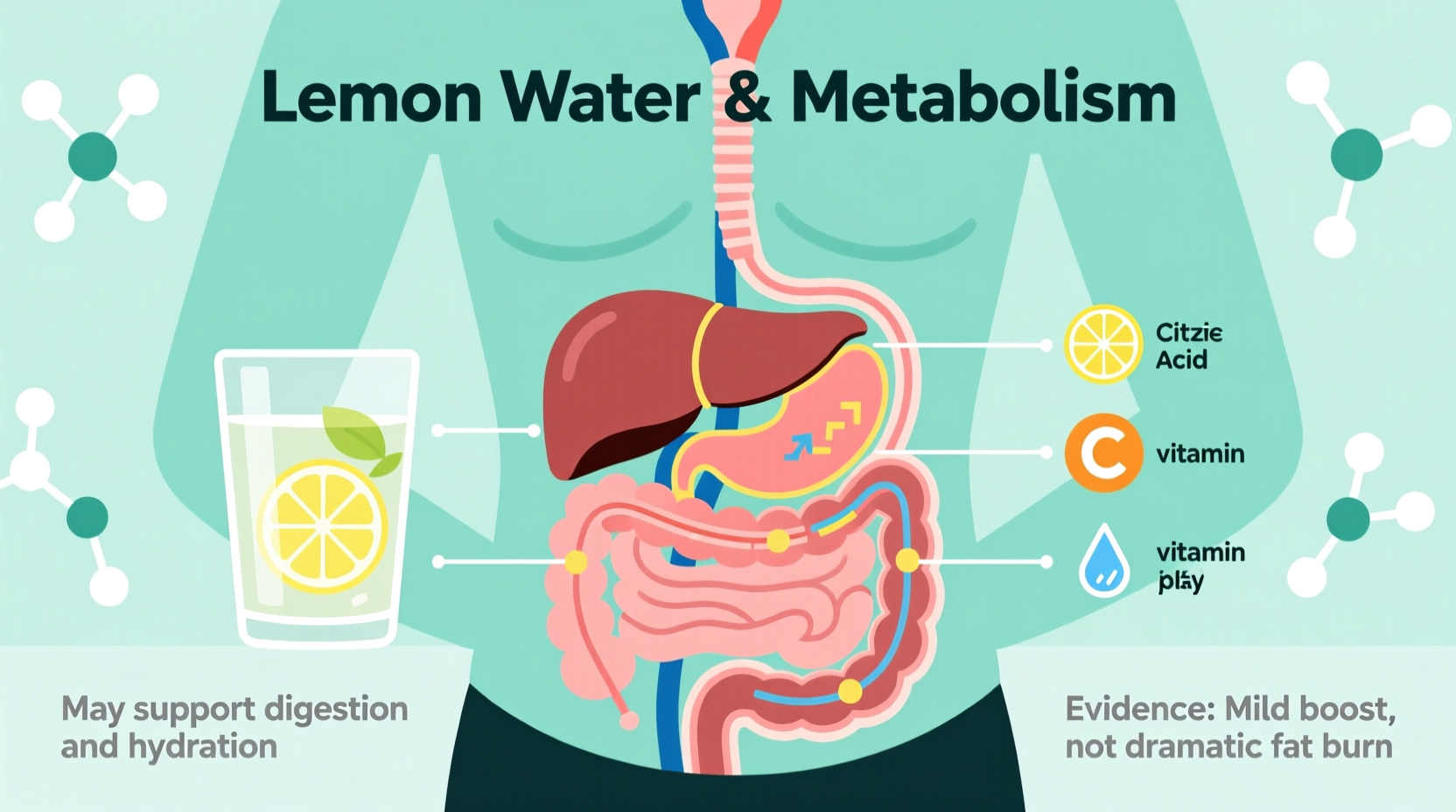
Metabolism refers to all the chemical processes in the body that convert food into energy. The rate at which this happens—the metabolic rate—is influenced by factors like age, muscle mass, genetics, hormone levels, and physical activity. While certain foods and drinks can induce minor, temporary increases in metabolic rate (a phenomenon known as diet-induced thermogenesis), these effects are typically modest and short-lived.
Morning hydration, however, plays a foundational role in metabolic function. After hours without fluid intake during sleep, mild dehydration can slow down bodily functions, including cellular energy production. Rehydrating upon waking helps restore normal physiological processes. Water itself has been shown to temporarily increase resting metabolic rate by 10–30% for about 30–40 minutes after consumption, according to a study published in The Journal of Clinical Endocrinology & Metabolism.
Lemon water builds on this principle by combining hydration with additional nutrients—primarily vitamin C and plant compounds like flavonoids—but does the lemon component add meaningful metabolic benefit?
Nutritional Profile of Lemon Water
A typical serving of lemon water (the juice of half a lemon in 8–16 oz of water) contains minimal calories—about 5–10—and negligible macronutrients. However, it delivers key micronutrients and phytochemicals:
- Vitamin C: One lemon provides roughly 30–50 mg of vitamin C, supporting immune function and acting as an antioxidant.
- Citric Acid: May aid digestion and reduce the risk of kidney stones.
- Flavonoids: Antioxidant compounds such as hesperidin and diosmin, which have anti-inflammatory properties.
- Low pH (acidity): Can stimulate gastric acid secretion, potentially improving early digestive signals.
While these components contribute to overall health, none directly trigger fat burning or long-term metabolic acceleration. The caloric cost of metabolizing lemon water—like any beverage with negligible calories—is minimal and not a driver of weight loss or sustained metabolic enhancement.
“Hydration is essential for optimal metabolic performance, but adding lemon doesn’t magically speed up calorie burn. The real benefit lies in replacing sugary drinks and supporting consistent hydration.” — Dr. Rebecca Torres, Registered Dietitian and Metabolic Health Specialist
Does Lemon Water Actually Boost Metabolism?
The claim that lemon water boosts metabolism often stems from a mix of plausible mechanisms and anecdotal reports. Let’s examine the most commonly cited arguments:
Thermogenic Effect of Water
As previously noted, drinking water can elevate resting energy expenditure temporarily. This effect is due to the body warming the water to core temperature and managing fluid balance—not because of lemon. Whether the water is plain or infused with lemon makes no measurable difference in this thermogenic response.
Vitamin C and Carnitine Synthesis
Vitamin C plays a role in the synthesis of carnitine, a molecule involved in transporting fatty acids into mitochondria for energy production. In theory, better carnitine production could enhance fat oxidation. However, this pathway only becomes relevant in individuals with vitamin C deficiency. For those with adequate intake, extra vitamin C from lemon water does not translate to increased fat burning or metabolic rate.
Digestive Stimulation
The acidity of lemon juice may prompt the stomach to produce more hydrochloric acid, potentially improving digestion efficiency. Some people report feeling less bloated or more energized after drinking lemon water, which they interpret as a “faster metabolism.” While improved digestion supports nutrient absorption and gut health, it is not synonymous with an elevated metabolic rate.
Appetite and Calorie Regulation
Drinking lemon water in the morning may help suppress appetite slightly by filling the stomach, reducing the likelihood of overeating at breakfast. Additionally, replacing high-calorie morning beverages (e.g., sweetened coffee, juice, soda) with lemon water leads to a net reduction in daily calorie intake—an indirect way to support weight management. This behavioral shift, rather than a metabolic one, explains most of the weight-related benefits associated with the practice.
What the Research Says: A Reality Check
There is currently no robust clinical evidence demonstrating that lemon water increases metabolic rate beyond what plain water achieves. Most studies on citrus flavonoids or vitamin C focus on antioxidant or cardiovascular benefits, not thermogenesis.
A 2017 review in Nutrition Reviews analyzed various \"metabolism-boosting\" foods and concluded that while some spices (like capsaicin in chili peppers) have small, measurable effects on energy expenditure, citrus fruits do not rank among the most effective agents for metabolic enhancement.
Moreover, many testimonials praising lemon water for weight loss fail to account for concurrent lifestyle changes—such as improved diet, increased water intake, or more physical activity—that are far more influential than the lemon itself.
Mini Case Study: Sarah’s Morning Routine Shift
Sarah, a 34-year-old office worker, began drinking lemon water every morning after reading about its benefits. Over three months, she lost 6 pounds and felt more energetic. At first, she credited the lemon water. However, upon reflection, she realized she had also stopped drinking two sugary sodas daily and started walking during lunch breaks. Her dietitian explained that while lemon water supported hydration and reduced cravings, the real drivers of her weight loss were reduced sugar intake and increased movement. The lemon water acted as a positive ritual, not a metabolic catalyst.
Practical Benefits of Lemon Water Beyond Metabolism
Even if lemon water doesn’t meaningfully boost metabolism, it still offers tangible health advantages:
- Improved hydration: Starting the day with fluids supports kidney function, cognitive clarity, and circulation.
- Enhanced digestion: The mild acidity may help stimulate bile production and ease morning sluggishness in the gut.
- Antioxidant support: Flavonoids in lemon peel and juice combat oxidative stress.
- Dental health considerations: While acidic, lemon water consumed quickly and followed by rinsing reduces enamel erosion risk compared to sipping throughout the day.
- Routine reinforcement: A consistent morning ritual can anchor other healthy habits like meditation, journaling, or exercise.
| Claim | Evidence Status | Notes |
|---|---|---|
| Boosts metabolism significantly | ❌ Unsupported | No clinical evidence; effect no greater than plain water |
| Improves hydration | ✅ Strongly Supported | Encourages fluid intake after overnight fast |
| Aids digestion | 🟡 Moderately Supported | Acidity may stimulate gastric juices; individual results vary |
| Supports weight loss | 🟢 Indirectly Supported | Only when replacing high-calorie beverages or reducing appetite |
| Detoxifies the body | ❌ Misleading | Liver and kidneys handle detox; lemon doesn’t enhance this process |
How to Use Lemon Water Effectively: A Step-by-Step Guide
To maximize the benefits of lemon water while avoiding common pitfalls, follow this simple routine:
- Upon waking: Before coffee or breakfast, prepare 8–12 oz of lukewarm or room-temperature water.
- Add fresh lemon juice: Squeeze half a lemon (about 1–2 tablespoons). Avoid pre-packaged lemon juice with additives.
- Drink mindfully: Consume within 5–10 minutes to minimize prolonged tooth enamel exposure.
- Rinse your mouth: Swish with plain water afterward to neutralize acidity.
- Wait before brushing: Avoid brushing teeth immediately; wait at least 30 minutes to prevent enamel abrasion.
- Follow with balanced breakfast: Pair with protein and fiber to stabilize blood sugar and sustain energy.
Frequently Asked Questions
Can lemon water break a fast?
Technically, yes—any caloric intake breaks a strict fast. However, lemon water contains only about 5–10 calories per serving, so many practitioners of time-restricted eating consider it acceptable during fasting windows due to its negligible metabolic impact. If autophagy or insulin suppression is your primary goal, consult your healthcare provider about whether this fits your protocol.
Is hot lemon water better than cold?
Not necessarily. Warm or lukewarm water may be gentler on the digestive tract and promote quicker absorption, especially in colder climates. Cold water is equally hydrating but might cause discomfort for people with sensitive stomachs. Personal preference and tolerance should guide your choice.
How much lemon water should I drink daily?
One glass in the morning is sufficient for most people. Excessive consumption (more than 2–3 lemons per day) may increase the risk of dental erosion or gastrointestinal irritation due to acidity. Moderation is key.
Actionable Checklist: Optimizing Your Lemon Water Habit
- ☑ Use fresh, organic lemons when possible
- ☑ Limit to one serving per day unless advised otherwise
- ☑ Drink quickly, not sip slowly over hours
- ☑ Rinse mouth with plain water afterward
- ☑ Wait 30 minutes before brushing teeth
- ☑ Pair with a nutritious breakfast to avoid blood sugar crashes
- ☑ Monitor for heartburn or acid reflux; discontinue if symptoms worsen
Conclusion: A Supportive Habit, Not a Metabolic Miracle
Drinking lemon water on an empty stomach does not realistically boost metabolism in any clinically significant way. Its reputation as a fat-burning elixir is overstated and not backed by scientific evidence. However, it remains a valuable addition to a healthy lifestyle when used appropriately. It promotes hydration, supplies antioxidants, may aid digestion, and serves as a low-calorie alternative to sugary drinks—all of which indirectly support metabolic health and weight management.
The true power of lemon water lies not in its ability to accelerate calorie burn, but in its role as a gateway habit. When it replaces soda, anchors a mindful morning routine, or encourages better dietary choices, its cumulative impact becomes meaningful. Rather than viewing it as a standalone solution, integrate lemon water into a broader strategy that includes balanced nutrition, regular movement, quality sleep, and stress management.




 浙公网安备
33010002000092号
浙公网安备
33010002000092号 浙B2-20120091-4
Comments
No comments yet. Why don't you start the discussion?