
It’s a common piece of advice: drink more water to stay focused. But is it just wellness folklore, or is there real science behind the claim? The answer lies in understanding how hydration affects the brain. Even mild dehydration—often overlooked—can impair attention, memory, and reaction time. On the flip side, maintaining optimal fluid balance supports mental clarity, alertness, and sustained cognitive function. This article explores the connection between water intake and concentration, backed by research, expert insights, and practical strategies.
The Brain on Water: How Hydration Affects Cognition
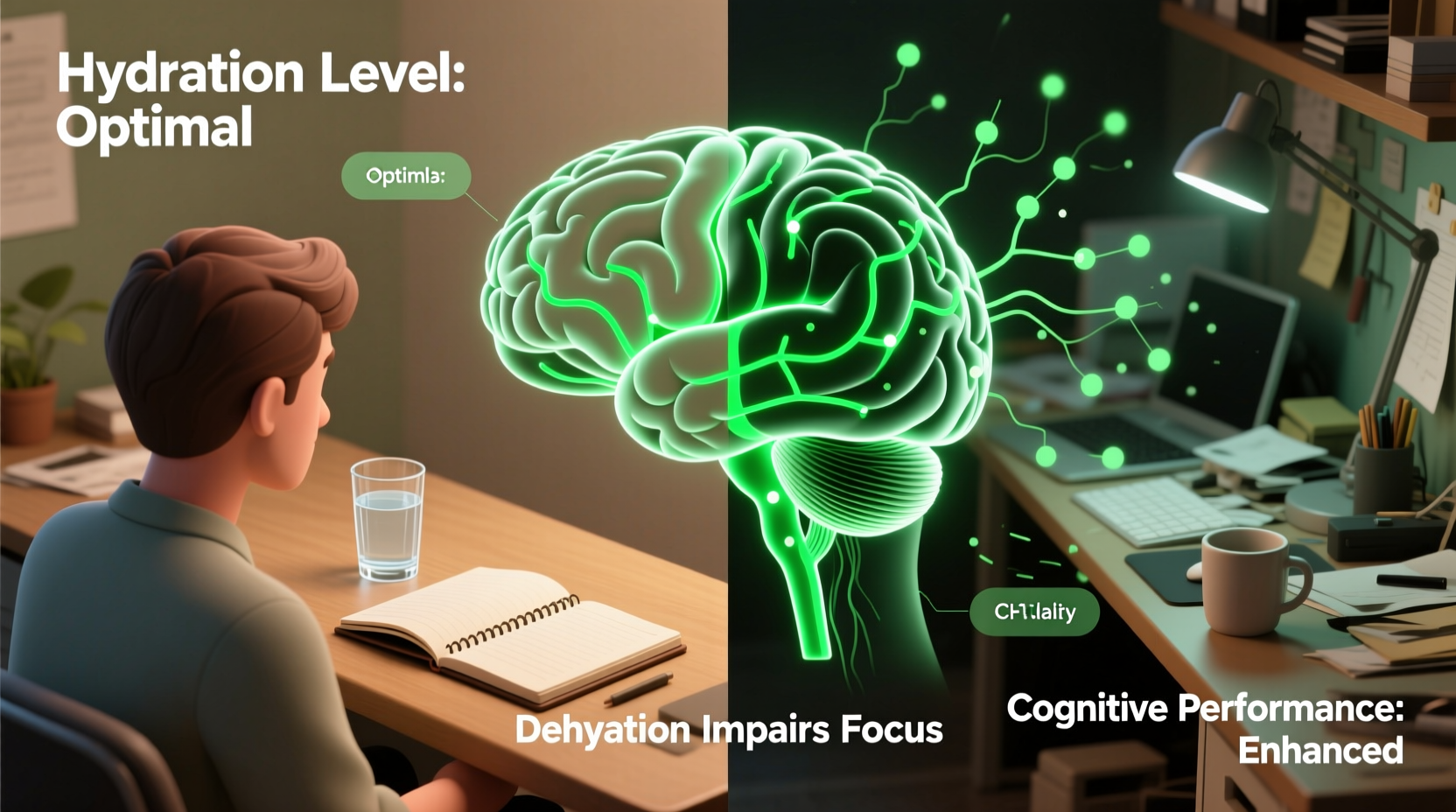
The human brain is about 75% water. Every neural process—from sending electrical signals to producing neurotransmitters—relies on a well-hydrated environment. When fluid levels drop, even slightly, brain tissue can temporarily contract, affecting communication between neurons. Studies show that losing as little as 1–2% of body weight in fluids (from sweat, urination, or inadequate intake) can lead to measurable declines in cognitive performance.
A 2018 meta-analysis published in Nutrition Reviews examined over 30 studies on hydration and cognition. It concluded that mild dehydration consistently impairs tasks involving attention, executive function, and working memory. Participants reported increased fatigue, headaches, and difficulty concentrating after just a few hours without sufficient water.
One reason is blood flow. Dehydration reduces blood volume, which means less oxygen reaches the brain. This slowdown forces the brain to work harder to maintain normal function, leading to mental fatigue. Additionally, dehydration increases cortisol—the stress hormone—which can further disrupt focus and emotional regulation.
“Even minimal dehydration can alter mood, energy levels, and cognitive ability, particularly in tasks requiring vigilance and short-term memory.” — Dr. Harris Lieberman, Research Psychologist, U.S. Army Natick Soldier Research Center
Signs You Might Be Under-Hydrated
Many people operate in a state of chronic low-level dehydration without realizing it. Thirst is not always a reliable indicator; by the time you feel thirsty, your body may already be dehydrated. Recognizing early signs can help you intervene before concentration suffers.
- Fatigue or low energy, especially mid-morning or afternoon
- Dry mouth or sticky saliva
- Dark yellow urine (a strong sign)
- Headaches or mild dizziness
- Irritability or difficulty staying on task
- Difficulty remembering small details or following conversations
How Much Water Do You Really Need?
The old “eight glasses a day” rule is a simplification. Individual needs vary based on age, gender, activity level, climate, and overall health. The National Academies of Sciences, Engineering, and Medicine recommends about 3.7 liters (125 oz) for men and 2.7 liters (91 oz) for women from all beverages and foods combined. About 20% of daily fluid intake typically comes from food, especially fruits and vegetables.
However, these are averages. Someone exercising in hot weather may need significantly more. A better approach is to listen to your body and use objective markers like urine color and frequency of bathroom visits (5–8 times per day is typical).
| Factor | Effect on Water Needs | Adjustment Tip |
|---|---|---|
| Physical Activity | Increases fluid loss through sweat | Add 1–2 cups per 30 minutes of exercise |
| Hot or Dry Climate | Accelerates dehydration | Increase intake by 25–50% |
| Caffeine Consumption | Mild diuretic effect, but not dehydrating in moderation | Balance each cup with an extra half glass of water |
| Illness (fever, vomiting) | Rapid fluid loss | Sip water or electrolyte drinks frequently |
Real Impact: A Day in the Life of a Dehydrated Worker
Consider Sarah, a 34-year-old project manager. She starts her day with coffee but skips breakfast and water. By 10:30 a.m., she feels sluggish during a team meeting. She struggles to follow the discussion, misses key points, and later has to re-read emails multiple times. Around noon, she gets a headache and reaches for another coffee. Her afternoon productivity drops—she makes a data entry error and feels irritable during a client call.
After visiting a nutritionist, Sarah begins tracking her water intake. She starts the day with a large glass of water, keeps a bottle at her desk, and sets hourly reminders to sip. Within three days, she notices fewer mid-morning crashes, improved clarity during meetings, and fewer mistakes. Her headaches disappear. While other factors matter, hydration was a missing link in her cognitive performance.
This case reflects a broader trend: many professionals attribute mental fog to workload or stress, when simple hydration fixes could make a meaningful difference.
Optimizing Hydration for Better Focus: A Step-by-Step Guide
Improving concentration through hydration isn’t just about drinking more—it’s about drinking smart. Follow this timeline to build sustainable habits:
- Upon waking: Drink 8–16 oz of water before coffee. Overnight fasting dehydrates the body, and rehydration kickstarts metabolism and alertness.
- Breakfast: Include hydrating foods like yogurt, berries, or cucumber. Pair your meal with another glass of water.
- Morning work block: Keep a visible water bottle on your desk. Aim to finish half your daily goal by noon.
- Lunchtime: Choose a broth-based soup or salad with high-water vegetables (tomatoes, lettuce, celery). Avoid excessive salty foods that promote fluid retention.
- Afternoon: If energy dips, skip the soda. Instead, drink a glass of water with a pinch of salt and lemon for natural electrolytes.
- Evening: Slow intake if you’re sensitive to nighttime bathroom trips, but don’t stop entirely. Mild dehydration during sleep can cause morning fatigue.
What Type of Fluids Help Most?
Not all liquids hydrate equally. While water is ideal, other beverages and foods contribute—but some come with trade-offs.
- Water: Best for pure hydration. Zero calories, no additives.
- Herbal teas: Non-caffeinated options like chamomile or rooibos add variety without diuretic effects.
- Coconut water: Naturally rich in potassium and magnesium, but higher in sugar—best in moderation.
- Electrolyte drinks: Useful after intense exercise or illness, but many contain added sugars and artificial ingredients.
- Coffee and tea: Do not dehydrate when consumed in moderation. However, they can increase urgency to urinate, so balance with plain water.
- Sugary sodas and energy drinks: Provide temporary stimulation but often lead to crashes and reduced focus due to blood sugar spikes.
“Hydration isn’t just about quantity—it’s about quality and timing. Sipping water steadily throughout the day maintains stable brain function better than chugging large amounts at once.” — Dr. Dana Cohen, Integrative MD and hydration specialist
Common Myths About Water and Brain Function
Despite growing awareness, misconceptions persist:
- Myth: You only need water when you're thirsty.
Reality: Thirst lags behind actual need. By the time you feel it, you may already be 1–2% dehydrated. - Myth: Drinking too much water improves brainpower.
Reality: Overhydration (hyponatremia) dilutes sodium levels and can cause confusion, seizures, or worse. Balance is key. - Myth: All fluids hydrate the same way.
Reality: High-sugar or high-alcohol drinks can increase fluid loss or impair cognitive function independently of hydration status.
FAQ: Hydration and Concentration
Can dehydration cause brain fog?
Yes. Dehydration reduces cerebral blood flow and alters neurotransmitter production, leading to symptoms commonly described as “brain fog”—difficulty focusing, slow thinking, and forgetfulness. Rehydrating often provides rapid relief.
How long does it take for water to improve concentration?
For someone mildly dehydrated, sipping 16–20 oz of water can improve alertness within 15–30 minutes. Cognitive benefits peak as fluid balance stabilizes over 1–2 hours.
Is bottled water better for focus than tap water?
No. There’s no evidence that bottled water enhances concentration more than clean tap water. What matters is consistent intake, not the source. In areas with safe tap water, it’s just as effective—and more sustainable.
Checklist: Build a Brain-Boosting Hydration Routine
Use this checklist to integrate better hydration into your daily life:
- ✅ Start the day with a glass of water
- ✅ Carry a reusable water bottle
- ✅ Set hourly phone reminders to sip
- ✅ Eat at least 3 servings of high-water-content fruits/vegetables daily
- ✅ Monitor urine color (aim for pale yellow)
- ✅ Limit sugary drinks and alcohol
- ✅ Adjust intake during exercise or heat exposure
- ✅ Flavor water naturally with lemon, mint, or cucumber if plain water is unappealing
Conclusion: Make Hydration a Cognitive Priority
Drinking more water isn’t a magic bullet, but it’s one of the simplest, most effective ways to support concentration. Unlike stimulants that offer temporary boosts followed by crashes, proper hydration provides steady, sustainable mental clarity. The science is clear: even minor dehydration hampers attention, memory, and decision-making. The good news? These effects are reversible.
You don’t need expensive supplements or drastic lifestyle changes. Just consistent, mindful water intake. Whether you’re studying for exams, managing a busy job, or simply trying to stay present in daily life, hydration is a foundational pillar of focus. Start today—your brain will thank you.




 浙公网安备
33010002000092号
浙公网安备
33010002000092号 浙B2-20120091-4
Comments
No comments yet. Why don't you start the discussion?