
Sunscreen is a critical part of daily skin care, helping prevent sunburn, premature aging, and reducing the risk of skin cancer. But what happens when that bottle has been sitting in your bathroom cabinet for years—past its expiration date? Many people wonder whether expired sunscreen still offers protection or if it’s time to throw it out. The answer isn’t always black and white, but understanding how sunscreen degrades, how long it lasts, and what factors affect its potency can help you make an informed decision.
How Sunscreen Works and Why Expiration Matters
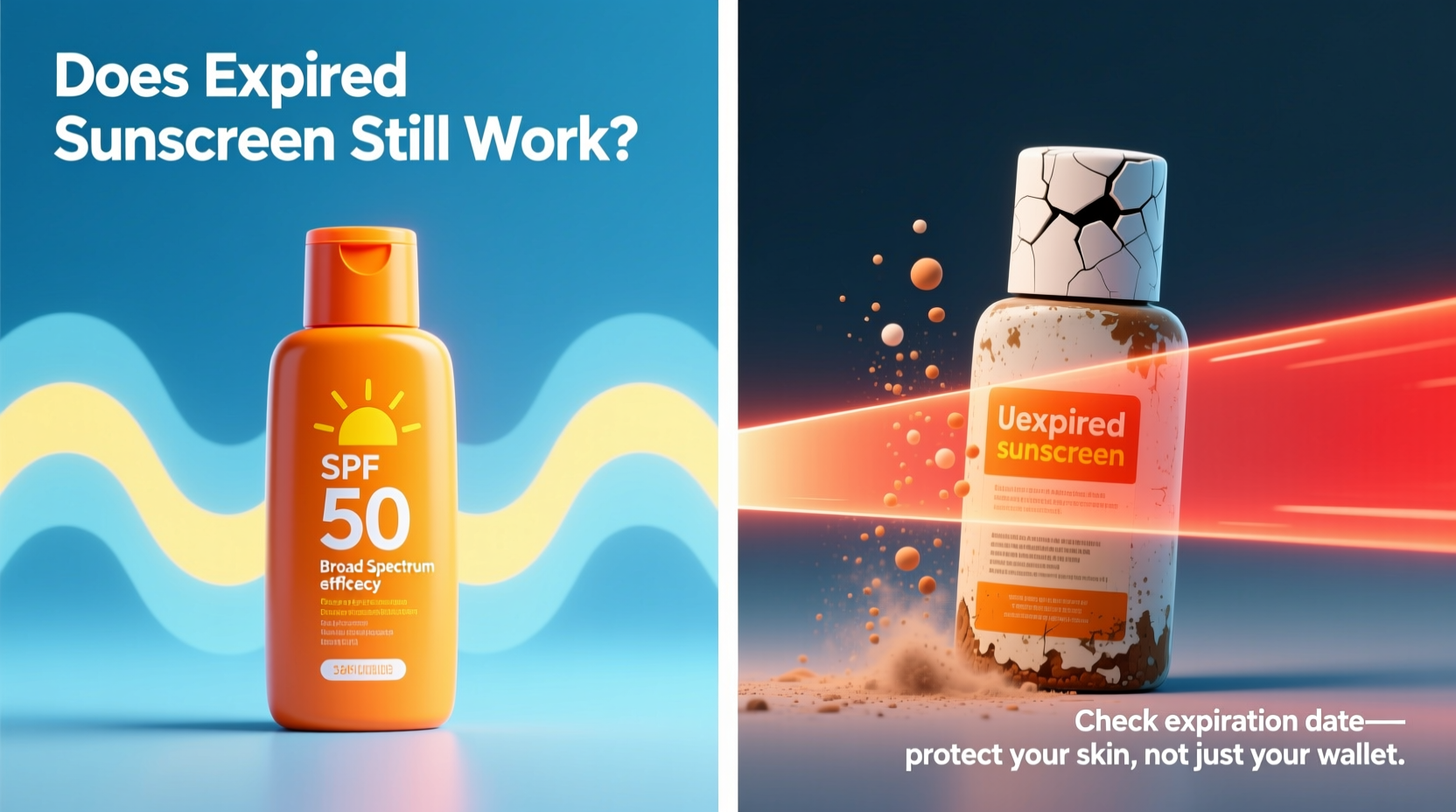
Sunscreen protects the skin by absorbing, reflecting, or scattering ultraviolet (UV) radiation from the sun. There are two main types: chemical sunscreens, which absorb UV rays and convert them into heat, and mineral (physical) sunscreens, which sit on the skin’s surface and deflect UV light. Both rely on active ingredients—such as avobenzone, oxybenzone, zinc oxide, and titanium dioxide—that degrade over time.
The expiration date printed on sunscreen packaging isn’t arbitrary. It indicates the point at which manufacturers can no longer guarantee the product's full effectiveness. The U.S. Food and Drug Administration (FDA) requires sunscreens to remain stable and effective for at least three years from the date of manufacture unless otherwise indicated. After this period, the active ingredients may break down, reducing the sun protection factor (SPF) and broad-spectrum coverage.
Even if the formula appears unchanged, chemical instability means that expired sunscreen might not deliver the SPF listed on the label. This could leave you vulnerable to UV damage without realizing it.
Signs Your Sunscreen Has Gone Bad
Not all expired sunscreen looks or smells obviously spoiled, but certain changes indicate it’s time to discard the product:
- Change in texture: Separation, clumping, or a watery consistency suggest ingredient breakdown.
- Unusual odor: A rancid or sour smell often means oxidation or bacterial growth.
- Discoloration: Yellowing or dark spots can signal chemical degradation.
- Difficulty spreading: If it feels gritty or doesn’t blend smoothly, efficacy may be compromised.
Mineral sunscreens tend to separate more easily than chemical ones, so shaking the bottle may temporarily fix texture issues. However, if separation persists after shaking or if other warning signs appear, err on the side of caution and replace it.
Real Example: Beach Trip Gone Wrong
A 2022 case reported by a dermatology clinic in Miami involved a family who used a sunscreen bottle they’d found in their beach bag from the previous summer. The product had no visible expiration date but was at least 18 months old and stored in a hot car. Two members of the family developed severe sunburn despite reapplying every two hours. Lab analysis revealed the SPF had degraded to less than half its labeled value. While not all expired sunscreen fails this dramatically, this example shows how environmental exposure accelerates deterioration—and why relying on old products is risky.
How Long Does Sunscreen Last?
The shelf life of sunscreen depends on several factors, including formulation, storage conditions, and frequency of use. Here’s a breakdown:
| Type of Sunscreen | Typical Shelf Life | Notes |
|---|---|---|
| Chemical (e.g., avobenzone-based) | 3 years unopened, 1 year after opening | More prone to heat and light degradation |
| Mineral (zinc oxide, titanium dioxide) | 3 years unopened, up to 2 years after opening | More stable, but separation affects performance |
| Spray sunscreen | 2–3 years | Nozzle clogs and propellant loss reduce usability |
| Sensitive skin / fragrance-free formulas | 2–3 years | Fewer preservatives may shorten lifespan |
Once opened, sunscreen is exposed to air, moisture, and bacteria—especially if fingers are dipped into the container. These factors accelerate spoilage. For maximum safety, most dermatologists recommend replacing sunscreen one year after opening, even if it hasn’t reached the printed expiration date.
“Sunscreen is like medicine—if it’s past its prime, it won’t work as intended. Using expired sunscreen gives a false sense of security.” — Dr. Lena Patel, Board-Certified Dermatologist
When (If Ever) Is It Safe to Use Expired Sunscreen?
In general, using expired sunscreen is not recommended—especially for prolonged sun exposure, children, or individuals with fair or sensitive skin. However, there are limited scenarios where low-risk use might be acceptable:
- Occasional, brief exposure: Applying expired sunscreen during a short walk or commute with minimal sun intensity may offer some residual protection.
- Body-only application: If you’re confident the product hasn’t separated or changed, using it on less sensitive areas like arms or legs carries lower risk than facial use.
- Emergency backup: In a pinch, expired sunscreen is better than nothing—but reapply frequently and seek shade whenever possible.
That said, relying on expired sunscreen defeats the purpose of sun protection. The primary goal is consistent, reliable defense against UVA and UVB rays. Compromising on product integrity undermines that goal.
Step-by-Step Guide: How to Evaluate Your Sunscreen
Before deciding whether to keep or toss your sunscreen, follow this evaluation process:
- Check the expiration date: Look for a stamped date or batch code. If none exists, assume a 3-year limit from purchase.
- Inspect the appearance: Open the bottle and examine color, texture, and clarity. Any deviation from original condition is a red flag.
- Smell the product: A sharp, off-putting odor suggests spoilage.
- Assess storage history: Was it kept in a hot car, humid bathroom, or direct sunlight? Heat and humidity speed up degradation.
- Test on a small area: Apply a small amount to your arm and wait 24 hours. Watch for irritation or poor absorption.
- Decide: If any doubts exist, replace it. Skin health is worth the cost of a new bottle.
Common Myths About Expired Sunscreen
Misinformation about sunscreen longevity leads many people to take unnecessary risks. Let’s clarify some common misconceptions:
- Myth: “If it looks fine, it works.” Appearance doesn’t guarantee chemical stability. Active ingredients can degrade invisibly.
- Myth: “Reapplying more makes up for low SPF.” Reapplication corrects for sweat and rubbing off, not reduced potency. Degraded sunscreen cannot achieve its rated SPF no matter how often you apply.
- Myth: “Natural or mineral sunscreens last forever.” While more stable, they still expire. Zinc oxide particles can clump, reducing coverage.
- Myth: “Sunscreen never expires if unopened.” Even sealed bottles degrade over time, especially under poor storage conditions.
Best Practices for Sunscreen Storage and Usage
To get the most out of your sunscreen and avoid premature expiration, follow these best practices:
- Keep it below 77°F (25°C) and away from direct sunlight.
- Close the lid tightly after each use to minimize air exposure.
- Avoid transferring sunscreen to unlabeled containers, which increases contamination risk.
- Use pump or spray bottles when possible—they reduce finger contact and contamination.
- Buy smaller sizes if you don’t use sunscreen frequently, ensuring you finish it before it expires.
Travelers should consider keeping a dedicated sunscreen in luggage or beach bags while storing a fresh, full-size bottle at home. Rotate them seasonally to ensure freshness.
Frequently Asked Questions
Does sunscreen expire if it’s never been opened?
Yes. Unopened sunscreen typically remains effective for up to three years from the manufacturing date. After that, active ingredients begin to break down, even without exposure to air or contaminants. Always check for an expiration date or estimate based on purchase date.
Can I extend the life of sunscreen by refrigerating it?
Refrigeration can help preserve certain formulations, especially in hot climates, but it’s not necessary for most users. Avoid freezing, as temperature extremes can disrupt emulsions. If refrigerated, allow the product to warm slightly before use for optimal spreadability.
What should I do with expired sunscreen?
Do not pour it down the drain or dispose of it in regular trash if it contains harmful chemicals like oxybenzone, which can pollute waterways. Check local hazardous waste disposal guidelines or return programs offered by some eco-conscious brands. Alternatively, seal it in a bag and discard it responsibly.
Final Checklist: When to Keep or Toss Your Sunscreen
- ✅ Expiration date is current
- ✅ No change in color, smell, or texture
- ✅ Stored properly (cool, dry, away from light)
- ✅ Less than one year since first opened
- ✅ No signs of contamination (dirt, mold, strange residue)
- ✅ Being used for high-exposure activities (beach, hiking, sports)
If any item on this list is a “no,” it’s time to replace your sunscreen.
Conclusion: Protect Your Skin With Fresh Protection
Your skin deserves reliable defense against the sun’s harmful rays. While the temptation to stretch the life of a half-full sunscreen bottle is understandable, doing so comes with real risks. Expired sunscreen may offer partial protection, but inconsistent performance leaves you vulnerable to sun damage, premature aging, and increased cancer risk. By staying vigilant about expiration dates, storage conditions, and product quality, you ensure that every application delivers the protection promised on the label.
Make sunscreen replacement part of your seasonal routine—spring cleaning, beach prep, or back-to-school shopping are perfect reminders. Your future self will thank you for prioritizing skin health today.




 浙公网安备
33010002000092号
浙公网安备
33010002000092号 浙B2-20120091-4
Comments
No comments yet. Why don't you start the discussion?