
In an age where smartphones, social media, and endless digital notifications dominate daily life, screen time addiction has become a silent epidemic. Many people find themselves scrolling mindlessly for hours, sacrificing sleep, focus, and real-world connections. While technology offers undeniable benefits, unchecked usage can erode mental clarity and emotional balance. The good news? Meditation—a practice rooted in ancient tradition but validated by modern science—offers a powerful, accessible tool to break the cycle of digital dependency. Unlike apps that merely track usage or set limits, meditation addresses the root cause: our relationship with attention, impulse, and inner restlessness.
Mindfulness doesn’t just help you notice when you're reaching for your phone out of habit—it rewires your brain’s response to distraction. Over time, regular practice cultivates awareness, self-regulation, and presence, making it easier to resist compulsive checking and reclaim your time. This article explores how meditation directly reduces screen time addiction, backed by research and real-life application, and provides actionable strategies to integrate mindfulness into your digital detox journey.
How Meditation Disrupts Screen Time Addiction
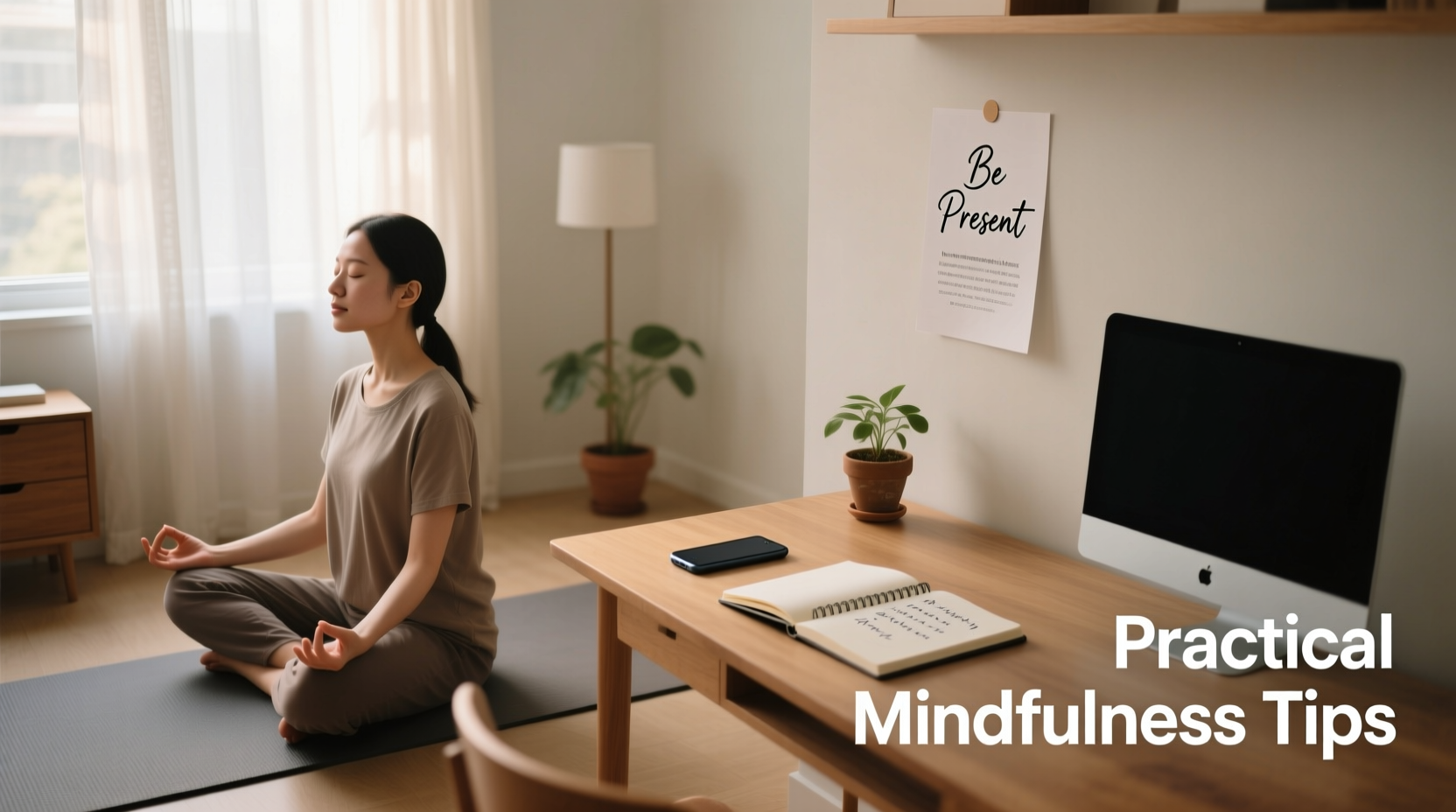
Screen time addiction operates on the same neurological pathways as other behavioral addictions. Each notification, like, or new video triggers dopamine release—the brain’s reward chemical—creating a feedback loop that encourages repeated use. The more we engage, the more our tolerance builds, leading to longer sessions and increased cravings. What makes this cycle particularly insidious is its invisibility; many users don’t realize how much time they’ve lost until hours have passed.
Meditation interrupts this pattern by strengthening the prefrontal cortex, the part of the brain responsible for decision-making, impulse control, and emotional regulation. A 2016 study published in Frontiers in Psychology found that participants who practiced mindfulness meditation for eight weeks showed reduced activity in the default mode network—the brain region linked to mind-wandering and self-referential thoughts—often associated with rumination and digital distraction.
More importantly, meditation trains metacognition: the ability to observe your own thoughts and behaviors without immediately reacting. When you feel the urge to check your phone, mindfulness allows you to pause and ask: *Is this necessary? Am I avoiding discomfort?* That brief moment of awareness is often enough to break the automatic habit loop.
“Mindfulness doesn’t eliminate distractions—it gives us the space to choose how we respond to them.” — Dr. Judson Brewer, neuroscientist and author of *The Craving Mind*
Practical Mindfulness Tips to Reduce Screen Dependency
Knowing meditation helps is one thing; applying it consistently is another. The key is not perfection but integration—embedding small, sustainable practices into your existing routine. These techniques are designed to be flexible, requiring no special equipment or large time commitments.
1. Anchor Your Day with Intentional Awareness
Begin your day without screens. Instead of grabbing your phone upon waking, sit up slowly and take five deep breaths. Notice the sensations in your body, the quality of light in the room, and your first thoughts. This simple act sets a tone of presence and reduces the likelihood of falling into reactive scrolling within minutes of rising.
2. Create “Phone-Free Zones” With Mindful Transitions
Designate certain areas or times—like meals, bathrooms, or the first hour after work—as screen-free. Before entering these zones, perform a mini-meditation: pause, inhale deeply, and state your intention aloud (“I’m choosing presence now”). This ritual conditions your brain to associate physical spaces with mindful behavior.
3. Use Triggers as Meditation Cues
Leverage common screen-use triggers (boredom, stress, waiting) as prompts for mindfulness. Every time you reach for your phone out of habit, pause and close your eyes for 60 seconds. Focus only on your breath. You don’t need to stop using the device entirely—just insert a gap between impulse and action. Over time, this weakens the automaticity of screen-checking.
4. Practice Body Scans During Digital Breaks
After extended screen use, perform a two-minute body scan. Sit comfortably, close your eyes, and mentally move from your toes to your head, noticing tension or numbness. This grounds you in physical reality and counteracts the dissociative effect of prolonged screen exposure.
5. Label Emotional States Before Unlocking
Before unlocking your phone, silently name your current emotion: “bored,” “anxious,” “lonely,” “curious.” Naming emotions reduces their intensity and increases self-awareness. Often, simply acknowledging that you’re seeking distraction to soothe discomfort is enough to make a conscious choice rather than an impulsive one.
Step-by-Step Guide: Building a 7-Day Digital Detox Meditation Plan
Transformation doesn’t require drastic measures. A structured yet gentle approach can yield lasting change. Follow this seven-day plan to build mindfulness skills while systematically reducing screen dependence.
- Day 1 – Awareness Audit: Track all screen use for 24 hours. Note the time, duration, and emotional trigger (e.g., “checked Instagram at 9:15 PM due to insomnia”). End the day with 3 minutes of breath-focused meditation.
- Day 2 – Morning Pause: Delay first phone use by 10 minutes. Spend that time sitting quietly, focusing on breath or sounds around you.
- Day 3 – Trigger Mapping: Identify your top three screen-use triggers (e.g., boredom, stress, FOMO). For each, write down a non-digital alternative (stretching, journaling, tea drinking).
- Day 4 – Single-Tasking Practice: Choose one daily activity (eating, walking, showering) to do without screens. Stay fully present, engaging all senses.
- Day 5 – Urge Surfing: When you feel the pull to check your phone unnecessarily, sit with the urge for 90 seconds. Observe it rise, peak, and fade like a wave. Breathe through it.
- Day 6 – Tech Sabbath Hour: Designate one hour completely free from screens. Replace it with a mindfulness practice—walking meditation, gratitude journaling, or silence.
- Day 7 – Reflect & Reset: Review your week. What patterns emerged? Which mindfulness technique felt most effective? Set one intention for ongoing practice.
Do’s and Don’ts of Mindful Screen Management
| Do | Don’t |
|---|---|
| Use meditation apps mindfully (set time limits) | Replace one screen habit with another (e.g., binge-watching meditation videos) |
| Practice non-judgment when you slip up | Shame yourself for relapsing into scrolling |
| Charge your phone outside the bedroom | Keep your phone within arm’s reach while sleeping |
| Schedule short meditations between work tasks | Use meditation only during crises or high stress |
| Label emotions before unlocking devices | Assume you have full control without practicing awareness |
Real Example: How Sarah Reduced Her Screen Time by 60%
Sarah, a 34-year-old graphic designer, spent an average of 7 hours a day on her phone—mostly social media and messaging apps. She noticed declining focus, disrupted sleep, and increasing anxiety. After reading about mindfulness and digital wellness, she committed to a 10-minute daily meditation practice using a guided app. She also implemented the “pause before unlock” rule.
Within two weeks, Sarah began recognizing her emotional triggers: loneliness after work and creative insecurity led her to seek validation online. By naming these feelings and allowing them to exist without immediate reaction, she gradually reduced her screen time. She replaced evening scrolling with journaling and short walks. After six weeks, her screen use dropped to under 3 hours per day. More importantly, she reported feeling calmer, more productive, and more connected to her family.
“Meditation didn’t remove my desire to check my phone,” she said. “It gave me space to decide whether I really wanted to.”
Essential Checklist: Build Your Mindful Digital Lifestyle
- ✅ Track your baseline screen time for one full day
- ✅ Choose one daily meditation anchor (morning, post-work, bedtime)
- ✅ Identify your top emotional triggers for screen use
- ✅ Set up at least one phone-free zone in your home
- ✅ Practice “urge surfing” for 90 seconds before unnecessary screen access
- ✅ Replace one digital habit with a mindful alternative (e.g., stretching instead of scrolling)
- ✅ Perform a weekly reflection on progress and challenges
Frequently Asked Questions
Can meditation really help if I’m constantly interrupted by notifications?
Yes—but the first step is managing the environment. Turn off non-essential notifications and schedule specific times to check messages. Meditation enhances your ability to stay focused despite distractions, but reducing external triggers amplifies its effectiveness. Think of it as training your mind while minimizing sabotage.
How long does it take for meditation to reduce screen addiction?
Many people notice subtle shifts within 1–2 weeks of consistent practice (5–10 minutes daily). Significant reductions in compulsive use typically emerge after 4–6 weeks. Like building muscle, mindfulness strengthens with repetition. The key is consistency, not duration.
What if I fall back into old habits?
Relapse is normal. Mindfulness isn’t about achieving perfection; it’s about increasing awareness. When you catch yourself reverting, acknowledge it without judgment. Ask: *What triggered this? How did I feel?* This reflective process is itself a form of meditation and reinforces long-term change.
Conclusion: Reclaim Your Attention, One Breath at a Time
Screen time addiction thrives in autopilot mode—where actions happen without awareness. Meditation is the antidote. It doesn’t promise instant liberation from digital devices, nor should it. Technology is a tool, not the enemy. The real issue is unconscious usage driven by unmet emotional needs and weakened attentional control.
By cultivating mindfulness, you develop the inner resilience to pause, reflect, and choose. You begin to see your phone not as an extension of your identity, but as a device you command—not the other way around. The moments you spend in stillness compound: sharper focus, deeper relationships, better sleep, and a renewed sense of agency.




 浙公网安备
33010002000092号
浙公网安备
33010002000092号 浙B2-20120091-4
Comments
No comments yet. Why don't you start the discussion?