
Rabbits are naturally curious herbivores with delicate digestive systems that require a carefully balanced diet. While hay forms the foundation of their nutrition, fresh leafy greens play a crucial role in providing essential vitamins and hydration. Among the many vegetables owners consider, celery—especially its leaves—often sparks questions. Are celery leaves safe for rabbits? Can they be fed regularly? What precautions should you take?
The short answer is yes: rabbits can eat celery leaves, and in fact, they’re a safer and more nutritious option than the fibrous stalks. However, like all treats and supplemental foods, they must be offered in moderation and as part of a varied, well-balanced diet. This guide provides a comprehensive overview of how to safely incorporate celery leaves into your bunny’s meals, including nutritional benefits, potential risks, serving sizes, and expert recommendations.
Nutritional Value of Celery Leaves for Rabbits
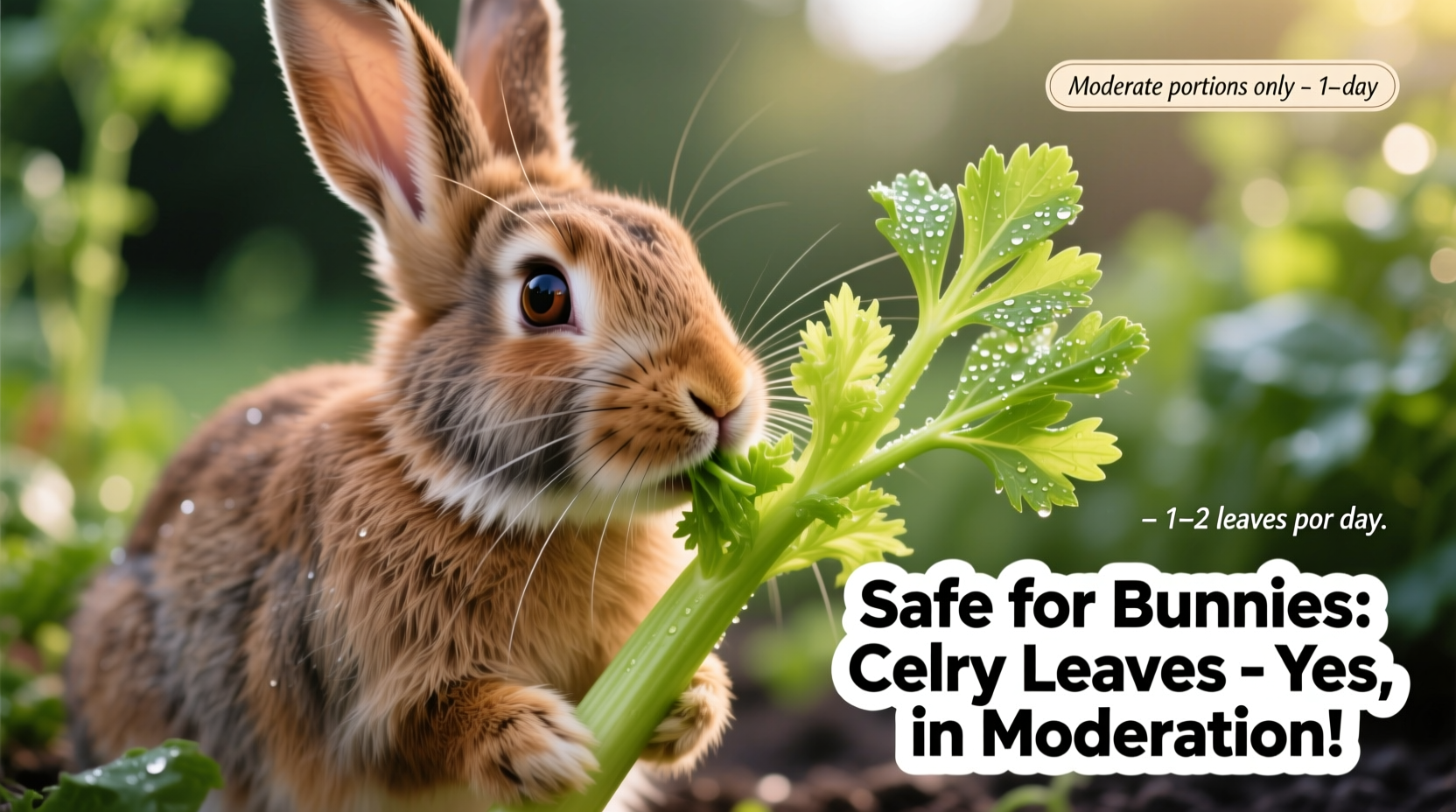
Celery leaves are often discarded by humans, but for rabbits, they can be a nutrient-dense addition to their daily greens. Unlike the tough, stringy stalks that pose choking and digestion issues, the leaves are softer and packed with beneficial compounds.
Per 100 grams, celery leaves contain:
| Nutrient | Amount (Approx.) | Benefit for Rabbits |
|---|---|---|
| Water | 95 g | Promotes hydration, especially in warmer months |
| Dietary Fiber | 1.4 g | Supports healthy gut motility and digestion |
| Vitamin A | 22 mcg | Important for vision, skin, and immune function |
| Vitamin K | 43 mcg | Aids in blood clotting and bone health |
| Vitamin C | 10 mg | Antioxidant support (rabbits produce their own, but it helps under stress) |
| Calcium | 40 mg | Necessary for bones and teeth—but excess can cause urinary issues |
| Potassium | 300 mg | Supports nerve and muscle function |
Compared to the stalk, celery leaves have higher concentrations of vitamins A and K, making them more nutritionally valuable. They also lack the long, indigestible strings found in the stalk, which reduces the risk of gastrointestinal blockages—a serious concern in rabbits.
Serving Size and Feeding Frequency Guidelines
Even healthy foods can become harmful when overfed. Rabbits have sensitive cecums where fiber fermentation occurs, and sudden dietary changes or excessive intake of certain greens can disrupt this balance, leading to gas, bloating, or diarrhea.
For adult rabbits (over 6 months), the recommended daily amount of mixed leafy greens is about 1–2 cups per 5 pounds of body weight. Within this allowance, celery leaves should be considered an occasional treat rather than a staple.
A safe portion size is:
- Small rabbit (2–3 lbs): 1–2 small leaves, 2–3 times per week
- Medium rabbit (5–7 lbs): 3–4 leaves, 2–3 times per week
- Large rabbit (9+ lbs): Up to a handful, no more than three times weekly
Introduce celery leaves gradually. Start with half a leaf and monitor your rabbit for 24 hours. Watch for signs of soft stool, reduced appetite, or lethargy. If digestion remains normal, you can slowly increase the amount over a week or two.
“Leafy greens should vary daily to prevent nutrient imbalances. Rotate between romaine, cilantro, parsley, dill, and celery leaves for optimal health.” — Dr. Hannah Reeves, DVM, Exotic Animal Nutrition Specialist
Risks and Precautions When Feeding Celery Leaves
While celery leaves are generally safe, several risks must be managed to avoid health complications.
1. High Calcium Content
Celery leaves contain moderate levels of calcium. In excess, calcium can lead to urinary sludge or bladder stones, particularly in older rabbits or those prone to urinary issues. Symptoms include frequent urination, straining, blood in urine, or vocalizing during elimination.
To minimize risk:
- Limited frequency: No more than 2–3 times per week
- Monitor water intake: Ensure constant access to fresh water to dilute urine
- Avoid pairing with other high-calcium greens (kale, spinach, mustard greens) on the same day
2. Pesticide Residue
Non-organic celery is among the most heavily sprayed vegetables. The leaves absorb chemicals readily. Always wash thoroughly under running water, or better yet, use organic celery when possible.
3. Overfeeding Leading to GI Distress
Too many greens—even safe ones—can upset the microbial balance in the cecum. Diarrhea or gastrointestinal stasis may follow. Never replace hay with greens, and always maintain a 70% hay-based diet.
4. Confusion With Stalks
Many owners mistakenly feed celery stalks, not realizing they are dangerous due to long, fibrous strings that can cause intestinal obstructions. These strings are indigestible and can tangle in the gut.
Step-by-Step Guide to Introducing Celery Leaves
Introducing any new food requires care. Follow this timeline to safely add celery leaves to your rabbit’s diet:
- Day 1: Wash one small celery leaf thoroughly. Tear into tiny pieces.
- Day 1 (Feeding): Offer half a teaspoon of chopped leaf to a medium-sized rabbit.
- Day 2: Observe droppings, appetite, and behavior. Normal droppings should be round, firm, and uniform.
- Day 3: If no issues arise, offer a full teaspoon.
- Days 4–7: Gradually increase portion size every other day, up to the recommended serving for your rabbit’s weight.
- Week 2 onward: Feed no more than 2–3 times per week, rotating with other safe greens.
If at any point your rabbit develops soft stools or stops eating, discontinue the celery leaves immediately and return to a hay-only diet until normal digestion resumes. Consult a veterinarian if symptoms persist beyond 12 hours.
Safe Greens to Pair With Celery Leaves
Variety is key to preventing nutritional deficiencies and boredom. Pair celery leaves with other rabbit-safe greens to create balanced daily mixes.
Recommended companion greens:
- Romaine lettuce
- Red or green leaf lettuce (not iceberg)
- Cilantro
- Parsley (in moderation due to calcium)
- Dill
- Arugula (limit to 1–2 times per week due to strong flavor)
- Basil
- Endive
- Radicchio
Avoid mixing celery leaves with high-oxalate greens like spinach or beet greens, as these can contribute to kidney stone formation when combined with calcium-rich foods.
Mini Case Study: Luna the Rabbit and Dietary Adjustment
Luna, a 3-year-old dwarf rabbit, was brought to a veterinary clinic with symptoms of reduced appetite and smaller-than-normal fecal pellets. Her owner reported recently switching from commercial greens mix to fresh garden vegetables, including large amounts of celery stalks and leaves daily.
Upon examination, Luna showed mild dehydration and signs of early gastrointestinal stasis. The vet advised discontinuing all celery and reverting to unlimited timothy hay and fresh water for 48 hours. After stabilization, a rotational leafy green plan was introduced, limiting celery leaves to twice weekly and eliminating stalks entirely.
Within a week, Luna’s digestion normalized, and her energy returned. Her owner now uses a checklist to rotate greens and logs new food introductions. This case highlights the importance of moderation and proper food selection—even with seemingly harmless vegetables.
Checklist for Safe Celery Leaf Feeding
Use this checklist each time you prepare celery leaves for your rabbit:
- ✅ Source organic celery when possible
- ✅ Wash leaves thoroughly under running water
- ✅ Use only the leafy parts—avoid stalks or remove strings if used sparingly
- ✅ Chop into small, manageable pieces
- ✅ Limit to 2–3 times per week based on rabbit size
- ✅ Monitor droppings and behavior after feeding
- ✅ Rotate with other low-calcium greens for variety
- ❌ Never feed wilted, moldy, or chemically treated leaves
Frequently Asked Questions
Can baby rabbits eat celery leaves?
No. Baby rabbits (under 6 months) should not be given any vegetables, including celery leaves. Their digestive systems are still developing and rely solely on mother’s milk, then hay and water. Introduce greens slowly starting at 12 weeks, beginning with mild options like romaine or cilantro.
Are cooked celery leaves safe for rabbits?
No. Rabbits should never eat cooked vegetables. Cooking alters the fiber structure and introduces moisture and starch levels that can severely disrupt their cecal fermentation process. Always serve raw, fresh celery leaves.
What if my rabbit eats too many celery leaves?
If your rabbit consumes a large quantity at once, watch closely for signs of digestive upset: bloating, gas, reduced pooping, or loss of appetite. Remove all greens and provide unlimited hay and water. If no droppings occur within 10–12 hours, contact an exotic veterinarian immediately—this could indicate gastrointestinal stasis, a life-threatening condition.
Final Recommendations and Best Practices
Celery leaves, when fed correctly, can be a healthy and enjoyable part of a rabbit’s diet. They offer hydration, essential vitamins, and a change in texture that bunnies often appreciate. However, they are not a substitute for hay, nor should they dominate the vegetable portion of the meal.
Key best practices:
- Prioritize hay: It should make up at least 80% of the diet.
- Limit treats: Fruits and sugary or high-calcium vegetables should be rare.
- Vary greens: Rotate at least 3–5 types daily to ensure balanced nutrition.
- Introduce slowly: Always monitor for digestive tolerance.
- Consult a vet: Especially if your rabbit has a history of urinary or GI issues.
“The goal isn’t just to avoid harm, but to promote thriving. A diverse, fiber-rich, carefully portioned diet allows rabbits to live longer, healthier lives.” — Dr. Alicia Nguyen, Board-Certified Veterinary Nutritionist
Conclusion
Yes, rabbits can eat celery leaves—and they often enjoy them. But safety lies in moderation, preparation, and awareness of your individual rabbit’s needs. By following evidence-based guidelines, avoiding common pitfalls, and prioritizing overall dietary balance, you can confidently include celery leaves as a nutritious component of your bunny’s menu.
Take action today: review your rabbit’s current diet, introduce celery leaves responsibly if not already doing so, and share your experience with fellow rabbit owners. Your attention to detail could make all the difference in your pet’s long-term health and happiness.




 浙公网安备
33010002000092号
浙公网安备
33010002000092号 浙B2-20120091-4
Comments
No comments yet. Why don't you start the discussion?