
For many people, a fan is an essential part of their nightly routine—especially during warmer months. It provides a steady breeze that helps regulate body temperature and promotes more comfortable sleep. However, some individuals wake up with tight, flaky, or irritated skin and wonder if their trusty fan might be to blame. The short answer is yes: sleeping with a fan can contribute to dry skin, though it’s rarely the sole cause. Understanding how and why this happens—and what steps you can take to prevent it—can help you enjoy cooler nights without sacrificing skin health.
How Airflow Affects Skin Hydration
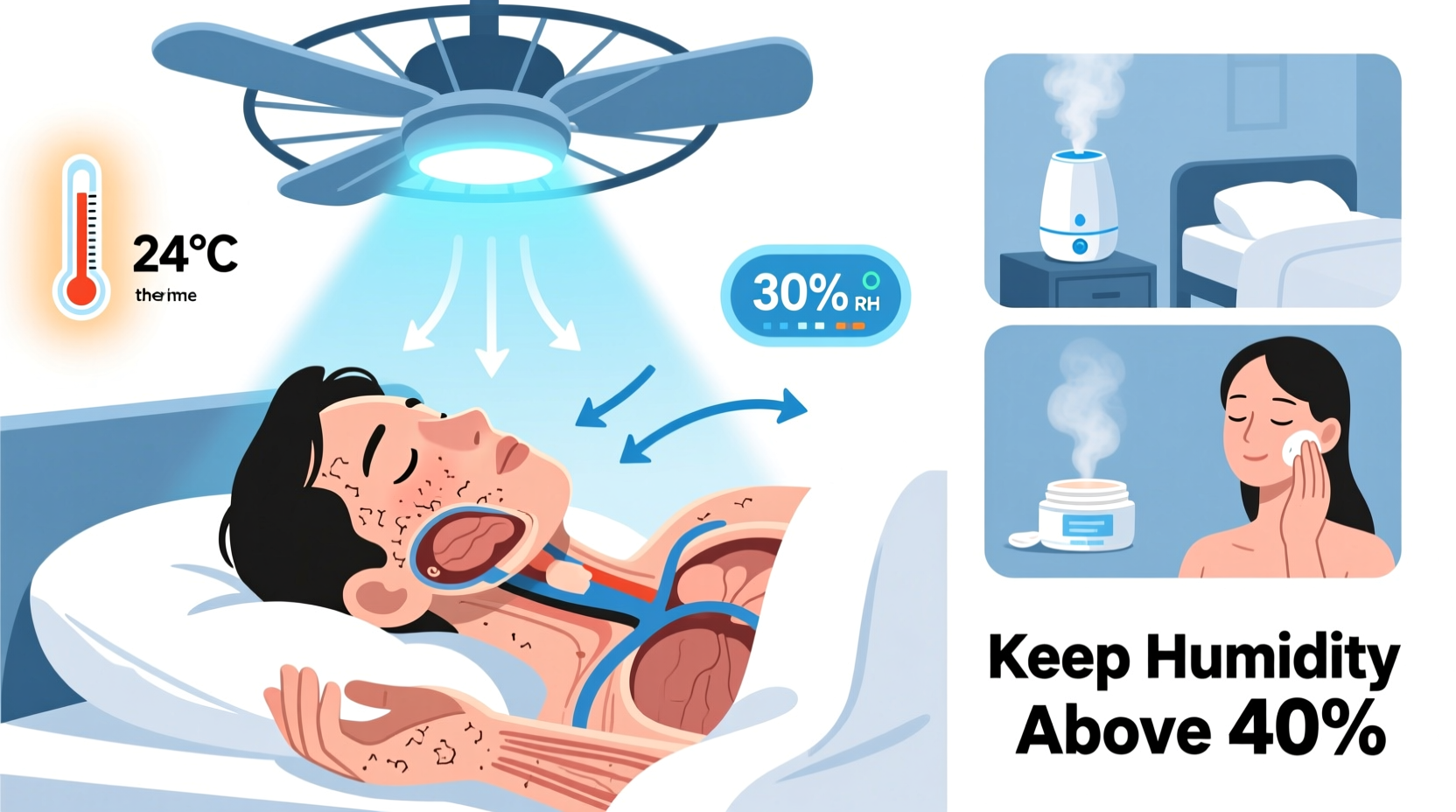
Skin moisture depends on a delicate balance between water content in the epidermis (outer layer) and the integrity of the skin barrier. This barrier, composed of lipids and proteins, prevents excessive water loss—a process known as transepidermal water loss (TEWL). When air moves continuously over the skin, especially dry or warm indoor air, it accelerates evaporation from the skin's surface.
Fans don’t remove moisture directly like a dehumidifier, but they enhance air circulation, which increases the rate at which moisture evaporates from your skin. In low-humidity environments—common in air-conditioned rooms or heated bedrooms during winter—this effect becomes more pronounced. Over time, repeated exposure to constant airflow can compromise the skin’s natural moisture retention, leading to dryness, rough texture, and even mild irritation.
“Continuous airflow from fans can act like a slow-motion windburn, stripping away surface moisture and weakening the skin barrier, particularly in already dry conditions.” — Dr. Lena Torres, Board-Certified Dermatologist
Signs Your Fan Might Be Drying Out Your Skin
Not everyone will experience dry skin from using a fan, but certain symptoms may indicate a connection:
- Tight or taut feeling upon waking, especially on the face and arms
- Flaking or peeling skin, particularly around cheeks, forehead, or elbows
- Increased sensitivity or redness after sleeping
- Worsening of pre-existing conditions like eczema or rosacea
- Cracked lips or dry nasal passages
If these issues appear seasonally or coincide with increased fan use, environmental factors are likely playing a role. Other contributors—such as central heating, low room humidity, or harsh skincare products—can amplify the drying effects.
Environmental Factors That Worsen Fan-Induced Dryness
A fan alone isn’t inherently harmful, but when combined with other drying elements, it can become problematic. Consider these common co-factors:
Low Indoor Humidity
Indoor humidity levels below 30% significantly increase the risk of dry skin. Air conditioners and heating systems reduce ambient moisture, creating an environment where fans accelerate dehydration. Using a hygrometer to monitor bedroom humidity can help identify if levels are too low.
Extended Fan Exposure
Blowing air directly on your face or body for 6–8 hours overnight creates sustained evaporation. Unlike brief exposure (e.g., sitting near a fan during the day), prolonged contact doesn't allow the skin time to recover.
Skincare Routine Gaps
Using harsh cleansers before bed or skipping moisturizer removes the protective layer that could buffer against environmental stressors. Without proper hydration, the skin is more vulnerable to external drying forces.
Dehydration and Diet
Inadequate water intake affects skin elasticity and moisture from within. Even with optimal external care, internal hydration plays a crucial role in maintaining supple skin.
Effective Strategies to Prevent Dry Skin While Using a Fan
You don’t need to give up your fan to protect your skin. With a few adjustments, you can maintain comfort and hydration simultaneously. Below are actionable methods backed by dermatological insight.
1. Redirect the Fan’s Airflow
Instead of pointing the fan directly at your face or body, aim it toward a wall or ceiling. This creates indirect airflow and air mixing without continuous blast exposure. Ceiling fans set to rotate counterclockwise (in summer) effectively circulate air without direct contact.
2. Use a Humidifier Alongside the Fan
Adding moisture to the air counteracts the drying effects of both air conditioning and fans. A cool-mist humidifier running at night maintains indoor humidity between 40–60%, which is ideal for skin health. Place it near your bed but not so close that it wets surfaces.
3. Apply a Rich Night Moisturizer
Before bed, apply a thicker, occlusive moisturizer containing ingredients like ceramides, hyaluronic acid, shea butter, or squalane. These components reinforce the skin barrier and trap moisture. For very dry skin, consider a facial oil or petrolatum-based product on trouble spots.
4. Hydrate Internally Before Bed
Drink a glass of water an hour before sleeping to support cellular hydration. Avoid alcohol and caffeine in the evening, as they promote fluid loss and impair sleep quality, indirectly affecting skin recovery.
5. Clean and Maintain Your Fan
Dust and allergens accumulate on fan blades and grills. When the fan runs, these particles disperse into the air and may irritate sensitive skin. Wipe down your fan weekly and clean filters monthly to reduce airborne irritants.
“Think of your nighttime skincare as armor. A good moisturizer builds resilience against environmental challenges—even something as simple as a breeze.” — Dr. Rajiv Mehta, Clinical Dermatologist
Step-by-Step Guide: Optimize Your Bedroom for Cool, Hydrated Sleep
Follow this nightly routine to enjoy fan-cooled comfort without dry skin:
- Evening (1 hour before bed): Drink water and avoid dehydrating beverages.
- Pre-bed Skincare: Wash face with a gentle, non-foaming cleanser. Pat dry—do not rub.
- Apply Treatment Products: Use serums with hyaluronic acid or niacinamide if needed.
- Lock in Moisture: Apply a thick moisturizer or overnight balm, focusing on dry areas.
- Adjust Fan Settings: Position fan to circulate air indirectly. Use oscillation mode.
- Turn On Humidifier: Set to maintain 40–50% humidity. Refill water tank as needed.
- Optional: Wear lightweight cotton gloves or a sleep mask if hands or face are prone to dryness.
Do’s and Don’ts: Managing Fan Use and Skin Health
| Do’s | Don’ts |
|---|---|
| Use a humidifier in dry or air-conditioned rooms | Point the fan directly at your face all night |
| Apply a barrier-repair moisturizer before bed | Use alcohol-based toners or exfoliants right before sleep |
| Clean your fan regularly to reduce dust | Run fans in extremely dusty or polluted environments without cleaning |
| Stay hydrated throughout the day | Skip moisturizer because you’re “too hot” to apply cream |
| Monitor room humidity with a hygrometer | Assume all dry skin is due to the fan—check other causes |
Mini Case Study: Sarah’s Summer Skin Struggles
Sarah, a 34-year-old teacher from Phoenix, Arizona, began experiencing persistent facial dryness every summer. Despite drinking plenty of water and using her usual skincare, her cheeks would feel tight and flaky each morning. She attributed it to the heat until she noticed the issue disappeared during hotel stays—where ceiling fans were used instead of personal desk fans.
After consulting a dermatologist, she realized her bedside fan was blowing directly onto her face all night, compounding the drying effects of her home AC. By redirecting the fan toward the wall, adding a small humidifier, and switching to a ceramide-rich night cream, her symptoms resolved within two weeks. Her case highlights how environmental synergy—not a single factor—often drives skin concerns.
FAQ
Can sleeping with a fan cause acne or breakouts?
Not directly. Fans don’t cause acne, but if they circulate dust or blow debris onto your skin, they may clog pores in acne-prone individuals. Keeping your fan clean and avoiding direct airflow on the face reduces this risk.
Is it safe to use a fan if I have eczema?
Yes, but with precautions. People with eczema have a compromised skin barrier and are more susceptible to dryness. Use a humidifier, apply prescription or emollient creams before bed, and avoid direct fan exposure to minimize irritation.
Does the type of fan matter for skin health?
Indirectly. Tower fans and ceiling fans typically provide broader, less concentrated airflow than desk or pedestal fans. Oscillating models distribute air more evenly, reducing localized drying. Quiet operation also supports uninterrupted sleep, which aids skin repair.
Conclusion: Stay Cool Without Compromising Your Skin
Sleeping with a fan doesn’t have to come at the cost of healthy, hydrated skin. By understanding how airflow impacts moisture loss and taking proactive steps—like adjusting fan direction, using a humidifier, and reinforcing your skin barrier—you can maintain comfort and dermatological wellness simultaneously. Small changes in your bedtime environment and routine can yield significant improvements in how your skin feels and functions.




 浙公网安备
33010002000092号
浙公网安备
33010002000092号 浙B2-20120091-4
Comments
No comments yet. Why don't you start the discussion?