
At first glance, the idea of voluntarily sitting through a film about loss, heartbreak, or tragedy seems counterintuitive when you're already feeling low. Why would anyone choose to cry on purpose? Yet millions do—regularly. From tearjerkers like *The Notebook* and *Marley & Me* to emotionally devastating dramas such as *Manchester by the Sea*, audiences return again and again to stories that make them weep. Surprisingly, research suggests that engaging with sadness in a controlled environment—like a movie—can lead to measurable improvements in mood, emotional resilience, and even social connection.
The paradox lies in understanding how negative emotions, when experienced safely and intentionally, can serve a positive psychological function. This article explores the science, psychology, and real-world benefits behind why watching sad movies may not just be tolerable—but beneficial—for your mental well-being.
The Emotional Release Theory: Catharsis Through Fiction
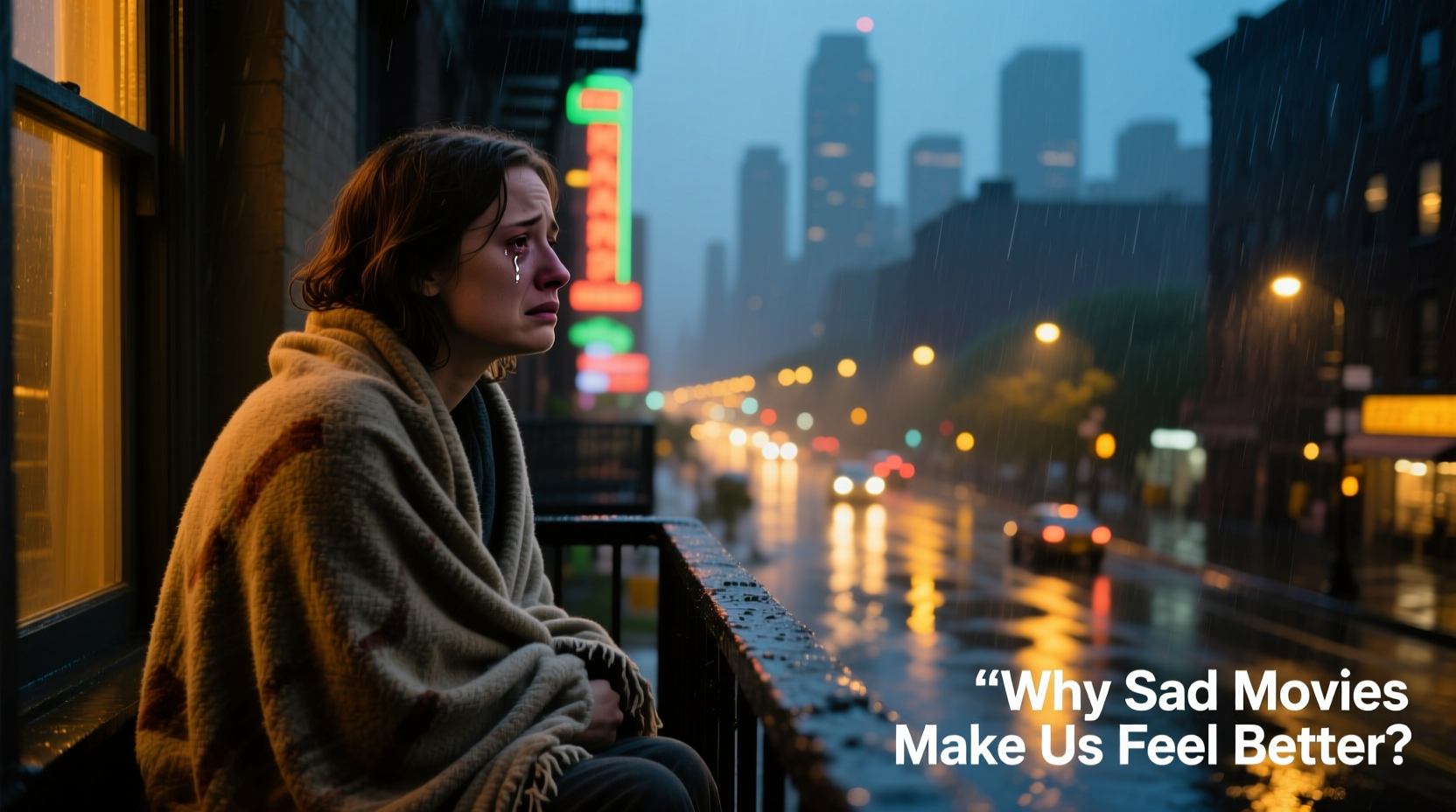
Catharsis, a term rooted in ancient Greek drama, refers to the purging or release of strong emotions—particularly pity and fear—through art. Aristotle believed that tragedy allowed audiences to process difficult feelings in a safe space, ultimately leaving them emotionally cleansed. Modern psychology has revisited this concept, especially in the context of media consumption.
When viewers watch a sad movie, they experience genuine emotional responses: tears, tightness in the chest, grief. But because these emotions are tied to fictional characters and not personal events, the brain processes them differently. The prefrontal cortex remains active, reminding us that “this isn’t real.” This creates a unique psychological container—an emotional workout without real-world consequences.
A 2015 study published in *Science* found that people who watched a sad film reported greater life satisfaction immediately afterward than those who watched a neutral or happy one. Researchers attributed this to increased appreciation for their own relationships and a sense of meaning derived from shared human suffering.
“We often avoid sadness in daily life, but when it's framed within a narrative, it becomes meaningful. That meaning is what lifts our mood.” — Dr. Matthew Feinberg, Social Psychologist, University of Toronto
Why Sad Movies Make Us Feel Better: Four Key Mechanisms
The mood-enhancing effects of sad films aren’t random. They stem from specific cognitive and emotional processes:
1. Empathy Activation
Sad movies often center on deep human experiences—love, loss, sacrifice. As viewers, we project ourselves into the characters’ lives, activating neural pathways associated with empathy. Brain imaging studies show that regions involved in emotional processing (like the insula and anterior cingulate cortex) light up during poignant scenes.
This empathetic engagement fosters emotional intelligence and strengthens our ability to understand others' pain—a skill that translates into improved real-life relationships.
2. Gratitude Amplification
Witnessing fictional hardship often triggers reflection on one’s own life. After watching a character lose a loved one, viewers may call their parents, hug their partner, or appreciate small joys they previously took for granted. This contrast effect enhances gratitude, a well-documented contributor to long-term happiness.
3. Oxytocin Release
Movies that evoke strong emotional responses trigger the release of oxytocin—the so-called \"bonding hormone.\" This neurochemical promotes trust, compassion, and social connection. In one experiment, participants who cried during a film were more likely to donate money to charity afterward, suggesting that sadness can increase prosocial behavior.
4. Mood Regulation Practice
Experiencing sadness in a controlled setting acts as emotional training. Just as physical exercise strengthens muscles, emotional exposure builds resilience. People who regularly engage with complex emotions in art develop better emotional regulation skills, making them less reactive to real-life stressors.
Who Benefits Most from Sad Films?
Not everyone responds to sad movies in the same way. Personality traits, current emotional state, and viewing context all influence whether a film will uplift or drain you.
| Viewer Type | Likely Benefit | Best Viewing Conditions |
|---|---|---|
| High in empathy | Strong emotional resonance; increased connection | With a trusted friend or partner |
| Emotionally resilient | Greater post-film mood boost | After a stable day; not during crisis |
| Currently grieving | Risk of retraumatization | Avoid unless seeking therapeutic processing |
| Lonely or isolated | Feeling of shared humanity; reduced loneliness | With reflective journaling afterward |
For individuals experiencing acute depression or trauma, sad films may intensify distress rather than alleviate it. However, for those in a relatively stable emotional state, especially those feeling emotionally numb or disconnected, a well-crafted tragedy can reignite sensitivity and provide a sense of emotional clarity.
Mini Case Study: How a Weekly Movie Ritual Transformed One Woman’s Outlook
Sarah, a 34-year-old graphic designer from Portland, noticed she’d become emotionally detached after months of remote work during the pandemic. She felt flat, disconnected from friends, and indifferent to things she once enjoyed. On a therapist’s suggestion, she began a weekly ritual: every Sunday night, she’d watch a critically acclaimed drama—often sad—with no distractions.
She started with *Eternal Sunshine of the Spotless Mind*, then moved to *Atonement*, *Moonlight*, and *My Life as a Zucchini*. At first, she resisted the sadness, pausing to wipe tears. But over time, something shifted. After each film, she felt lighter. She began texting old friends, writing letters to her younger self, and even joined a local book club focused on emotional storytelling.
“I realized I wasn’t avoiding sadness,” she said. “I was avoiding feeling anything. The movies gave me permission to cry, and once I started, other emotions came back too—joy, hope, love.”
Sarah’s experience aligns with clinical observations: structured emotional engagement can help recalibrate an under-stimulated emotional system.
How to Use Sad Movies Therapeutically: A Step-by-Step Guide
To harness the mood-boosting potential of sad films, follow this intentional approach:
- Assess your current state. Are you overwhelmed or emotionally numb? If you’re in crisis, postpone sad films. If you feel stuck or detached, proceed.
- Choose a high-quality, meaningful film. Avoid melodramatic or exploitative content. Opt for stories with emotional depth, such as *Grave of the Fireflies*, *The Father*, or *Nomadland*.
- Create a safe viewing environment. Turn off notifications, dim lights, and allow uninterrupted time. Consider watching with someone you trust.
- Engage fully—don’t suppress tears. Let yourself feel. Crying is a natural release mechanism linked to stress reduction.
- Reflect afterward. Journal about what moved you. Ask: What does this say about my values? Who in my life matters most?
- Take action. Call someone you love, write a note of appreciation, or volunteer. Channel the empathy you felt into real-world connection.
Common Misconceptions About Sad Media
- Myth: Watching sad things makes you depressed.
Truth: In controlled doses, fictional sadness can enhance mood through catharsis and contrast. - Myth: Only sensitive people enjoy sad films.
Truth: Appreciation for emotional depth is a sign of maturity, not weakness. - Myth: Happiness means avoiding sadness.
Truth: True emotional health includes the capacity to feel—and move through—all emotions.
Frequently Asked Questions
Can watching sad movies actually reduce anxiety?
Yes, for some people. Engaging with fictional sorrow can provide perspective, reducing the intensity of personal worries. The emotional release from crying also lowers cortisol levels, which may ease anxiety temporarily. However, if anxiety is severe, consult a professional before using media as therapy.
How often should I watch sad movies for emotional benefit?
There’s no universal rule, but once a week or every few weeks is common among those who use them intentionally. Overconsumption can lead to emotional fatigue. Listen to your body—if you feel drained instead of refreshed, take a break.
Are there any types of sad movies to avoid?
Avoid films that depict trauma similar to your own unresolved experiences (e.g., losing a child if you’ve experienced infant loss). Also, steer clear of gratuitously violent or nihilistic content that offers no redemptive arc. Focus on stories with emotional authenticity and human connection.
Checklist: Using Sad Films to Improve Your Mood
- ☐ Assess emotional readiness before watching
- ☐ Select a film known for emotional depth, not manipulation
- ☐ Watch in a quiet, distraction-free space
- ☐ Allow yourself to cry or feel deeply
- ☐ Reflect on personal connections or values afterward
- ☐ Take a positive action (call a friend, express gratitude)
- ☐ Notice changes in mood or outlook over time
The Bigger Picture: Embracing Emotional Complexity
In a culture that often prioritizes constant positivity, we risk pathologizing normal human emotions. Sadness is not the enemy of happiness—it’s part of its foundation. By avoiding sadness, we dull our capacity for joy, love, and meaning.
Sad movies offer a rare opportunity to explore grief, longing, and vulnerability without real danger. They remind us that pain is universal, that we are not alone in our struggles, and that beauty often emerges from brokenness. When we let ourselves feel deeply—even painfully—we expand our emotional range and deepen our appreciation for life’s fleeting moments of grace.
“Art disturbs the comfortable and comforts the disturbed. A good sad movie doesn’t depress you—it connects you.” — Dr. Lisa Firestone, Clinical Psychologist and Author
Conclusion
Watching sad movies isn't about wallowing in misery—it's about reconnecting with what makes us human. The tears shed during a powerful film are not signs of weakness, but evidence of empathy, reflection, and emotional aliveness. Far from dragging your mood down, these experiences can elevate it by fostering gratitude, strengthening relationships, and restoring emotional balance.
If you've been avoiding sadness, consider giving yourself permission to feel. Choose a meaningful film, create space for it, and let the story move you. Then, carry that emotional awareness into your life. Call someone you love. Write down what matters. Reconnect with your values.




 浙公网安备
33010002000092号
浙公网安备
33010002000092号 浙B2-20120091-4
Comments
No comments yet. Why don't you start the discussion?