
It’s common to wear form-fitting clothing for style, comfort, or social occasions. From snug jeans and shapewear to compression garments and belts, many people regularly wear tight clothing around the waist and abdomen. While these items may enhance appearance or provide support, they can also interfere with one of the body’s most essential functions: digestion. The pressure exerted by tight clothing on the abdominal area can disrupt normal digestive processes, leading to discomfort and even long-term issues if ignored. Understanding how and why this happens—and recognizing early warning signs—can help you make informed choices about your wardrobe and digestive well-being.
How Tight Clothing Affects Digestive Function
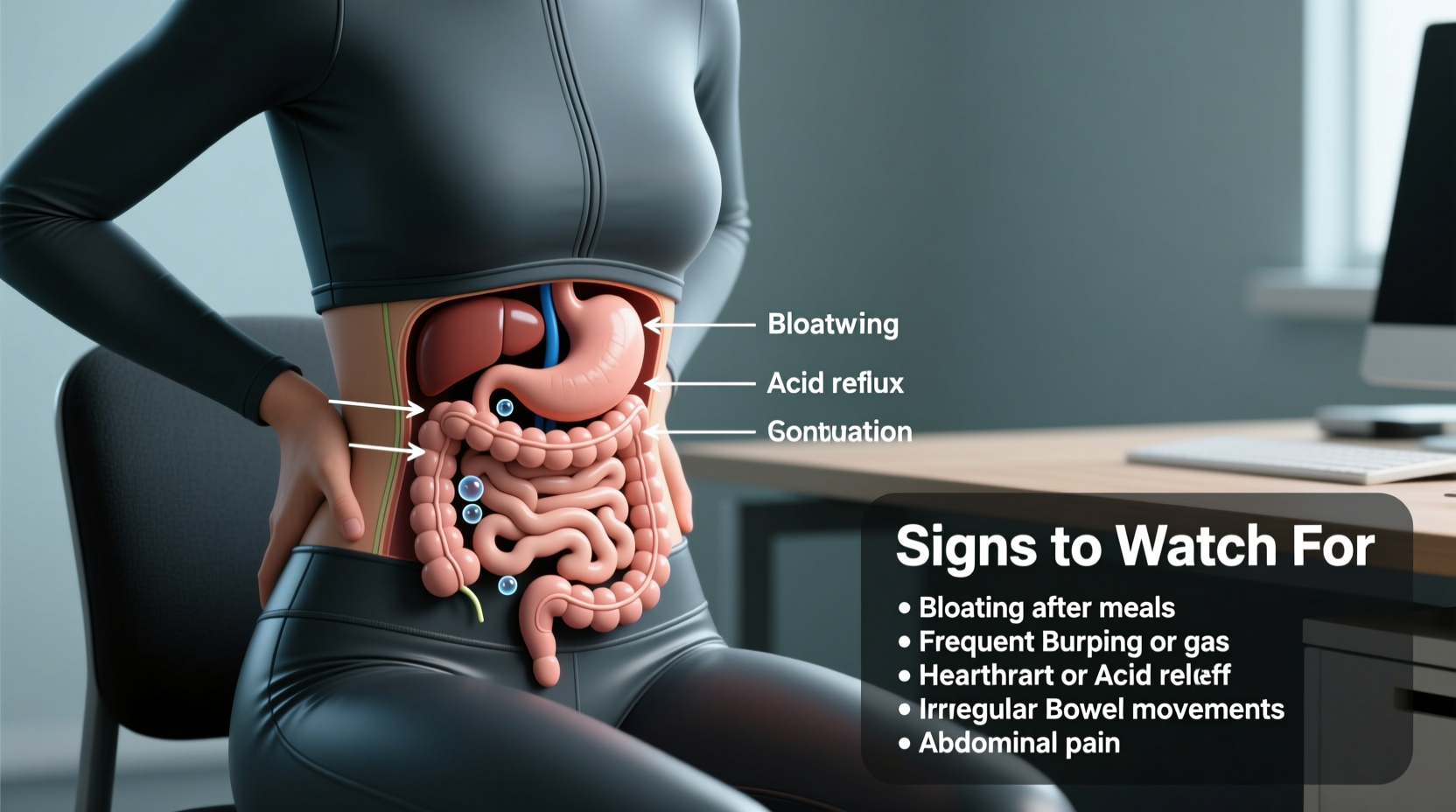
The digestive system operates through a coordinated series of muscular contractions known as peristalsis. These movements push food from the esophagus through the stomach, small intestine, and colon. When external pressure is applied to the abdominal cavity—such as from tight pants, corsets, or high-waisted shapewear—it can compress internal organs, including the stomach, intestines, and diaphragm. This physical restriction may slow down or alter the natural flow of digestion.
Dr. Lena Patel, a gastroenterologist at Boston Digestive Health Institute, explains: “The abdomen isn’t designed to be compressed for extended periods. When you wear tight clothing, especially after meals, you’re essentially putting a kink in the digestive hose. It’s like trying to drink a thick shake through a bent straw.”
Compression can increase intra-abdominal pressure, which may contribute to gastroesophageal reflux disease (GERD) by forcing stomach acid back up into the esophagus. It can also impair gastric emptying—the rate at which food leaves the stomach—leading to bloating, nausea, and early satiety.
“Chronic use of tight-fitting garments has been linked to increased reports of heartburn, indigestion, and bowel irregularities, particularly in individuals who already have sensitive gastrointestinal tracts.” — Dr. Lena Patel, Gastroenterologist
Common Signs That Tight Clothes Are Affecting Your Digestion
Not everyone will experience noticeable symptoms, but certain red flags suggest that your clothing might be interfering with digestion. Pay attention to how your body responds during and after wearing tight garments, especially post-meal. Key signs include:
- Heartburn or acid reflux: Pressure on the stomach can push gastric contents upward, causing a burning sensation in the chest.
- Bloating and distension: Restricted space prevents the stomach and intestines from expanding naturally during digestion.
- Feeling full too quickly: Compression reduces stomach capacity, making even small meals feel overwhelming.
- Abdominal pain or cramping: Discomfort localized around the midsection, often worsening when sitting or bending over.
- Nausea after eating: Delayed gastric emptying due to external pressure can trigger queasiness.
- Difficulty breathing deeply: If your diaphragm is restricted, shallow breathing may occur, indirectly affecting digestion through reduced oxygenation and stress response.
- Constipation or irregular bowel movements: Altered intestinal motility caused by sustained abdominal pressure.
Who Is Most at Risk?
While anyone can experience digestive disruption from tight clothing, some individuals are more vulnerable due to anatomy, lifestyle, or pre-existing conditions.
| Group | Risk Factors | Common Symptoms Observed |
|---|---|---|
| Pregnant individuals | Natural abdominal expansion; added pressure worsens reflux and bloating | Severe heartburn, early fullness, constipation |
| People with IBS or functional GI disorders | Hypersensitive gut nerves react strongly to mechanical pressure | Increased cramping, gas, altered bowel habits |
| Frequent wearers of shapewear or corsets | Sustained compression alters organ positioning over time | Chronic bloating, reflux, reduced appetite |
| Office workers in restrictive attire | Sitting for long periods + tight waistbands = compounded pressure | Post-lunch discomfort, sluggish digestion |
| Individuals recovering from abdominal surgery | Tissues and nerves are healing; external pressure causes pain and dysfunction | Nausea, delayed digestion, incision site strain |
Real-Life Example: Office Worker Struggles with Afternoon Bloat
Sarah, a 32-year-old marketing executive, wore high-waisted, size-too-small work pants five days a week. She frequently ate lunch at her desk and noticed she’d feel extremely bloated, gassy, and nauseous by mid-afternoon. Over-the-counter antacids provided minimal relief. After consulting a dietitian, Sarah eliminated common dietary triggers but still experienced symptoms. Only when she switched to stretch-waisted trousers and stopped wearing a cinched belt did her afternoon discomfort disappear. Her case highlights how non-dietary factors—like clothing—can mimic food intolerances and delay proper diagnosis.
Do’s and Don’ts: Managing Clothing-Related Digestive Stress
Making mindful clothing choices doesn’t mean sacrificing style. With a few adjustments, you can support both your appearance and digestive health.
| Do’s | Don’ts |
|---|---|
| Choose clothes with soft elastic or adjustable waistbands | Avoid garments that leave deep marks on the skin |
| Opt for breathable, flexible fabrics like cotton blends or knits | Don’t wear tight clothing immediately after meals |
| Use shapewear only occasionally and for short durations | Don’t sleep in compression garments |
| Change into looser clothing once home or after work | Don’t ignore persistent digestive symptoms thinking they’re “normal” |
| Listen to your body—discomfort is a signal, not a fashion challenge | Don’t prioritize aesthetics over function, especially daily |
Step-by-Step Guide to Reducing Digestive Impact from Clothing
If you suspect your clothes are affecting your digestion, follow this practical timeline to identify and resolve the issue:
- Day 1–3: Track Symptoms
Keep a journal noting what you wear, when, and any digestive symptoms. Include meal times, posture, and activity level. - Day 4–5: Eliminate Tight Garments Temporarily
Switch to loose, comfortable clothing for two days. Observe changes in bloating, reflux, or bowel regularity. - Day 6: Reintroduce One Item
Wear one previously worn tight garment for a few hours. Note whether symptoms return. Repeat with other items if needed. - Day 7: Make Adjustments
Based on findings, modify your wardrobe. Replace problematic pieces with better-fitting alternatives. - Ongoing: Practice Body Awareness
Check in with yourself after dressing. Ask: “Do I feel constricted? Can I take a deep breath comfortably?”
When to Seek Medical Advice
Occasional discomfort from tight clothing is usually harmless and resolves quickly. However, persistent or severe symptoms should not be dismissed as merely fashion-related. Chronic compression can exacerbate underlying conditions such as hiatal hernia, irritable bowel syndrome (IBS), or gastroparesis.
Consult a healthcare provider if you experience:
- Regular heartburn occurring more than twice a week
- Pain that interferes with daily activities
- Unexplained weight loss or appetite changes
- Vomiting, especially after mild meals
- Changes in bowel habits lasting over two weeks
Your doctor may recommend imaging, endoscopy, or motility studies to rule out structural or functional disorders. In some cases, lifestyle modifications—including clothing choices—are integrated into treatment plans.
Frequently Asked Questions
Can tight underwear affect digestion too?
Yes. High-cut briefs, control-top pantyhose, or thongs with tight bands can apply pressure to the lower abdomen, potentially affecting the ascending and transverse colon. This may contribute to bloating or constipation in sensitive individuals.
Is there a safe amount of time to wear shapewear?
Most experts recommend limiting continuous wear to 4–6 hours. Avoid wearing shapewear during or after meals, while exercising intensely, or when sleeping. Give your body breaks throughout the day to restore normal circulation and digestion.
Does going shirtless or wearing loose clothes improve digestion?
While not necessary for everyone, allowing the abdominal area to remain uncompressed—especially after eating—can support optimal digestive function. Many cultures traditionally eat and rest in relaxed clothing, which may contribute to better gut comfort.
Conclusion: Listen to Your Body, Not Just Trends
Digestion is a complex process influenced by more than just food. What you wear plays a surprisingly significant role in how comfortably and efficiently your body processes meals. Recognizing that tight clothing can impair digestion empowers you to make healthier choices without abandoning style entirely. Opt for flexibility, fit, and function—your gut will thank you.
Small changes, like swapping restrictive jeans for adaptive waistbands or changing clothes after work, can lead to noticeable improvements in comfort and digestive health. Prioritizing wellness over tight fits isn’t a compromise—it’s an act of self-respect.




 浙公网安备
33010002000092号
浙公网安备
33010002000092号 浙B2-20120091-4
Comments
No comments yet. Why don't you start the discussion?