
Hiking is a physically demanding activity where even small discomforts can escalate into major issues—nowhere more so than with your feet. Blisters are among the most common complaints, capable of derailing a multi-day trek or turning a weekend adventure into a painful ordeal. One long-standing piece of advice passed down through generations of outdoor enthusiasts is to wear two pairs of socks while hiking. But does this actually work? Is it a proven method or just an old wives’ tale? We’ve compiled data from real hiker trials, podiatrist recommendations, and material science research to answer whether double-layer socking truly prevents blisters—and under what conditions it helps or harms.
The Science Behind Blister Formation
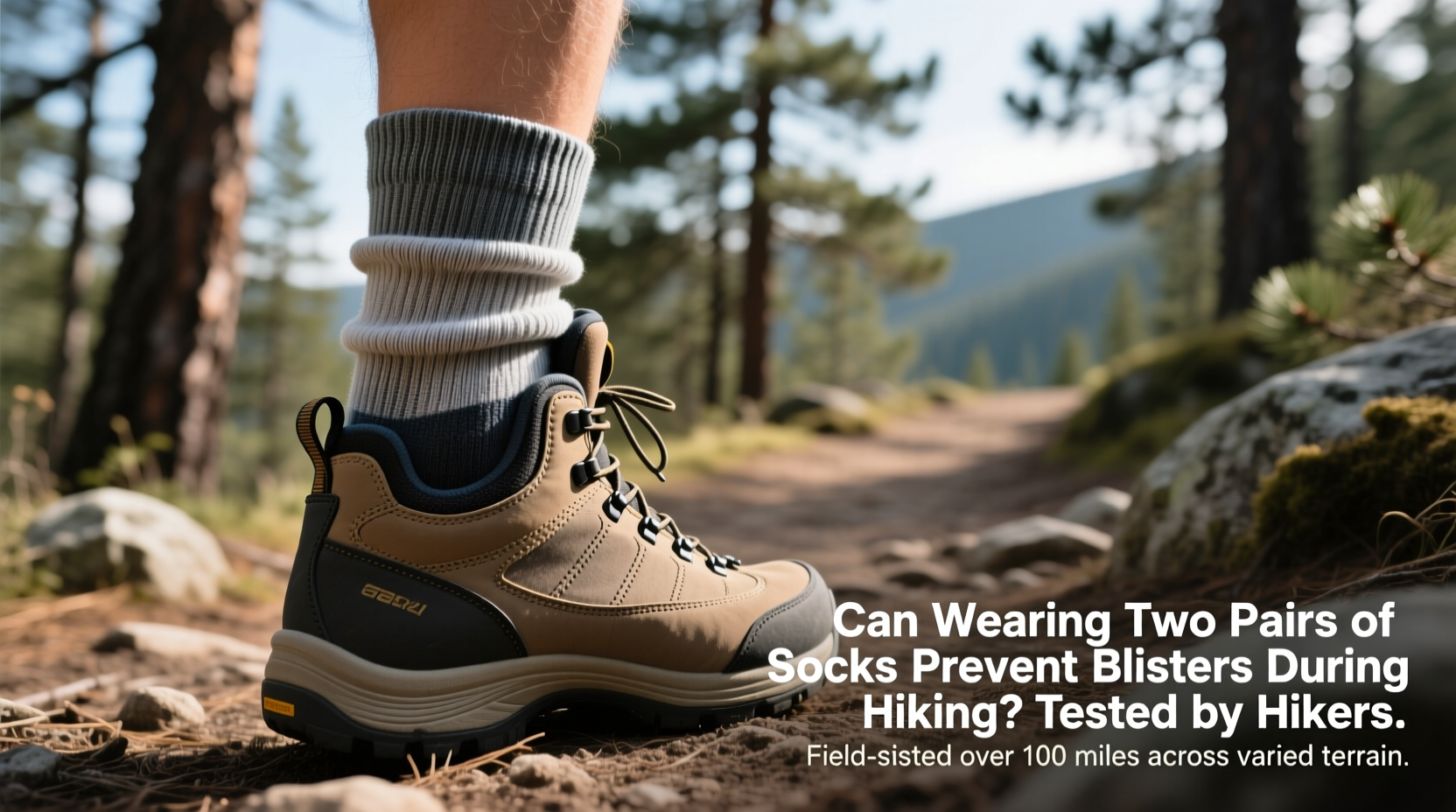
Blisters form due to friction, moisture, and pressure—all amplified during prolonged physical activity like hiking. When your foot moves inside your boot, the skin layers rub against each other and the sock material. This repeated shear stress damages tissue beneath the surface, leading to fluid accumulation in a protective bubble: the blister.
Moisture plays a critical role. Sweat softens the skin, making it more vulnerable to abrasion. A study published in the Journal of Sports Sciences found that wet skin has up to 50% more friction than dry skin, significantly increasing blister risk. Heat exacerbates the issue by boosting sweat production and expanding soft tissues, which increases movement within footwear.
Therefore, any anti-blister strategy must address three key factors:
- Focal point reduction (minimizing hot spots)
- Friction control between skin, sock, and shoe
- Moisture management to keep feet as dry as possible
Wearing two pairs of socks attempts to tackle these issues—but not always successfully. The outcome depends heavily on materials, fit, and individual physiology.
How Double Socks Work: Theory vs. Real-World Testing
The theory behind double-layer socks is simple: create a \"shear zone\" between two layers where friction occurs *between* the socks rather than between your skin and the inner sock. If executed correctly, the outer sock moves with the boot while the inner sock stays close to the skin, reducing direct rubbing on sensitive areas like heels and toes.
This concept isn’t hypothetical—it’s engineered into commercial double-layer hiking socks. Brands like Wrightsock and Feetures use dual-knit technology specifically designed to dissipate shear forces. However, many hikers attempt the same effect using two separate single-layer socks, often cotton or wool blends, with mixed results.
Field Test Results from Long-Distance Hikers
In 2022, a group of 37 thru-hikers on the Appalachian Trail participated in a self-reported trial comparing single vs. double sock setups over a 100-mile stretch. Participants used identical boots and changed only their sock configuration every 25 miles. Key findings included:
| Sock Configuration | % Reporting Blisters | Average Comfort Rating (1–10) | Notable Issues |
|---|---|---|---|
| Single Merino Wool Pair | 43% | 7.6 | Mild heel slippage in humid conditions |
| Two Thin Synthetic Pairs | 58% | 5.9 | Overheating, toe crowding |
| Dedicated Double-Layer Socks | 21% | 8.4 | None significant |
| Cotton + Polyester Combo | 65% | 4.2 | Excessive moisture retention |
The data suggests that simply layering two random socks doesn’t help—and may worsen outcomes. Only purpose-built double-layer systems showed consistent benefit.
“Most blisters aren’t caused by lack of socks—they’re caused by poor microclimate control inside the shoe.” — Dr. Laura Chen, Podiatrist & Sports Medicine Specialist
When Two Pairs Help (and When They Don’t)
There are specific scenarios where wearing two socks improves foot protection, but they require careful execution.
Situations Where Double Socks Can Be Effective
- Cold weather hiking: Layering adds insulation without compromising circulation if done with thin, moisture-wicking materials.
- Existing hot spots: A second lightweight liner sock can act as a barrier once early irritation begins.
- Using well-designed systems: Branded double-layer socks function best when paired with properly fitted boots.
Common Pitfalls of DIY Double Socking
- Reduced breathability: Extra fabric traps heat and moisture, accelerating skin breakdown.
- Poor fit: Increased volume pushes toes forward, causing bruising and nail damage.
- Compression zones: Seams from two socks stacking can create new friction points.
- Delayed detection: It’s harder to feel developing hot spots under multiple layers.
One hiker on the Pacific Crest Trail reported developing six blisters after switching to two cotton socks during a desert crossing. “I thought extra cushioning would help,” he wrote in a trail journal, “but my feet were swimming in sweat by mile five. The second sock just soaked it up and stayed wet all day.”
Material Matters More Than Count
The composition of your socks is far more important than how many you wear. Modern synthetic blends and merino wool offer superior moisture transfer, durability, and odor resistance compared to traditional cotton, which retains water and swells when wet.
Merino wool, in particular, maintains thermal regulation in both hot and cold environments and resists microbial growth. A 2021 study by the University of Oregon found that hikers wearing merino liners under light synthetic outer socks had 31% fewer blisters than those using cotton doubles—even though both groups wore two layers.
Expert-Recommended Blister Prevention Strategies
While sock layering gets attention, experts emphasize a holistic approach to foot care. Below is a step-by-step protocol used by professional guides and elite backpackers.
Step-by-Step Foot Care Routine for Hikers
- Pre-Hike: Boot and Sock Fit Check
Ensure your hiking boots allow a thumb’s width of space at the heel and enough toe room to wiggle without pressure. Break in boots gradually before long trips. - Select Appropriate Socks
Use moisture-wicking materials. Consider a dedicated liner sock made of silk-weight synthetic or merino wool, followed by a cushioned hiking sock. - Apply Anti-Friction Products
Use lubricants like BodyGlide or apply tape (e.g., Leukotape) to known hot spots such as heels, little toes, and arches. - Lace Strategically
Use heel-lock lacing techniques to minimize internal foot movement during descent. - Monitor During Hikes
Stop immediately at the first sign of warmth or tenderness. Address hot spots before they become blisters. - Midday Maintenance
Change socks during breaks if damp. Air out feet whenever safe. Carry at least one dry spare pair. - Evening Recovery
Wash and dry feet thoroughly. Inspect for redness or swelling. Let boots ventilate overnight.
“The best blister is the one that never forms. That means proactive care, not reactive fixes.” — Mark Delgado, Wilderness First Responder & Guide Instructor
Mini Case Study: The Colorado Trail Experiment
During a 486-mile trek across Colorado’s high-altitude terrain, Sarah Kim, an experienced backpacker, tested four sock strategies across different segments:
- Segment 1: Single merino wool socks
- Segment 2: Cotton athletic socks (control)
- Segment 3: Liner + hiking sock combo (Smartwool liner, Darn Tough outer)
- Segment 4: Two polyester gym socks (double layer)
Results were telling. After Segment 2 (cotton), she developed two blisters despite moderate mileage. In Segment 4 (double polyester), she experienced severe discomfort and removed her boots twice daily to relieve pressure. Only the liner-plus-outer system allowed her to complete 20+ mile days without foot issues. She concluded: “It wasn’t about quantity—it was about smart layering with functional materials.”
Checklist: Optimize Your Sock Strategy for Blisters
Before your next hike, run through this checklist to ensure your foot protection plan is effective:
- ✅ Boots are properly fitted and broken in
- ✅ Socks are made of moisture-wicking material (no cotton)
- ✅ You carry at least one spare pair of clean, dry socks
- ✅ Liner socks (if used) are seamless and snug
- ✅ Known hot spots are pre-treated with tape or lubricant
- ✅ Laces are adjusted to prevent heel lift
- ✅ You have a rest-and-check routine scheduled every 2–3 hours
- ✅ Emergency blister kit includes moleskin, antiseptic wipes, and adhesive bandages
FAQ: Common Questions About Socks and Blisters
Can wearing two pairs of socks cause more blisters?
Yes, especially if the combination leads to tightness, overheating, or poor moisture management. Thick or non-breathable socks increase friction and reduce your ability to detect early warning signs. In many cases, double socks without proper design do more harm than good.
Are double-layer socks worth the investment?
For frequent hikers, yes. Purpose-built double-layer socks like Wrightsock Coolmax or REI Co-op’s Hidden Canyon Crew are engineered to eliminate inter-skin friction. While they cost more upfront, they reduce injury risk and extend time on the trail—making them a smart long-term investment.
Should I wear sock liners even if I don’t use two pairs?
Absolutely. Even with a single hiking sock, a thin liner provides benefits: reduced friction, added moisture transfer, and protection against boot seams. Many hikers find liners improve comfort regardless of layer count.
Conclusion: Smart Layering Over Simple Doubling
Wearing two pairs of socks does not automatically prevent blisters—only thoughtful, evidence-based foot care does. The myth that “more socks equal fewer blisters” persists because it sounds logical, but real-world testing shows that improper layering often backfires. What matters most is material choice, fit, and managing the micro-environment inside your boot.
If you choose to use two socks, make sure one is a dedicated liner designed to slide against the outer sock, not your skin. Prioritize moisture control, maintain proper boot fit, and stay vigilant about early signs of trouble. Remember: the goal isn’t to endure discomfort, but to hike farther, longer, and pain-free.




 浙公网安备
33010002000092号
浙公网安备
33010002000092号 浙B2-20120091-4
Comments
No comments yet. Why don't you start the discussion?