
Layering fragrance mists and perfumes has become a signature move among scent enthusiasts who want depth, longevity, and a personalized olfactory identity. The idea is simple: combine different scents to create something uniquely yours. But the execution? That’s where things get tricky. Done poorly, layering can result in a muddy, overwhelming aroma that repels rather than attracts. Done well, it produces a complex, evolving scent profile that turns heads and sparks curiosity.
The good news is yes—you absolutely can layer fragrance mists and perfumes without clashing. But success depends on understanding scent families, concentration levels, application techniques, and timing. With the right approach, you’re not just wearing perfume; you’re composing a fragrance symphony.
Understanding Fragrance Concentrations and Their Roles
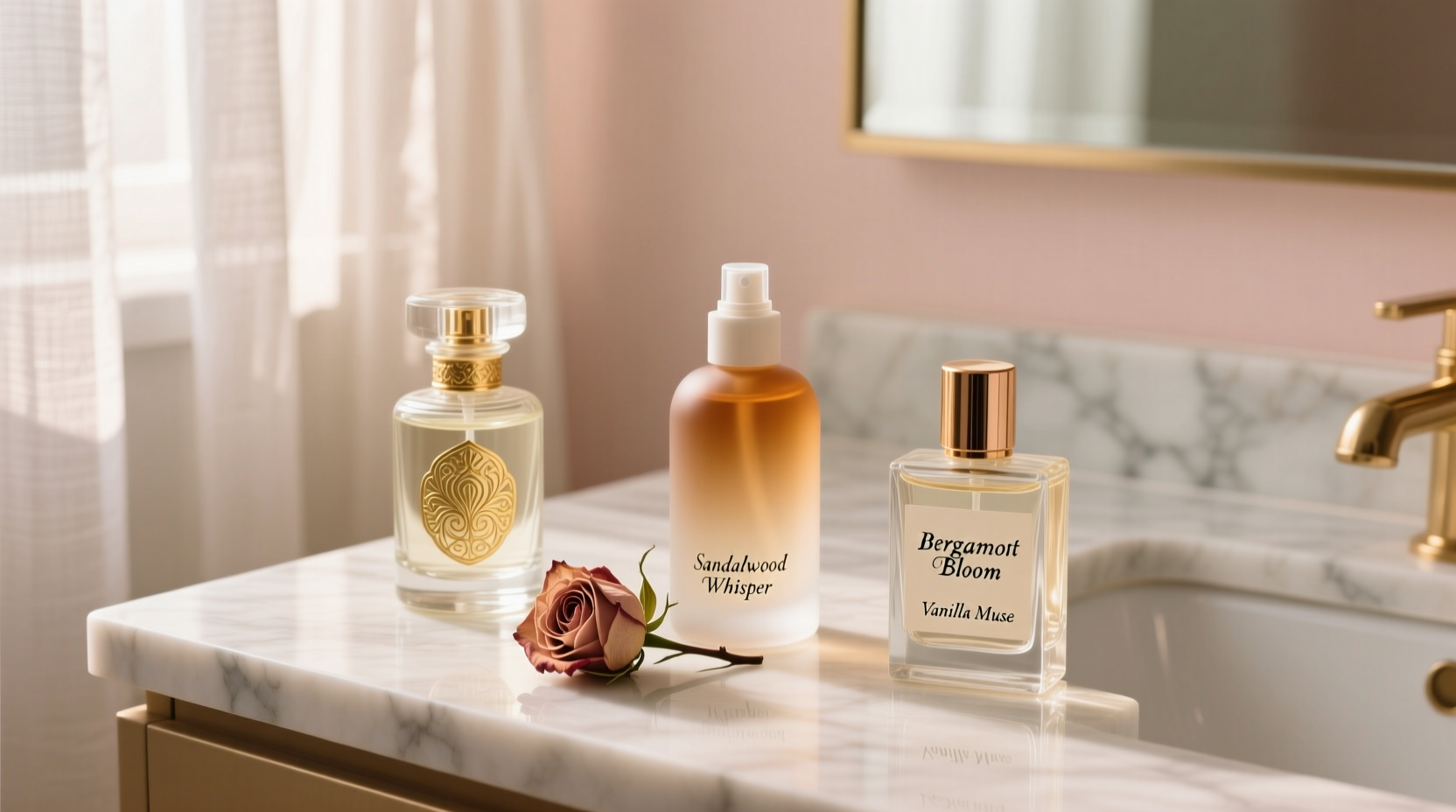
Fragrance mists and perfumes differ primarily in their concentration of aromatic compounds. This affects both intensity and longevity, which are critical when considering layering.
| Type | Aromatic Oil Concentration | Longevity | Best For Layering? |
|---|---|---|---|
| Fragrance Mist | 1–3% | 1–2 hours | Yes – as base or top note enhancer |
| Eau de Toilette (EDT) | 5–10% | 3–5 hours | Yes – mid-layer or standalone |
| Eau de Parfum (EDP) | 10–15% | 5–8 hours | Yes – ideal anchor scent |
| Parfum/Extrait | 15–30% | 8+ hours | Use sparingly – strong base layer |
Fragrance mists are typically lighter, more diffusive, and often contain hydrating ingredients like aloe or glycerin. They’re excellent for creating a soft scent cloud or refreshing your aura throughout the day. Perfumes, especially EDPs and parfums, are more concentrated and project further. When layering, treat mists as tonal amplifiers and perfumes as structural anchors.
Scent Families and Compatibility Rules
Not all fragrances play nicely together. The key to avoiding clashes lies in understanding scent families and their natural affinities. Perfumers categorize fragrances into broad families such as floral, oriental, woody, citrus, and gourmand. Within these, there are sub-families like chypre, fougère, and aquatic.
When layering, aim for scents within the same or complementary families. For example:
- Floral + Citrus = Fresh, uplifting, feminine (e.g., jasmine mist over lemon EDT)
- Oriental + Gourmand = Warm, sweet, sensual (e.g., vanilla mist under amber EDP)
- Woody + Musky = Earthy, deep, long-lasting (e.g., sandalwood mist layered with vetiver parfum)
Clashes occur when opposing accords dominate—such as pairing a sharp green galbanum-heavy chypre with a sugary cotton candy gourmand. The brain struggles to reconcile such contrasting signals, resulting in olfactory confusion.
“Fragrance layering isn’t about mixing anything you like—it’s about building harmony. Think like a composer: notes must support, not compete.” — Clara Nguyen, Master Perfumer at Osmora Labs
Step-by-Step Guide to Harmonious Layering
Follow this five-step process to layer fragrance mists and perfumes safely and effectively:
- Start with a clean canvas. Shower using unscented or lightly scented products. Residual soap, lotion, or deodorant can interfere with scent development.
- Apply a matching or complementary body mist. Choose one in the same scent family as your intended perfume. Spray generously on arms, legs, and décolletage.
- Moisturize with unscented lotion. Hydrated skin holds fragrance better. Avoid heavily scented lotions unless they’re part of your layering plan.
- Apply perfume to pulse points. Focus on wrists, behind ears, and inner elbows. Use 1–2 sprays only—over-application leads to imbalance.
- Wait and assess. Let the scent evolve for 10–15 minutes before deciding if a second mist layer is needed. Reapply mist later in the day to refresh, not intensify.
This method ensures each layer integrates smoothly. Rushing the process or spraying everything at once overwhelms the nose and disrupts scent evolution.
Real-Life Example: A Workweek Scent Strategy
Sophie, a marketing executive in Toronto, wanted a versatile scent routine for her busy schedule. She disliked reapplying full perfume during work hours but found fragrance mists didn’t last long enough.
Her solution:
- Morning: Applied a sheer neroli-and-citrus body mist post-shower.
- After moisturizing: Sprayed two pumps of her warm bergamot-vanilla EDP on wrists and neck.
- Mid-afternoon: Refreshed with another spritz of the citrus mist—reviving brightness without overpowering the base.
The result? A scent that opened crisp and evolved into a creamy, comforting dry-down. Colleagues commented on her “expensive, calming aura.” By layering wisely, Sophie achieved complexity and longevity without odor fatigue.
Do’s and Don’ts of Fragrance Layering
| Do | Don’t |
|---|---|
| Test combinations on fabric first | Mix more than three scents at once |
| Stick to similar scent profiles | Layer polar opposites (e.g., leather + watermelon) |
| Use lighter mists as top notes | Spray directly onto clothing unless tested |
| Build gradually over time | Apply all layers immediately after each other |
| Reapply mists to refresh, not amplify | Ignore skin chemistry—always test on yourself |
One common mistake is assuming that because two perfumes smell good separately, they’ll blend well. Skin chemistry alters how notes develop, so always test combinations on your own skin over several hours.
Advanced Techniques: Creating Signature Blends
For those ready to experiment beyond basic layering, consider custom blending. This involves spraying multiple fragrances in sequence or even mixing them in a rollerball applicator.
Popular safe combinations include:
- White Musk + Rose Water Mist: Creates a clean, romantic aura ideal for daytime.
- Sandalwood Perfume + Coconut Mist: Evokes tropical warmth with depth—perfect for evenings.
- Lavender Mist + Amber EDP: Calming yet sensual, great for stress relief and intimacy.
To create a balanced blend, follow the “rule of thirds”:
- Base (50%): A rich, long-lasting perfume (e.g., vanilla, patchouli).
- Heart (30%): A supporting EDP or strong EDT (e.g., rose, incense).
- Top (20%): A bright mist (e.g., citrus, cucumber, rain accord).
This structure mimics traditional perfumery and ensures a coherent scent arc from opening to dry-down.
Frequently Asked Questions
Can I layer different brands of fragrance mists and perfumes?
Yes, brand doesn’t matter—chemistry does. Many people successfully layer niche perfumes with drugstore mists. Focus on scent profiles, not labels. Just ensure both products are skin-safe and alcohol-based (not oil-based unless intentionally used in a rollerball).
Why does my layered scent smell different on others?
Skin chemistry varies widely. Factors like pH, diet, hormones, and even medications affect how fragrance molecules interact with your skin. A blend that smells warm and spicy on one person may read green and sharp on another. Always test on your own skin before finalizing a combination.
Is it safe to layer fragrance on sensitive skin?
If you have sensitive skin, proceed with caution. Layering increases exposure to alcohol and potential allergens. Opt for alcohol-free mists or glycerin-based options, and perform a patch test. Avoid layering if you notice redness or irritation. Consider using unscented moisturizer as a buffer layer.
Checklist: Your Fragrance Layering Game Plan
- ☐ Identify your core scent preferences (floral, woody, etc.)
- ☐ Select a base perfume (EDP or parfum) in your preferred family
- ☐ Choose 1–2 complementary fragrance mists
- ☐ Test combinations on skin and fabric
- ☐ Apply mist first, then perfume to pulse points
- ☐ Wait 15 minutes to evaluate scent evolution
- ☐ Refresh with mist later in the day if needed
- ☐ Record successful pairings in a scent journal
This checklist ensures you approach layering systematically, reducing trial-and-error waste and enhancing confidence in your choices.
Final Thoughts: Elevate Your Scent Identity
Layering fragrance mists and perfumes isn’t just a trend—it’s an art form that empowers you to craft a scent that’s truly yours. With awareness of concentration levels, scent compatibility, and application timing, you can avoid clashes and instead create nuanced, evolving aromas that reflect your mood, style, and personality.
The most memorable fragrances aren’t always the loudest—they’re the ones that unfold beautifully over time, revealing new facets with every interaction. By mastering the balance between mist and perfume, you gain control over that journey.




 浙公网安备
33010002000092号
浙公网安备
33010002000092号 浙B2-20120091-4
Comments
No comments yet. Why don't you start the discussion?